Small Living Room Storage Cabinet Guide
In 2026, small living rooms are no longer a compromise. They are a standard reality in urban apartments, serviced residences, co-living projects, hotel suites, and furnished rental developments. For buyers, developers, importers, furniture brands, and hospitality groups, the challenge is clear: how do you add practical storage without making the room feel crowded?
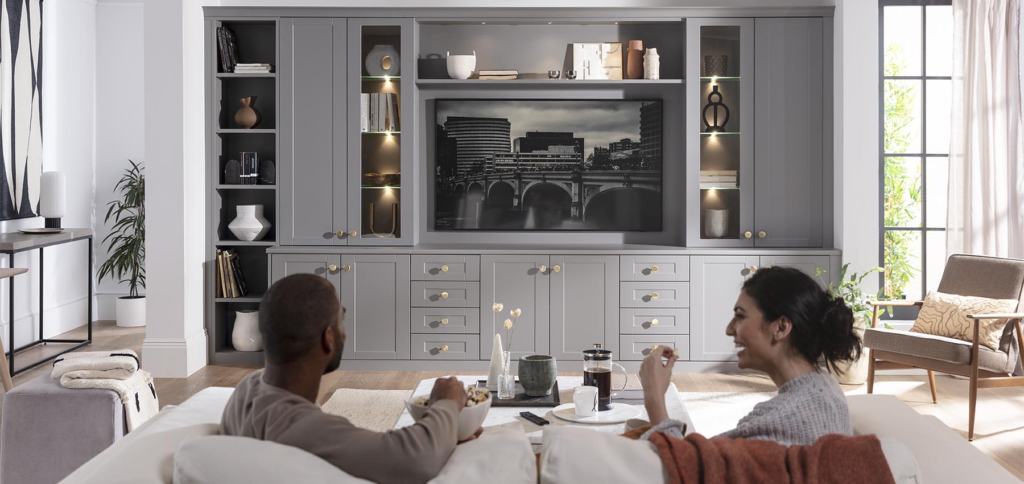
That is where the right small living room storage cabinet becomes a high-value furniture category. A well-designed cabinet does not simply hold items. It improves circulation, supports daily organization, elevates the room’s visual order, and increases the functional value of compact interiors. For commercial buyers, it also affects freight efficiency, installation ease, and consistency across large projects.
As a panel furniture manufacturer serving overseas markets, we see growing demand for compact storage solutions that combine modern styling, project durability, and flexible OEM/ODM options. Buyers today are not only comparing appearance. They are also reviewing dimensions, hardware, surface finishes, carton design, formaldehyde compliance, and suitability for apartment or hotel use.
This guide covers the best cabinet types for small living rooms, the ideal size ranges, the most suitable materials, and the sourcing considerations that matter most for B2B projects.
Table of Contents
- Why small living room storage cabinets matter in 2026
- What makes a good cabinet for a compact living room
- 11 best storage cabinet ideas for small living rooms
- Recommended dimensions for small-space cabinet projects
- Best materials and finishes for apartment and hotel use
- What B2B buyers should check before placing an order
- OEM/ODM advantages for custom project furniture
- Conclusion
- FAQ
Why Small Living Room Storage Cabinets Matter in 2026
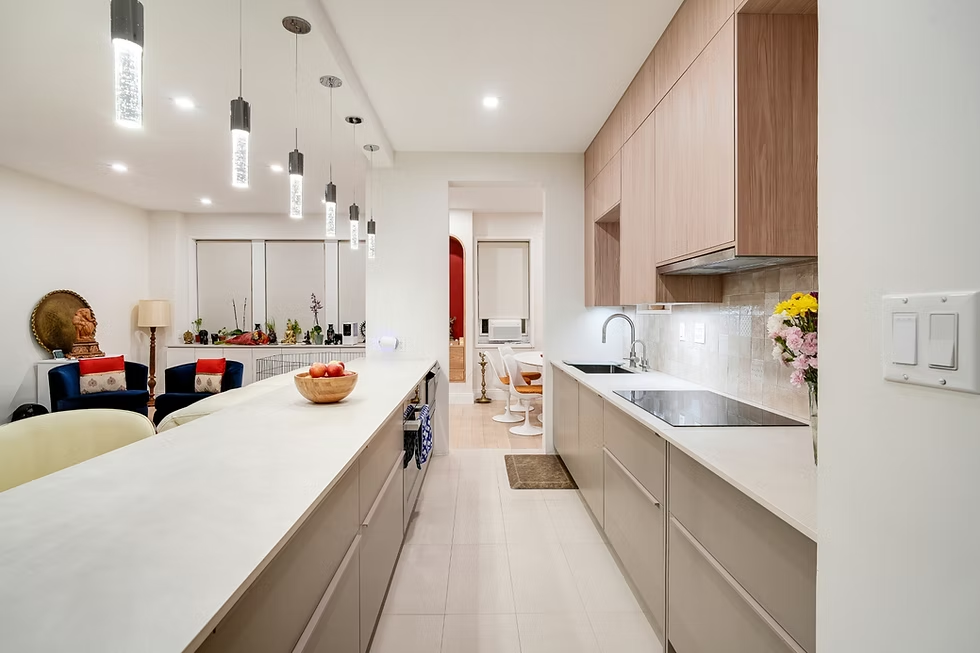
The global housing trend continues to move toward smaller, more efficient living spaces. Apartments are getting more compact in major cities, while hotel operators and developers are asking furniture suppliers to deliver more function within tighter footprints. In this environment, storage furniture has become more strategic.
A compact cabinet can improve a room in several ways.
First, it helps create visual order. Small living rooms look crowded quickly when daily items are left in the open. A cabinet with closed storage instantly reduces clutter and makes the room feel calmer and more valuable.
Second, it supports multi-use living. In many apartments and serviced units, the living room also functions as a lounge, work area, media zone, and sometimes even a semi-dining space. Buyers now prefer cabinets that can organize electronics, books, decorative items, linens, and miscellaneous accessories in one efficient design.
Third, it strengthens project consistency. For real estate furnishing packages and hospitality groups, compact storage cabinets can be repeated across room types with only small size adjustments. That improves sourcing control and brand continuity.
Finally, well-designed storage cabinets improve the end-user experience. Whether the customer is a resident, a hotel guest, or a long-stay tenant, practical storage always adds value to the room.
What Makes a Good Cabinet for a Compact Living Room
Not every small cabinet is a smart cabinet. For professional buyers, the best products are not simply reduced in size. They are specifically developed to suit compact layouts.
1. Slim footprint
A cabinet should provide enough storage while keeping walkway clearance comfortable. Excessive depth is one of the most common mistakes in small living room furniture.
2. Balanced open and closed storage
Too many open shelves can make a room feel messy, while fully closed units may appear bulky. A balanced design gives better commercial appeal.
3. Vertical efficiency
When floor space is limited, using height strategically makes more sense than only expanding width.
4. Easy maintenance
For hospitality and rental projects, surfaces should be easy to clean and resistant to daily wear.
5. Stable structure
Cabinets should perform well under repeated use, long-distance shipping, and assembly conditions in different markets.
6. Flexible finish options
Project buyers often need coordinated finishes to match existing wardrobes, TV stands, coffee tables, and other casegoods.
7. OEM/ODM adaptability
Custom dimensions, branded finishes, packaging adjustments, and hardware upgrades are often necessary for serious B2B orders.
11 Best Storage Cabinet Ideas for Small Living Rooms
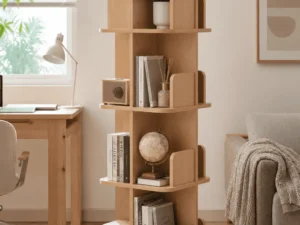
1. Slim Tall Storage Cabinet
A slim tall cabinet is one of the most practical choices for compact living rooms. It uses vertical space efficiently and fits well beside sofas, media walls, or transition areas between the living zone and dining zone.
This type of cabinet is especially suitable for city apartments and compact residential projects. It can store books, accessories, electronics, and household items without consuming too much floor area.
For buyers, the key is to keep the depth controlled and the proportions visually light. A unit that is too deep can dominate the room, while a slim design with clean lines feels more architectural and modern.
2. Low Sideboard Cabinet
A low sideboard cabinet works well in living rooms where visual openness matters. Because the height remains below eye level, it avoids making the room feel boxed in.
This format is widely used in apartments, hotel suites, and modern residential packages. It can also double as a TV cabinet or decorative console, which adds more value in small spaces.
For B2B projects, low sideboards are easy to standardize and often easier to install than taller units. They also offer better compatibility with wall art, mirrors, and TV wall layouts.
3. Wall-Mounted Storage Cabinet
Floating cabinets remain highly attractive in 2026 because they create a lighter look and make the floor area feel larger. They are ideal for premium apartments, contemporary interiors, and hospitality spaces where a clean visual line is important.
Wall-mounted cabinets are also helpful for housekeeping and cleaning routines, which is a major plus for hotels and serviced residences.
However, buyers should confirm wall conditions, installation standards, and fixing methods early in the project. A beautiful floating cabinet only performs well when the site installation method is properly planned.
4. Corner Storage Cabinet
Corners are often wasted in small living rooms. A corner cabinet turns underused space into practical storage without blocking central circulation.
This is a good solution for studio apartments, compact family units, and irregular room layouts. It also helps project designers use difficult corners more intelligently.
From a manufacturing perspective, corner units require accurate angle control and stable packaging. If the project is large, buyers should review shop drawings carefully before mass production.
5. Open-and-Closed Combination Cabinet
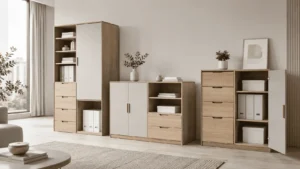
A cabinet with both open shelving and closed compartments offers one of the best balances for modern living room use. The open area allows decorative display, while the closed section hides less attractive daily items.
This combination is popular because it feels more dynamic than a purely closed unit. It works well in apartment projects where developers want furniture to look warm, styled, and lifestyle-oriented rather than purely functional.
For commercial use, the best designs keep the open portion limited and structured. Too many exposed shelves can lead to visual clutter during actual use.
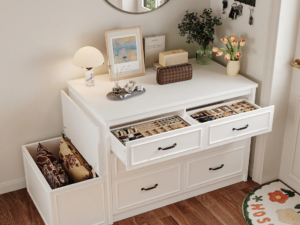
6. Cabinet with Drawers and Doors
Drawers improve small-space organization because they separate small items clearly. Remote controls, chargers, papers, keys, and daily accessories are easier to manage in drawer formats than on shelves alone.
This type of cabinet is especially suitable for furnished rental units, serviced apartments, and family housing projects. It offers practical storage for everyday living and improves the perceived usability of the furniture.
When sourcing this style, buyers should pay attention to drawer runner quality, alignment stability, and smooth operation after repeated use.
7. Modular Storage Cabinet
Modular cabinets are a smart choice for developers and furniture brands that need flexible configurations. A modular system can be adapted across several room sizes while keeping the same overall design language.
This is useful in apartment developments where studio, one-bedroom, and two-bedroom units share the same design concept but require different cabinet widths or combinations.
For OEM/ODM buyers, modular thinking also improves SKU management and makes future product line extensions easier.
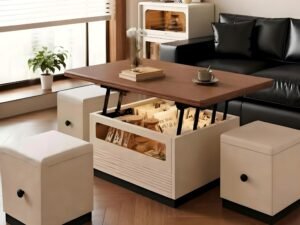
8. Multi-Function Media Storage Cabinet
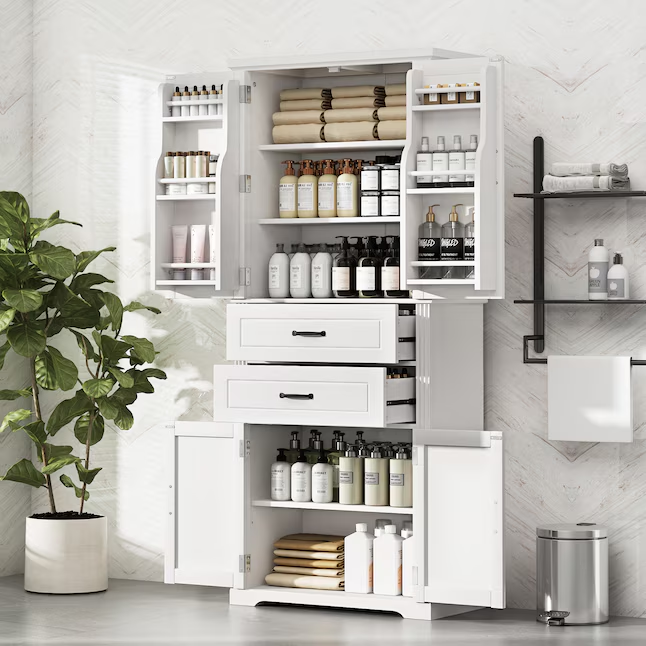
A media cabinet that includes concealed storage is one of the most commercially practical options. Today’s living room cabinet is not only for décor. It may also need to manage routers, set-top boxes, cables, gaming accessories, and other electronics.
This style works well in apartments, hotel suites, and executive living spaces. It reduces visible cable clutter and supports a more professional, organized interior.
Adding cable management holes, ventilation space, and mixed storage compartments can significantly improve the real-world performance of this design.
9. Sliding Door Storage Cabinet
In very compact layouts, standard swing doors can be inconvenient because they require more clearance in front of the cabinet. Sliding door cabinets help solve that problem.
This format is useful for narrow living areas, furnished rental units, and compact hospitality layouts where circulation needs to stay open. Sliding doors can also create a more minimal visual profile.
The most important sourcing point here is hardware quality. Poor sliding systems reduce the user experience quickly, so buyers should specify reliable components and test them before full production.
10. Storage Cabinet with Metal Base
A cabinet with a slim metal base offers a lighter and more contemporary look than a heavy full-plinth design. This is increasingly popular in modern apartment interiors, hospitality spaces, and furniture collections targeting younger urban buyers.
The metal base lifts the cabinet visually and physically, which helps the room feel less crowded. It also makes floor cleaning easier.
This format works especially well when combined with wood grain melamine, painted MDF, or veneer finishes. It gives a balanced mix of warmth and modernity.
11. Fully Customized OEM/ODM Storage Cabinet
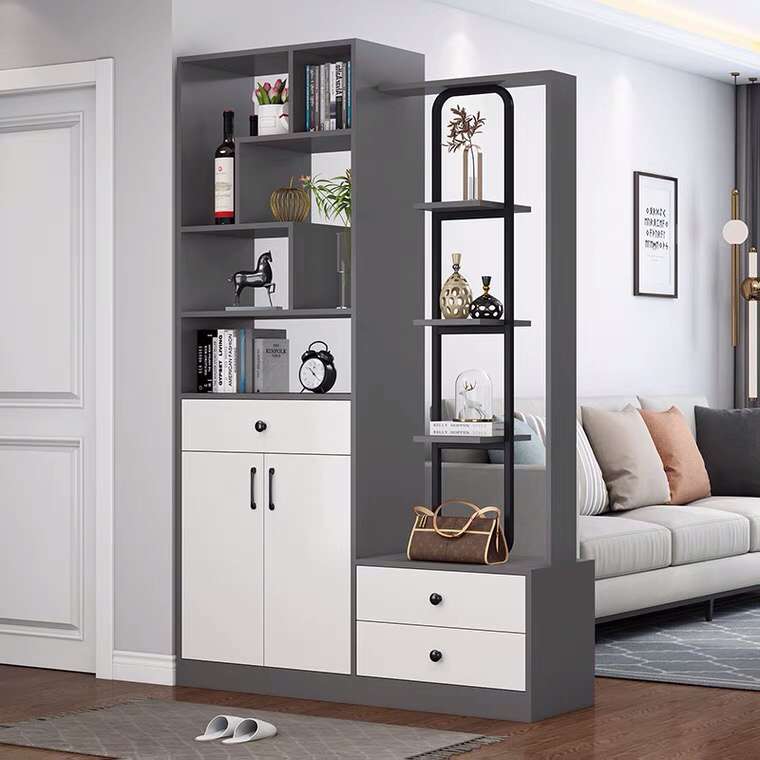
For serious project buyers, the best solution is often not an off-the-shelf cabinet. It is a customized cabinet developed around the room layout, target market, finish requirements, and commercial positioning.
A custom cabinet allows buyers to control width, depth, height, internal storage structure, finish, hardware, packaging, and labeling. This is particularly valuable for hotels, serviced apartments, branded residences, private label furniture brands, and bulk importers.
OEM/ODM customization also improves collection consistency. The cabinet can be developed to match wardrobes, bedside tables, TV units, desks, and other casegoods in the same furnishing package.
Recommended Dimensions for Small-Space Cabinet Projects
Dimensions are critical in compact living room furniture. A cabinet may look good in a photo but fail completely in real layouts if the depth or height is not proportioned correctly.
Below are practical reference ranges for small living room cabinets.
Recommended width
600 mm to 1200 mm is a common working range for most apartment and hospitality projects. Narrower units are suitable for secondary placements, while wider units work as TV-sideboard combinations.
Recommended depth
300 mm to 400 mm is usually the safest range for small-space circulation. A shallow cabinet feels more appropriate in compact rooms and reduces visual heaviness.
Recommended height
750 mm to 1800 mm depending on the type. Low sideboards usually stay below window or TV sightlines, while tall cabinets use vertical space more aggressively.
Leg height or base style
Raised-leg cabinets often feel lighter than full-box units. In small rooms, this can make a significant visual difference.
In real projects, cabinet sizing should always be coordinated with sofa depth, coffee table position, TV wall layout, and main walkway clearance.
Best Materials and Finishes for Apartment and Hotel Use
Material selection directly affects durability, appearance, compliance, and price positioning.
Melamine-faced board
Melamine remains one of the most practical finishes for export furniture. It is cost-effective, easy to clean, and available in many wood grain and solid-color options. For apartment and rental furniture, it offers a good balance between price and performance.
MDF with painted finish
Painted MDF works well for modern and higher-end projects. It creates a smooth premium appearance and allows strong color consistency when produced well. However, buyers should confirm scratch resistance and finishing quality.
Veneered plywood
Plywood with veneer is suitable for projects that require better screw holding, more structural confidence, and a more premium feel. It is often used in upper-mid-range furniture programs.
Particle board with decorative surface
This can be a competitive option in volume projects when the board quality is stable and the edge banding, hardware, and construction details are controlled properly.
Metal components
Powder-coated metal legs or frames improve style and add structural support. They are especially common in modern cabinet collections for apartment and hospitality use.
Surface considerations
For commercial projects, low-maintenance surfaces are important. Buyers should check scratch resistance, stain resistance, edge durability, and color consistency across production batches.
What B2B Buyers Should Check Before Placing an Order
A professional cabinet sourcing process should not rely only on appearance or price. Serious buyers usually review the following points before confirming a supplier.
1. Material specification
Confirm the board type, thickness, surface finish, edge treatment, and internal construction.
2. Size accuracy
Request detailed drawings and make sure the cabinet matches the real room layout.
3. Hardware quality
Hinges, drawer runners, handles, connectors, and sliding systems all affect long-term performance.
4. Compliance documentation
For engineered wood furniture, buyers may need to confirm relevant emissions compliance depending on the target market. Useful references include:
- U.S. EPA formaldehyde emission standards for composite wood products: https://www.epa.gov/formaldehyde/formaldehyde-emission-standards-composite-wood-products
- California Air Resources Board composite wood products program: https://ww2.arb.ca.gov/our-work/programs/composite-wood-products-program
5. Safety considerations
For taller cabinets, anti-tip awareness is important. A useful reference is:
- CPSC Anchor It furniture safety guidance: https://www.cpsc.gov/Safety-Education/Safety-Education-Centers/AnchorItgov
6. Accessibility and project planning
For some commercial and public-facing spaces, buyers may also review:
- 2010 ADA Standards for Accessible Design: https://www.ada.gov/law-and-regs/design-standards/2010-stds/
7. Fire and commercial environment awareness
For broader project planning, many specifiers also check:
- NFPA codes and standards resources: https://www.nfpa.org/For-Professionals/Codes-and-Standards/List-of-Codes-and-Standards/Free-access
8. Furniture standards awareness
For commercial furniture buyers, this is also a useful authority resource:
- BIFMA standards overview: https://www.bifma.org/page/standardsoverview
These references help build trust with professional buyers and show that the sourcing process is aligned with recognized industry expectations.
OEM/ODM Advantages for Custom Project Furniture
For overseas buyers, wholesalers, contractors, and furniture brands, OEM/ODM is often the most efficient route for compact cabinet projects.
A custom program allows the product to be developed around actual market demand rather than forcing the buyer to adapt to a fixed catalog item.
Key OEM/ODM benefits include:
Custom size adjustment
Different room layouts require different widths, heights, and depths.
Finish matching
Cabinets can be matched to wardrobes, media units, desks, and coffee tables in the same project.
Hardware upgrading
Soft-close hinges, premium runners, hidden connectors, and branded components can be specified.
Packaging optimization
Carton dimensions, flat-pack structures, and protection methods can be developed for container efficiency and safer delivery.
Brand consistency
Private label buyers can align cabinet design with their full furniture collection.
Project support
Professional manufacturers can assist with drawings, finish samples, production schedules, and bulk order coordination.
For apartment developers and hospitality operators, custom development also makes it easier to balance cost, design identity, and practical performance.

Conclusion
The best small living room storage cabinet in 2026 is not simply a smaller cabinet. It is a smarter cabinet.
It should maximize storage without overwhelming the room. It should look modern while staying practical for daily use. It should be durable enough for real projects, flexible enough for OEM/ODM development, and efficient enough for international supply chains.
For apartment developments, hotel suites, furnished rentals, and modern furniture collections, compact storage cabinets are now an essential category. Buyers who choose the right cabinet style, dimensions, materials, and supplier support can improve both room value and project performance.
If you are sourcing for an upcoming apartment, hotel, or custom furniture program, a professionally developed compact cabinet can deliver better space efficiency, stronger visual appeal, and smoother bulk procurement.
FAQ
What is the best cabinet depth for a small living room?
For most small living rooms, a cabinet depth of 300 mm to 400 mm works well. It provides practical storage while preserving comfortable circulation space.
Which cabinet style is best for apartments?
Slim tall cabinets, low sideboards, wall-mounted cabinets, and modular storage cabinets are all strong choices for apartment projects because they save space and fit modern layouts.
Are custom storage cabinets better for hotel projects?
Yes. Custom cabinets allow hotel buyers to control dimensions, finish, hardware, and style consistency across multiple room types.
What material is best for a compact living room cabinet?
It depends on the project level. Melamine-faced panels are practical for large-volume programs, while veneered plywood or painted MDF may suit more premium applications.
Why do B2B buyers prefer OEM/ODM cabinet suppliers?
Because they need custom dimensions, coordinated finishes, packaging optimization, compliance support, and collection consistency for bulk orders.
Can a small living room cabinet still look premium?
Yes. Good proportions, quality finishes, clean hardware details, and balanced open-and-closed storage can make a compact cabinet look highly premium even in small spaces.