How to Choose the Perfect Small Living Room Chair for Your Project: 5 Key Factors to Consider
Table of Contents
- Introduction: Why Choosing the Right Small Living Room Chair Matters
- Design Trends for Small Living Room Chairs
- Material Selection for Comfort and Durability
- Production Processes: How Small Living Room Chairs Are Made
- How to Adapt Designs to Meet Market Demand
- Cost Control Strategies for Small Living Room Chairs
- Conclusion
- FAQs
1. Introduction: Why Choosing the Right Small Living Room Chair Matters

When it comes to furnishing small living spaces, selecting the right chair is crucial for both aesthetic appeal and functionality. For B2B buyers, the right chair can set the tone for the entire living space. It doesn’t matter if you’re purchasing for an OEM/ODM project, hotel, or apartment complex. Understanding key design trends is essential. Consider material selection carefully. Learn about production processes. This knowledge will help you make informed purchasing decisions that align with market needs.
2. Design Trends for Small Living Room Chairs
The design of living room chairs has evolved to meet the needs of modern homes and commercial spaces. Small living room chairs, in particular, need to strike a balance between comfort, functionality, and space-saving capabilities.
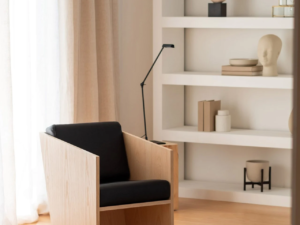
- Minimalistic and Sleek Designs: The demand for clean, minimalistic interiors is growing. Many buyers are choosing chairs with sleek lines and simple structures. This trend is especially important in small spaces where oversized furniture can overwhelm the room.
- Modular and Multi-functional Pieces: In the context of small spaces, modular furniture and multi-functional chairs are growing in popularity. Chairs that serve dual purposes are gaining traction. An example is a swivel chair that can function as both seating and a work chair.
- Ergonomics and Comfort: Comfort is an essential factor for both residential and commercial spaces. With more people working from home or spending time in their living rooms, ergonomic designs that provide support are crucial. Chairs that combine style and comfort are in high demand.
3. Material Selection for Comfort and Durability
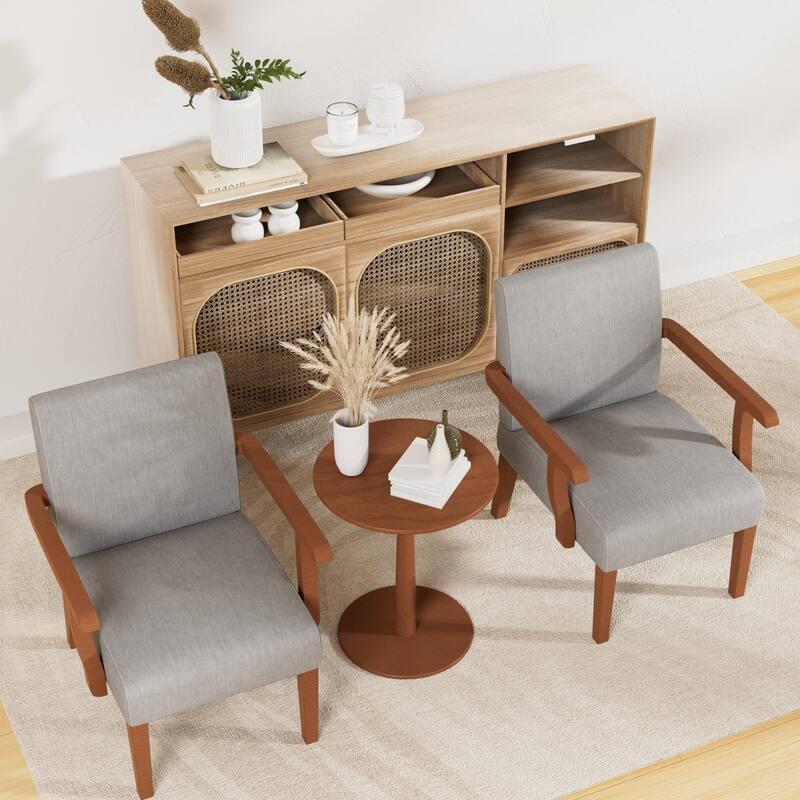
The materials used in the construction of small living room chairs directly impact both comfort and durability. As a manufacturer or supplier, selecting the right materials is essential to meet customer expectations and ensure long-lasting products.
- Upholstery Materials: Velvet, leather, linen, and microfiber are popular choices for upholstery in small living room chairs. Velvet and linen provide a soft, luxurious feel, while microfiber is known for its durability and easy maintenance.
- Frame Materials: The frame of the chair plays a critical role in its stability. Hardwood frames, such as oak and beech, are often used for high-end chairs. Metal frames are used for modern, industrial-style chairs.
- Cushioning and Padding: High-density foam is commonly used for cushioning in living room chairs. Memory foam is also a top choice for added comfort and support. Depending on the design, adjustable cushions may be included to enhance versatility.
4. Production Processes: How Small Living Room Chairs Are Made
For businesses sourcing furniture for large-scale projects or wholesale distribution, understanding the production process is vital. Here’s a breakdown of how small living room chairs are typically made:
- Design and Prototyping: Once the design is finalized, a prototype is created to test for comfort, style, and functionality. This phase allows manufacturers to make adjustments before mass production.
- Material Sourcing: Materials are sourced from reliable suppliers, ensuring quality and consistency. Whether it’s fabric, foam, or wood, the sourcing process should focus on durability and sustainability.
- Manufacturing: Small living room chairs are often produced in batch runs. High-end models may require more detailed craftsmanship, while mass-produced models can be made with automated machinery for efficiency.
- Quality Control: Each chair undergoes quality control checks to ensure they meet industry standards for safety, durability, and comfort.
5. How to Adapt Designs to Meet Market Demand
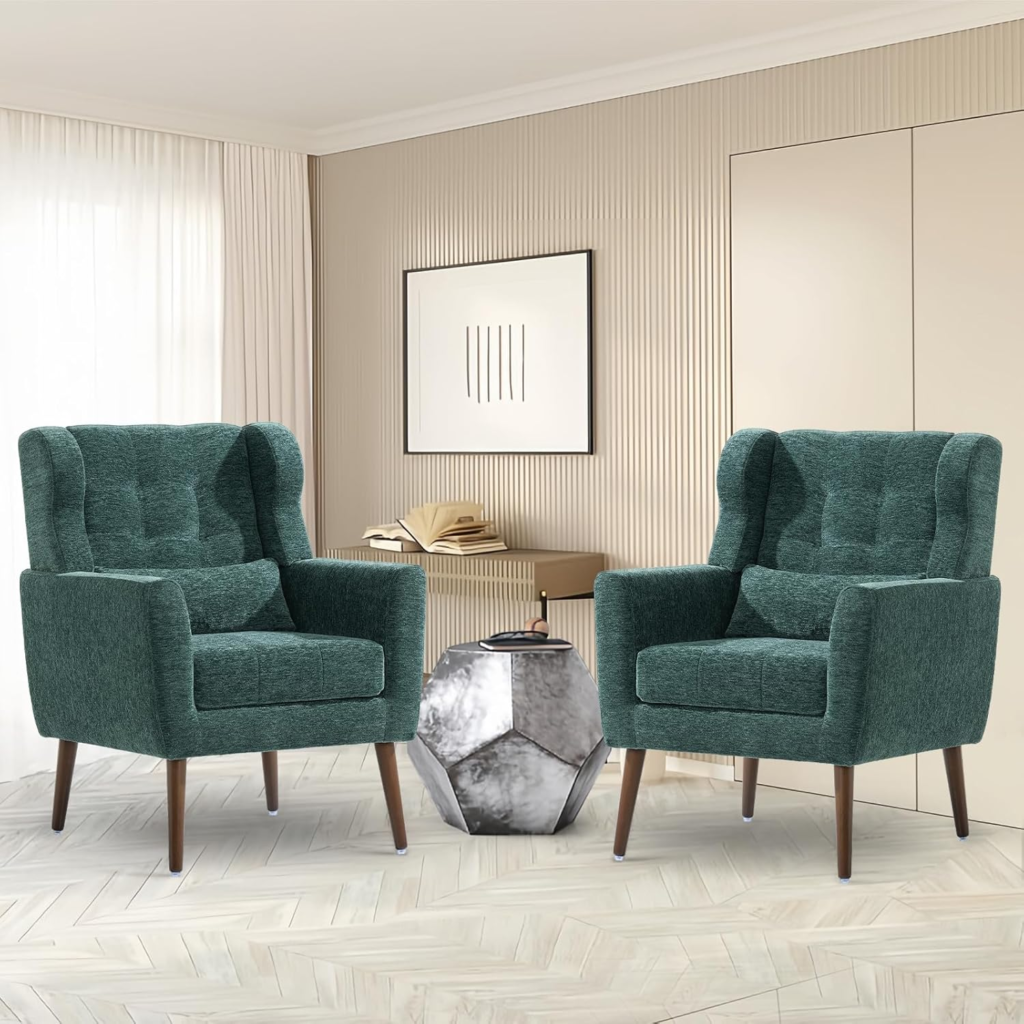
The demand for small living room chairs varies based on factors such as location, demographic preferences, and emerging trends. Here’s how suppliers can adapt to meet changing market needs:
- Customization Options: Offering customization options such as fabric choices, colors, and adjustable features can help cater to specific customer needs.
- Consumer Preferences: Stay ahead of design trends. Monitor consumer preferences, such as the growing demand for sustainable furniture. Also, consider compact, space-saving solutions.
- Project-based Orders: For large-scale projects, like hotels or apartment complexes, offering ready-to-ship options can streamline the procurement process. Bulk ordering can also help in making the process more efficient.
6. Cost Control Strategies for Small Living Room Chairs
Cost control is an essential aspect of purchasing furniture in bulk or sourcing for commercial projects. Here are strategies to ensure cost-effective procurement:
- Material Efficiency: Opting for cost-effective yet durable materials can help lower production costs. For example, using engineered wood instead of solid hardwood can reduce material costs while maintaining strength.
- Bulk Ordering and Negotiation: Many suppliers offer discounts for bulk orders, making it easier to stay within budget. Negotiating long-term contracts with manufacturers may also lead to favorable pricing.
- Outsourcing Production: B2B buyers seeking cost savings can benefit by partnering with manufacturers. These manufacturers offer OEM/ODM services. This strategy allows for flexibility in design and materials. It also optimizes production costs.
7. Conclusion
Choosing the right small living room chair for your project requires careful consideration of design trends. You must also carefully select materials and understand production processes. When B2B buyers understand the key factors that influence chair design, they make informed decisions. These decisions align with current market trends and customer expectations. Whether you’re sourcing chairs for an apartment complex, hotel, or large-scale project, these strategies will guide you. They will help you find the best products. These products will meet your needs.
8. FAQs

Q1: How can I ensure the durability of my small living room chair purchase?
A1: Choose materials like hardwood frames and high-density foam cushions. Quality control during production is also critical to ensure longevity.
Q2: What are the benefits of modular living room chairs?
A2: Modular chairs are versatile, allowing for customization in arrangement. They are ideal for small spaces and adaptable to different layouts.
Q3: Can I customize the design of my small living room chairs for large orders?
A3: Yes, most manufacturers offer customization for bulk orders, including fabric choices, cushion firmness, and frame styles.
About Us
We are a leading manufacturer of custom living room furniture, specializing in providing high-quality, cost-effective seating solutions for B2B buyers. Do you need to furnish a commercial space? Or are you sourcing chairs for a large project? Our OEM/ODM services ensure you get the right products on time.
External Links: