For Designers, Retailers, and Procurement Managers
Table of Contents
- The rise of eco-friendly kitchen furniture
- Common sustainable materials used in kitchen cabinets
- Cost-benefit analysis of eco-friendly kitchen cabinets
- How to identify and select certified green cabinet products
- Customer acceptance and market perception
- Growth opportunities for sustainable cabinets in global trade
- FAQ
Introduction: Sustainability Is Reshaping the Kitchen Cabinet Industry
Sustainability is no longer a niche preference—it has become a core decision factor in the global kitchen cabinets market. Designers specify greener materials. Retailers demand transparent sourcing. Procurement managers increasingly evaluate environmental impact alongside kitchen cabinet price, durability, and aesthetics.
For manufacturers and OEM/ODM suppliers, sustainable kitchen furniture is not only about environmental responsibility. It is about long-term competitiveness, compliance readiness, and brand positioning across retail, hospitality, and apartment projects.
This article explores how sustainable materials are influencing kitchen cabinet design and sourcing, with practical insights for B2B buyers.
1. The Rise of Eco-Friendly Kitchen Furniture
1.1 Sustainability as a design requirement
Modern kitchens emphasize wellness, indoor air quality, and material transparency. This shift has pushed designers to reconsider traditional materials. They are also rethinking finishes, especially in high end kitchen cabinets and mid-range retail collections.
In many markets, eco-friendly cabinetry is now expected in:
- Apartment developments
- Hotel and serviced residence kitchens
- Premium retail collections
- Renovation and kitchen cabinets refacing programs
1.2 Retail and procurement pressure
Retailers report growing customer questions about:
- Material origin
- Formaldehyde emissions
- Recyclability and durability
Procurement managers, especially in contract projects, must consider compliance frameworks. They must also think about long-term maintenance costs—not just cheap cabinets for kitchen solutions.
Industry organizations such as the National Kitchen & Bath Association emphasize sustainability. They see it as a long-term design driver. It is not a passing trend.
External reference: NKBA sustainability and design insights
https://nkba.org/press/nkba-kbis-releases-annual-2026-kitchen-trends-report/
2. Common Sustainable Materials Used in Kitchen Cabinets
2.1 Bamboo: fast-renewable and design-friendly
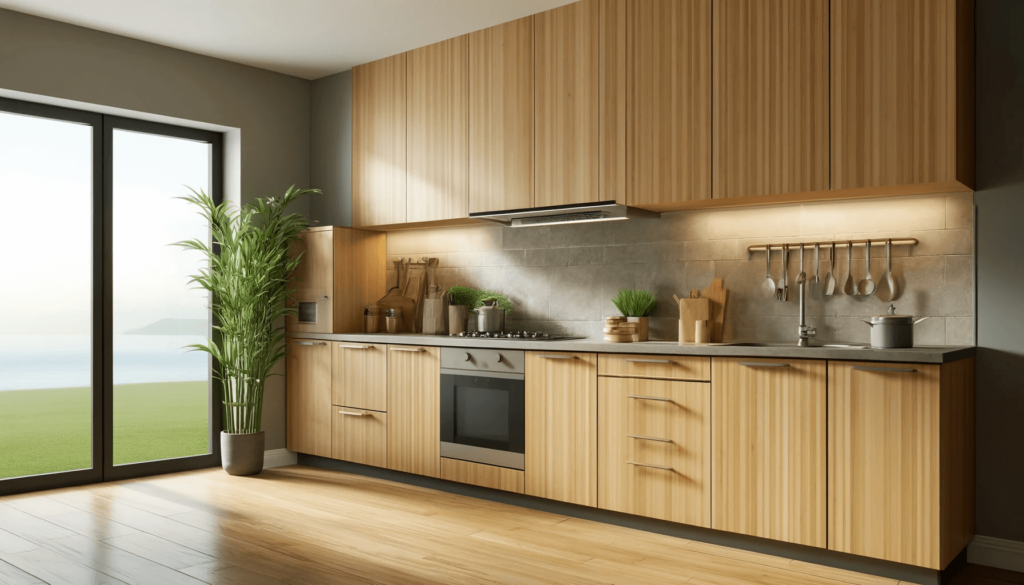
Bamboo is one of the most popular sustainable materials used in modern kitchen cabinets.
Why buyers choose bamboo:
- Rapid renewability compared to hardwood
- High strength-to-weight ratio
- Distinct natural grain suitable for modern and country kitchen cabinets
Bamboo works well for cabinet panels, doors, and even free standing kitchen cabinets when properly engineered.
2.2 Recycled and reclaimed wood
Recycled wood uses post-consumer or post-industrial timber, reducing demand for virgin resources.
Applications:
- Decorative cabinet doors
- Accent panels in kitchen cabinet islands
- Rustic or dark wood kitchen furniture collections
This material appeals strongly to designers looking to avoid dated kitchen cabinet style while maintaining authenticity.
2.3 Formaldehyde-free panels and finishes
Indoor air quality is a major concern, especially in apartments and hotels. Formaldehyde-free or ultra-low-emission panels are increasingly specified for:
- assembled kitchen cabinets
- kitchen RTA cabinets
- Cabinets with sink bases and enclosed spaces
Regulatory references widely used by buyers include:
- EPA formaldehyde emission standards
https://www.epa.gov/formaldehyde/formaldehyde-emission-standards-composite-wood-products - California Air Resources Board (CARB) composite wood program
https://ww2.arb.ca.gov/our-work/programs/composite-wood-products-program
2.4 Low-VOC coatings and water-based finishes
Beyond panels, coatings matter. Water-based lacquers and low-VOC finishes reduce emissions and odors, improving the end-user experience in modern kitchens.
3. Cost-Benefit Analysis of Eco-Friendly Kitchen Cabinets
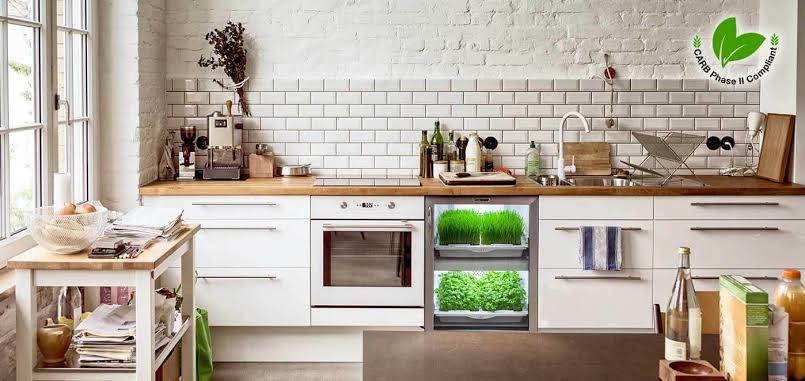
3.1 Initial cost vs. lifecycle value
Sustainable cabinets may increase unit cost compared to basic cabinets for kitchen, but buyers should consider:
- Longer service life
- Lower replacement and refacing frequency
- Fewer complaints related to odor or finish degradation
This is especially relevant for hotels and multi-family apartments where durability and tenant satisfaction directly affect ROI.
3.2 Impact on retail pricing and margins
Eco-friendly positioning allows retailers to:
- Justify higher average order values
- Reduce price sensitivity around average cost of kitchen cabinets
- Differentiate from mass-market competitors
Sustainability messaging pairs well with popular design trends such as:
- modern white kitchen cabinets
- kitchen with gray cabinets
- kitchen cabinets navy blue
- modern black kitchen cabinets
3.3 Maintenance and after-sales considerations
Sustainable finishes are often compatible with mild cleaning products. This compatibility aligns with consumer searches such as best degreaser for kitchen cabinets and long-term care guidance.
4. How to Identify and Select Certified Green Cabinet Products
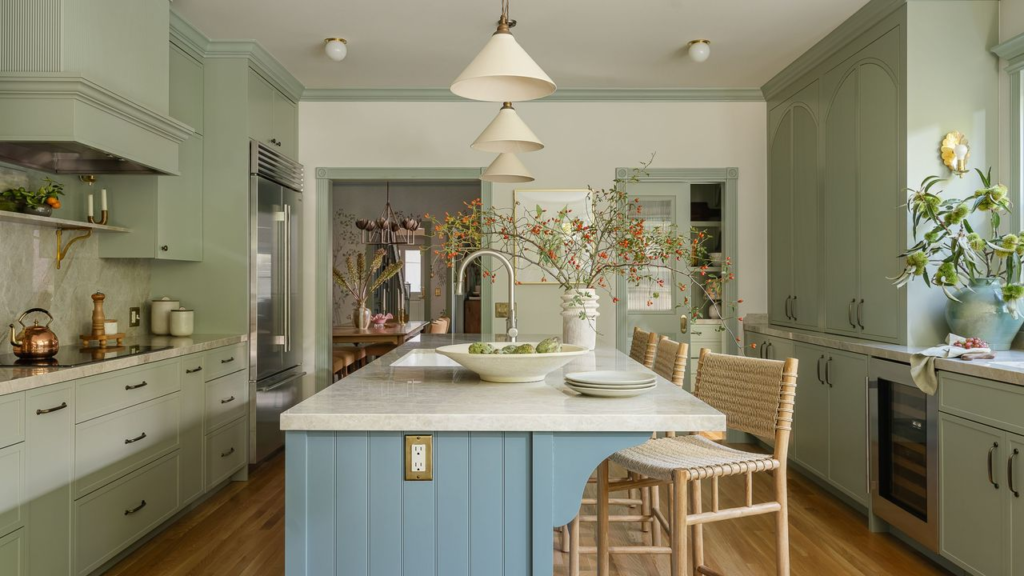
4.1 Key certifications and standards
For B2B buyers, certifications provide credibility and simplify compliance discussions.
Common references include:
- FSC Chain of Custody (responsible wood sourcing)
https://fsc.org/en/chain-of-custody - KCMA performance and sustainability certifications
https://kcma.org/certifications
4.2 What procurement managers should verify
When sourcing sustainable kitchen cabinet programs, verify:
- Panel emission documentation
- Finish specifications and VOC limits
- Consistency across production batches
- Packaging materials and recyclability
This is crucial for kitchen bottom cabinets. It is also vital for tall kitchen cabinet units and cabinet trash pull-out systems where enclosed spaces amplify odor issues.
4.3 Avoiding greenwashing
True sustainability is measurable. Buyers should request material declarations rather than relying solely on marketing claims.
5. Customer Acceptance and Market Perception
5.1 Designers
Designers value sustainable materials because they:
- Align with modern design narratives
- Improve indoor comfort
- Support storytelling in client presentations
Eco-friendly materials integrate easily with modern kitchen cabinet handles and pulls, LED under cabinet kitchen lights, and minimalist layouts.
5.2 Retail customers
Retail customers increasingly associate sustainability with quality. In showrooms, eco-friendly cabinets often convert better when paired with tactile experiences. These include smooth drawers, refined finishes, and cohesive kitchen countertops and cabinets displays.
5.3 Project and hospitality buyers
Project buyers prioritize:
- Consistency
- Long-term durability
- Regulatory readiness
Sustainable cabinetry reduces risks during inspections and handover, especially in hotel and apartment kitchens.
6. Growth Opportunities for Sustainable Cabinets in Global Trade
6.1 Strong demand in export markets
Eco-friendly kitchen furniture shows strong momentum in:
- Europe
- United Kingdom
- North America
- Australia
In these regions, sustainability influences public procurement, real estate development, and retail branding.
6.2 OEM/ODM advantages for manufacturers
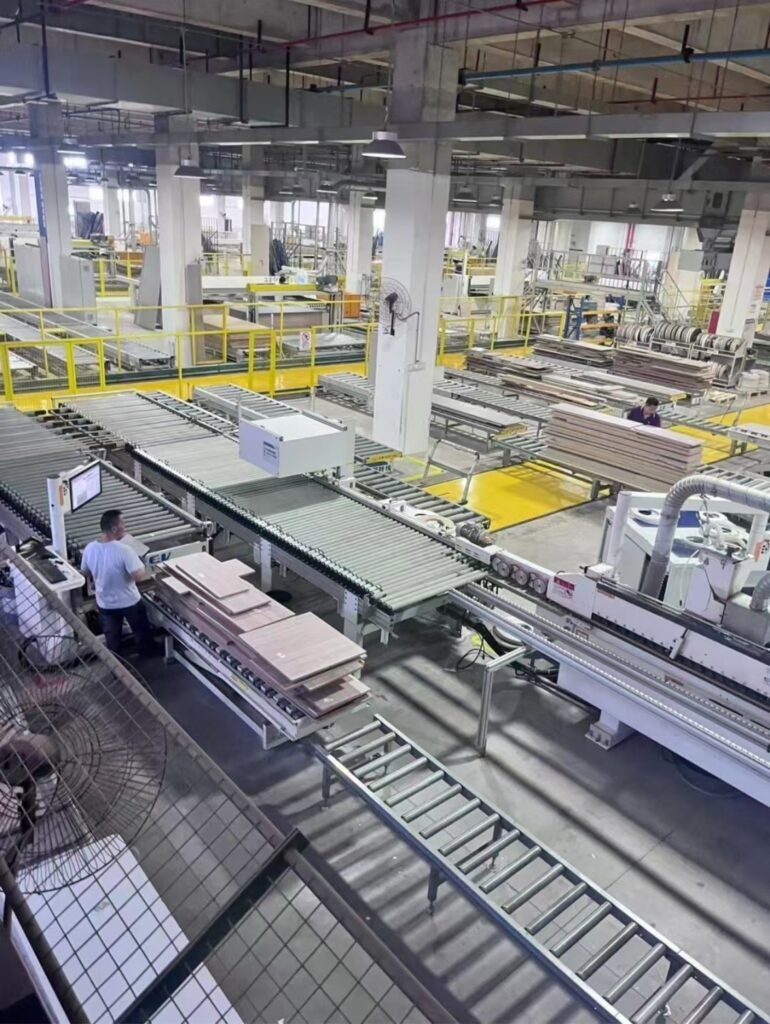
For panel furniture exporters, sustainable cabinets enable:
- Entry into higher-value programs
- Longer product lifecycles
- Stronger brand partnerships
OEM/ODM buyers increasingly ask suppliers to propose eco-optimized versions of:
- prefab kitchen cabinets
- unfinished kitchen cabinet programs
- kitchen cabinets with sink configurations
6.3 Long-term positioning
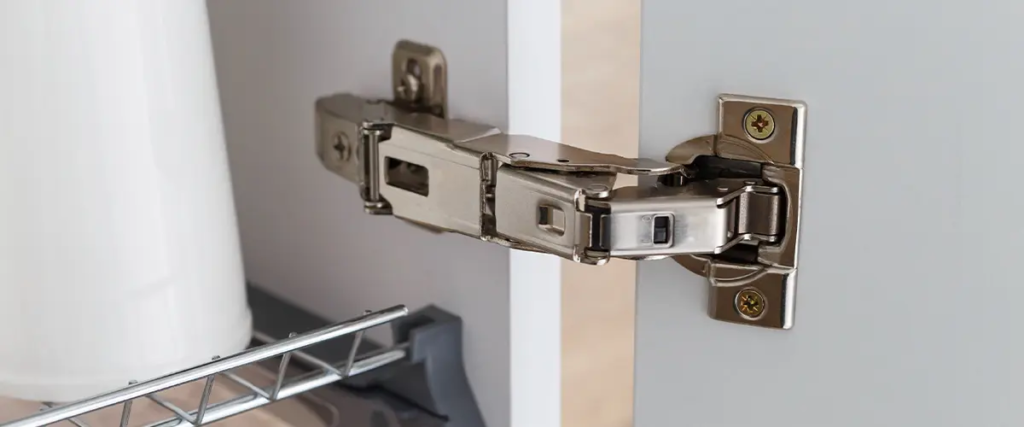
Sustainability is not a seasonal trend. It is becoming a baseline expectation, similar to soft-close hardware or modular storage solutions.
FAQ
Q1. Are sustainable kitchen cabinets more expensive?
They can have a higher initial cost. However, they often deliver better long-term value through durability. They also enhance compliance readiness and improve customer satisfaction.
Q2. Can eco-friendly cabinets be used in large projects?
Yes. Many apartment and hotel projects now specify low-emission panels and certified materials as standard.
Q3. Do sustainable cabinets limit design options?
No. Modern sustainable materials support a wide range of colors, finishes, and styles.
Q4. How can buyers verify sustainability claims?
By requesting certification documents, emission test reports, and material declarations from suppliers.
Q5. Are sustainable cabinets suitable for RTA programs?
Yes, provided material quality, drilling accuracy, and packaging standards are well controlled.