The Ultimate Guide to Choosing the Right Kitchen Cabinets for Your Clients: Tips for Retailers, Designers, and Project Buyers
Table of Contents
- Introduction: The Importance of Choosing the Right Kitchen Cabinets
- Different Types of Kitchen Cabinets (Custom vs. Stock)
- Choosing the Right Materials: Wood, MDF, Plywood, and More
- Budget Control: High-End vs. Economical Kitchen Cabinets
- Selecting Cabinet Colors and Styles to Suit Your Clients’ Needs
- Maximizing Functionality: Storage Space and Cabinet Design
- Essential Cabinet Features: Pull-Out Baskets, Drawer Dividers, and More
- Balancing Cost and Quality: Making the Best Choice
- Conclusion: How to Choose Kitchen Cabinets That Will Appeal to Your Clients
- FAQ: Common Questions About Kitchen Cabinets
Introduction: The Importance of Choosing the Right Kitchen Cabinets
Choosing the right kitchen cabinets is crucial for creating a functional, aesthetically pleasing, and durable kitchen. Cabinets are not only storage solutions but also contribute to the overall design, feel, and value of the kitchen space. Whether you’re a retailer, designer, or project buyer, you need to understand the options available for your kitchen cabinet choices. This understanding can help you meet your clients’ needs and stay within their budget.
Different Types of Kitchen Cabinets (Custom vs. Stock)
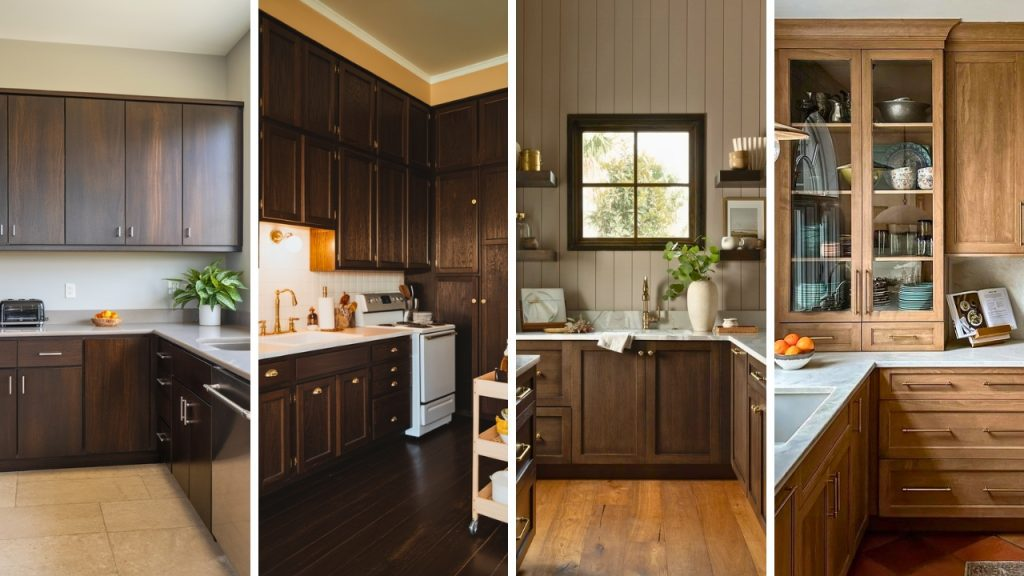
Custom Kitchen Cabinets
Custom kitchen cabinets are tailor-made to suit the specific needs of your clients. They offer full design flexibility, allowing you to create a unique style that fits perfectly into the kitchen layout. The downside is that custom cabinets are generally more expensive, and the manufacturing process may take longer.
Stock Kitchen Cabinets
Stock cabinets are pre-made and mass-produced. These cabinets are available in standard sizes, finishes, and styles, making them a more affordable option. However, they may not provide the exact specifications your clients need, which can limit their customization options.
Choosing the Right Option for Your Clients
When choosing between custom and stock cabinets, consider the specific needs of your clients. For those with a larger budget and specific design preferences, custom kitchen cabinets may be the best option. However, for those looking for a more economical solution, stock cabinets can provide value and quick installation.
Choosing the Right Materials: Wood, MDF, Plywood, and More
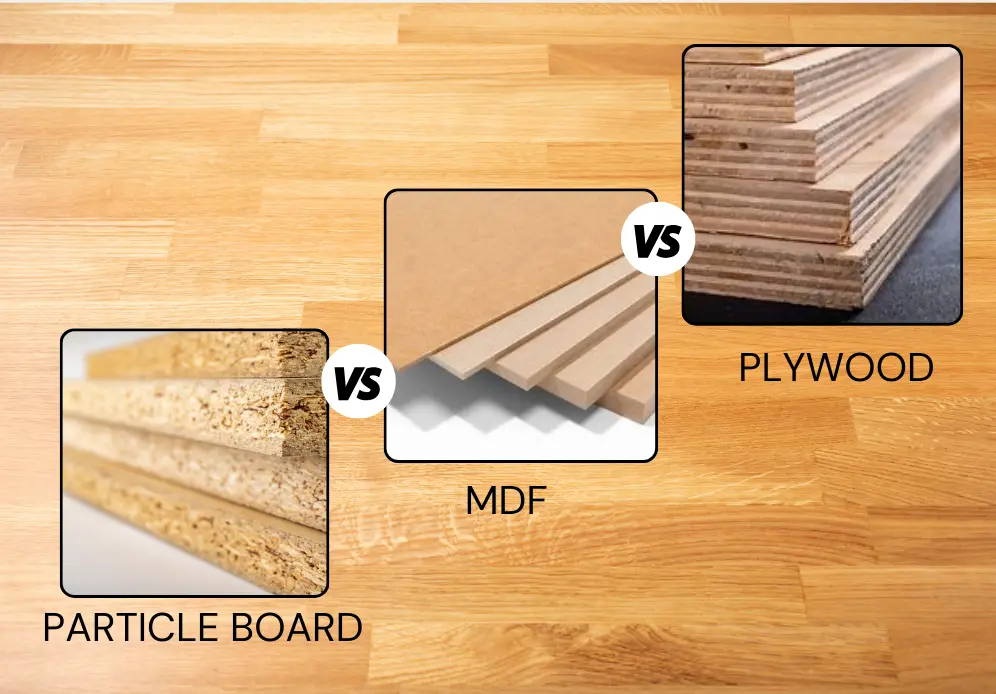
The material used for kitchen cabinets is critical for durability, aesthetic appeal, and cost. Some of the most popular materials include:
Wood
Solid wood offers timeless beauty and durability. However, it can be more expensive than other materials and may require more maintenance.
MDF (Medium Density Fiberboard)
MDF is an affordable option that provides a smooth surface for painting. It is less prone to warping than solid wood but is not as durable.
Plywood
Plywood is another popular choice for kitchen cabinets due to its strength and resistance to moisture. It’s often used in combination with veneers for a premium look at a reasonable price.
Other Materials
Other options like particleboard and laminate are also available. Particleboard is a more affordable choice. However, it is less durable than plywood or MDF.
Budget Control: High-End vs. Economical Kitchen Cabinets
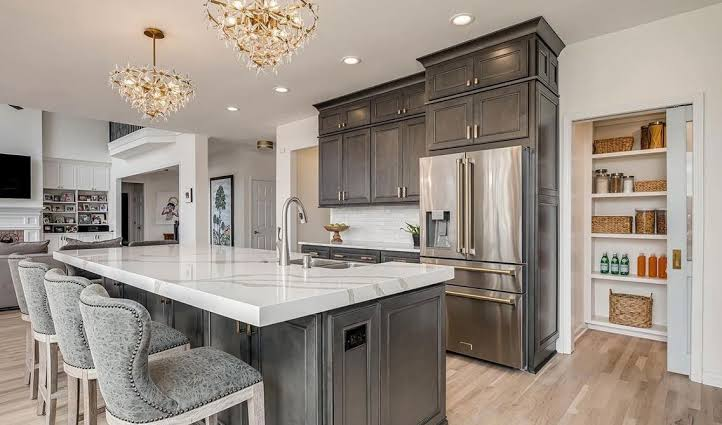
When it comes to selecting kitchen cabinets, balancing quality and cost is essential. For clients with higher budgets, high-end kitchen cabinets offer custom design and premium materials, ensuring longevity and enhanced kitchen aesthetics. Economical cabinets are ideal for clients with a tighter budget. They offer a variety of functional and stylish options. These options still provide excellent storage and durability.
High-End Kitchen Cabinets
High-end cabinets are often custom-built with luxurious materials like solid wood, fine veneers, and high-end finishes. These cabinets are perfect for upscale homes and offer unparalleled quality and customization.
Economical Kitchen Cabinets
Budget-friendly options typically use materials like MDF or plywood with affordable finishes. While they may not offer the same luxury, they still provide durability and functionality.
Selecting Cabinet Colors and Styles to Suit Your Clients’ Needs
Choosing the right kitchen cabinet colors and styles is crucial to meeting your client’s vision. Popular trends include:
Neutral Colors
Neutral colors like white, gray, and beige offer timeless appeal and flexibility in design. These colors complement various kitchen styles and make small spaces feel larger.
Bold Colors
For clients looking for something more striking, bold colors can add drama. Colors like navy blue, green, and black bring sophistication to the kitchen.
Wood Finishes
Wood finishes, such as oak, maple, and walnut, are classic choices that add warmth and natural beauty to the kitchen.
Maximizing Functionality: Storage Space and Cabinet Design
Storage is one of the most important aspects of kitchen cabinet design. The right cabinet layout can maximize space, making it easier for your clients to store and access their kitchen items.
Pull-Out Baskets and Drawers
Incorporating pull-out baskets and drawers into kitchen cabinets can simplify organizing items. It helps with organizing spices, utensils, and cleaning supplies.
Cabinet Dividers
Drawer dividers and shelf organizers help clients keep their kitchen tidy and ensure efficient use of cabinet space.
Essential Cabinet Features: Pull-Out Baskets, Drawer Dividers, and More
When choosing kitchen cabinets, consider incorporating essential features such as:
- Pull-out baskets for easy access to items at the back of cabinets
- Drawer dividers to keep utensils and cutlery organized
- Lazy Susans for corner cabinets to improve access to all kitchen essentials
- Built-in spice racks for easy storage of cooking spices
Balancing Cost and Quality: Making the Best Choice
When advising your clients on kitchen cabinets, it’s important to strike a balance between cost and quality. Offer a variety of options. These can range from high-end kitchen cabinets to more affordable stock cabinets. This approach ensures that you meet different needs. It also helps in keeping the project within budget.
Conclusion: How to Choose Kitchen Cabinets That Will Appeal to Your Clients
Selecting the right kitchen cabinets involves understanding the balance between design, materials, functionality, and budget. Consider your client’s needs and preferences. You can then help them create a kitchen space that is both beautiful and practical.
FAQ: Common Questions About Kitchen Cabinets
Q1: What are the best materials for durable kitchen cabinets?
A1: The most durable materials for kitchen cabinets are solid wood, plywood, and MDF. These materials provide excellent strength and resistance to moisture, which is important for a kitchen environment.
Q2: How can I choose the right cabinet style for my clients?
A2: Consider your client’s overall design vision, budget, and kitchen layout. For modern kitchens, sleek, minimalist designs work well, while traditional kitchens might benefit from classic wood finishes and ornate details.
Q3: What is the cost range for kitchen cabinets?
A3: The cost of kitchen cabinets varies widely based on material, style, and customization. Budget-friendly options may start at around $100 per linear foot. High-end custom cabinets can cost $500 or more per linear foot.
External Links
- The Best Kitchen Cabinet Materials for Durability
- How to Choose the Right Cabinet Color
- Top 10 Cabinet Features for Modern Kitchens
- Maximizing Storage in Small Kitchens
- Eco-Friendly Kitchen Cabinets: Green Materials and Practices