Table of Contents
- Why African importers need a stricter sourcing checklist
- The 6 most common buyer mistakes (and how to prevent them)
- The 20-point factory and sampling checklist (materials to packaging)
- How to build a kids bedroom furniture set that sells in Africa
- How to create a repeatable “series” for higher reorder rates
- Quotation fields you must confirm before paying a deposit
- Packaging and container loading tips for long-distance African logistics
- Supplier evaluation: OEM/ODM capability and after-sales readiness
- FAQ (with FAQ Schema-ready Q&A)
- About the manufacturer and next steps (CTA)
Kids Bedroom Furniture Sets Sourcing Checklist for Importers (Africa Market)
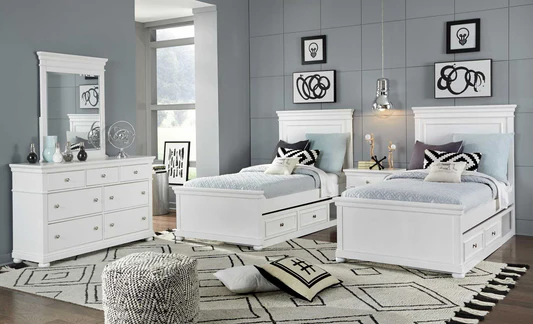
Importing kids bedroom furniture sets into Africa can be highly profitable. This is true only if you control three things from day one: quality consistency, packaging survival, and repeatable specification. Many importers focus on headline price. They end up paying later through damaged cartons, missing hardware, unstable structures, color variation, and slow after-sales support.
This guide is written for industry buyers. These include African importers, wholesalers, distributors, retailers, and project contractors. They source kids furniture from overseas panel furniture factories. You’ll receive a practical framework. It includes common pitfalls. You’ll also find a 20-point inspection and sampling checklist. There are set-combination strategies that sell. Lastly, it outlines the exact quotation fields you should lock before placing bulk orders.
If you are building a stable supply chain for kids furniture set SKUs, this checklist will help you reduce risk. It includes beds, wardrobes, study desks, and storage units. It will also increase the reorder rate. This is crucial especially for long-haul routes and inland delivery across African markets.
Internal reference for product categories: https://plywoodmfr.com/kids-room-furniture/
Why African importers need a stricter sourcing checklist
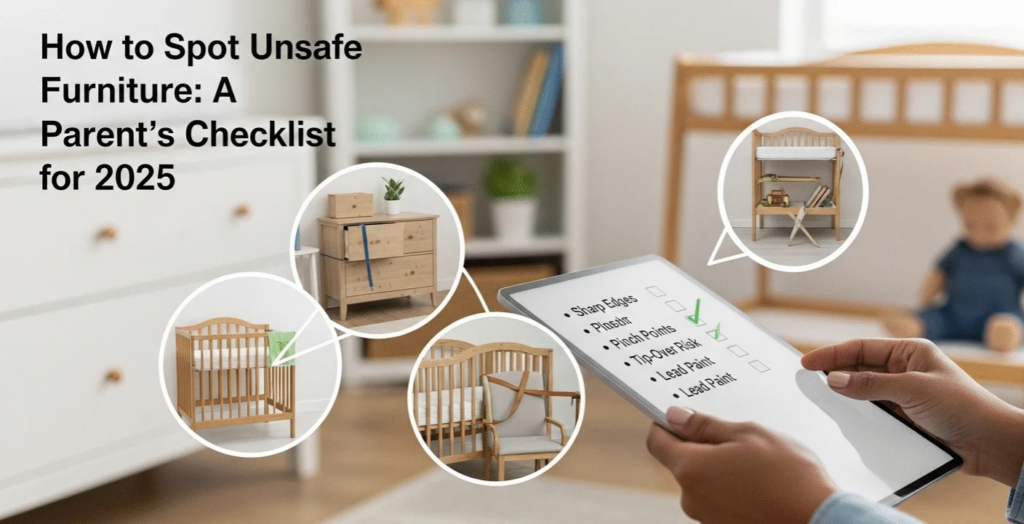
African distribution often involves longer logistics chains. It goes through several stages such as sea freight, port handling, bonded warehousing, inland trucking, and finally retail delivery. Each transfer point poses a risk. It increases the chance of carton damage and hardware loss. Therefore, flat pack (RTA) kids furniture must be sourced with a packaging-first mindset, not just a design-first mindset.
Also, many African markets are value-driven: customers want a strong look, practical storage, and durability at a competitive price. That makes it essential to define:
- Which components can be optimized for cost (without hurting safety)
- Which components must not be downgraded (structure, hardware, edge banding, packaging)
A clear checklist turns sourcing from “trial and error” into a repeatable procurement system.
The 6 most common buyer mistakes (and how to prevent them)
1) Size mismatch with local room layouts and mattress standards
Problem: A bed frame designed around one mattress size causes returns when the local market uses different mattress dimensions.
Prevention: Confirm mattress compatibility early (length, width, thickness) and standardize your top-selling dimensions for your region.
2) Loose structure after assembly (wobbly beds, unstable wardrobes)
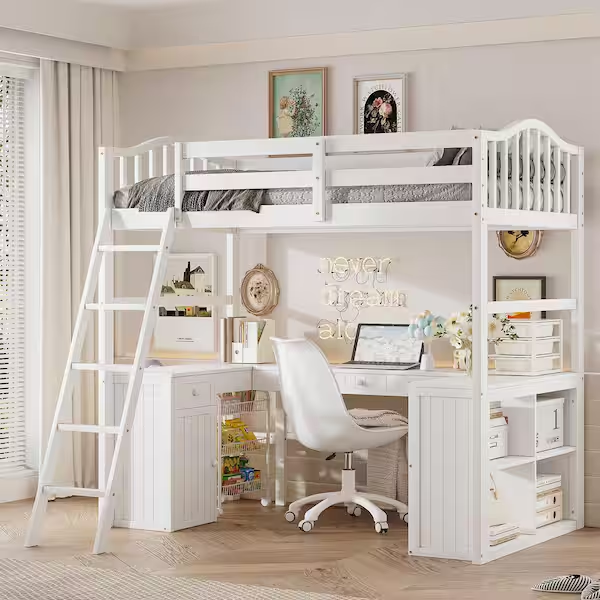
Problem: Weak joint design, low board density, or insufficient reinforcement leads to instability.
Prevention: Demand a clear structure drawing and load-bearing plan, and require a sample assembly test.
3) Packaging damage in transit
Problem: Corners crush, boards scratch, drawer fronts crack, or cartons burst at port/inland handling.
Prevention: Choose export-grade cartons, corner protection, internal separation, and optional drop-test packaging for key SKUs.
4) Color variation across production batches
Problem: “Same color name” doesn’t mean same tone. Your reorders look different on the shop floor.
Prevention: Lock color by sample board code, surface supplier, and batch control. Keep “color approval standard” on file.
5) Unstable hardware (slides, hinges, cam locks)
Problem: Cheap slides jam, hinges loosen, handles break—creating after-sales cost.
Prevention: Define hardware grade and brand/spec level. Keep spare parts policy.
6) Unclear instructions leading to returns and bad reviews
Problem: Missing steps, unclear diagrams, or unlabelled panels increase assembly time and errors.
Prevention: Require panel labeling, clear assembly manual, and hardware pack separation.
The 20-point factory and sampling checklist (materials to packaging)
Use this as your RFQ + sample approval checklist. Don’t rely on verbal promises—turn each point into a line item in your specification sheet.
A. Materials and board construction (Points 1–5)
- Board type confirmed: MDF / plywood / particle board (by component: bed side rails vs cabinet panels).
- Board thickness confirmed: list thickness for each part (top, side panel, shelves, drawer bottom).
- Moisture and warp control: confirm moisture range and anti-warp measures for long panels.
- Edge banding specification: thickness, adhesive type, and edge sealing quality (critical for durability).
- Surface finish: melamine / UV high gloss / matte / PVC / veneer / lacquer—confirm scratch resistance target.
B. Safety and structure for kids furniture (Points 6–10)
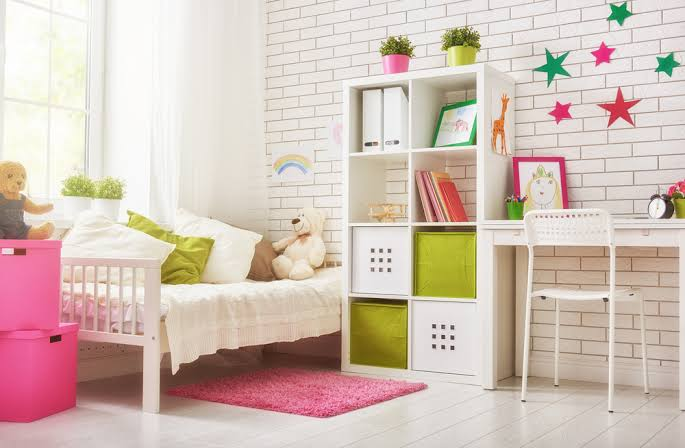
- Rounded edges or safety corners for kids contact areas.
- Bed guardrail height and ladder safety (for bunk/loft beds).
- Load-bearing test requirement: define minimum load and acceptable deflection.
- Anti-tip wall fixing kit included for wardrobes/tall storage cabinets.
- No pinch-risk structure: check drawer clearance and door hinge safety.
C. Hardware and functional performance (Points 11–14)
- Drawer slide type: standard vs soft-close; confirm length, thickness, load rating.
- Hinges: standard vs soft-close; verify cycle durability expectations.
- Fasteners and connectors: cam locks, dowels, screws—confirm corrosion resistance.
- Spare parts policy: percentage of extra hardware per carton or per order.
D. Craftsmanship and visual consistency (Points 15–17)
- Color standard control: approved sample board + lighting standard for inspection.
- Panel alignment: drawer gaps, door gaps, and front alignment tolerance.
- Surface defect limits: define acceptable scratch, bubble, and edge chip tolerance.
E. Packaging, labeling, and export readiness (Points 18–20)
- Carton strength: specify carton grade and reinforcement at corners and long edges.
- Internal protection: foam/EPE/corner protectors + board separation to prevent rubbing damage.
- RTA assembly readiness: panel codes, hardware separation, manual language (English/French/Arabic as needed), barcode/SKU labels.
Buyer tip for Africa: If inland trucking is rough, upgrade packaging on your “high damage risk” pieces first. Begin with long side panels. Continue with glossy drawer fronts and marble-look tops.
How to build a kids bedroom furniture set that sells in Africa
A profitable kids bedroom furniture set is not just “bed + wardrobe.” It’s a combination that matches real customer needs: storage, study, and space efficiency.
The 3 highest-demand set logic options
Option 1: Entry-level value set (fast turnover)
- Kids bed (simple headboard)
- 1 nightstand OR small storage cabinet
- Optional add-on: toy storage unit
Why it sells: affordable bundle, easy to stock, good for first-time parents and budget-driven customers.
Option 2: Storage-focused set (higher margin)
- Kids storage bed (drawers) OR bed with under-bed storage
- Wardrobe with practical internal layout
- Bookcase or storage shelf
Why it sells: “more function per dollar,” fewer extra cabinets needed later.
Option 3: Study + sleep set (strong for school-age segment)
- Loft bed with desk OR separate bed + study desk
- Bookshelf / wall shelf storage
- Wardrobe (compact)
Why it sells: parents want study space; retailers can upsell accessories.
Product selection rules that reduce returns
- Avoid overly complex structures for entry-level channels.
- For glossy surfaces, enforce higher packaging standards.
- For tall wardrobes, always include anti-tip kit and stable base design.
How to create a repeatable “series” for higher reorder rates
African wholesalers win when they control consistency. A “series” helps you reorder without “new sampling pain” each time.
Series building checklist
- Unified color system: 2–3 core colors that match most interior styles (white, grey, wood tone)
- Unified handles: keep the same handle family across the set
- Unified edge banding and surface supplier: reduces batch variation
- Shared component strategy: same drawer box design, same slide spec, same back panel thickness
- Modular upsell SKUs: storage cabinet, bookshelf, toy organizer, wall shelf
Why series increases buyer confidence
Retailers are more willing to stock deeper inventory when they know reorders will match the existing shop display. That directly increases your annual volume.
Quotation fields you must confirm before paying a deposit
Many disputes come from vague quotations. Your RFQ and PI should clearly include:
- Exact dimensions (L×W×H), plus tolerance
- Board material (MDF/plywood/particle board) by component
- Board thickness list per part
- Surface finish (melamine/UV high gloss/matte/PVC/veneer/lacquer)
- Color code and approved sample reference
- Hardware specification (slides, hinges, connectors)
- Packing method (flat pack/RTA), carton grade, protection materials
- Carton size and GW/NW, CBM per set
- Loading quantity: sets per 20GP/40HQ (or estimated)
- Spare parts quantity and warranty policy
- Lead time (sample and mass production)
- Payment terms (T/T, L/C) and inspection terms
For many African importers, container efficiency is profit. Make sure the supplier provides a realistic loading plan based on carton dimensions—especially for mixed SKUs.
Packaging and container loading tips for long-distance African logistics
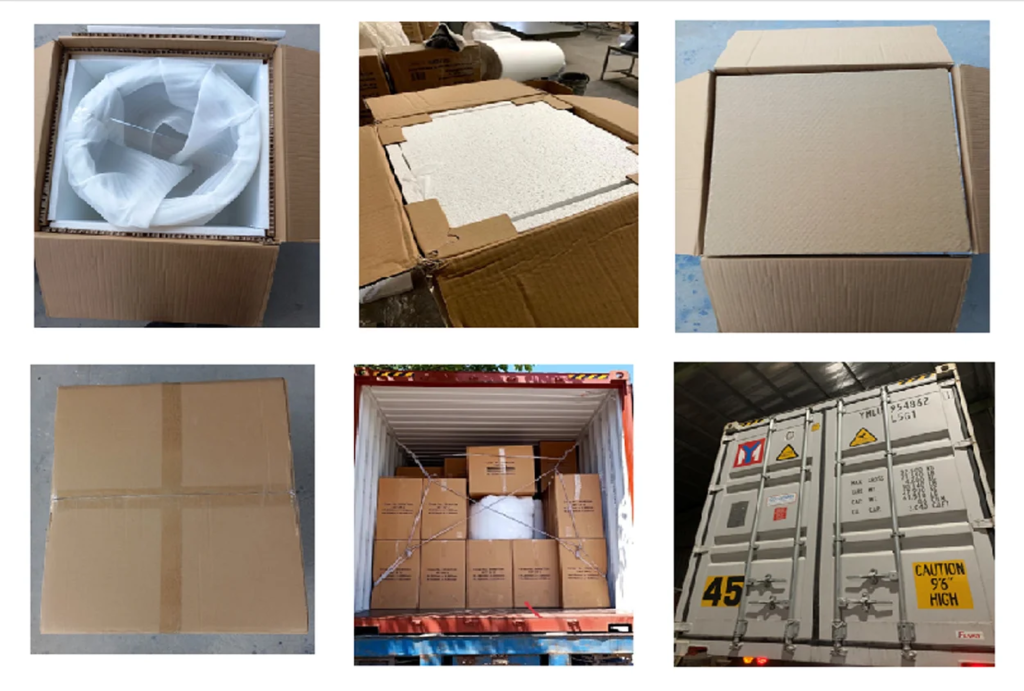
Practical packaging upgrades (high ROI)
- Add corner protectors for glossy or marble-effect panels
- Separate long boards with paperboard or foam strips
- Use double-wall cartons for heavy pieces
- Include a clearly sealed hardware box that doesn’t burst open
Container strategy tips
- Standardize carton footprints where possible (helps stacking stability)
- Use “set-by-set” packing logic to reduce missing parts
- Consider “mixed loading plan” if your distribution requires multiple SKUs per container
Supplier evaluation for Africa: OEM/ODM and after-sales readiness
A good factory for kids furniture should not only produce—it should support your business model.
Questions to ask (and why they matter)
- Can you customize dimensions without redesigning everything? (ODM flexibility)
- Do you provide labeled panels and multi-language manuals? (reduces assembly errors)
- What is your spare parts policy and response time? (keeps distributors confident)
- Do you offer packaging upgrades for rough routes? (reduces damage claims)
- Can you supply matching living room or storage lines? (helps expand your catalog)
Useful industry resources (authoritative external links)
You can reference these organizations and platforms when building your compliance narrative, sustainability story, and global buyer credibility:
- ISO (quality management and standards): https://www.iso.org/
- FSC (responsible forestry): https://fsc.org/
- GREENGUARD (indoor air quality reference): https://greenguard.org/
- Alibaba B2B marketplace (industry reference): https://www.alibaba.com/
- Made in China B2B platform (industry reference): https://www.made-in-china.com/
- GlobalSources B2B marketplace: https://www.globalsources.com/
- Thomasnet supplier directory: https://www.thomasnet.com/
- Europages directory: https://www.europages.co.uk/
Frequently Asked Questions (FAQ)
Q1: What are the most important points when importing kids bedroom furniture sets into Africa?
A: Focus on structure stability, export-grade packaging, consistent color control, hardware grade, and clear assembly manuals. These reduce damage and returns.
Q2: Should African importers buy kids furniture as sets or as single items?
A: Sets usually improve average order value and simplify retail display. Single items are better for low-cashflow channels. Many importers stock a core set and add modular storage SKUs.
Q3: What material is best for kids furniture—plywood, MDF, or particle board?
A: It depends on budget and product type. Plywood is strong for structural components. MDF is great for smooth finishing. Particle board can work for value ranges if the design and edge sealing are controlled.
Q4: How can I reduce carton damage and missing parts claims?
A: Upgrade corner protection. Separate glossy panels. Use stronger cartons for heavy items. Require set-by-set packing with a sealed hardware box and clear labeling.
Q5: What should be included in an OEM quotation for kids furniture?
A: Dimensions, board type and thickness, surface finish, and color reference. Also, hardware spec, packing method, and carton grade. Additionally, CBM and loading quantity, lead time, spare parts policy, and payment terms.
Q6: Can a factory support my private label brand for Africa?
A: Yes, if they offer OEM/ODM services. These include logo cartons, barcode/SKU labels, and custom manuals. They must also ensure consistent color/hardware standards across reorders.
FAQ Schema Ready Format
- What are the most important points when importing kids bedroom furniture sets into Africa?
Answer: Focus on structure stability. Ensure export-grade packaging. Maintain consistent color control and hardware grade. Provide clear assembly manuals to reduce damage and returns. - Should African importers buy kids furniture as sets or as single items?
Answer: Sets usually increase order value and simplify retail display, while single items suit lower-budget channels. Many importers combine both. - What material is best for kids furniture plywood MDF or particle board?
Answer: Plywood is strong for structural parts. MDF is good for smooth finishes. Particle board can suit value ranges if edge sealing and design are controlled. - How can I reduce carton damage and missing parts claims?
Answer: Upgrade corner protection. Separate glossy panels. Use stronger cartons for heavy items. Require sealed hardware packs with clear labeling. - What should be included in an OEM quotation for kids furniture?
Answer: Include dimensions, materials, and thickness. Specify the finish and color reference. Provide hardware specifications and packaging details. Mention CBM and loading quantity. State the lead time, spare parts policy, and payment terms.
About the Manufacturer (B2B CTA)
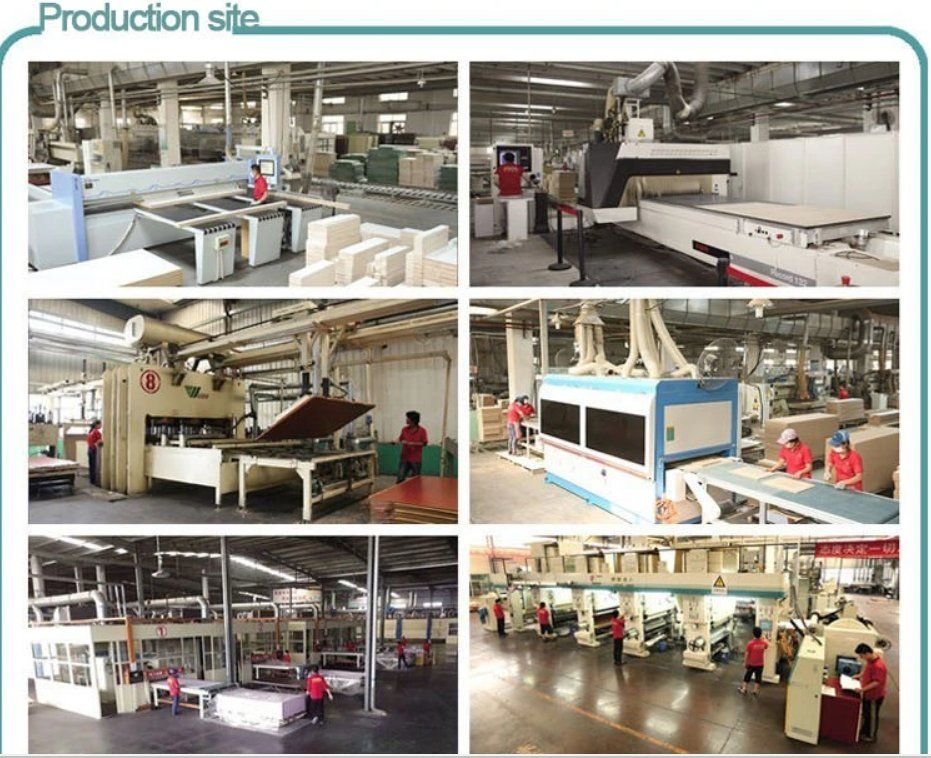
We are a panel furniture export manufacturer. We supply kids room furniture such as kids beds, loft beds, wardrobes, study desks, and storage cabinets. We support OEM/ODM, flat pack packaging, export labeling, and stable bulk production for importers and distributors.
For a fast quotation and product recommendation list for African markets, request:
- Kids bedroom set quotation template
- Best-selling dimensions by segment
- Container loading plan suggestions
- Packaging upgrade options for long-distance routes
Company website for reference: https://plywoodmfr.com/
Call to Action
Hello, I am sourcing kids bedroom furniture sets for the Africa market. Please quote based on:
- Target products: bed wardrobe desk storage cabinet (choose)
- Preferred material: MDF plywood particle board
- Finish: melamine UV high gloss matte
- Color: white grey wood tone
- Quantity: ___ sets
- Packing: RTA flat pack standard or reinforced
- Destination country and port: ___
Please send price MOQ lead time CBM loading quantity and catalog.