How to Choose an OEM Kids Furniture Manufacturer for the US Market: A Practical Buyer’s Guide
Introduction: Why OEM Kids Furniture Matters in the US Market
The US market is one of the most regulated and competitive destinations for furniture for kids. For importers, private label brands, and large-scale buyers, success is no longer about finding the lowest price. It is about choosing the right OEM kids furniture manufacturer who can meet strict safety standards. This manufacturer should deliver consistent quality and support long-term growth.
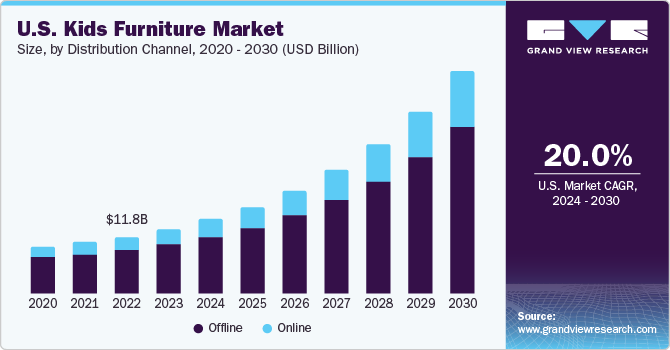
In recent years, US buyers sourcing kids room furniture have become more professional, data-driven, and compliance-focused. Whether you are supplying Amazon, Wayfair, or Walmart, your factory partner plays a decisive role. The same goes for project-based customers such as apartments and student housing.
This guide explains how US buyers evaluate OEM and private label kids furniture suppliers. It outlines what truly differentiates a reliable kids furniture manufacturer in China from a risky one.
Table of Contents
- What US Buyers Expect from an OEM Kids Furniture Manufacturer
- Understanding Private Label Kids Furniture in the USA
- Mandatory Safety Standards for the US Market
- Materials & Compliance: What Cannot Go Wrong
- Flat Pack Design & Logistics Advantages
- OEM Design & Customization Capability
- Factory Audit & Quality Control Systems
- OEM Kids Furniture for Projects & Contract Supply
- Common Mistakes US Buyers Should Avoid
- How to Build a Long-Term OEM Partnership
- FAQ – OEM Kids Furniture for USA Buyers
1. What US Buyers Expect from an OEM Kids Furniture Manufacturer
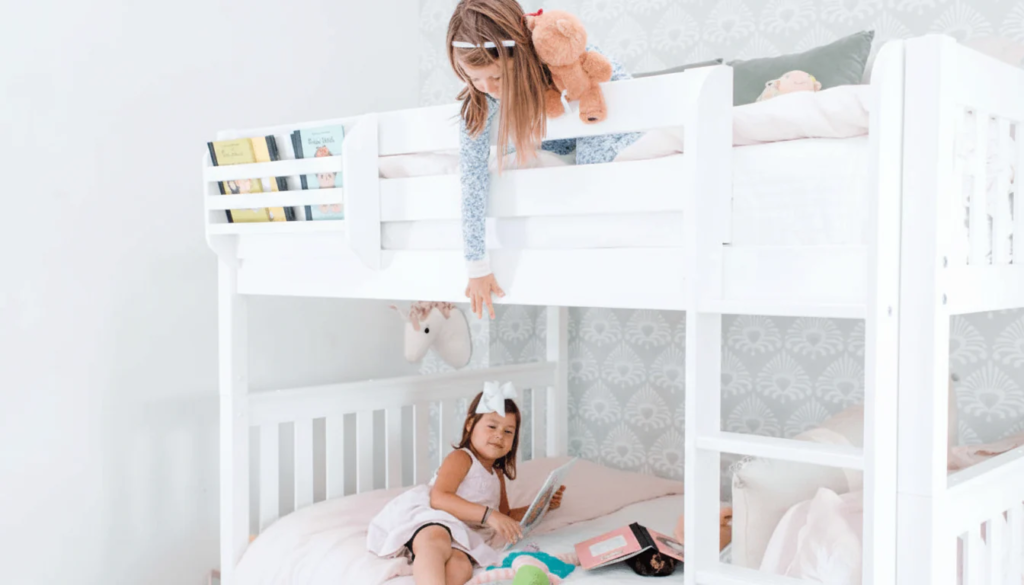
US buyers sourcing kids room furniture expect much more than basic production.
A qualified OEM kids furniture supplier must demonstrate:
- Clear understanding of US safety regulations
- Stable panel furniture manufacturing capability
- Consistent quality across bulk orders
- Transparent communication and documentation
- Scalability for future growth
Unlike short-term trading, OEM cooperation is a long-term manufacturing partnership. Buyers are investing not only in products, but also in supply chain reliability.
2. Understanding Private Label Kids Furniture in the USA
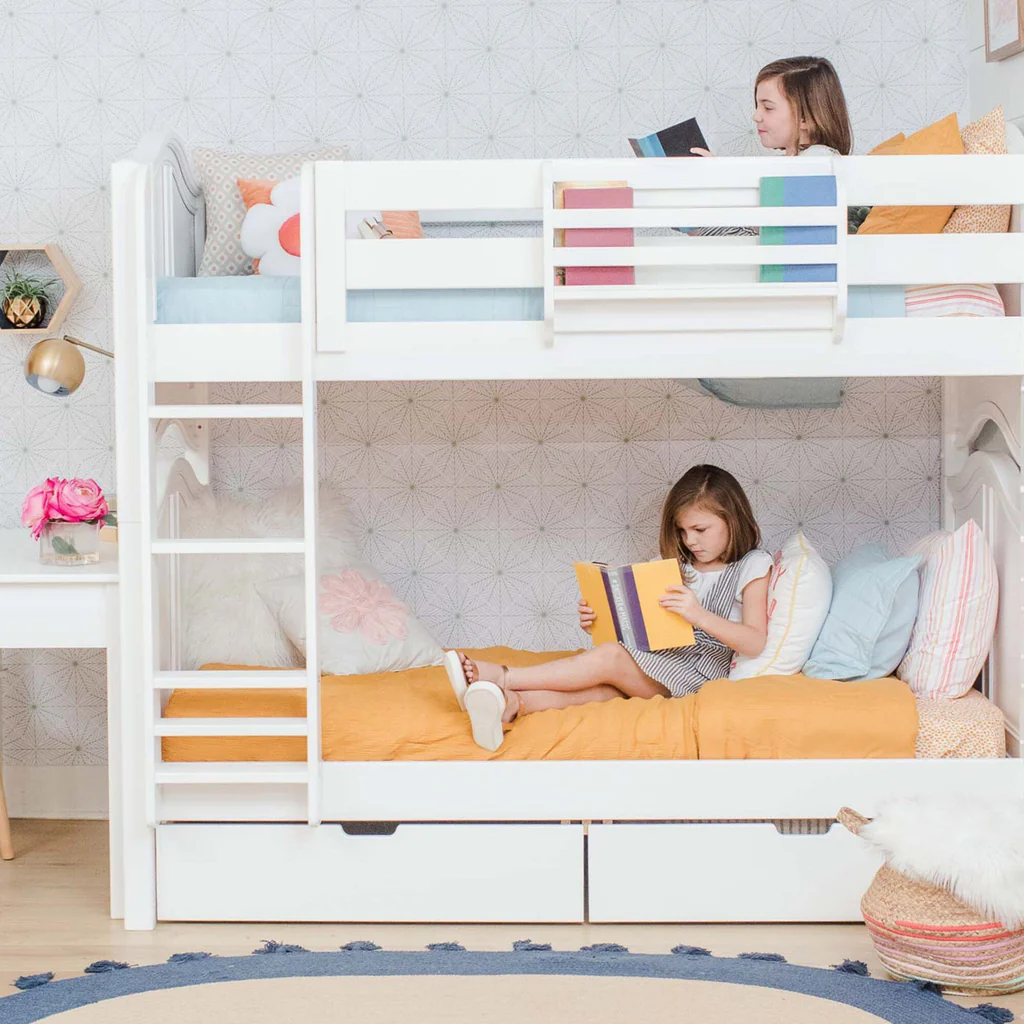
Private label has become a dominant business model in the US kids furniture segment.
Why US brands prefer private label:
- Full control over branding and pricing
- Differentiation from mass-market competitors
- Stronger customer loyalty
- Higher margins
For manufacturers, private label production requires strong OEM system management, including:
- Brand-specific SKUs
- Consistent color & finish control
- Custom packaging with US labeling
- Stable lead times
A professional kids furniture manufacturer China for USA market understands that private label success depends on consistency—not just customization.
3. Mandatory Safety Standards for the US Market
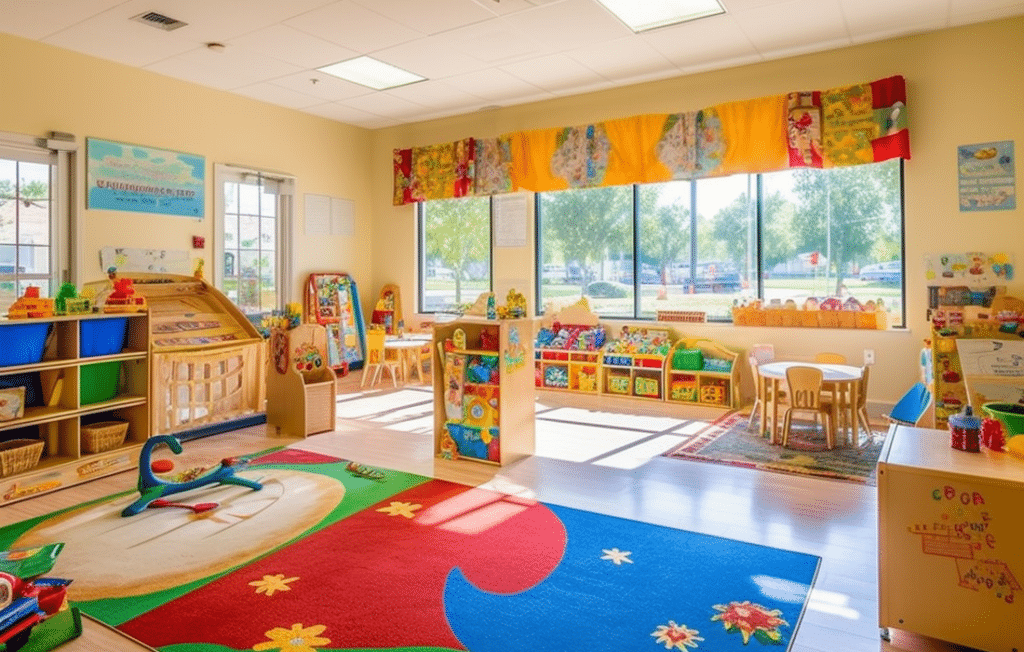
Safety compliance is the first screening filter for US buyers of furniture for kids.
Core US standards include:
- CPSC guidelines for children’s products
- ASTM F2057 (anti-tip and stability)
- ASTM F3096 / F1821 (bunk beds & children furniture)
- CARB P2 / TSCA Title VI for formaldehyde emissions
Failure to comply may result in shipment rejection, recalls, or legal liability.
Authoritative references US buyers trust:
- U.S. Consumer Product Safety Commission (CPSC)
https://www.cpsc.gov - ASTM International
https://www.astm.org - U.S. EPA – TSCA Title VI
https://www.epa.gov
A qualified OEM supplier should proactively provide test reports, not wait for buyers to request them.
4. Materials & Compliance: What Cannot Go Wrong
For kids room furniture, materials are directly linked to safety and brand reputation.
US buyers typically require:
- CARB P2 or TSCA Title VI compliant panels
- E0 / low-emission engineered boards
- Non-toxic, water-based coatings
- Smooth edges and child-safe hardware
Using uncertified materials may reduce cost short-term but creates long-term risk.
Professional OEM manufacturers work only with traceable, audited material suppliers, ensuring compliance consistency across all orders.
5. Flat Pack Design & Logistics Advantages
For the US market, flat pack kids furniture is no longer optional—it is expected.
Why flat pack dominates:
- Lower ocean freight and inland shipping costs
- Better container utilization
- Reduced warehouse storage cost
- Easier last-mile delivery
Panel furniture manufacturers with mature flat pack systems design products specifically for KD (knock-down) efficiency, without compromising strength or safety.
This is especially important for e-commerce and national distribution networks in the USA.
6. OEM Design & Customization Capability
US buyers evaluate OEM suppliers based on engineering capability, not just aesthetics.
Key OEM design support includes:
- CAD drawings for approval
- Structural optimization for flat pack
- Load-bearing and stability testing
- Custom dimensions for US homes
A strong OEM kids furniture supplier serves as a technical partner. They help buyers adapt products for the US market. This approach is preferred over simply copying designs.
7. Factory Audit & Quality Control Systems
Serious US buyers always conduct factory audits before placing OEM orders.
What buyers look for:
- ISO-aligned quality control procedures
- Incoming material inspection
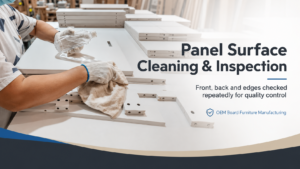
- In-process quality checkpoints
- Final inspection before shipment
- Third-party inspection support (SGS / BV / TUV)
Factories supplying kids furniture for the USA must be audit-ready at all times.
8. OEM Kids Furniture for Projects & Contract Supply
Beyond retail, OEM demand is growing in:
- Apartment developments
- Student housing projects
- Family hotels & serviced residences
These buyers value:
- Product standardization
- High durability
- Batch consistency
- Long-term replenishment ability
An experienced OEM kids furniture manufacturer can support both retail SKUs and contract projects without compromising quality.
9. Common Mistakes US Buyers Should Avoid
US buyers sourcing kids furniture from overseas often fail due to:
- Choosing price over compliance
- Ignoring packaging & logistics design
- Lack of clear OEM specifications
- No long-term supply agreement
Successful buyers treat factory selection as risk management, not just procurement.
10. How to Build a Long-Term OEM Partnership
A sustainable OEM relationship is built on:
- Clear technical specifications
- Transparent cost structure
- Regular quality communication
- Mutual understanding of the US market
For manufacturers, long-term OEM clients are more valuable than short-term orders. For buyers, a stable factory partner reduces risk and improves scalability.
FAQ – OEM Kids Furniture for USA Buyers
Q1: Is OEM kids furniture from China acceptable in the US?
Yes, as long as it fully complies with CPSC, ASTM, and TSCA Title VI standards.
Q2: What is the advantage of private label kids furniture?
Private label allows US brands to control pricing, branding, and differentiation.
Q3: Why is flat pack design important for the US?
It significantly reduces logistics cost and supports e-commerce distribution.
Conclusion: Choosing the Right OEM Partner for the US Market
For US buyers, choosing an OEM kids furniture manufacturer is a strategic decision. This choice affects brand safety. It also impacts the cost structure and long-term growth.
By focusing on compliance, flat pack engineering, material safety, and factory reliability, buyers can enhance their supply chain. This approach helps in building resilience in the competitive US kids furniture market.
About us
Starwood Industry Co., Ltd. (plywoodmfr.com) is a professional flat-pack furniture manufacturer located in Jiangmen, Guangdong, China since 2012. We specialize in OEM and ODM ready-to-assemble (RTA) panel furniture. Our materials include MDF, plywood, particle board, and melamine boards. These are used for modern homes and commercial projects. Our main product ranges cover bedroom sets, wardrobes, and closets. We also offer living room TV units and storage. Additionally, we provide dining room furniture. Kitchen cabinets, bathroom vanities, kids’ furniture, and home office solutions are also included.
We utilize advanced production lines, CNC machining, and automatic edge-banding. This allows us to control quality and cost from raw material cutting to final packing. An experienced engineering and QC team follows every order. They ensure a stable structure. They also guarantee clean finishing and safe export packaging. Flexible MOQ, mixed containers and customized packaging are available to support new collections, private-label programs and trial orders.
We work closely with furniture brands, wholesalers, importers, e-commerce sellers, interior designers, and real estate developers. Our collaboration helps turn design ideas into finished products. From CAD drawing, sampling and color matching to mass production, flat-pack packaging and logistics coordination, Starwood provides a one-stop solution. Our furniture is exported to the USA, Europe, the UK, Australia, the Middle East, and other markets. This helps our partners offer stylish, space-saving, and affordable furniture to their customers.