ODM Living Room Furniture vs OEM: Which Is Better for Brands?
When a furniture brand, importer, wholesaler, hotel buyer, or apartment project contractor plans a new living room furniture program, one important decision appears early: should you choose ODM living room furniture or OEM manufacturing?
Both routes can work well. The better choice depends on your design resources, target market, order quantity, time schedule, budget, branding plan, and risk tolerance. For some buyers, ODM is the faster and more cost-effective way to launch a coordinated range of TV stands, coffee tables, sideboards, storage cabinets, wall units, and small-space living room furniture. For others, OEM is the right option because they already have their own drawings, dimensions, construction standards, and brand identity.
This guide explains the difference between ODM and OEM living room furniture in practical B2B terms. It is written for industry buyers who care about engineering, cost control, materials, MOQ, lead time, packaging, customization, and long-term supply stability.
If you are developing a new branded furniture manufacturing program, sourcing for hotel or apartment projects, or comparing OEM vs ODM furniture suppliers, this guide will help you choose the right route before you start sampling.
Table of Contents
- What Is ODM Living Room Furniture?
- What Is OEM Living Room Furniture?
- ODM vs OEM Living Room Furniture: Main Difference
- Which Model Is Better for Your Brand?
- Best Application Scenarios for ODM Living Room Furniture
- Best Application Scenarios for OEM Living Room Furniture
- Materials for Living Room Panel Furniture
- MOQ, Lead Time, and Cost Control
- Packaging and Export Requirements
- Customization Process from Brief to Shipment
- Quality Control Checklist for B2B Buyers
- How to Choose the Right Furniture Factory
- Final Recommendation
- FAQ
What Is ODM Living Room Furniture?
ODM means Original Design Manufacturing. In a furniture sourcing context, ODM living room furniture means the factory can support product development based on market demand, room size, function, materials, target price, and buyer branding needs.
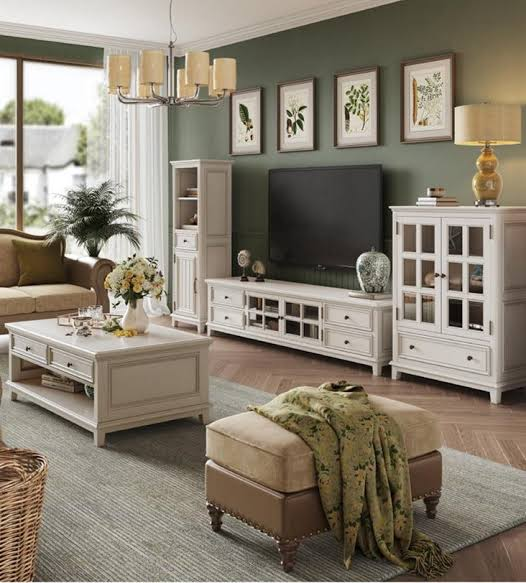
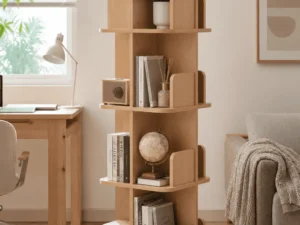
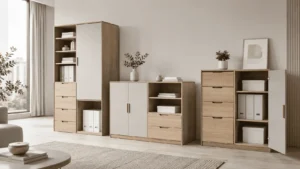
Instead of starting from a completely blank drawing, the buyer can work with the manufacturer’s existing design direction, engineering experience, production structure, and category knowledge. The factory may already understand practical panel furniture structures such as TV stands, sideboards, coffee tables, display cabinets, wall-mounted storage, shoe cabinets, bookcases, and multifunction storage units.
For many B2B buyers, ODM living room furniture is useful because it can reduce development time. You can select a design direction, adjust dimensions, choose materials, change colors, modify storage details, add private-label packaging, and build a collection that fits your market.
For example, an importer may want a modern oak-color TV stand series for European apartments. A hotel procurement team may need durable living room storage cabinets for serviced apartments. A distributor may want a flat-pack sideboard collection with different sizes and coordinated finishes. In these cases, ODM can help the buyer move from market idea to sample faster than building every detail from zero.
A professional ODM factory should not simply provide a catalogue. It should help buyers review structure, optimize material use, improve flat-pack logic, control cost, prepare samples, manage packaging, and support bulk production.
For a factory-side overview of this type of support, you can review Starwood’s OEM & ODM furniture manufacturing services, which explain how a source factory can support product development, sampling, bulk production, quality control, export packing, and shipment support.
What Is OEM Living Room Furniture?
OEM means Original Equipment Manufacturing. In furniture manufacturing, OEM usually means the buyer provides the design, and the factory produces according to the buyer’s specifications.
OEM living room furniture is suitable when you already have product drawings, CAD files, 3D renderings, samples, BOM details, materials, finish codes, hardware requirements, packaging standards, and brand specifications. The factory’s role is to turn your existing design into stable production.
OEM is common for established furniture brands, retailers, and project contractors who already have a clear product concept. For example, a brand may already have a bestselling TV cabinet design and wants a reliable factory to produce it at scale. A project buyer may already have furniture drawings approved by the architect or interior designer. A hotel group may need the manufacturer to follow strict size, finish, installation, and durability requirements.
In OEM production, the buyer usually controls more details. That can be a strong advantage, but it also requires more preparation. If drawings are incomplete, material specifications are unclear, or packaging requirements are not defined, the project may face delays during quotation, sampling, or production.
OEM is best when the buyer wants a high level of design ownership and has the internal team to manage technical details.
ODM vs OEM Living Room Furniture: Main Difference
The easiest way to compare OEM vs ODM furniture is to ask one question: who leads the product design and development?
With ODM, the factory supports more of the development process. With OEM, the buyer controls more of the design and technical specification.
| Comparison Point | ODM Living Room Furniture | OEM Living Room Furniture |
|---|---|---|
| Product idea | Buyer gives market direction; factory supports development | Buyer provides finished design or sample |
| Speed to sample | Usually faster | Depends on drawing quality and complexity |
| Design ownership | Shared development direction; can be customized | Buyer has stronger design ownership |
| Best for | New product lines, market testing, coordinated collections | Established designs, strict brand standards, project drawings |
| Engineering support | Factory helps optimize structure, cost, and packaging | Factory follows buyer’s technical requirements |
| MOQ flexibility | Often suitable for test orders or mixed programs | Usually depends on custom molds, materials, and complexity |
| Cost control | Factory can suggest cost-effective structures | Buyer controls specification; cost depends on design |
| Branding | Private label, carton marks, instruction manuals, finish options | Full brand specification and technical control |
| Risk level | Lower development burden for buyer | Higher responsibility on buyer’s technical preparation |
For buyers who want to launch quickly, ODM is usually easier. For buyers who need exact product identity and full control, OEM is usually better.
Which Model Is Better for Your Brand?
There is no single answer. The better model depends on your business stage.
Choose ODM living room furniture if you are building a new category, testing a market, entering a new country, or developing a coordinated product line. ODM gives you more factory support in structure, materials, finishes, packaging, and cost optimization.
Choose OEM living room furniture if you already have a mature design, clear drawings, brand standards, or project specifications. OEM gives you stronger control over design details and product identity.
For importers and wholesalers, ODM can help reduce the workload of product development. You can ask the factory for practical suggestions based on apartment size, furniture usage, loading efficiency, and target retail price.
For furniture brands, OEM may be necessary when product design is already part of the brand’s competitive advantage. However, even brand buyers often use ODM support for collection extension, small-space furniture, secondary ranges, or regional market adaptation.
For hotel and apartment projects, the decision depends on whether the project already has approved drawings. If yes, OEM is a natural route. If the buyer only has room layouts, budget targets, and style references, ODM can help develop a practical furniture package.
Best Application Scenarios for ODM Living Room Furniture
ODM living room furniture is especially useful when buyers need speed, flexibility, and practical product development support.
1. Apartment and Rental Housing Projects
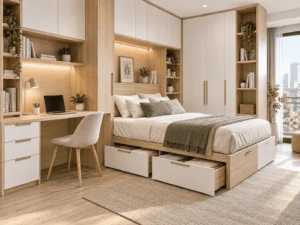
Apartments often require compact, durable, easy-to-install furniture. The living room area may be small, so furniture needs to combine storage, display, and daily use. ODM can help create TV stands, wall storage, side cabinets, nesting coffee tables, and multifunction storage units that fit limited floor space.
For rental housing, buyers also care about cost, durability, replacement parts, and repeat orders. ODM allows the factory to recommend panel thickness, surface finish, hardware, and KD structure based on actual project use.
2. Hotel and Serviced Apartment Furniture
Hotels and serviced apartments require furniture that looks good, installs efficiently, and performs well under frequent use. ODM living room furniture can be developed around the buyer’s style direction, such as modern, minimalist, warm wood, matte white, walnut, or dark commercial finishes.
The factory can also help coordinate TV units, luggage benches, coffee tables, entry cabinets, wardrobes, and storage cabinets across the project. This improves visual consistency and simplifies procurement.
3. Importer and Distributor Product Lines
Importers and distributors often need a complete range, not just one product. ODM is useful for creating a living room collection with matching finishes and different price levels.
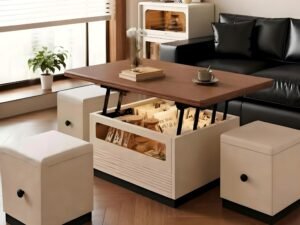
For example, one collection may include a 1200 mm TV stand, 1600 mm TV stand, lift-top coffee table, sideboard, bookcase, and wall shelf. A factory with ODM capability can help build a coordinated product program that fits container loading and wholesale sales.
4. E-Commerce and Flat-Pack Furniture
E-commerce buyers need flat-pack furniture that is easy to ship, easy to assemble, and attractive in product photos. ODM support can help optimize the product for carton size, hardware packaging, assembly steps, and return-risk reduction.
For online channels, packaging is not a small detail. It directly affects damage rate, customer reviews, logistics cost, and after-sales workload.
5. New Market Testing
If you are entering a new market, ODM can lower development risk. Instead of investing heavily in full custom design at the beginning, you can start with a factory-supported design, adjust the finish and dimensions, test demand, and then expand the collection after sales data becomes clear.
Best Application Scenarios for OEM Living Room Furniture
OEM is better when the buyer already knows exactly what to produce.
1. Existing Brand Collections
If you already have a living room furniture range with unique design features, OEM protects design consistency. The factory follows your drawings, materials, colors, hardware, dimensions, and packaging standard.
This is important when your product is already sold through retail stores, distributors, or online platforms and customers expect consistent appearance and performance.
2. Architect-Specified Projects
Hotel, apartment, and commercial projects may already have drawings from architects or interior designers. In this case, the factory must manufacture according to approved specifications. OEM is usually the better route because the design has already passed project review.
3. Strict Technical Requirements
Some buyers require special structures, anti-tip hardware, fire-related material requirements, contract-grade hardware, special surface finishes, or exact installation methods. OEM gives buyers more control over these details.
4. Private Mold or Unique Product Structure
If the product needs a unique component, special hardware, or exclusive construction, OEM may be necessary. The buyer should prepare complete specifications before quotation.
Materials for Living Room Panel Furniture
Most export-oriented living room panel furniture uses engineered wood panels because they are stable, scalable, cost-effective, and suitable for flat-pack production.
Common materials include MDF, particle board, plywood, laminated panels, melamine-faced boards, veneer-faced panels, and engineered panels. The right material depends on the product position, target price, market compliance, weight requirement, and expected use.
MDF
MDF is often used for smooth painted surfaces, decorative profiles, and products requiring consistent machining. It is suitable for TV cabinets, doors, sideboards, and decorative panels. It can provide a clean surface, but buyers must confirm board density, thickness, surface finish, and formaldehyde emission requirements.
Particle Board
Particle board is widely used in flat-pack furniture because it offers good cost control and stable performance for many cabinet structures. It is often combined with melamine paper, PVC edge banding, and KD hardware. For price-sensitive retail programs, particle board is a practical choice.
Plywood
Plywood can offer better screw-holding strength and structural performance in certain applications. It may be used for higher-grade projects, special load-bearing parts, or buyer-specified requirements. For living room furniture, plywood may be selected when durability, layered structure, or premium positioning is important.
Surface Finishes
Popular finishes include melamine, paper foil, PVC film, veneer, UV coating, painted finish, matte color, wood grain, stone-look surface, and mixed-material combinations. For B2B buyers, finish selection should consider scratch resistance, cleaning, color stability, cost, and market preference.
Compliance Considerations
When sourcing panel furniture for regulated markets, buyers should confirm formaldehyde emission compliance and documentation. For the U.S. market, the U.S. Environmental Protection Agency provides guidance on formaldehyde emission standards for composite wood products. For California-related requirements, buyers can also review the California Air Resources Board’s Composite Wood Products Program.
For buyers with sustainability requirements, forest-based material traceability may also be important. You can refer to the Forest Stewardship Council’s explanation of FSC chain of custody certification and PEFC’s guide on how to get PEFC chain of custody certified. These references are useful when preparing sourcing policies, supplier questionnaires, or project documentation.
MOQ, Lead Time, and Cost Control
MOQ and lead time are major concerns for B2B buyers. They affect cash flow, launch speed, inventory planning, and container utilization.
Typical MOQ Logic
For living room panel furniture, MOQ depends on several factors:
- Product size and complexity
- Board color and surface finish
- Hardware availability
- Packaging customization
- Number of SKUs
- Whether the order is sample, trial, or bulk production
- Whether the buyer needs private label packaging
- Container loading plan
For standard or factory-developed ODM designs, MOQ can sometimes be more flexible because the structure and materials may already be familiar to the factory. For fully OEM designs, MOQ may be higher if special materials, custom colors, unique hardware, or exclusive packaging are required.
For export business, many factories prefer container-based production because it improves loading efficiency and cost control. Buyers can discuss mixed SKU loading, coordinated collections, and phased order plans to reduce risk.
Sample Lead Time
Sample lead time depends on design complexity and material readiness. A simple ODM adjustment may be faster than a full OEM development. However, if the buyer requires custom colors, special hardware, new packaging, or multiple sample revisions, the timeline will increase.
Bulk Production Lead Time
Bulk production lead time should be confirmed after sample approval and deposit. Buyers should also consider peak season, material purchasing time, packaging printing, QC schedule, and shipping booking.
Cost Control Tips
To control cost without reducing product value, buyers can work with the factory on:
- Optimized panel thickness
- Efficient cutting layout
- Standard hardware selection
- Smart carton size planning
- KD structure optimization
- Shared finishes across multiple SKUs
- Modular product dimensions
- Reduced unnecessary decorative parts
- Better container loading efficiency
A good ODM furniture factory should not only quote a price. It should explain where cost comes from and how to improve the product for your market.
Packaging and Export Requirements
Packaging is critical for living room furniture because many items are heavy, flat, long, or vulnerable at corners and edges. Poor packaging can create damage, missing parts, customer complaints, project delays, and extra replacement costs.
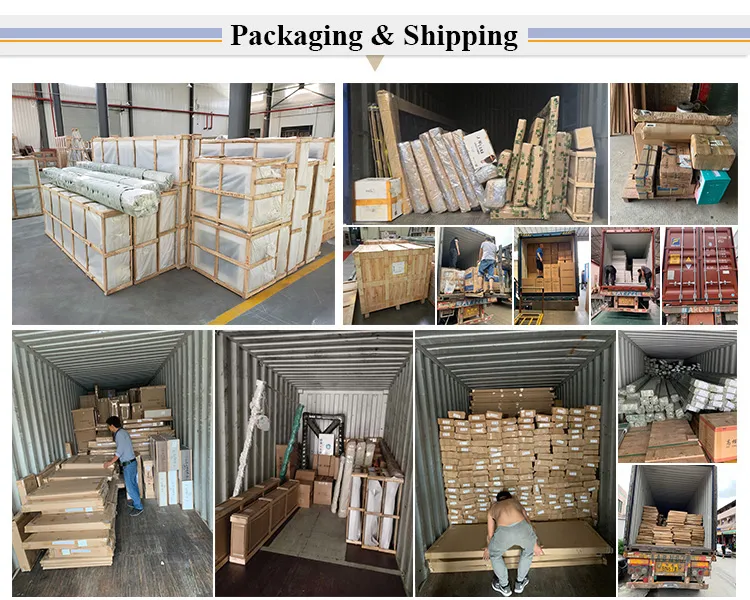
Export-ready packaging should consider:
- Flat-pack or KD structure
- Reinforced outer cartons
- Corner protection
- Foam, honeycomb board, or edge protection
- Hardware bags with clear labels
- Assembly instructions
- Carton marks
- Barcode or SKU labels
- Drop and vibration risk
- Moisture protection
- Container loading sequence
For e-commerce programs, packaging should also consider parcel delivery risk. For hotel and apartment projects, packaging should support installation teams and room-by-room organization.
Buyers who require formal transit performance testing can refer to the International Safe Transit Association’s ISTA test procedures, which are widely used for packaged-product performance evaluation. This is especially useful for brands, online sellers, and project buyers who want to reduce damage risk in long-distance shipping.
Customization Process from Brief to Shipment
A structured customization process helps buyers reduce misunderstanding and delay. Whether you choose ODM living room furniture or OEM production, the workflow should be clear.
Step 1: Send Project Brief
Prepare as much information as possible:
- Target market
- Product category
- Reference images
- Dimensions
- Materials
- Finish direction
- Target price
- Expected MOQ
- Packaging requirements
- Branding requirements
- Compliance requirements
- Delivery schedule
For project buyers, also send room layouts, quantity by room type, installation conditions, and any project standards.
Step 2: Factory Review
The factory reviews product feasibility, structure, material choice, packaging logic, and estimated cost. For ODM, the factory may recommend existing structures or design directions. For OEM, the factory checks whether the drawings are complete and suitable for production.
Step 3: Quotation
A professional quotation should clarify material, size, finish, hardware, packaging, MOQ, lead time, payment terms, and validity period. Buyers should avoid comparing only unit price without checking whether the specifications are the same.
Step 4: Sample Development
Sampling allows the buyer to check structure, finish, size, function, assembly, packaging, and overall appearance. For OEM projects, sample approval is essential before bulk production. For ODM projects, sampling helps confirm whether the factory-developed product fits the target market.
Step 5: Sample Feedback and Improvement
The buyer should provide clear comments with photos, measurements, and priority levels. Separate must-change issues from optional improvements. This makes the revision process faster.
Step 6: Bulk Production
After sample approval, the factory prepares materials, production planning, cutting, edge banding, drilling, surface finishing, assembly checks, packing, and inspection.
Step 7: Quality Control
QC should include incoming material inspection, process control, dimension checks, surface checks, hardware checks, assembly verification, packaging inspection, and final random inspection.
Step 8: Packing and Shipment
Before shipment, confirm carton marks, loading plan, packing photos, product labels, instruction manuals, and required documents. For container shipments, loading efficiency and carton strength matter.
To discuss a custom program with a factory, buyers can contact Starwood through the contact page and send drawings, product lists, dimensions, target price, and packaging requirements.
Quality Control Checklist for B2B Buyers
Quality control should be planned before production, not only after goods are finished.
Here is a practical checklist for ODM and OEM living room furniture:
Structure
Check panel thickness, load-bearing parts, screw positions, cam-lock holes, dowel alignment, anti-tip design, door gaps, drawer movement, and shelf stability.
Dimensions
Confirm overall size, package size, installation clearance, wall fit, TV size compatibility, drawer depth, and storage function.
Materials
Confirm board type, density, finish, edge banding, adhesive quality, hardware grade, glass or mirror safety if applicable, and surface durability.
Surface Finish
Check color consistency, scratches, stains, bubbles, edge peeling, glue marks, gloss level, and texture matching.
Hardware
Check hinges, slides, handles, feet, connectors, screws, wall anchors, dampers, and any soft-close function.
Assembly
The product should be easy to assemble with clear instructions. Holes should align, hardware should be complete, and the final product should be stable.
Packaging
Check carton strength, internal protection, hardware bag labeling, assembly manual, carton marks, product labels, and packing sequence.
Documentation
For professional sourcing, documentation may include product drawings, packing details, QC report, material information, and compliance documents when required.
For buyers building long-term supply chains, quality management systems are also important. The International Organization for Standardization explains that ISO 9001 is a recognized quality management standard used by organizations to improve performance and meet customer expectations. While a certificate alone does not guarantee every product detail, a structured quality mindset is valuable in repeat furniture manufacturing.
How to Choose the Right ODM or OEM Furniture Factory
The right factory should match your business model. A low price is not enough if the factory cannot support engineering, communication, sampling, packaging, and stable delivery.
When choosing a furniture manufacturer, review the following points:
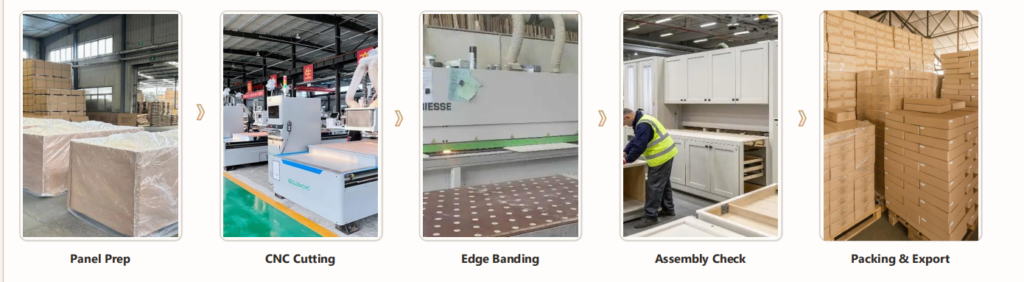
1. Real Manufacturing Capability
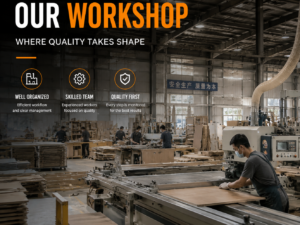
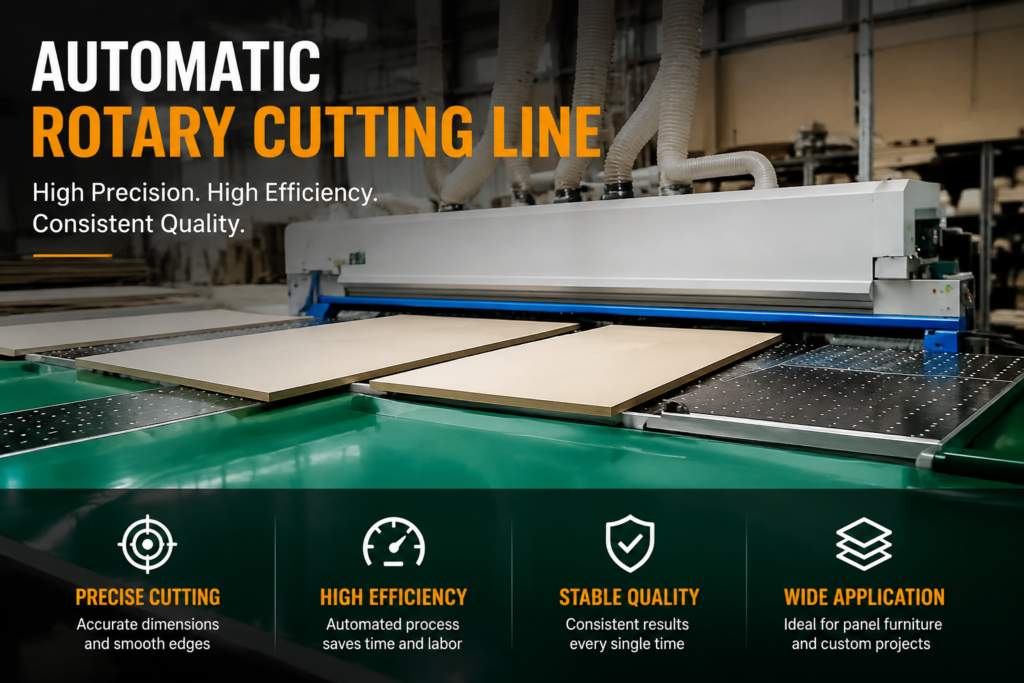
Look for evidence of production equipment, CNC cutting, edge banding, drilling, panel handling, assembly checks, and export packing experience. A real factory should understand how design decisions affect production efficiency and cost.
2. Living Room Category Experience
A factory that understands living room furniture can help you avoid common problems such as weak TV stand structure, poor drawer alignment, unstable wall units, inefficient carton size, or difficult assembly.
You can review Starwood’s living room furniture category to see product directions such as TV stands, storage cabinets, coffee tables, sideboards, bookcases, and flat-pack living room products.
3. OEM and ODM Flexibility
Some buyers only need OEM production. Others need ODM development. Many growing brands need both. A flexible factory can support existing designs while also helping develop new products.
4. Export Packaging Knowledge
For international orders, packaging is part of product quality. The factory should understand carton strength, KD packing, hardware bags, instruction manuals, container loading, and damage prevention.
5. Communication and Project Follow-Up
B2B furniture projects require clear communication. The supplier should respond with practical details, not only general promises. Good communication reduces mistakes during sampling, production, and shipment.
6. Support for Hotels, Apartments, and Commercial Projects
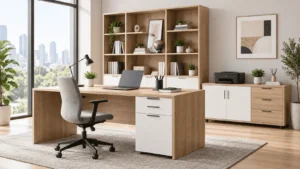
Project furniture requires coordination. The buyer may need different products for multiple rooms, consistent finishes, installation support, and stable repeat supply. A factory with project experience can help manage these details.
To understand the company background and sourcing positioning, buyers can visit the company page before sending an inquiry.
ODM or OEM: Final Recommendation for Your Brand
If you are launching a new living room furniture line and need faster development, practical engineering support, and market-fit products, ODM living room furniture is usually the smarter first step.
If you already have mature drawings, approved project specifications, or a unique brand design, OEM living room furniture is usually the better route.
Many successful buyers use both models. They use ODM to test new collections, develop small-space furniture, or expand product ranges. They use OEM for signature designs, project-specific furniture, and long-term branded products.
For brands, importers, wholesalers, hotel buyers, and apartment project contractors, the best solution is not simply ODM or OEM. The best solution is a factory that understands both.
A reliable manufacturing partner should help you answer these practical questions:
- Is the design suitable for flat-pack production?
- Can the product meet the target price?
- Which material is best for the market?
- What MOQ is realistic?
- How long will sampling and production take?
- Can the packaging survive export transportation?
- Can the product be assembled easily by end users or project installers?
- Can the factory support repeat orders?
If you want to source custom living room furniture for your brand, wholesale business, hotel project, apartment project, or e-commerce channel, send your market requirements, target price, drawings, reference photos, material preferences, MOQ, and packaging needs.
CTA: Tell us your market and product needs, and we will recommend the best OEM/ODM route for your living room furniture program. You can start by reviewing our custom living room furniture range or sending your project brief through our contact page.
FAQ
1. What is ODM living room furniture?
ODM living room furniture means the manufacturer supports product development based on your market needs, style direction, target price, room size, materials, and branding requirements. It is useful for buyers who want to launch new living room furniture collections faster with factory engineering support.
2. What is the difference between OEM and ODM furniture?
OEM furniture means the buyer provides the design, drawings, samples, or technical specifications, and the factory manufactures according to those requirements. ODM furniture means the factory supports more of the design and development process, often helping with structure, materials, finishes, packaging, and cost optimization.
3. Is ODM better than OEM for furniture brands?
ODM is better when a brand wants faster product development, lower design workload, and factory-supported collection planning. OEM is better when the brand already has unique designs, detailed drawings, and strict product specifications. Many brands use both models depending on the project.
4. What types of living room furniture can be customized?
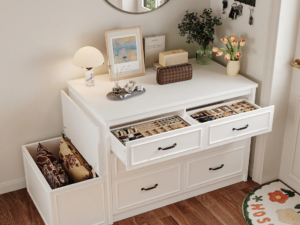
Common customizable products include TV stands, coffee tables, sideboards, storage cabinets, display cabinets, wall units, bookcases, shelving systems, entry cabinets, and multifunction living room furniture for apartments, hotels, and retail markets.
5. What materials are commonly used for living room panel furniture?
Common materials include MDF, particle board, plywood, melamine-faced panels, veneer-faced panels, and engineered boards. The best material depends on target price, finish, durability, compliance requirements, and product structure.
6. What is the MOQ for ODM living room furniture?
MOQ depends on product size, material, finish, hardware, packaging, SKU quantity, and whether the order is a trial order or bulk production. For export orders, factories often prefer container-based production because it improves cost control and loading efficiency.
7. Can I order samples before bulk production?
Yes. Sample production is recommended before bulk orders. Samples help confirm structure, size, finish, hardware, packaging, assembly, and overall quality before mass production begins.
8. Is flat-pack packaging suitable for export living room furniture?
Yes. Flat-pack or KD packaging is widely used for export living room furniture because it improves loading efficiency and reduces shipping volume. Good packaging should include reinforced cartons, corner protection, hardware bags, carton marks, and clear assembly instructions.
9. Which buyers are suitable for ODM living room furniture?
ODM is suitable for importers, wholesalers, furniture brands, e-commerce sellers, hotel buyers, apartment developers, rental housing operators, and project contractors who want market-fit living room furniture with factory customization support.
10. How do I start an OEM or ODM living room furniture project?
Send your product list, drawings, reference images, target market, dimensions, materials, finish requirements, target price, MOQ, packaging needs, and delivery schedule. The factory can then review feasibility, recommend materials, quote, arrange samples, and support bulk production.