Table of Contents
- Why B2B Buyers Search for a Contract Furniture Manufacturer
- What Makes a Furniture Factory Suitable for Commercial Projects
- Main Application Scenarios for Contract Furniture Orders
- Materials Used in Panel Furniture Manufacturing
- OEM/ODM Customization: What Buyers Should Prepare
- MOQ, Lead Time and Production Planning
- Export Packaging and Shipping Control
- How to Evaluate a Panel Furniture Export Factory
- Internal Factory Process for Project Furniture Orders
- Buyer Checklist Before Placing an Order
- Why Work With a Direct OEM/ODM Furniture Factory
- FAQ
- Start Your Furniture Project
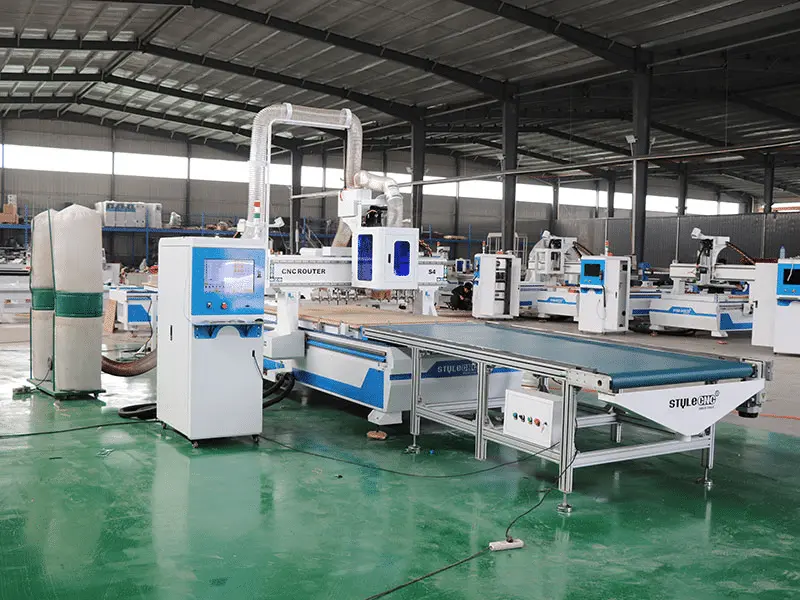
Why B2B Buyers Search for a Contract Furniture Manufacturer
For importers, wholesalers, project contractors, hotel owners and apartment developers, choosing the right contract furniture manufacturer is not only about finding a cheap supplier. It is about finding a factory that can understand drawings, control materials, manage bulk production, protect packaging quality and deliver repeatable results for commercial furniture projects.
A serious B2B buyer usually searches for terms such as commercial furniture manufacturer, OEM furniture factory, ODM furniture supplier, panel furniture export factory, hotel furniture manufacturer, or project furniture manufacturer because they need more than standard retail furniture. They need a production partner.
As a panel furniture export factory, we often work with buyers who already have product drawings, room layouts, brand requirements, packing standards or project schedules. Their main concern is simple: can the factory turn these requirements into stable, export-ready furniture at the right cost and delivery time?
That is exactly where a professional OEM/ODM furniture factory becomes valuable.
What Makes a Furniture Factory Suitable for Commercial Projects?
A commercial furniture project is different from a normal online furniture order. For B2B buyers, the furniture must match the project space, target market, installation method, budget, shipping method and after-sales expectations.
A reliable contract furniture manufacturer should have several practical capabilities.
First, the factory should understand panel furniture structure. Most project furniture uses MDF, particle board, plywood, melamine board, veneer panels or laminated panels. The structure must be strong enough for daily use, but also efficient for production and packing.
Second, the factory should support OEM and ODM production. Some buyers provide full drawings and only need manufacturing. Some buyers only have reference photos, room dimensions or product ideas. In this case, the supplier must help optimize structure, size, materials, colors, hardware and packing.
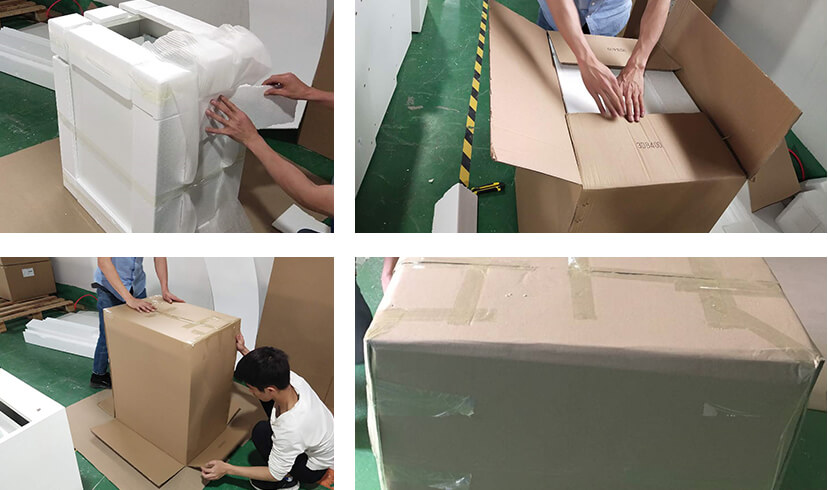
Third, the factory should have export experience. For international buyers, production is only one part of the order. Packing, container loading, labeling, instruction manuals, spare parts, shipping marks and carton protection are all important.
You can learn more about our factory background here:
About Our Furniture Factory
For buyers looking for customized production support, visit:
OEM & ODM Furniture Manufacturing Services
For hotel, apartment and commercial furniture orders, visit:
Project Furniture Manufacturing
Main Application Scenarios for Contract Furniture Orders
A professional commercial furniture manufacturer should not only produce furniture, but also understand where the furniture will be used. Different scenarios require different materials, structures, surface finishes and packaging methods.
Hotel Furniture Projects
Hotel furniture usually includes wardrobes, nightstands, desks, luggage racks, TV cabinets, bathroom vanities, headboards and storage cabinets. The key requirements are durability, consistent finish, easy maintenance and batch consistency.
For hotel projects, buyers usually need custom sizes based on room layout. The finish must match the interior design style. Hardware should be stable, and packaging must protect corners, panels and surfaces during long-distance shipping.
Apartment Furniture Projects
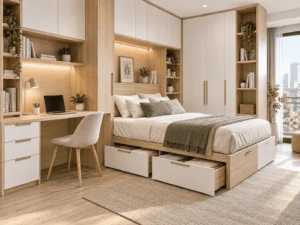
Apartment furniture is often designed for compact spaces. Common items include wardrobes, kitchen cabinets, storage cabinets, bathroom cabinets, desks, beds, shoe cabinets and multi-functional furniture.
For apartment projects, buyers usually care about space efficiency, cost control, easy installation and strong flat-pack packaging. A good panel furniture factory can help optimize the structure so that the furniture is practical, stable and easy to ship.
Real Estate and Contractor Projects
Contractors and project buyers often need full-room furniture solutions. They may provide CAD drawings, BOQ lists, room layouts or reference photos. The factory must understand dimensions, product function, material options, packing requirements and delivery schedule.
In this type of order, communication efficiency is very important. Buyers need quick feedback on drawings, material suggestions, MOQ, sample cost, production time and container loading.
Furniture Brands and Importers
Furniture brands and importers usually focus on product line development. They may need bedroom furniture, living room furniture, home office furniture, storage cabinets, bathroom cabinets or space-saving furniture.
For these buyers, OEM/ODM capability is important. A factory should help with product development, sample improvement, material selection, production cost optimization and export packaging.
E-Commerce and Wholesale Furniture
For e-commerce and wholesale buyers, flat-pack design is very important. Furniture must be easy to assemble, carton size should be controlled, and packaging should reduce damage rates.
A direct flat pack furniture manufacturer can help buyers improve product structure and packaging before bulk production.
Explore our product categories here:
Flat-Pack Furniture Products
Materials Used in Panel Furniture Manufacturing
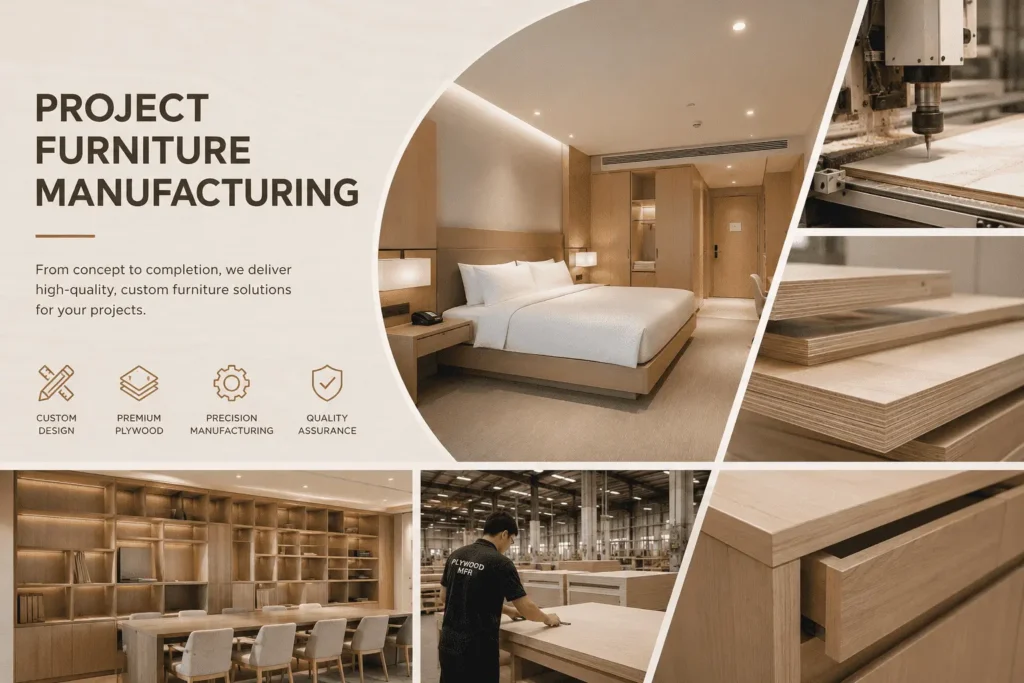
Material selection is one of the most important steps in contract furniture manufacturing. The right material affects cost, durability, weight, packaging, surface appearance and target market compliance.
MDF
MDF is widely used for furniture panels, cabinet doors, painted surfaces and decorative parts. It has a smooth surface and is suitable for many finishes. For buyers who need consistent appearance and stable machining, MDF is a common choice.
Particle Board
Particle board is cost-effective and widely used in flat-pack furniture, wardrobes, cabinets, desks and storage furniture. It is suitable for large-volume orders where cost control is important.
Plywood
Plywood has better structural strength in many applications. It is often used where stronger screw holding, better stability or higher durability is required. For certain project furniture, plywood can be a good option.
Melamine Board
Melamine-faced panels are widely used in hotel furniture, apartment furniture, wardrobes, cabinets and storage systems. They offer many color and texture options and are suitable for efficient production.
Veneer and Decorative Finishes
For higher-end projects, veneer, textured laminate, PET, UV, PVC or special decorative finishes may be used. These finishes can help match interior design requirements and brand positioning.
When buyers source wood-based furniture, sustainability and responsible sourcing may also be part of the purchasing standard. For buyers who need forest-related certification information, the Forest Stewardship Council provides furniture-related sourcing guidance here: FSC Furniture. PEFC also provides information about certified furniture and chain-of-custody systems here: PEFC Furniture.

Compliance Considerations for Export Markets
Different markets may have different requirements for composite wood products, formaldehyde emissions, labeling, testing and documentation. A professional panel furniture export factory should discuss these requirements before production.
For buyers selling to the United States, formaldehyde emission requirements for composite wood products are important. The U.S. Environmental Protection Agency provides official information about composite wood product formaldehyde standards here: EPA Formaldehyde Standards for Composite Wood Products.
For buyers selling into California, CARB requirements may also need to be considered. The California Air Resources Board explains its composite wood products program here: CARB Composite Wood Products.
A factory should not guess compliance requirements. Buyers should confirm the target market, required documents and testing standards before sample approval and bulk production.
OEM/ODM Customization: What Buyers Should Prepare
When contacting a contract furniture manufacturer, the quality of your inquiry directly affects how quickly the factory can quote and provide a solution.
To get an accurate quotation, buyers should prepare the following information.
Product Drawings or Reference Photos
If you already have CAD drawings, 3D drawings, product sketches or reference photos, send them to the factory. This helps the manufacturer understand product size, structure, finish and hardware requirements.
Room Layout or Project CAD Drawing
For hotel, apartment or contractor projects, room CAD drawings are very useful. The factory can check dimensions, furniture placement, installation conditions and product quantity.
Material Requirements
Please confirm whether you need MDF, particle board, plywood, melamine board, veneer, laminate or other materials. If you are not sure, the factory can recommend suitable options based on budget and use scenario.
Surface Finish and Color
Color matching is important for project furniture. Buyers can provide color codes, finish samples, laminate references or photos of the interior design style.
Hardware Requirements
Hinges, drawer slides, handles, legs, connectors, screws and wall-fixing accessories affect product function and installation. For project furniture, hardware should be selected carefully.
Packing Requirements
Flat-pack furniture usually needs strong cartons, foam, corner protection, instruction manuals, hardware bags, labels and shipping marks. For e-commerce orders, drop-test or packaging improvement may be needed.
For packaging performance, some buyers refer to international packaging test standards. ISTA provides packaging-related standards and testing procedures here: ISTA Process Standards.
Target Quantity and Market
A factory needs to know order quantity, container plan, destination country and sales channel. This helps calculate MOQ, production cost, packaging method and shipping efficiency.
MOQ, Lead Time and Production Planning
MOQ and lead time are two of the most common questions from B2B buyers.
For panel furniture manufacturing, MOQ depends on product type, material, color, hardware, packing method and customization level. Standard products with regular materials usually have lower MOQ. Fully customized products with special colors, special hardware or new molds may need higher MOQ.
For export furniture orders, many factories prefer container-based orders because furniture is bulky. A full container helps reduce unit shipping cost and improves production efficiency. For many B2B buyers, one container is a practical starting point for commercial furniture purchasing.
Lead time usually includes several steps:
- Drawing confirmation
- Material confirmation
- Sample production
- Sample approval
- Bulk material preparation
- Mass production
- Quality inspection
- Packing
- Container loading
For new OEM/ODM projects, buyers should allow enough time for sample development and adjustment. It is better to solve structure, color, packaging and hardware issues before mass production, not after goods are packed.
A practical factory will always remind buyers to confirm details early, especially for hotel and apartment projects with fixed installation schedules.
Export Packaging and Shipping Control
Packaging is not a small detail. For international furniture orders, poor packaging can cause panel damage, corner breakage, surface scratches, missing hardware and customer complaints.
A reliable furniture export factory should design packaging based on product size, weight, surface material, shipping distance and sales channel.
Flat-Pack Packaging
Flat-pack packaging is widely used for panel furniture because it saves space and reduces shipping cost. However, flat-pack packaging must be designed carefully. Panels should be separated properly, corners should be protected, and hardware should be packed securely.
Carton Strength
Carton quality matters. Thin cartons may reduce cost, but they can increase damage risk. For export orders, buyers should discuss carton thickness, inner protection, corner protection and loading method.
Hardware Bags and Instruction Manuals
Missing hardware is a common problem in furniture orders. A good factory should use clear hardware bags, labels and packing checklists. For retail or e-commerce products, instruction manuals should be easy to understand.
Container Loading
Container loading affects shipping cost and damage risk. Furniture should be loaded in a stable way, with attention to carton direction, weight distribution and space utilization.
For project buyers, packaging must also consider on-site installation. If different rooms or units have different furniture packages, clear labeling can save time during installation.
How to Evaluate a Panel Furniture Export Factory
Before placing an order, buyers should evaluate the factory from a practical purchasing perspective.
1. Does the Factory Understand Your Business Type?
A factory that mainly serves retail domestic orders may not understand export packaging, container loading or B2B documentation. For international buyers, it is better to choose a factory with export experience.
2. Can the Factory Support OEM and ODM?
If you need custom size, custom color, private label, packaging design or product development, OEM/ODM capability is necessary.
Learn more here:
OEM & ODM Furniture Manufacturing Services
3. Can the Factory Work With Project Drawings?
For hotel and apartment projects, the factory should understand room dimensions, furniture layout, material specification and project schedule.
Learn more here:
Project Furniture Manufacturing
4. Are Materials and Finishes Clearly Confirmed?
Before production, both buyer and factory should confirm material thickness, board type, finish color, edge banding, hardware and packing.
5. Is There a Clear Sampling Process?
Sampling helps check size, structure, color, function, packaging and assembly. For new products, sample approval is very important.
6. Is Packaging Designed for Export?
Export packaging should protect products during long-distance transportation. Buyers should not only ask for a low price; they should also check packaging quality.
7. Is Communication Fast and Practical?
Good communication saves time. A professional supplier should ask the right questions, give practical suggestions and respond clearly.
Internal Factory Process for Project Furniture Orders
A professional contract furniture manufacturer usually follows a structured workflow. This helps reduce mistakes and improves project efficiency.
Step 1: Requirement Review
The factory reviews drawings, photos, room layouts, material requirements, quantity, target market and packing needs.
Step 2: Material and Structure Suggestion
The factory recommends suitable board materials, thickness, finish, hardware and structure based on the project requirement and budget.
Step 3: Quotation
A quotation should include product description, material details, size, MOQ, packing method, lead time and payment terms.
Step 4: Sample Production
For customized products, sample production helps confirm the final details before bulk order.
Step 5: Sample Approval
The buyer checks size, color, structure, hardware, function and packaging. Any adjustment should be completed before mass production.
Step 6: Mass Production
The factory arranges cutting, edge banding, drilling, surface processing, hardware preparation, inspection and packing.
Step 7: Quality Inspection
Quality control should check dimensions, surface finish, edge banding, holes, hardware, carton labels and packing.
Step 8: Export Packaging
Products are packed according to agreed standards. Cartons, labels, shipping marks and hardware bags should be checked.
Step 9: Container Loading
The factory loads goods based on the loading plan and provides shipping documents as required.
Buyer Checklist Before Placing an Order
Before confirming a contract furniture order, buyers should check these points:
- Product name and model
- Final size and dimensions
- Material type and thickness
- Surface finish and color
- Edge banding requirement
- Hardware brand or specification
- Packing method
- Carton label and shipping mark
- Instruction manual requirement
- MOQ
- Sample cost and sample lead time
- Bulk production lead time
- Payment terms
- Target market compliance requirements
- Inspection standard
- Container loading plan
This checklist helps both the buyer and factory avoid misunderstanding.
Why Work With a Direct OEM/ODM Furniture Factory?
Working directly with a panel furniture export factory can give B2B buyers several advantages.
Better Cost Control
Direct factory cooperation reduces unnecessary middle steps. Buyers can discuss material options, structure optimization and packaging improvement directly with the production team.
Faster Product Development
For OEM/ODM projects, direct communication helps speed up drawing review, sample adjustment and bulk production preparation.
More Flexible Customization
A factory can adjust product size, color, material, hardware, packaging and labeling according to the buyer’s requirements.
Better Project Communication
For hotel, apartment and contractor projects, details matter. Direct factory communication helps reduce mistakes in dimensions, packing, room allocation and installation planning.
Stable Long-Term Supply
For furniture brands, importers and wholesalers, a reliable factory partner can support long-term product development and repeated orders.
At Starwood Industry Co., Ltd., we focus on OEM/ODM panel furniture manufacturing for global buyers. Our products cover bedroom furniture, kitchen cabinets, living room furniture, dining room furniture, bathroom cabinets, home office furniture, storage cabinets and space-saving furniture.
You can explore our factory and services here:
Home – Flat Pack Furniture Manufacturer
About Our Factory
OEM & ODM Manufacturing Services
Project Furniture Manufacturing
What Makes a Good Inquiry to a Contract Furniture Manufacturer?
A strong inquiry helps the factory respond faster and more accurately. Instead of only asking “What is your price?”, B2B buyers can provide more project details.
A good inquiry may include:
“Hello, we are looking for an OEM panel furniture manufacturer for an apartment project. We need wardrobes, TV cabinets, desks and storage cabinets. Attached are room CAD drawings and reference images. Please suggest suitable materials, MOQ, estimated lead time and export packaging options.”
This type of inquiry gives the factory enough information to respond professionally.
If you are a hotel buyer, apartment contractor, furniture importer or brand owner, you can send us:
- Product drawings
- Room CAD layout
- Reference photos
- Target quantity
- Material requirement
- Color or finish requirement
- Packing requirement
- Destination market
Our team can review your details and provide a practical OEM/ODM manufacturing solution.
FAQ
1. What is a contract furniture manufacturer?
A contract furniture manufacturer produces furniture for commercial, project and B2B buyers. Typical customers include hotels, apartments, contractors, importers, wholesalers, furniture brands and real estate projects.
2. What is the difference between OEM and ODM furniture manufacturing?
OEM furniture manufacturing means the buyer provides the design, drawing or specification, and the factory produces according to those requirements. ODM furniture manufacturing means the factory helps develop or improve the product based on the buyer’s idea, market need or reference design.
3. What types of furniture can a panel furniture factory produce?
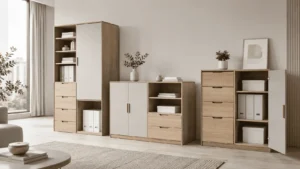
A panel furniture factory can produce wardrobes, cabinets, desks, shelves, bathroom vanities, kitchen cabinets, TV cabinets, storage furniture, bedroom furniture, living room furniture, home office furniture and space-saving furniture.
4. What materials are commonly used for commercial panel furniture?
Common materials include MDF, particle board, plywood, melamine board, veneer panels and laminated panels. The best choice depends on budget, structure, finish, target market and project use.
5. What is the MOQ for OEM furniture orders?
MOQ depends on product type, material, color, customization level and packing method. For export orders, container-based quantities are usually more cost-effective. Buyers can send product details to get a practical MOQ recommendation.
6. How long does production usually take?
Lead time depends on sample approval, material availability, order quantity and production schedule. New OEM/ODM projects usually need extra time for drawing confirmation, sampling and packaging confirmation before mass production.
7. Can you manufacture furniture based on CAD drawings?
Yes. For hotel, apartment and project furniture orders, CAD drawings are very helpful. Buyers can send room layouts, product drawings or reference photos, and the factory can review size, structure, material and production feasibility.
8. Can you provide export packaging?
Yes. Export packaging can include flat-pack cartons, foam protection, corner protection, hardware bags, instruction manuals, shipping marks and carton labels. Packaging can be adjusted according to buyer requirements.
9. Do you support hotel and apartment furniture projects?
Yes. We support hotel, apartment, residential, contractor and commercial furniture projects. Buyers can provide room drawings, product lists, materials and target quantity for quotation.
10. How can I get a quotation?
Please send product drawings, reference photos, dimensions, material requirements, order quantity, packing requirements and destination market. Our team will review the details and provide a practical factory quotation.
Start Your Furniture Project
Looking for a reliable contract furniture manufacturer, OEM furniture factory, ODM furniture supplier or panel furniture export factory?
We support global buyers with OEM/ODM panel furniture manufacturing for hotels, apartments, commercial projects, importers, wholesalers and furniture brands.
Send us your product drawings, room CAD files, reference photos, sizes, materials and quantity requirements. Our team will help you review the project, suggest suitable materials, estimate MOQ and lead time, and provide export-ready furniture manufacturing solutions.
Start your project here:
Contact Our Furniture Factory