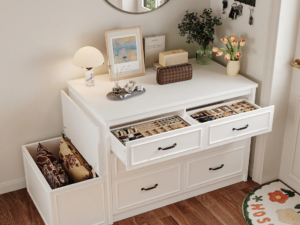

Choosing the right RTA bedroom furniture supplier is one of the most important sourcing decisions for importers, wholesalers, hotel groups, apartment developers, and commercial project buyers. In the B2B furniture business, a supplier is not only expected to manufacture products. They are expected to support product development, material control, packaging engineering, project coordination, and after-sales service.
That is especially true for flat pack bedroom furniture. For hotel, apartment, and wholesale programs, buyers usually need stable dimensions, repeatable finishes, reliable hardware, efficient packaging, and dependable lead times. A supplier that only offers low prices is rarely enough. Professional buyers need a factory partner that can execute bulk orders with consistency.
This guide is written from the perspective of a panel furniture export manufacturer serving industry buyers. If you are sourcing for hospitality, residential, or wholesale distribution, these 12 buyer checks can help you qualify the right supplier with fewer risks and better long-term results.

Table of Contents
- Check product specialization
- Check factory production capacity
- Check OEM capability
- Check ODM support
- Check material selection
- Check compliance awareness
- Check quality control process
- Check packaging engineering
- Check hardware consistency
- Check project management ability
- Check communication efficiency
- Check after-sales support
- FAQ
Why RTA Bedroom Furniture Matters for B2B Buyers
For many professional buyers, RTA bedroom furniture is not just a product category. It is a sourcing strategy. Ready-to-assemble furniture helps improve container utilization, reduces shipping volume, and makes delivery and installation easier for hotels, apartments, student housing, and wholesale distribution programs.
Bedroom collections are also one of the most sensitive categories in project furniture. Buyers often need matching wardrobes, beds, dressers, desks, and nightstands under one consistent finish standard. If one item is off-color, delayed, or poorly packed, the whole room program can be affected.
That is why choosing the right RTA bedroom furniture supplier should be based on a full evaluation process, not only a quotation sheet.
1. Check Whether the Supplier Really Specializes in Bedroom Furniture
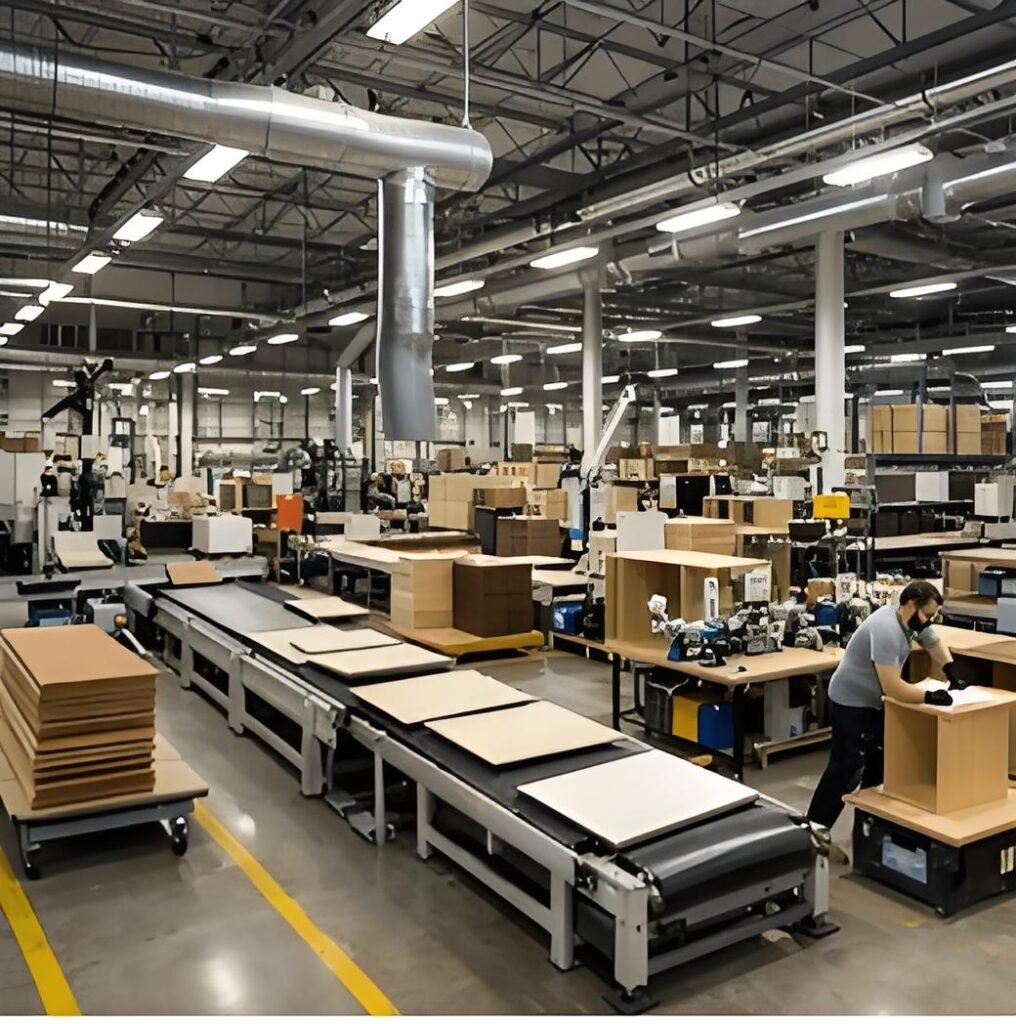
Not every panel furniture factory is equally strong in bedroom collections. Some suppliers focus more on kitchen cabinets, office furniture, or occasional furniture. Bedroom furniture requires different priorities, including load-bearing structure, hardware alignment, finish coordination, and room-set consistency.
A serious buyer should check whether the supplier regularly produces:
- beds and headboards
- wardrobes and closets
- dressers and chests
- bedside tables
- desks and storage units
- hotel bedroom casegoods
A specialist supplier will usually understand product combinations, installation sequence, packaging layout, and repeat-order control much better than a general trader.
2. Check Factory Capacity, Not Just Factory Size
A large workshop does not always mean stable production capacity. Buyers should ask practical questions:
- How many containers can the factory ship per month?
- What is the normal lead time in peak season?
- Can they handle mixed bedroom sets in one order?
- Can they support both sample development and volume production?
For hotel and apartment projects, capacity planning matters more than showroom presentation. A supplier may produce a beautiful sample, but if they cannot scale on time, the project risk remains high.
3. Check OEM Capability for Custom Buyer Specifications

For many B2B buyers, OEM support is essential. You may already have drawings, dimensions, finish standards, packaging rules, or customer-specific hardware requirements.
A qualified OEM supplier should be able to support:
- custom dimensions
- specified materials
- target price engineering
- custom logos or labels
- export carton marks
- matching color development
- private-label programs
The most useful OEM factories do not just say yes. They review drawings, identify technical risks, and suggest structure improvements before mass production begins.
4. Check ODM Support for Market-Ready Product Development

Some buyers do not start with complete technical drawings. They may only have reference photos, room mood boards, a hospitality design concept, or a target budget. In this case, ODM support becomes important.
A good ODM supplier should be able to help with:
Product structure
The supplier should translate design ideas into production-friendly structures.
Material recommendations
They should propose suitable plywood, MDF, particleboard, laminate, veneer, or melamine options based on the target market.
Cost balancing
They should know where to optimize without damaging the perceived value of the collection.
Collection matching
They should be able to coordinate bed frames, storage units, wardrobes, desks, and bedside pieces into one project-friendly program.
For hotel and apartment buyers, ODM strength often determines whether a project moves quickly or gets stuck in endless revisions.
5. Check Material Selection for Durability and Positioning

Material selection affects not only price, but also durability, machining quality, finish result, and market positioning.
For many bedroom furniture programs, plywood remains a practical solution because it can offer good structural stability, machining performance, and stronger positioning for export markets. MDF, particleboard, veneer panels, laminate panels, and engineered wood combinations may also be suitable depending on budget and project level.
What matters most is whether the supplier can explain clearly:
- which material is used in each component
- why that material is suitable
- how it affects cost and durability
- how the finish is applied
- what alternatives are possible
A supplier that cannot explain its material logic clearly will usually be harder to trust in larger programs.
6. Check Compliance Awareness Before Order Confirmation
If your project uses composite wood materials, compliance should be discussed early, not after production starts. The U.S. EPA’s TSCA Title VI formaldehyde rule covers composite wood products including hardwood plywood, MDF, and particleboard, and finished goods containing those materials. California also maintains CARB composite wood requirements for relevant products sold into that market. US EPA+1
For responsible wood sourcing, many commercial buyers also ask about FSC chain-of-custody systems, which FSC describes as a way to verify forest-based materials along the supply chain. In commercial furniture sustainability, ANSI/BIFMA e3 is another recognized benchmark. 森林管理委员会+1
So before placing a bulk order, ask the supplier whether they can prepare:
- panel compliance documents
- material specifications
- test reports if required
- sourcing declarations
- hardware specifications
- carton and labeling details
This step is especially important for hotel groups, contract buyers, and distributors with stricter compliance review procedures.
7. Check the Supplier’s Quality Control System, Not Only the Sample
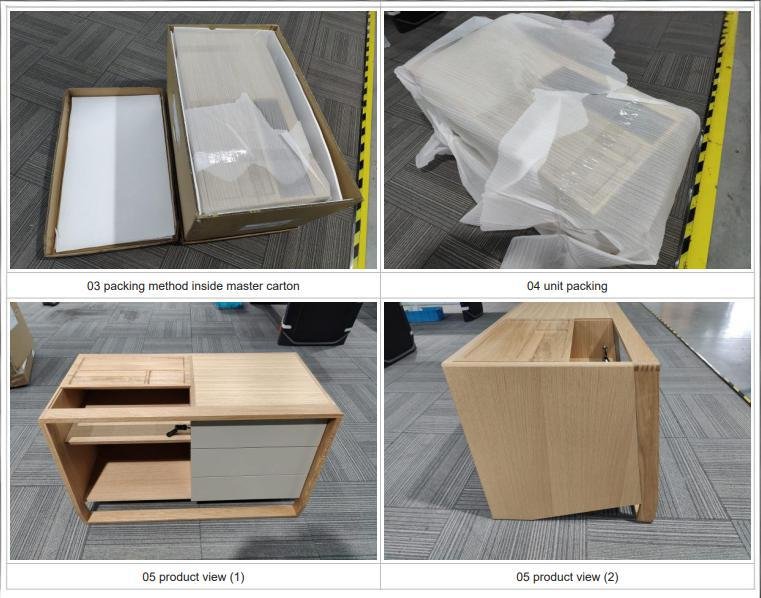
A sample can look excellent and still fail in volume production. That is why experienced buyers review the full quality process.
Ask whether the supplier performs:
- raw material inspection
- first-piece inspection
- in-line quality checks
- finish consistency review
- hardware fit checks
- final packaging inspection
- pre-shipment inspection
For bedroom furniture, you should also pay attention to specific risk points such as:
- drawer slide alignment
- wardrobe door gaps
- edge banding adhesion
- pre-drilled hole accuracy
- laminate consistency
- bed structure stability
- fitting compatibility
A good supplier should be comfortable sharing their QC workflow, defect handling process, and inspection checkpoints.
8. Check Packaging Engineering for Export Safety
For flat pack furniture, packaging is part of product performance. A good-looking cabinet that arrives damaged is still a failed product.
Buyers should review:
Carton strength
Is the carton suitable for product weight and export handling?
Internal protection
Are corners, edges, surfaces, and hardware properly protected?
Labeling
Can the factory support barcode labels, SKU labels, room labels, and shipping marks?
Hardware packing
Are fittings organized clearly for easy installation?
Transit testing mindset
ISTA states that it focuses on transport packaging and testing, and its materials emphasize pre-shipment performance testing and transport packaging concerns. That makes it a useful reference point when discussing packaging expectations with suppliers. 国际安全运输协会+2国际安全运输协会+2
For hotel or apartment projects, good packaging reduces claims, shortens installation time, and protects your brand reputation.
9. Check Hardware Standards and Consistency
In project furniture, small hardware issues create large operational problems. One weak connector, inconsistent slide, or missing fitting bag can delay installation room by room.
Ask the supplier:
- What hardware brand is used?
- Can the hardware be standardized across the project?
- Are replacement fittings easy to supply?
- Are spare parts packed separately if needed?
- Has the assembly sequence been tested?
A strong supplier knows that hardware consistency is not a detail. It is part of project execution.
10. Check Whether the Supplier Understands Hotel and Apartment Projects
Project furniture is different from ordinary wholesale business. Hotel and apartment buyers usually need:
- standard room packages
- mock-up room samples
- phased delivery
- finish approvals
- room-by-room consistency
- replacement part support
- clearer schedule coordination
For hospitality buyers, sustainability and responsible sourcing are also becoming more visible themes. AHLA’s Responsible Stay platform and related materials emphasize areas such as energy, water, waste, and responsible sourcing across the hotel industry. Responsible Stay+2AHLA+2
A supplier with real project experience will understand room lists, furniture schedules, mock-up approval, installation logic, and phased shipment requirements much better than a supplier focused only on trading standard SKUs.
11. Check Communication Speed and Technical Clarity
In export furniture business, communication quality is part of supplier quality.
A dependable supplier should respond clearly on:
- quotation scope
- MOQ
- lead time
- finish options
- revisions
- packaging method
- loading plans
- document support
- claim handling
Professional communication usually shows up in simple ways:
- drawings are reviewed carefully
- unclear points are confirmed early
- changes are tracked
- production risks are flagged in advance
- commitments are written clearly
That kind of communication reduces errors before they become expensive.
12. Check After-Sales Support Before You Place the Order
Many buyers only think about after-sales service after problems happen. A better approach is to define it before production begins.
Ask the supplier:
- What is the claim process?
- What evidence is required for claims?
- How are replacement parts handled?
- What is the normal response time?
- Can spare parts be shipped with the main order?
- How do they handle project punch-list items?
A strong after-sales system is often what separates a one-time supplier from a long-term manufacturing partner.
What a Reliable RTA Bedroom Furniture Supplier Should Offer
By the time you finish your evaluation, a reliable supplier should be able to offer most of the following:
- bedroom furniture specialization
- clear material explanation
- OEM and ODM support
- stable bulk production capacity
- export-ready packaging
- compliance awareness
- project coordination ability
- responsive communication
- structured after-sales support
For B2B buyers, that combination is much more valuable than a low price with unclear execution.
Conclusion
Choosing an RTA bedroom furniture supplier is ultimately about risk control, consistency, and long-term supply capability. Whether you buy for wholesale distribution, hotel programs, apartment developments, or private-label furniture business, the right supplier should be able to support more than manufacturing alone.
They should understand flat pack furniture, export packaging, compliance expectations, project scheduling, OEM and ODM requirements, and the practical realities of commercial furniture delivery.
If you are looking for a panel furniture export factory that can support bedroom collections for B2B business, use these 12 checks as your sourcing framework before comparing prices. It will help you qualify suppliers more accurately and protect your business in the long run.
Request a quote today for bulk RTA bedroom furniture and custom OEM or ODM solutions.
FAQ
What does RTA mean in bedroom furniture?
RTA means ready-to-assemble furniture. In export business, it usually refers to knock-down furniture packed efficiently for shipping and assembled at destination.
Why do B2B buyers prefer flat pack bedroom furniture?
Because it saves shipping space, improves container utilization, makes inland delivery easier, and supports standardized installation for projects.
What should I ask an RTA bedroom furniture supplier first?
Start with product range, factory capacity, OEM or ODM support, materials, packaging, compliance documents, lead time, and after-sales service.
Is plywood a good choice for bedroom furniture?
Yes. For many B2B projects, plywood is a practical option because it can support good structural strength, machining performance, and a stronger market position.
What is the difference between OEM and ODM furniture?
OEM means production based on the buyer’s drawings or specifications. ODM means the supplier helps develop products based on concept, style, or market direction.
Why is packaging so important for flat pack furniture?
Because export damage, missing fittings, poor labeling, and weak cartons can cause installation delays, claims, and higher project costs.
For buyers shipping bedroom casegoods to the U.S. market, it is important to understand the EPA TSCA Title VI formaldehyde requirements for composite wood products.
If your project includes California distribution, you should also review the CARB composite wood products program when confirming panel compliance.
For responsible wood sourcing, many commercial buyers ask suppliers about FSC Chain of Custody certification before approving a new furniture manufacturer.
For commercial procurement and sustainability positioning, the ANSI/BIFMA e3 Furniture Sustainability Standard is a useful benchmark to understand.
When improving export packaging for flat pack furniture, buyers and suppliers can align around recognized transit-testing practices supported by ISTA.
Hospitality buyers can also follow broader industry sustainability direction through the AHLA sustainability and Responsible Stay initiatives.For buyers shipping bedroom casegoods to the U.S. market, it is important to understand the EPA TSCA Title VI formaldehyde requirements for composite wood products.
If your project includes California distribution, you should also review the CARB composite wood products program when confirming panel compliance.
For responsible wood sourcing, many commercial buyers ask suppliers about FSC Chain of Custody certification before approving a new furniture manufacturer.
For commercial procurement and sustainability positioning, the ANSI/BIFMA e3 Furniture Sustainability Standard is a useful benchmark to understand.
When improving export packaging for flat pack furniture, buyers and suppliers can align around recognized transit-testing practices supported by ISTA.
Hospitality buyers can also follow broader industry sustainability direction through the AHLA sustainability and Responsible Stay initiatives.