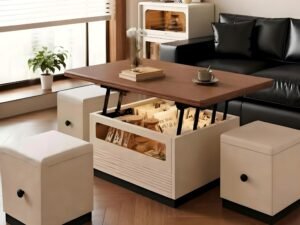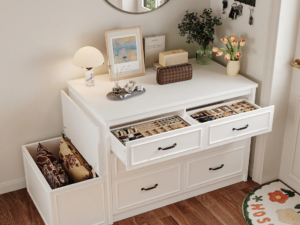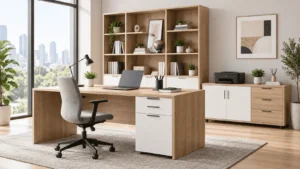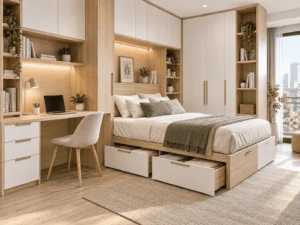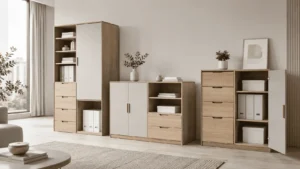
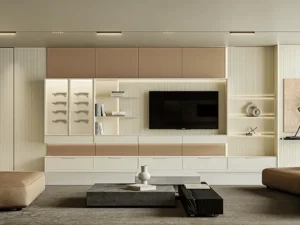
For hotel buyers, importers, contractors, and apartment developers, choosing a hotel furniture manufacturer is not only about finding a low price. It is about finding a factory that can understand drawings, control materials, manage MOQ, develop samples, protect products during shipping, and deliver repeatable quality for every room type. A professional OEM/ODM panel furniture export factory should help buyers reduce procurement risk, not create more problems after the order is confirmed.
Table of Contents
- Why Buyers Search for a Hotel Furniture Manufacturer
- What Makes Hotel Furniture Procurement Different
- Application Scenarios for Hotel and Apartment Projects
- Factory Capability: What Buyers Should Check First
- Materials for Hotel Panel Furniture
- OEM/ODM Customization for Hotel Furniture Projects
- MOQ, Lead Time, Sampling, and Production Planning
- Packaging and Container Loading for Export Orders
- Quality Control Points Before Shipment
- How to Work With a Panel Furniture Export Factory
- Internal Resources for Product and Project Buyers
- Final Buyer Checklist
- FAQ
Why Buyers Search for a Hotel Furniture Manufacturer
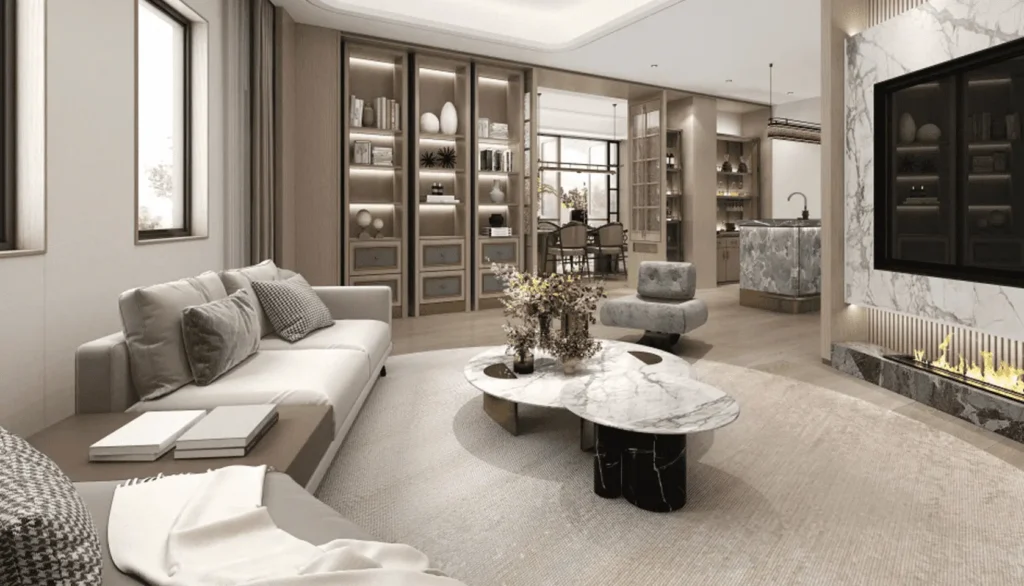
When a buyer searches for a hotel furniture manufacturer, the real purpose is usually very commercial. The buyer may need furniture for a hotel chain, serviced apartment project, rental property, student accommodation, resort, long-stay apartment, or furnished real estate project. In most cases, the buyer is not simply looking for design inspiration. They need a production partner that can quote clearly, customize reliably, and deliver export-ready furniture on schedule.
This is why the keyword hotel furniture manufacturer is different from a normal furniture blog topic. It has strong procurement intent. A buyer searching this keyword may already have drawings, room layouts, a bill of quantity, target price, material requirements, or a delivery deadline.
At PlywoodMFR, we focus on flat-pack panel furniture manufacturing for global B2B buyers. Our production supports hotel furniture, apartment furniture, wardrobes, beds, desks, cabinets, TV stands, bathroom storage, kitchen storage, and space-saving project furniture. Buyers can learn more about our factory background here: https://plywoodmfr.com/the-company/
For OEM and ODM buyers, the manufacturing process also includes structure review, material matching, sample development, private-label packaging, export packing, and container loading planning. More details are available on our OEM/ODM furniture manufacturing services page: https://plywoodmfr.com/oem-odm-furniture-manufacturing-services/
What Makes Hotel Furniture Procurement Different
Hotel furniture procurement is different from buying standard home furniture because every mistake can be multiplied across many rooms. If a wardrobe dimension is wrong, if a desk finish does not match the approved sample, or if a carton label is unclear, the buyer may face installation delays, replacement costs, and project complaints.
For hotel projects, buyers usually care about five things:
First, the furniture must match the project design. This includes size, color, finish, structure, handle style, hardware, and installation method.
Second, the furniture must fit the project budget. A hotel furniture manufacturer should understand value engineering. For example, the buyer may want the visual effect of veneer but need a more cost-controlled melamine or laminate finish.
Third, the furniture must be durable enough for commercial use. Hotel rooms, serviced apartments, and rental properties have higher usage frequency than normal home furniture.
Fourth, the furniture must be easy to install and maintain. Project furniture should be designed with clear assembly instructions, replaceable parts, stable hardware, and practical packaging.
Fifth, the supplier must manage lead time and export delivery. Hotel projects often have fixed opening dates, renovation schedules, or contractor deadlines. A delay in furniture shipment can affect the whole project.
A real commercial furniture manufacturer should understand these project pressures. The factory should not only ask, “How many pieces do you need?” It should also ask about room type, installation sequence, target market, packaging method, loading quantity, and compliance requirements.
Application Scenarios for Hotel and Apartment Projects
Hotel Guest Rooms
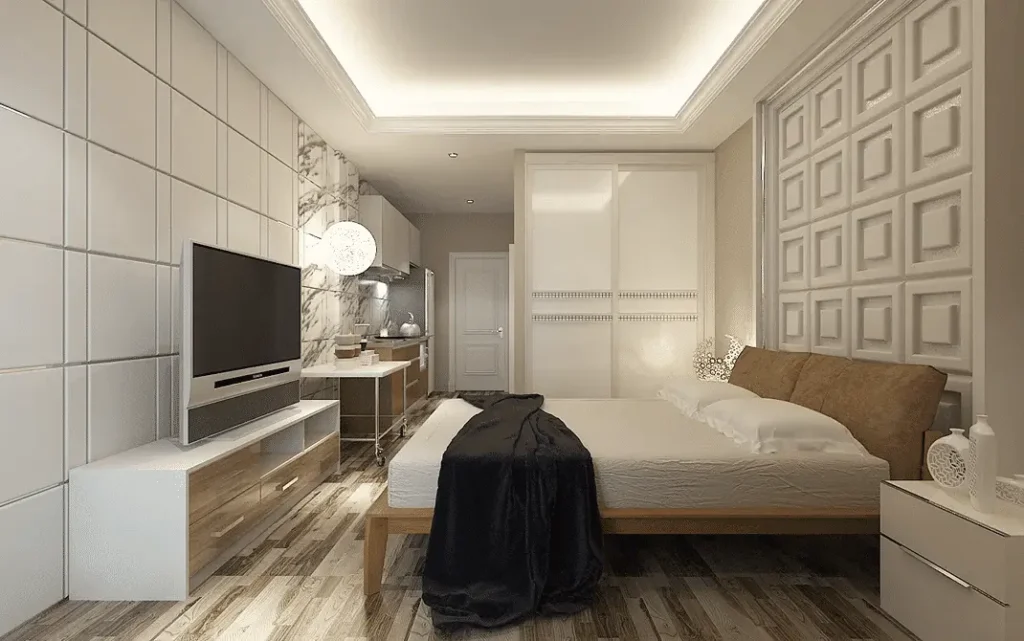
Hotel guest rooms usually require a complete furniture package. This may include bed frames, headboards, wardrobes, luggage racks, writing desks, bedside tables, TV panels, TV cabinets, minibar cabinets, bathroom storage, and open shelves.
For guest rooms, buyers often need furniture that looks consistent across many rooms. This means color matching, surface finish control, drilling accuracy, and hardware consistency are important. If a hotel uses 200 rooms with the same wardrobe and desk system, the factory must keep production stable from the first batch to the final shipment.
A good hotel furniture manufacturer should review each item by room function. A wardrobe needs stable hanging space and durable hinges. A writing desk needs a strong top panel and clean cable management. A luggage rack needs stronger structure. A TV panel needs accurate wall mounting holes. These practical details matter more than a beautiful catalog image.
Serviced Apartments and Long-Stay Hotels
Serviced apartments usually need furniture that is more residential but still suitable for commercial use. Buyers may need wardrobes, beds, desks, dining tables, storage cabinets, shoe cabinets, bathroom cabinets, and kitchen storage units.
For long-stay projects, storage is very important. Guests may stay for weeks or months, so wardrobes, drawers, open shelves, and multi-functional cabinets should be designed for daily use.
Flat-pack panel furniture can be a practical solution because it helps reduce shipping volume and supports easier project delivery. Buyers can explore more project furniture manufacturing capability here: https://plywoodmfr.com/project-furniture-manufacturing/
Student Housing and Dormitory Projects
Student housing furniture must be cost-effective, durable, and easy to maintain. Common products include beds, wardrobes, study desks, bookcases, storage cabinets, and bedside tables.
For this category, the buyer usually cares about MOQ, price stability, packaging strength, and replacement parts. Simple structures are often better than complicated designs because they reduce installation time and after-sales issues.
Rental Apartments and Real Estate Furnished Units
Apartment developers and rental property operators often need furniture that can be repeated across different unit types. The factory may need to adjust sizes for studio apartments, one-bedroom units, and two-bedroom units.
A panel furniture export factory can help buyers create a furniture system based on shared materials, shared finishes, and repeatable structures. This improves production efficiency and helps control cost.
Resort, Hostel, and Staff Accommodation Projects
Resorts, hostels, and staff accommodation may need different levels of furniture. Some projects need premium finishes, while others need practical and cost-controlled panel furniture.
The most important point is matching the furniture to the real use environment. For example, coastal resorts may need better moisture protection. Staff accommodation may need stronger and more economical structures. A factory with real project experience can help buyers avoid over-designing or under-specifying the furniture.
Factory Capability: What Buyers Should Check First
Check Whether It Is a Real Factory or Only a Trading Supplier
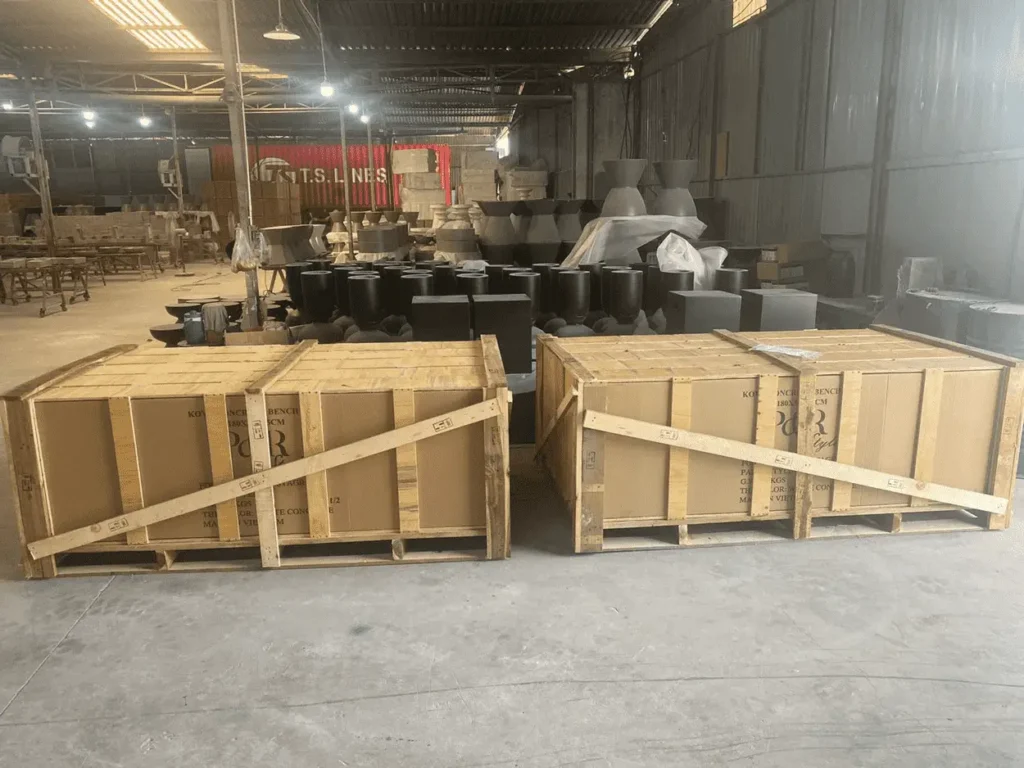
For hotel furniture projects, buyers should know whether the supplier has real production capability. A real hotel furniture manufacturer should understand cutting, edge banding, drilling, hardware preparation, trial assembly, packing, quality control, and container loading.
A trading supplier may provide a quotation quickly, but if they cannot control production details, problems may appear during sampling or shipment. For OEM/ODM project orders, direct factory communication is often more efficient because technical questions can be solved faster.
At PlywoodMFR, our factory positioning is panel furniture manufacturing for export buyers, including OEM and ODM projects, flat-pack packaging, and commercial project support. Buyers can visit our homepage here: https://plywoodmfr.com/
Check Technical Review Ability
Before quotation, the factory should review drawings, dimensions, panel thickness, material, hardware, finish, assembly method, packaging, and loading plan. This is especially important for hotel room furniture because one product may be repeated many times.
For example, if a wardrobe is too tall for efficient carton packing, the factory may suggest a knock-down structure. If a desk panel is too thin for hotel use, the factory may suggest a thicker board or reinforcement. If a bedside table uses special hardware, the factory should confirm availability and MOQ before quoting.
Technical review helps buyers avoid hidden risks. A low quotation without technical review is often not reliable.
Check OEM/ODM Support
OEM means the buyer already has drawings or existing product designs, and the factory manufactures according to the buyer’s requirements. ODM means the buyer may have a concept, target market, reference photos, or target price, and the factory helps develop the product.
A professional OEM ODM furniture supplier should support:
- Product drawing review
- Material suggestion
- Structure optimization
- Finish matching
- Hardware selection
- Sample production
- Packaging design
- Private-label support
- Mass production
- Quality control
- Export loading support
For hotel and apartment projects, ODM support can be useful when buyers need a cost-controlled furniture package but do not have complete technical drawings.
Check Communication Speed and Detail
In project furniture manufacturing, communication quality is part of factory capability. Buyers should check whether the supplier can answer questions clearly, provide quotation details, explain material options, and give realistic lead time.
Good communication reduces project risk. If the supplier only gives general answers, the buyer may face misunderstandings later.
Materials for Hotel Panel Furniture
Material selection affects cost, durability, appearance, weight, packaging, and compliance. For B2B buyers, the best material is not always the most expensive material. The best material is the one that matches the project use, budget, and target market.
Particle Board
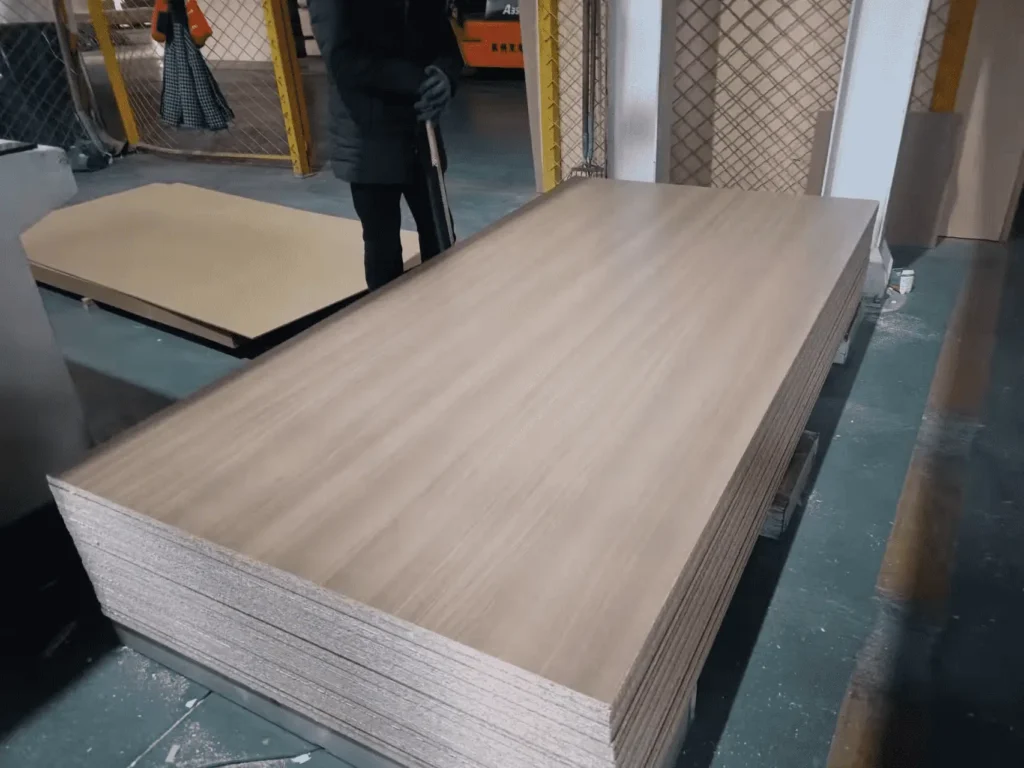
Particle board is widely used for cost-effective panel furniture. It is suitable for wardrobes, cabinets, shelves, desks, bedside tables, and TV units when combined with good surface finish and proper edge banding.
For hotel and apartment projects, buyers should confirm board density, thickness, screw-holding strength, surface quality, and moisture resistance. Low-cost particle board may reduce price, but if the board quality is unstable, it can create problems during assembly and long-term use.
MDF
MDF has a smooth surface and is commonly used for painted panels, routed designs, doors, drawer fronts, and decorative furniture parts. MDF is suitable when buyers need a cleaner finish or more detailed design.
For hotel furniture, MDF can be used in headboards, decorative panels, desk fronts, cabinet doors, and feature wall components. The factory should control moisture content, surface finishing, edge sealing, and paint quality.
Plywood
Plywood is often used where stronger structure or better stability is required. It may be used for reinforced parts, higher-end furniture, heavy-use cabinets, or specific project requirements.
For buyers comparing MDF, particle board, and plywood, the decision should be based on usage, budget, weight, finish, and installation requirements. A practical factory will help buyers choose materials according to real project needs, not simply recommend the highest-cost option.
Melamine, Laminate, Veneer, and Painted Finishes
Melamine is common for hotel and apartment panel furniture because it is cost-effective, easy to clean, and available in many colors and wood grains. Laminate can provide better surface durability for commercial use. Veneer gives a more natural wood appearance, but cost and maintenance should be considered. Painted finishes can provide a premium look but require careful surface preparation and quality control.
For hotel projects, buyers often use oak, walnut, ash, white, grey, beige, black, or two-tone finishes. Before mass production, finish samples should be approved clearly.
Edge Banding
Edge banding is a small detail that affects both appearance and durability. Poor edge banding can cause chipping, glue marks, peeling, and moisture problems. For export furniture, PVC or ABS edge banding is commonly used according to buyer requirements.
Buyers should check edge thickness, color matching, glue line, trimming quality, and corner finish.
Hardware
Hardware includes cam locks, dowels, hinges, drawer slides, handles, adjustable feet, wall brackets, shelf supports, and connectors. Hardware quality affects assembly, daily use, and after-sales service.
For hotel projects, we usually recommend stable and easy-to-replace hardware instead of overly complicated fittings. If buyers need branded hardware such as Blum or Hettich, the factory should confirm cost and availability during quotation.
For buyers selling to the U.S. market, composite wood products may need to consider formaldehyde emission requirements. The U.S. EPA provides official information about TSCA Title VI formaldehyde emission standards for composite wood products: https://www.epa.gov/formaldehyde/formaldehyde-emission-standards-composite-wood-products
For California-related sales, buyers may also review CARB information about composite wood products: https://ww2.arb.ca.gov/our-work/programs/composite-wood-products-program
For responsible wood sourcing, buyers can review Forest Stewardship Council information here: https://fsc.org/en
OEM/ODM Customization for Hotel Furniture Projects
Size Customization
Hotel and apartment furniture often needs custom sizes because room layouts are different. Buyers may need different wardrobe widths, desk lengths, bed sizes, cabinet depths, or wall panel dimensions.
A factory should confirm dimensions before sampling and mass production. For project furniture, even a small size error can affect installation.
Finish Customization
Buyers can provide finish samples, color references, Pantone references, or project renderings. The factory should provide material boards or finish samples for approval.
For hotel projects, finish consistency is important because furniture is installed across many rooms. Buyers should confirm whether the same finish can be supplied for future repeat orders.
Structure Customization
Hotel furniture may be knock-down, semi-assembled, or fully assembled depending on project needs and shipping method. For export orders, knock-down flat-pack structure is often preferred because it improves loading quantity and reduces freight cost.
However, flat-pack furniture must be easy to assemble. The factory should design clear holes, stable connectors, and practical instructions.
Hardware Customization
Buyers may choose soft-close hinges, drawer slides, concealed handles, metal legs, plastic feet, wall brackets, or anti-tip fittings. The factory should balance appearance, durability, availability, and cost.
Branding and Private Label
For importers, wholesalers, and hotel supply companies, private-label service can include logo labels, carton marks, SKU labels, barcode labels, instruction manuals, and customized packaging.
Private-label packaging helps buyers build their own market identity and makes warehouse management easier.
Project Documentation
Professional project buyers need documentation. This may include product specifications, material descriptions, packing lists, assembly instructions, carton labels, loading plans, and inspection checklists.
A hotel furniture manufacturer with export experience should understand that documentation is not optional. It helps the buyer manage import, warehouse, installation, and after-sales service.
MOQ, Lead Time, Sampling, and Production Planning
MOQ
MOQ depends on material, finish, hardware, packaging, product size, and order complexity. For standard materials and common finishes, MOQ may be more flexible. For special colors, special hardware, exclusive structures, or custom packaging, MOQ may be higher because materials need to be purchased separately.
For hotel furniture projects, MOQ is often discussed by item, by room set, or by container. Buyers should provide clear information so the factory can quote accurately.
When asking for MOQ, buyers should send:
- Product drawings or reference photos
- Product dimensions
- Material requirements
- Finish color
- Hardware preference
- Quantity by item
- Quantity by room type
- Packaging requirements
- Destination market
- Delivery schedule
With these details, the factory can provide more practical MOQ and pricing.
Sampling
Sampling is very important for OEM/ODM hotel furniture. A sample confirms the structure, size, material, finish, hardware, packaging, and assembly method before mass production.
For project orders, sample approval should be treated as a production standard. Buyers should check the sample carefully and confirm changes in writing.
If the buyer skips sampling to save time, the risk may be higher. For repeat orders or existing models, sampling may be simpler. For new designs, sampling is strongly recommended.
Lead Time
Lead time depends on order quantity, material availability, factory schedule, sample approval speed, packaging requirements, and shipping plan.
For hotel and apartment projects, buyers should plan enough time for:
- Drawing review
- Quotation
- Sample production
- Sample approval
- Material purchasing
- Mass production
- In-process inspection
- Packing
- Final inspection
- Container loading
- Shipment booking
A practical supplier should give realistic lead time, not only the shortest possible answer. For project buyers, reliability is more important than an unrealistic promise.
Production Planning
Hotel furniture orders may need to be organized by room type, item number, floor, building, or installation phase. This is different from normal wholesale furniture orders.
A project-focused factory should help buyers plan production and packing in a way that supports installation. For example, cartons can be labeled by room type or product set. This helps reduce confusion at the project site.
Packaging and Container Loading for Export Orders
Packaging is a major part of export furniture success. A furniture item can be well-made but still fail if the packaging is weak.
Flat-Pack Export Packaging
Flat-pack packaging is common for panel furniture because it helps reduce shipping volume and supports container loading efficiency. However, flat-pack packaging must protect panels, corners, surfaces, hardware, and instruction sheets.
Common packaging materials include:
- Export cartons
- EPE foam
- Foam sheets
- Corner protectors
- Honeycomb board
- Paper sheets
- Plastic bags
- Hardware bags
- Instruction manuals
- Carton labels
For hotel projects, packaging should also support jobsite receiving and installation. If cartons are not labeled clearly, the installation team may waste time finding the correct products.
Hardware Bags and Assembly Instructions
Hardware should be packed clearly and securely. Missing screws or connectors can delay installation. Each carton should include the correct hardware bag and instruction manual.
For OEM/ODM buyers, instruction manuals can be customized with private label or buyer format.
Carton Marks
Carton marks may include item number, product name, color, carton number, gross weight, net weight, dimensions, quantity, and destination information. For project orders, carton marks may also include room number, building number, floor, or installation area.
Good carton marking reduces warehouse and installation errors.
Container Loading
A good loading plan helps buyers estimate freight cost and reduce wasted space. The factory should consider carton size, carton weight, loading order, product protection, and unloading convenience.
For export buyers, packaging and loading should be discussed before mass production, not after production is finished.
For packaging performance reference, buyers can review the International Safe Transit Association test procedure information here: https://ista.org/test_procedures.php
For customs classification reference, buyers can review the World Customs Organization HS Nomenclature, where furniture is covered under Chapter 94: https://www.wcoomd.org/en/topics/nomenclature/instrument-and-tools/hs-nomenclature-2022-edition/hs-nomenclature-2022-edition.aspx
Quality Control Points Before Shipment
Quality control should start before production, not only during final inspection. For hotel furniture manufacturing, the buyer and factory should confirm inspection standards clearly.
Before Production
Before production, confirm drawings, dimensions, material, board thickness, finish sample, hardware, packaging, carton marks, and inspection requirements.
This step prevents many problems. If details are unclear before cutting panels, mistakes can become expensive later.
During Production
During production, the factory should check panel cutting accuracy, drilling position, edge banding quality, surface finish, color consistency, hardware fitting, and structure stability.
In-process inspection is important because it allows the factory to correct problems before all products are completed.
Trial Assembly
For knock-down hotel furniture, trial assembly is very important. The factory should check whether holes match, connectors work, doors align, drawers slide smoothly, and the final product is stable.
One wrong drilling position can affect many units. Trial assembly helps reduce installation complaints.
Before Packing
Before packing, the factory should check product surface, panel quantity, hardware quantity, instruction manual, carton protection, and labels.
For hotel projects, the packing method should match the installation plan.
Final Inspection
Final inspection may include:
- Product dimensions
- Material and finish
- Edge banding
- Surface scratches
- Color consistency
- Hardware quantity
- Assembly function
- Carton strength
- Label accuracy
- Packing method
- Loading quantity
For general furniture quality and sustainability references, buyers can review BIFMA’s furniture sustainability information: https://www.bifma.org/page/e3-sustainability
For quality management system reference, buyers can also review ISO 9001 information from ISO: https://www.iso.org/standard/62085.html
These references do not replace project-specific requirements, but they help procurement teams understand recognized quality and management frameworks.
How to Work With a Panel Furniture Export Factory
Working with a panel furniture export factory becomes easier when the buyer prepares clear information from the beginning.
Step 1: Send Project Details
The buyer sends drawings, reference photos, product sizes, room layout, material requirements, finish samples, quantity, destination market, and delivery schedule.
If drawings are not available, reference photos and target dimensions can also help the factory provide technical suggestions.
Step 2: Factory Review
The factory reviews the structure, material, hardware, packaging, production feasibility, and cost factors. If needed, the factory suggests improvements.
This step is where factory experience becomes valuable. A good factory can help buyers reduce cost without damaging the project function.
Step 3: Quotation
The factory provides quotation based on confirmed specifications. Buyers should compare more than unit price. They should also compare material, thickness, hardware, packaging, MOQ, lead time, loading quantity, and service scope.
A very low price may not be the best choice if the material, packaging, or quality control is weak.
Step 4: Sample Development
For new OEM/ODM products, sample development helps confirm all key details. The buyer reviews the sample and approves changes before mass production.
Step 5: Order Confirmation
After sample approval and quotation confirmation, the buyer confirms order quantity, payment terms, packaging requirements, shipping schedule, and documentation.
Step 6: Mass Production
During mass production, the factory controls panel cutting, edge banding, drilling, assembly testing, packing, and inspection.
Step 7: Final Inspection and Loading
Before shipment, the factory should complete final inspection, carton checking, packing verification, and container loading planning.
Internal Resources for Product and Project Buyers
If you are sourcing hotel furniture, apartment furniture, or commercial panel furniture, the following pages may help you understand our factory capability:
Factory introduction: https://plywoodmfr.com/the-company/
OEM/ODM furniture manufacturing services: https://plywoodmfr.com/oem-odm-furniture-manufacturing-services/
Project furniture manufacturing: https://plywoodmfr.com/project-furniture-manufacturing/
Product categories: https://plywoodmfr.com/products/
Export packaging: https://plywoodmfr.com/packaging/
Contact us for quotation: https://plywoodmfr.com/contact/
Our product range includes bedroom furniture, wardrobes, storage cabinets, bathroom cabinets, kitchen storage furniture, desks, TV units, shoe cabinets, space-saving furniture, and flat-pack panel furniture for hotels, apartments, rental housing, and commercial projects.
Final Buyer Checklist
Before choosing a hotel furniture manufacturer, buyers should check the following points:
- Does the supplier have real panel furniture manufacturing capability?
- Can the factory support OEM and ODM projects?
- Can the factory review drawings and suggest technical improvements?
- Are MDF, plywood, particle board, melamine, laminate, veneer, and painted finishes available?
- Can the supplier provide finish samples before mass production?
- Is the MOQ suitable for your project quantity?
- Is the lead time realistic for your hotel or apartment schedule?
- Can the factory develop samples before bulk production?
- Does the supplier understand export packaging and container loading?
- Are carton labels, hardware bags, and assembly instructions clear?
- Can the supplier support private-label packaging?
- Does the factory have quality control during production and before shipment?
- Can the supplier communicate clearly and respond quickly?
- Does the supplier understand project furniture delivery, not only product sales?
A reliable hotel furniture manufacturer should help buyers control cost, reduce risk, and complete the project smoothly. For importers, contractors, hotel buyers, apartment developers, and furniture brands, the right factory is not only a supplier. It becomes part of your supply chain.
If you are looking for an OEM ODM furniture supplier or panel furniture export factory for hotel, apartment, or commercial furniture projects, send us your drawings, reference photos, quantity, material requirements, and target delivery schedule.
Contact PlywoodMFR / Starwood Industry Co., Ltd. for a project quotation: https://plywoodmfr.com/contact/
FAQ
FAQ 1: What should buyers check before choosing a hotel furniture manufacturer?
Buyers should check whether the supplier is a real factory, whether it supports OEM/ODM customization, what materials it can use, how it controls quality, what MOQ it requires, how long production takes, and whether export packaging is strong enough for international shipment.
FAQ 2: Can you manufacture hotel furniture according to drawings?
Yes. We can manufacture panel furniture according to buyer drawings, samples, reference photos, room layouts, or project specifications. Our team can review structure, materials, hardware, packaging, and production cost before quotation.
FAQ 3: What hotel furniture products can you manufacture?
We can manufacture wardrobes, beds, headboards, bedside tables, writing desks, TV cabinets, TV panels, luggage racks, minibar cabinets, bathroom cabinets, kitchen storage units, shoe cabinets, storage cabinets, and other flat-pack panel furniture for hotel and apartment projects.
FAQ 4: Do you support OEM and ODM hotel furniture projects?
Yes. We support both OEM and ODM furniture manufacturing. Buyers can provide complete drawings for OEM production, or they can provide ideas, target price, reference photos, and market requirements for ODM development.
FAQ 5: What materials are commonly used for hotel panel furniture?
Common materials include MDF, plywood, particle board, melamine board, laminate board, veneer board, and painted panels. The best material depends on project budget, durability requirements, design style, target market, and compliance needs.
FAQ 6: What is the MOQ for hotel furniture orders?
MOQ depends on product size, material, finish, hardware, packaging, and customization level. For standard materials and common finishes, MOQ may be more flexible. For special colors, exclusive structures, or private-label packaging, MOQ may be higher.
FAQ 7: How long does hotel furniture production take?
Lead time depends on sample approval, material availability, order quantity, packaging requirements, and factory schedule. Buyers should plan enough time for drawing review, sampling, mass production, inspection, packaging, and shipment booking.
FAQ 8: Can you provide export packaging for hotel furniture?
Yes. We support export cartons, foam protection, corner protection, hardware bags, assembly instructions, carton labels, private-label packaging, and container loading planning for flat-pack hotel furniture orders.
FAQ 9: Can you supply furniture for serviced apartments and rental projects?
Yes. We manufacture panel furniture for serviced apartments, rental housing, student accommodation, staff accommodation, real estate furnished units, and other commercial projects.
FAQ 10: What information should I send for a hotel furniture quotation?
Please send product drawings or reference photos, dimensions, material requirements, finish color, hardware preference, quantity by item, destination market, packaging requirements, and expected delivery schedule. This helps us provide a more accurate quotation and technical suggestion.