
Bookcase vs Bookshelf vs Book Shelving: 10 GCC-Proven Specs for UAE/KSA Buyers
In the GCC, you’re not just buying a “shelf.” You’re buying project certainty: controlled landed cost. There is stable lead time. You get a consistent finish across containers. Installation is safe, and there are low after-handover issues. That’s why the same search terms—bookcase, book shelf, and book shelving—attract very different buyers. These buyers range from Dubai retail importers to Riyadh fit-out contractors.
The problem? Many RFQs describe shelving in a “consumer” way (color + size), while GCC procurement needs a spec-first approach. If you pick the wrong category, costs show up fast. Writing a weak spec also incurs costs. These include damaged corners, installation delays, and missing hardware. Additional issues are wobble complaints, safety concerns, and last-minute rework before handover.
This buyer guide is written for UAE, Saudi Arabia, Qatar, Kuwait, Bahrain, and Oman sourcing teams. It is especially for hotels, serviced apartments, multifamily housing, and private-label retail. You’ll get a practical decision framework plus a copy-paste RFQ spec sheet.
Core keywords: bookcase / book shelf / book shelving
Naturally related keywords used in this guide: 5 tier bookcase. 6 shelf bookcase. Billy corner bookcase. Black bookcases. Black corner bookcase. Bookcase decor. Floating shelf bookcase. Leaning bookcase. Open bookcase. Revolving bookcase. Round bookcase. TV stand with bookcase. White wood bookcase. Wide bookcase. Amazon bookcases. Walmart bookcases. Wayfair bookcases.
Table of Contents
- Why the Same “Bookcase” Keyword Brings Different GCC Buyers
- Definitions: Bookcase vs Bookshelf vs Book Shelving
- Spec #1 — Dimensions That Fit GCC Use Cases (Depth/Height/Modules)
- Spec #2 — Materials: Plywood vs MDF vs Particleboard
- Spec #3 — Finishes Built for Daily Cleaning & Heat-Controlled Interiors
- Spec #4 — Load Rating & Anti-Sag Structure (How to Specify It)
- Spec #5 — Safety & Documentation (Anti-Tip, Labels, Pack)
- Spec #6 — RTA / Flat-Pack Packaging That Survives GCC Logistics
- Spec #7 — Assembly Experience (Reduce Site Delays & Returns)
- Spec #8 — Styles That Sell in UAE/KSA (Retail + Projects)
- Spec #9 — OEM/ODM Workflow (From Brief → Golden Sample → Bulk)
- Spec #10 — Copy-Paste RFQ Spec Sheet (GCC-ready)
- FAQ
- CTA
1) Why the Same “Bookcase” Keyword Brings Different GCC Buyers
GCC buyer personas (real-world)
- Retail & marketplace importers (UAE distribution hubs): need low damage rate, consistent color, fast assembly, and photo-ready finishes.
- Hotel / serviced apartment purchasing teams: care about durability, safety, and repeatability across multiple properties.
- Fit-out contractors & project buyers: care about installation speed, site handling, and defect management before handover.
- Private-label brands: want OEM/ODM customization, packaging branding, and scalable supply.
What GCC buyers fear most (and why specs matter)
- Pre-handover surprises: wobble, scratches, chipped edges, color mismatch across batches.
- Site friction: missing hardware, confusing manuals, poor hole alignment.
- Damage during multi-step logistics: factory → sea freight → port → warehouse → last-mile → site.
- Safety risk: tall units without anti-tip hardware or clear warnings.
GCC reality: many projects have tight handover windows—your shelving must be “installable at speed,” not just “looks good online.”
2) Definitions: Bookcase vs Bookshelf vs Book Shelving (Use-Case Driven)
Bookcase (freestanding)
A bookcase is a freestanding unit with side panels and multiple shelves; often includes a back panel for stiffness. Typical GCC uses:
- apartment living rooms and bedrooms
- hotel guest rooms and suites
- home office corners
- retail display setups
Why buyers like it: easier to standardize, easier to cartonize, and scalable in RTA.
Bookshelf / Book shelf (simpler unit)
A book shelf often refers to a simpler shelf unit—lighter, fewer parts, usually smaller footprint. Great for:
- entry-level retail programs
- student housing packages
- fast-moving SKUs that must hit a target price
Book shelving (system / wall / modular)
Book shelving usually means a system: wall-mounted, modular, or joinery-inspired built-ins.
- feature walls in apartments
- lobby lounges
- premium living rooms
- office libraries and meeting spaces
Why GCC buyers like it: delivers “built-in luxury” look without full custom joinery cost—perfect for OEM/ODM programs.
3) Spec #1 — Dimensions That Fit GCC Use Cases (Depth/Height/Modules)
Depth rules buyers actually need
- Books only: 200–250 mm depth works for most books.
- A4 binders & office files: plan around 280–320 mm depth.
- Decor + storage baskets: 250–350 mm depending on styling.
If you’re selling home office into UAE/KSA apartments, file-friendly depth is a purchase trigger.
Height rules (stability + perceived value)
- 5 tier bookcase / 6 shelf bookcase models sell because they look “premium and tall.”
But tall units must include: anti-tip kit, better back structure, and stable base design. - Wide bookcase sells for feature walls; but span control becomes essential (see load spec section).
Module logic (great for project repeatability)
For project packages, define modules like:
- single bay (narrow)
- double bay (wide)
- corner module (searchers often type “billy corner bookcase” or “black corner bookcase” when looking for corner solutions)
- TV + storage combo (“tv stand with bookcase” remains a high-intent search for living room packages)
GCC project tip: modular dimensions reduce site measurement errors and make replacement orders painless.
4) Spec #2 — Materials: Plywood vs MDF vs Particleboard (Choose by Risk)
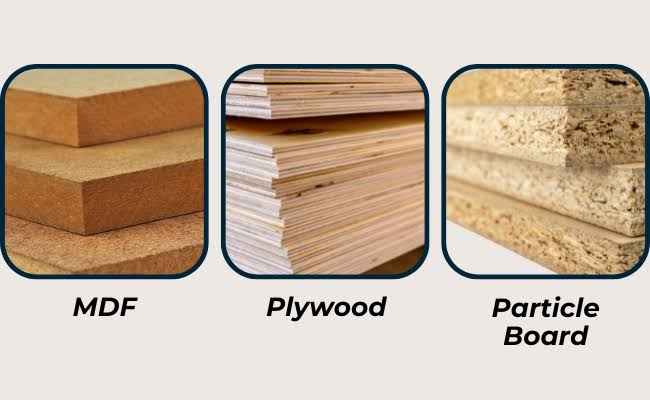
Plywood (strength + stability)
Often preferred when you want better strength-to-weight behavior and stability—especially for shelving that must feel solid in projects. Plywood’s layered structure is a core reason it’s widely used for structural panels. Flat-Pack Furniture Manufacturer+1
Best for: contract furniture, higher durability targets, repeated programs.
MDF (smooth surface, great for paint)
MDF machines well and supports smooth painted finishes. It’s heavier, so freight cost and handling become factors.
Best for: premium painted SKUs, feature shelving where surface perfection matters.
Particleboard (cost-effective, common in retail)
Great for price-driven programs. Needs tighter engineering for screw holding and long spans.
Best for: volume retail, value lines, where packaging and QC keep damage/returns low.
Documentation angle (important for GCC buyers serving global channels)
Even if you ship into GCC, many buyers also sell into UK/EU/US channels, so they ask about:
- Formaldehyde emissions standards for composite wood products under US EPA TSCA Title VI US EPA+1
- REACH obligations and “substances in articles” guidance for EU-linked programs 欧洲化学品署+1
This is why “material choice” isn’t just technical—it’s commercial.
5) Spec #3 — Finishes Built for Daily Cleaning & Heat-Controlled Interiors
In GCC apartments and hospitality, furniture faces:
- frequent cleaning
- air-conditioned interiors (temperature cycling)
- sometimes higher dust/sand presence near entries
Finish choices buyers understand
- Melamine: dependable for cost + wear resistance
- Laminate: higher durability for high-traffic areas
- Veneer: premium look (requires strong QC for consistency)
- Paint: premium; needs batch-to-batch control
Edge banding (where projects fail first)
Most field issues start at edges: chips, swelling, peeling. A GCC-ready spec should define:
- edge band thickness
- corner protection strategy
- acceptable visual standards (no glue lines, no chipping)
Keyword placement: Black bookcases and white wood bookcases are “safe palette” staples for GCC modern interiors. Pair them with warm wood textures. This combination creates a contemporary-luxury look.
6) Spec #4 — Load Rating & Anti-Sag Structure (How to Specify It)
What actually controls shelf performance
- span (width between supports)
- shelf thickness
- reinforcement (stiffener strip, metal support)
- connectors and back panel structure
What to request in your RFQ (simple but powerful)
Ask suppliers to quote:
- maximum recommended evenly distributed load per shelf (kg)
- recommended span limits for that load
This avoids vague marketing claims and makes tender comparison fair.
Anti-wobble strategies buyers should demand
- full back panel or structural bracing
- center divider for wide bookcase designs
- quality connectors (not just basic screws)
For a “wide bookcase” in projects, a center divider often saves you from sag complaints later.
7) Spec #5 — Safety & Documentation (Anti-Tip, Labels, Pack)
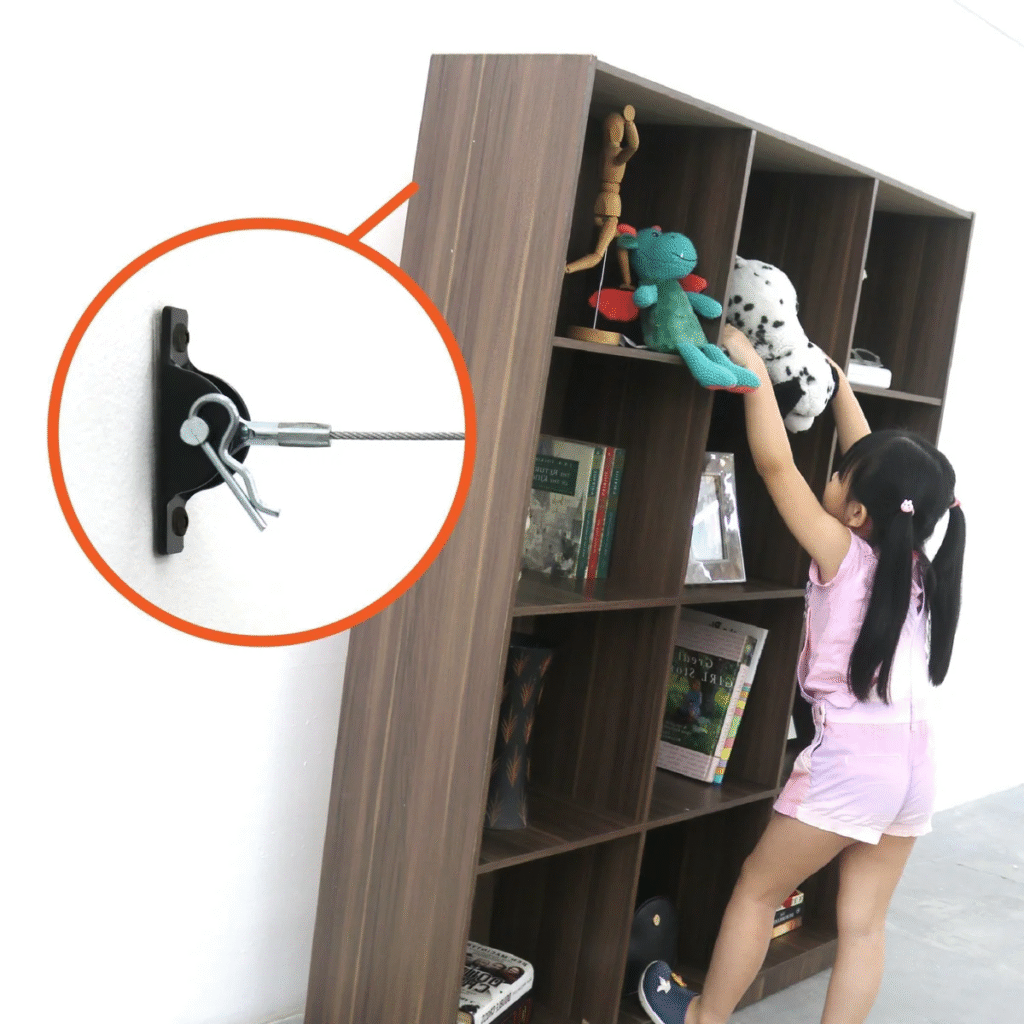
GCC buyers increasingly prioritize safety—especially for tall units in family apartments. In the US, the CPSC promotes anchoring furniture to prevent tip-overs (Anchor It!). Anchor It+2cpsc.gov+2
Minimum safety kit for tall shelving
- anti-tip kit included (bracket + screws)
- clear warning label placement
- manual section: anchoring instructions + wall type notes
Even if your destination is UAE/KSA, this safety package improves acceptance in:
- international tenders
- global brand programs
- family-focused retail lines
Document pack (makes buyers feel safe)
- material statement + panel standard statement (when applicable)
- REACH communication support (EU-linked) 欧洲化学品署
- TSCA Title VI info (US-linked) US EPA
8) Spec #6 — RTA / Flat-Pack Packaging That Survives GCC Logistics
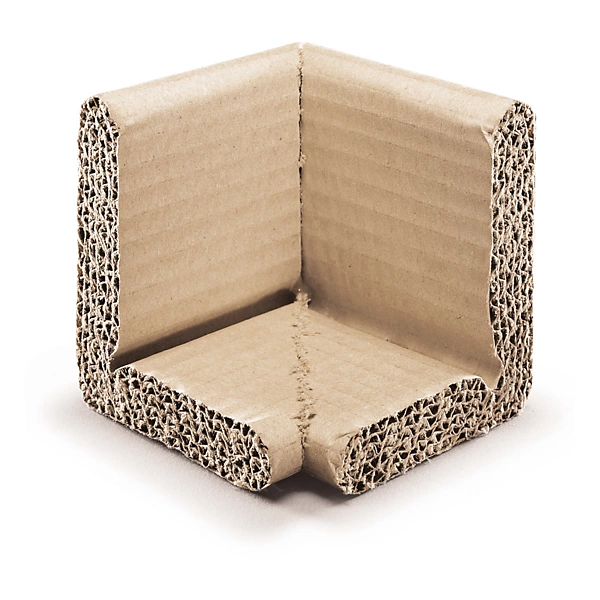
RTA wins in GCC because it reduces freight cube and supports scalable distribution—but only if packaging is engineered.
ISTA provides recognized packaging test procedures; ISTA 3A is commonly referenced for parcel-type distribution environments. 国际安全运输协会+2ANSI 网上商店+2
Typical failure points
- corner crush
- edge chipping
- surface scratches
- hardware loss
Packaging spec checklist (copy into RFQ)
- foam corner protectors on all critical panels
- edge guards for long boards
- protective film for high-gloss or sensitive surfaces
- labeled, sealed hardware kit + spare parts ratio
- carton strength appropriate for your distribution (warehouse + last-mile + site)
GCC tip: if your cartons will be handled multiple times (port/warehouse/site), invest in edge protection—claims cost far more than foam.
9) Spec #7 — Assembly Experience (Reduce Site Delays & Returns)
What “project-friendly assembly” means
- parts numbered to match the manual
- QR code to a short install video
- consistent hole alignment
- spare hardware included
Hardware choices (how buyers decide)
- cam locks: fast for retail and e-commerce
- confirmat screws: robust for contract furniture
- metal brackets: more rigid, slightly longer install
Set expectations: “single-person assembly” for small SKUs, “two-person recommended” for tall or wide units.
10) Spec #8 — Styles That Sell in UAE/KSA (Retail + Projects)
Middle East buyers typically want modern, clean lines with a premium feel.
High-intent styles
- open bookcase (light visual weight, easy staging)
- floating shelf bookcase (feature wall feel)
- leaning bookcase (trend; ensure stability + anti-tip)
- revolving bookcase / round bookcase (statement piece for boutique projects)
Fast-moving colors
- warm oak / light wood + white
- black accents (black bookcases remain popular)
- mixed materials for “premium” perception
Channel positioning
- e-commerce: lighter SKUs, packaging first, easy assembly
- retail showrooms: visual impact + consistent finishing
- projects: durability + serviceability + spares + repeatability
11) Spec #9 — OEM/ODM Workflow (From Brief → Golden Sample → Bulk)
If you want to attract GCC buyers, talk like procurement: process, timeline, risk control.
PlywoodMFR/Starwood positions itself as a flat-pack (RTA) manufacturer providing end-to-end OEM/ODM and serving B2B clients globally. For storage cabinets & bookcases, they list MOQ and lead time guidance. For example, MOQ from 200 sets/SKU. The lead time is 35–45 days after the golden sample. Flat-Pack Furniture Manufacturer
A GCC-friendly OEM/ODM timeline
- Buyer brief (market, use case, target price, finish, packaging route)
- CAD confirmation + load and safety targets
- Sampling + packaging validation
- Golden sample sign-off
- Bulk production + QC checkpoints
- Export cartons + shipment plan
GCC buyers care about these early clarifications
- MOQ per finish/SKU
- lead time after golden sample
- carton marking (Arabic/English labels if needed)
- spare parts policy + after-sales response
12) Spec #10 — Copy-Paste RFQ Spec Sheet (GCC-Ready)
Copy this into your email/WhatsApp inquiry:
Product type: bookcase / book shelf / book shelving
Use case: hotel / serviced apartment / multifamily / retail / e-commerce
Target market: UAE / Saudi Arabia / Qatar / Kuwait / UK / EU
Dimensions: W × D × H (mm); tiers (e.g., 5 tier bookcase / 6 shelf bookcase)
Material: plywood / MDF / particleboard (grade + thickness 12/15/18 mm)
Finish: melamine / laminate / veneer / paint (color code)
Edge banding: thickness + corner spec
Back panel: yes/no + thickness
Load target: evenly distributed load per shelf (kg)
Safety: anti-tip kit included + warning label + manual section
Packaging: corner protectors, edge guards, protective film, labeled hardware bag, spare parts ratio
Testing reference (optional): ISTA procedure reference for packaging validation 国际安全运输协会
Order plan: MOQ, forecast volume, shipping terms, carton branding needs
FAQ (Middle East Buyer Search Intent)

What is the difference between a bookcase and a bookshelf?
A bookcase is usually taller and more rigid with side panels (often a back panel). A bookshelf/book shelf is typically simpler and lighter. Book shelving usually refers to modular or wall-based systems for layout solutions.
What depth is best for books and binders?
200–250 mm suits most books; 280–320 mm is safer for A4 binders and office files.
How much weight can each shelf hold?
It depends on span, thickness, reinforcement, and connectors. Ask suppliers to quote evenly distributed load per shelf (kg) and confirm span limits.
Do I need anti-tip hardware?
Anti-tip hardware is strongly recommended for tall units in family apartments and many retail programs. Safety campaigns like CPSC’s Anchor It emphasize anchoring furniture to prevent tip-overs. Anchor It+1
Plywood vs MDF—what should I choose?
Plywood is often chosen for strength/stability, MDF for smooth painted finishes. Choose based on durability target, finish requirement, and landed cost.
How do we reduce shipping damage for flat-pack bookcases?
Define corner/edge protection, surface film, labeled hardware packs, and spare parts. Validate packaging using recognized test procedures when relevant. ISTA procedures are commonly referenced. 国际安全运输协会+1
What’s a typical MOQ and lead time for OEM/ODM?
MOQ and lead time vary by SKU and finish. For example, PlywoodMFR’s storage/bookcase page references MOQ and lead-time guidance for B2B programs. Flat-Pack Furniture Manufacturer
CTA
Send your target size + finish + quantity + destination (UAE/KSA/etc.) and request a Spec Pack (materials, load target, anti-tip, packaging proposal). For scalable programs, request MOQ by SKU. Ask for lead time after golden sample. Inquire about the spare parts policy to protect your schedule and service levels. Flat-Pack Furniture Manufacturer+1