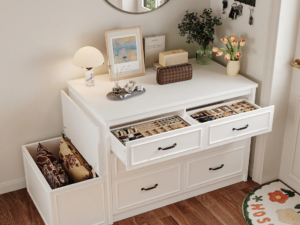

Solving Modern Kitchen Challenges: The RTA Cabinet Revolution
Executive Summary (for B2B buyers & procurement teams)
RTA kitchen cabinets provide cost savings. They are used from franchise rollouts to big-box private labels. They offer cost savings. They ensure fast deployment and offer code-ready compliance. This guide explains how flat-pack casework addresses real constraints. These constraints include labor shortages, freight volatility, emissions rules, and brand consistency. At the same time, it preserves design freedom and margin. We’ll also show which standards and certifications matter most (KCMA A161.1, EPA TSCA Title VI / CARB, FSC Chain of Custody, GREENGUARD, NKBA clearances) and how to derisk logistics with ISTA-backed packaging and clear Incoterms 2020.
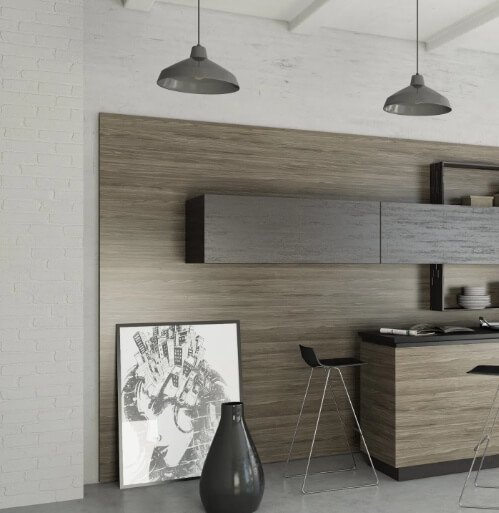
1) Slash Total Landed Cost Without Sacrificing Quality
Flat-pack volume efficiency cuts cubic meters per kitchen dramatically, unlocking lower freight per unit and more flexible warehousing. Assembly moves downstream to installers, while upstream factories run CNC-driven, repeatable production. For performance assurance, specify cabinets built to KCMA A161.1—a nationally recognized construction & performance standard covering structural integrity, door/drawer cycling, finish durability, and more. Require the supplier to reference A161.1 in drawings and QC checkpoints.
Pro tip: Tie payments to a first-article that passes your acceptance checklist and to packaging that meets ISTA 3-Series General Simulation tests for the distribution path (parcel vs. pallet/LTL). These protocols simulate shock, vibration, and handling hazards typical in real transport environments, helping to prevent concealed damage and returns.
2) Accelerate Rollouts With Configurable, Standards-Aligned Modules
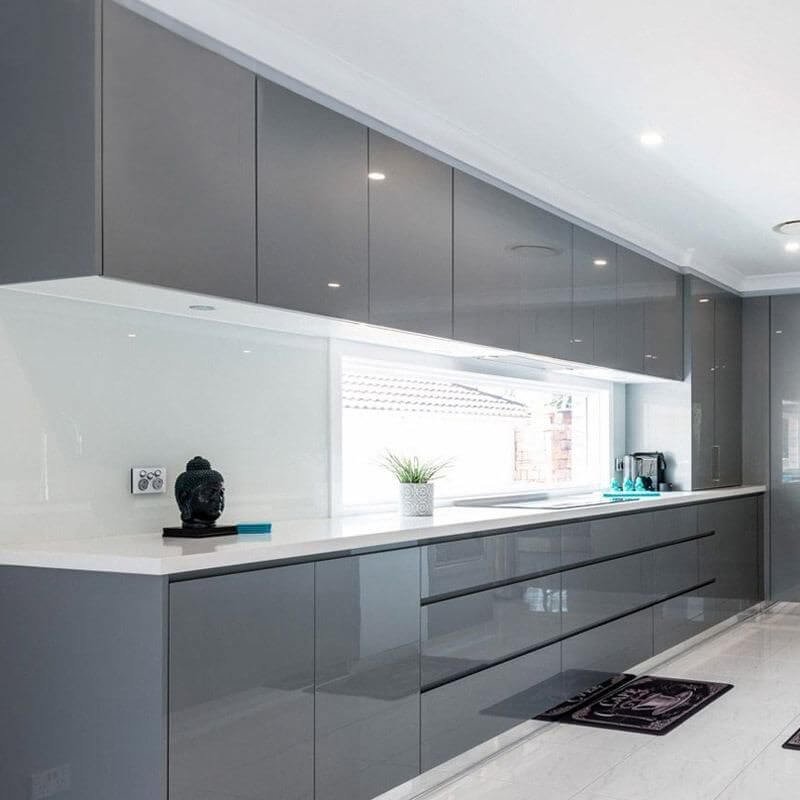
RTA cabinet platforms excel at SKU rationalization—fewer cores, more front options—and rapid site replication. To maintain functionality and code-consciousness across markets, designers should align plan sets with NKBA Kitchen Planning Guidelines. This includes clearances, work zones, and access standards. Doing so ensures the modules drop in predictably, avoiding field improvisation. (NKBA Media)
3) Meet Emissions Rules and IAQ Expectations—Every Time
B2B buyers serving U.S. markets must demand composite wood that meets EPA TSCA Title VI formaldehyde limits. These limits are harmonized with CARB’s Airborne Toxic Control Measure. Request mill certificates. Ask for the EPA-recognized TPC (Third-Party Certifier) details. Verify references to 40 CFR Part 770 in the documentation. For differentiation in multi-family and hospitality channels, request GREENGUARD (Gold) cabinetry or finishes. This provides independent confirmation of low VOC emissions. It supports healthier interiors. (环境保护局)
4) Build Sustainability Credibility That Specifiers Trust
Sustainability claims resonate only when they’re verifiable. If your product uses forest-based materials, require your supplier to hold FSC Chain of Custody (CoC). It tracks certified fiber from forest to finished cabinet. This enables on-product labeling and auditability for tenders and ESG reporting. Note: FSC CoC is about traceability, not just legal timber. Use the official FSC references in specs and marketing.
5) Reduce Damage Rates With Evidence-Based Packaging

Kitchen projects lose margin when cartons arrive scuffed, wet, or crushed. Mandate packaging validated by ISTA General Simulation tests appropriate to the route (e.g., 3-Series for parcel/e-commerce or mixed retail logistics). ISTA documents outline transport hazards. They provide a framework to choose the right protocol. Aligning your master carton design with ISTA helps minimize in-transit failures and negative reviews.
6) De-Risk International Purchasing With Clear Terms
A clean quotation should state Incoterms 2020, currency, payment terms, and lead-time windows. For example, FOB can give you freight control. CIF shifts insurance and freight costs to the seller. This may not be ideal for containerized shipments where you want carrier selection. Educate internal stakeholders with ICC’s official overview before negotiating so you allocate cost and risk intentionally. (ICC – International Chamber of Commerce)
7) Preserve Design Freedom—At Scale
RTA cabinetry no longer equals “cookie-cutter.” With modular carcasses, multiple door/drawer fronts, and hardware packs, you can create brand-specific looks. Veneer and laminate options help retain standardized cores. Overlay function and safety with NKBA guidance and performance with KCMA A161.1 to harmonize aesthetics and durability across SKUs. (NKBA Media)
Compliance & Specification Playbook (Copy-Paste Ready)
Materials & Emissions
- Substrates: Plywood/particleboard/MDF must comply with EPA TSCA Title VI; maintain chain-of-custody records for all composite wood. Reference 40 CFR Part 770 in the bill of materials and supplier onboarding checklist.
- California markets: Additionally comply with CARB ATCM; keep laminate/Veneer HWPW, PB, MDF documentation on file.
- Optional IAQ labeling: Prioritize GREENGUARD (Gold) when project owners require low-emitting products. (UL Solutions)
- Responsible sourcing: Prefer FSC CoC certified cabinetry for public bids and ESG reports.
Performance & Durability
- Cabinetry shall meet KCMA A161.1 structural, door/drawer cycle, and finish tests; submit current certificate or 3rd-party lab report.
Functional Planning
- Layouts conform to NKBA clearances and access standards; document deviations and mitigation. (NKBA Media)
Packaging & Logistics
- Cartons validated against ISTA 3-Series protocol suited to the route (parcel vs. pallet).
- Labeling: photo-based assembly guide + QR code for video.
- Incoterms: Confirm Incoterms 2020 term per PO (FOB, CIF, DDP, etc.). (ICC – International Chamber of Commerce)
How RTA Cabinets Tackle Today’s Kitchen Pain Points
Lead Times & Labor
Flat-pack flows convert container space into inventory velocity. Onsite, installers assemble with predictable hardware and pre-drilled patterns, reducing the need for specialized carpentry.
Price Pressure & Margin
You’re buying manufacturing efficiency, not just materials. Standardized cores consolidate procurement, and the same module library drops into apartments, hospitality, and build-to-rent programs with tailored fronts.
Compliance Complexity
Regulatory baselines differ by destination. A robust supplier will align materials to TSCA Title VI/CARB proactively. They will provide TPC numbers and furnish ongoing mill test data. This ensures your compliance team isn’t chasing docs post-delivery.
Brand Consistency at Scale
RTA lets you lock tolerances and finishes across sites. Combining KCMA performance validation with NKBA planning yields kitchens that look consistent and perform consistently under heavy use.
Logistics Risk
Packaging designed around ISTA touchpoints (drop, vibration, compression, humidity exposure) keeps claims low. Escalate to pallet tests for LTL distribution when needed.
Procurement Checklist (B2B)
- Standards & Docs: KCMA A161.1 certificate; TSCA Title VI/CARB compliance with TPC and mill IDs; optional GREENGUARD and FSC CoC numbers.
- Materials: Substrate spec; edge treatment; finish system and sheen; hardware brands and cycle ratings.
- QC & Tolerances: Door/drawer gaps; carcass squareness; load testing records.
- Packaging: ISTA protocol used; corner/edge protection; moisture barrier; palletization plan.
- Commercials: Incoterms 2020; currency; production lead time; warranty; spare parts policy. (ICC – International Chamber of Commerce)
- After-Sales: Assembly manuals, QR videos, replacement parts SLA.
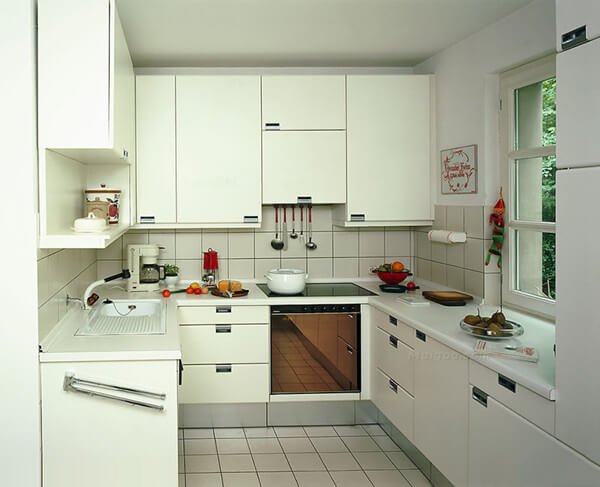
Engineering Notes for Bidders & Specifiers
- Carcass: This consists of a multi-ply or particle/MDF core with compliant resins. The thickness is typically 18/16/12 mm. The back panel is ≥ 5 mm in a dado, providing racking strength.
- Joinery: Confirm cam/dowel template compatibility with your field installers; specify hinge cup spacing and drawer slide hole patterns.
- Finish: UV-cured topcoats or high-pressure laminates for abrasion and moisture resistance; request surface test data aligned to your sector.
- Moisture Management: Seal cut edges; use water-resistant cores where sinks or dishwashers interface.
- Functional Guidance: Align walkways, work triangles, and appliance clearances to NKBA references to minimize call-backs. (NKBA Media)
Case-Style Scenarios (What Good Looks Like)
- Multifamily Value Spec: KCMA A161.1-verified carcass, melamine interior, HPL fronts, steel soft-close hardware, GREENGUARD (Gold) finish pack; ISTA 3-Series parcel testing for direct-to-site delivery.
- Hospitality Mid-Scale: FSC CoC veneer fronts. Moisture-resistant substrates are used near wet zones. There is robust corner protection. Palletized LTL is included. Incoterms FOB are applied for freight control.
- Retail Private Label: We provide a standardized module library. Our NKBA-aligned depth/height matrix ensures accuracy. We also offer colorways per season. Additionally, each packaging bill of materials is mapped to each ISTA test element. (NKBA Media)
FAQs
Q1: Are RTA kitchen cabinets durable enough for rental turnover?
Yes—when built and verified to KCMA A161.1, cabinets undergo structural, cycle, and finish testing that simulates years of use. Specify A161.1 in your PO and drawings.
Q2: What documents prove compliance for the U.S. market?
Request TSCA Title VI records (including TPC), and for California, CARB ATCM compliance statements. Keep 40 CFR Part 770 as the governing reference in contracts.
Q3: How do we minimize shipping damage?
Require packaging validated by an ISTA General Simulation protocol appropriate to your route. Re-test the packaging after any material or supplier change.
Q4: What sustainability labels matter to specifiers?
FSC Chain of Custody (traceable wood sourcing) and GREENGUARD (Gold) (low chemical emissions) are widely recognized in commercial bids.
Q5: Which Incoterms are common for cabinets?
FOB and CIF are common, but choose based on who should control freight/insurance and where risk transfers—per Incoterms 2020. (ICC – International Chamber of Commerce)
ABOUT US
We are a plywood-focused RTA cabinet and casework manufacturer serving B2B clients in residential, multifamily, hospitality, and retail channels. Our value proposition: standardized modules, verified compliance, and reliable packaging. Your projects ship faster. They assemble cleanly. They pass inspections the first time. Contact us to request sample kits, finish decks, and a line review tailored to your channel.