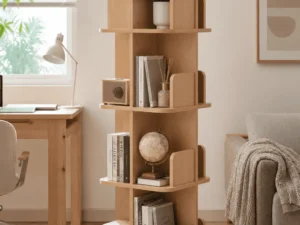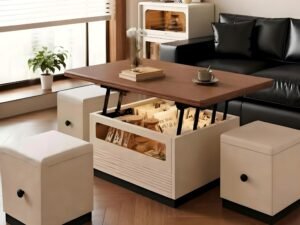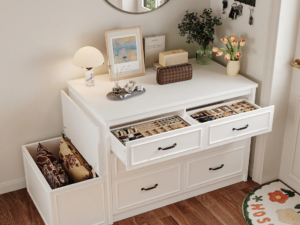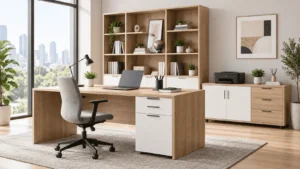
For B2B furniture buyers, choosing a custom kids bedroom furniture manufacturer is not only about style or price. It is about stable production, safe panel materials, export packaging, private label support, MOQ control, and repeatable quality across bulk orders. If you are a brand owner, importer, wholesaler, hotel project buyer, apartment furniture contractor, or OEM/ODM sourcing manager, the right factory partner can help you turn drawings, market ideas, or reference products into container-ready kids bedroom furniture collections.
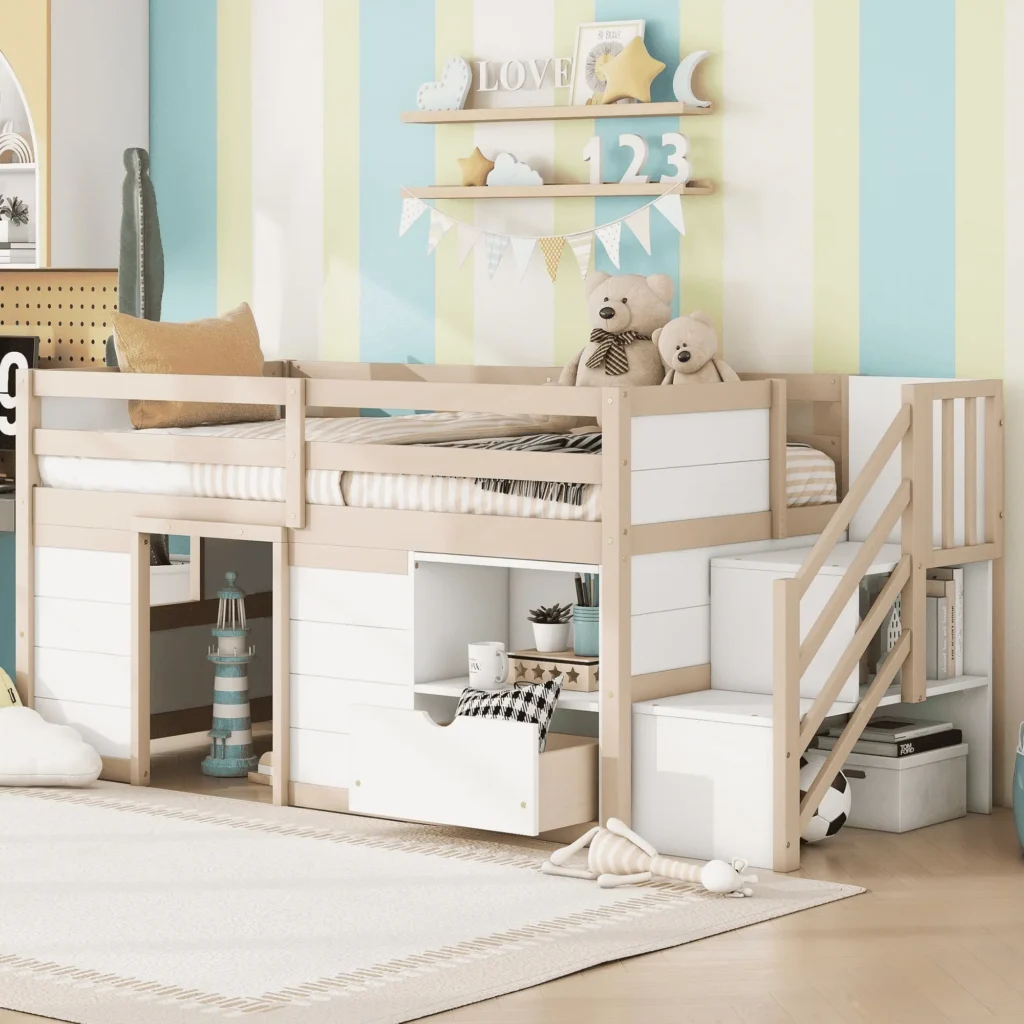
Table of Contents
- Why B2B Buyers Search for a Custom Kids Bedroom Furniture Manufacturer
- What Makes Kids Bedroom Furniture Different from Regular Panel Furniture
- Main Application Scenarios for Custom Kids Bedroom Furniture
- Materials Commonly Used in OEM Kids Bedroom Furniture
- 7 Smart OEM Tips Before Placing an Order
- MOQ, Sampling, Lead Time and Bulk Production Planning
- Export Packaging for Flat-Pack Kids Furniture
- Customization Workflow from Design to Shipment
- Internal Links for Project Buyers
- Final CTA
- FAQ
Why B2B Buyers Search for a Custom Kids Bedroom Furniture Manufacturer
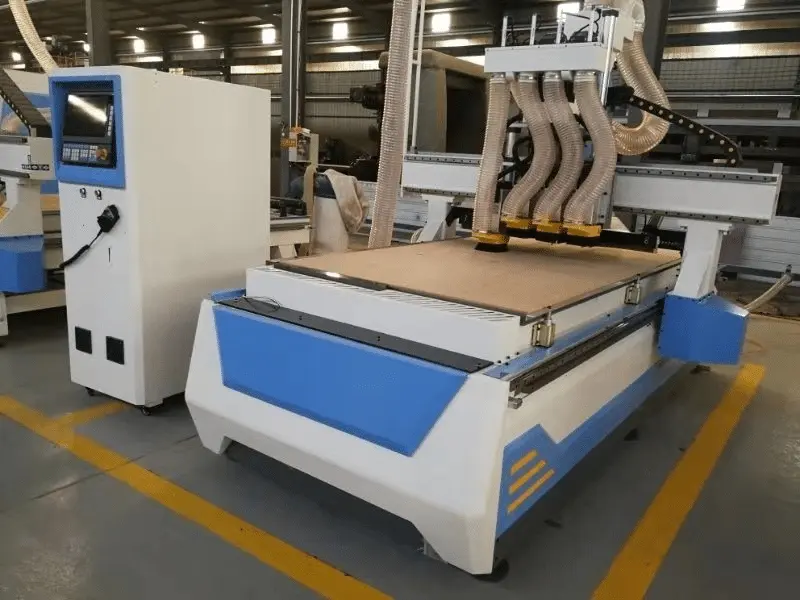
A professional custom kids bedroom furniture manufacturer serves a very different purpose from a retail furniture seller. Retailers sell finished products. A factory helps buyers build repeatable product programs.
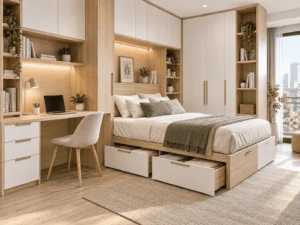
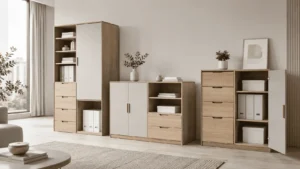
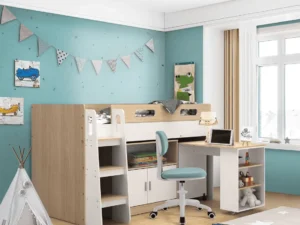
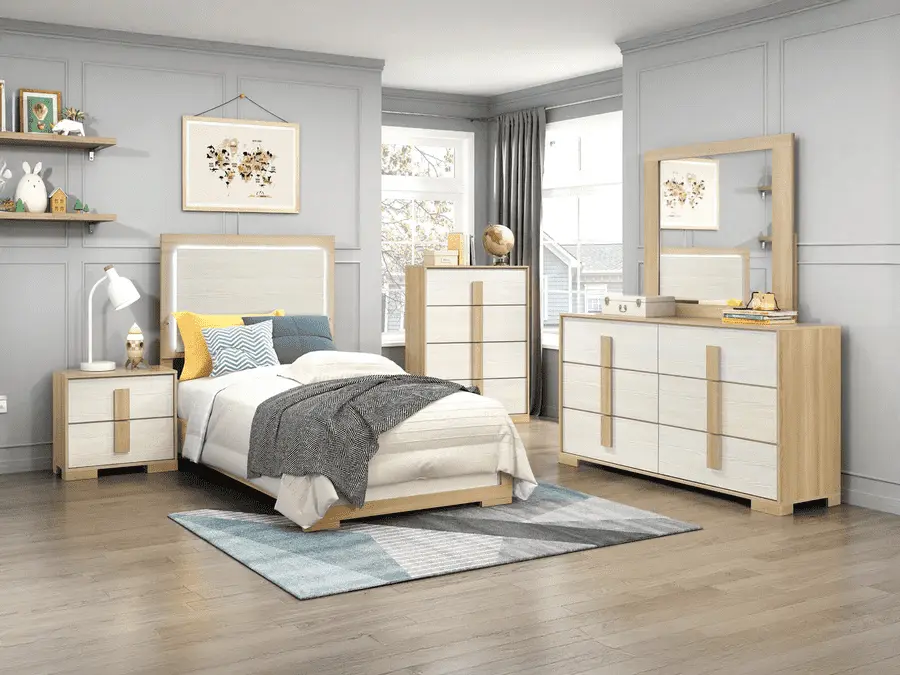
For international buyers, this matters because kids bedroom furniture is often ordered as a full collection rather than as one single item. A typical project may include bunk beds, loft beds, wardrobes, study desks, bookshelves, toy storage cabinets, bedside tables, and modular storage units. These products need consistent colors, matched panel thickness, coordinated hardware, stable packing, and clear installation instructions.
Buyers usually search for terms such as:
- custom kids bedroom furniture manufacturer
- custom kids bedroom furniture factory
- kids bedroom furniture OEM
- private label kids furniture supplier
- OEM kids room furniture factory
- flat pack kids furniture manufacturer
- China panel furniture export factory
These are commercial-intent keywords. The buyer is not only reading for information. They may already be comparing factories, preparing a quotation request, or looking for an OEM/ODM partner that can support private label collections.
At Starwood, our factory positioning is focused on OEM and ODM flat-pack panel furniture for global brands, importers, wholesalers, e-commerce sellers, hotel projects, apartment projects, and commercial furniture programs. For buyers who need kids bedroom products, our custom kids bedroom furniture category can be used as a starting point for design selection, customization, and OEM discussion.
What Makes Kids Bedroom Furniture Different from Regular Panel Furniture
Kids furniture is not just smaller adult furniture. It requires extra attention to safety, structure, user behavior, and packaging protection.
Children climb, pull, jump, open drawers repeatedly, and use furniture in ways that adults may not expect. This means buyers should discuss structure and details with the factory before confirming a design. For example, bunk beds and loft beds need guardrails, stable ladders, reasonable step spacing, smooth edges, and strong connection points. Study desks need stable drawer runners and durable surfaces. Wardrobes and storage cabinets should be designed with anti-tip considerations where required by the target market.
For U.S.-market buyers, furniture tip-over safety is a serious topic. The U.S. Consumer Product Safety Commission provides public guidance through its Anchor It campaign, and buyers of clothing storage units should also review CPSC guidance for clothing storage units. For relevant storage products, ASTM also publishes ASTM F2057-23, a safety specification related to clothing storage units.
This does not mean every kids furniture product has the same test requirement. It means serious buyers should confirm the target market, product category, applicable standards, and test requirements before mass production.
A good custom kids bedroom furniture factory should ask practical questions:
- Which country or region will the products be sold in?
- Will the product be sold through retail stores, online platforms, hotel projects, or apartment projects?
- Is the product for children, teenagers, student housing, or family apartments?
- Do you need private label packaging?
- Do you require third-party testing?
- Do you need installation manuals, carton labels, barcodes, or spare parts bags?
These questions show factory experience. A factory that only quotes based on a picture may miss important production and compliance details.
Main Application Scenarios for Custom Kids Bedroom Furniture
B2B buyers often have different sourcing goals. A professional OEM kids bedroom furniture manufacturer should understand these different scenarios and adjust the proposal accordingly.
1. Private Label Kids Furniture Collections
Brand owners and importers often need a private label collection that looks unique in their market. The factory may help adjust dimensions, colors, finishes, handles, edge banding, packaging, carton marks, and instruction manuals.
For private label buyers, the most important point is not only whether the factory can make one attractive sample. The key is whether the factory can repeat the same quality in bulk production and maintain color consistency across multiple SKUs.
Common private label products include:
- Kids loft beds with desks
- Bunk beds with storage drawers
- Children’s wardrobes
- Study desks with cabinets
- Toy storage shelves
- Bedside tables
- Modular kids bedroom sets
2. Hotel and Serviced Apartment Projects
Hotel, resort, family-room, and serviced apartment projects may require durable kids bedroom furniture for themed rooms, family suites, long-stay apartments, or children’s activity areas.
Project buyers usually care about:
- Stable structure
- Easy installation
- Replacement parts
- Matched finishes
- Bulk delivery schedule
- Site-friendly packaging
- Repeat orders for future phases
For this type of buyer, our project furniture manufacturing service can help connect product development with project delivery requirements.
3. Apartment, Dormitory and Rental Housing Projects
Apartment and dormitory buyers often prefer compact, functional, space-saving furniture. Kids bedroom products may be used for family apartments, student housing, co-living projects, or rental units.
Good designs include storage beds, loft beds, study desks, wardrobes, and modular shelves. The focus is practical: save space, reduce shipping volume, simplify installation, and keep the design easy to maintain.
4. E-Commerce and Marketplace Furniture Sellers
Online sellers need furniture that is well packed, easy to assemble, and optimized for customer reviews. A product may look good in photos, but if the packaging is weak or the assembly manual is confusing, return rates can increase.
For e-commerce buyers, the factory should pay attention to:
- Drop-test or transport simulation requirements if needed
- Carton strength
- Clear assembly instructions
- Hardware bags with labels
- Spare parts planning
- Product images and specification consistency
- Reasonable flat-pack carton dimensions
5. Wholesale and Distributor Programs
Wholesalers need stable supply and container loading efficiency. They often prefer a product range that can be sold repeatedly across multiple markets. For this reason, a custom kids bedroom furniture factory should help balance design appeal with production efficiency.
Materials Commonly Used in OEM Kids Bedroom Furniture
Panel furniture is popular for kids bedroom projects because it supports flexible design, consistent color, flat-pack shipping, and cost-effective production.
Common materials include MDF, particle board, plywood, melamine board, laminated panels, PVC edge banding, metal hardware, drawer slides, hinges, screws, connectors, and packaging accessories.
MDF
MDF is often used where smooth surfaces, painted finishes, or shaped details are required. It can be used for drawer fronts, decorative panels, shelves, desks, and some cabinet components. For kids furniture, buyers should confirm surface finish, board grade, thickness, and formaldehyde emission requirements.
Particle Board
Particle board is commonly used for cost-effective flat-pack furniture. It works well with melamine surfaces and is suitable for wardrobes, shelves, desks, cabinets, and storage furniture. It is widely used in OEM/ODM furniture programs because it is stable for standardized production and efficient for container loading.
Plywood
Plywood can be used where stronger structural performance is needed. Some buyers prefer plywood for certain bed structures, ladder components, or higher-positioned load-bearing parts. The final material choice depends on design, target cost, required strength, and buyer specification.
Surface Finishes
Kids bedroom furniture often uses melamine, paper foil, PVC film, painted finish, or laminate-style surfaces. Popular colors include white, oak, walnut, grey, pastel pink, pastel blue, green, cream, and mixed wood-color combinations.
For children’s products, buyers should pay attention to smooth edges, durable surfaces, easy cleaning, and color consistency between sample and bulk production.
Formaldehyde and Composite Wood Requirements
For buyers selling into the U.S. market, composite wood requirements are important. The U.S. Environmental Protection Agency explains formaldehyde emission standards for composite wood products, including requirements related to hardwood plywood, MDF, particleboard, and finished goods containing these materials.
For EU-market buyers, product safety and chemical compliance may also need to be reviewed. The European Commission provides information about the General Product Safety Regulation, and REACH-related information is available from the European Commission’s REACH regulation page.
A responsible factory should not make unrealistic compliance promises without checking the material, product type, and target market. Instead, it should help buyers define what documents, tests, or certificates are needed before production.
7 Smart OEM Tips Before Choosing a Custom Kids Bedroom Furniture Manufacturer
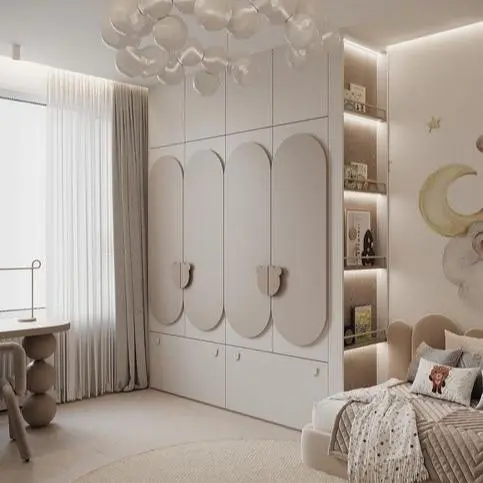
Tip 1: Start with the Target Market, Not Just the Product Photo
Many buyers send a photo and ask for a quote. This is fast, but not enough for a serious OEM project.
Before quoting, the factory needs to understand the sales market. A kids wardrobe for a U.S. retailer may have different safety, labeling, packaging, and testing expectations from a product for a Middle East project or a Southeast Asia distributor.
When sending an inquiry, include:
- Target country or region
- Sales channel
- Expected annual volume
- Product dimensions
- Material preference
- Finish requirement
- Packaging requirement
- Testing requirement
- Private label details
- Target price range
This helps the factory recommend a more realistic solution.
Tip 2: Confirm Product Structure Before Confirming Price
For kids bedroom furniture, the lowest price may come from reducing panel thickness, simplifying hardware, weakening packaging, or using lower-grade materials. That may create risk later.
For beds, bunk beds, loft beds, and storage furniture, structure should be reviewed carefully. Ask the factory to confirm:
- Panel thickness
- Load-bearing design
- Guardrail design
- Ladder and step details
- Screw and connector type
- Drawer slide specification
- Edge banding thickness
- Hardware quality
- Assembly method
- Anti-tip or wall-fixing accessories where required
A reliable custom kids bedroom furniture manufacturer should be willing to discuss technical details, not only unit price.
Tip 3: Ask About OEM/ODM Engineering Support
Some buyers already have finished CAD drawings. Others only have reference photos, market ideas, or competitor samples. The factory’s role is different in each case.
OEM means the buyer provides the design, and the factory manufactures according to the specification. ODM means the factory helps develop the design, structure, and production solution.
If you are developing a new product line, choose an OEM & ODM furniture manufacturing services partner that can support product development, sampling, engineering optimization, bulk production, QC, and export packing.
Good factory engineering support can help with:
- Adjusting dimensions for container loading
- Simplifying structure for assembly
- Improving panel nesting efficiency
- Reducing unnecessary parts
- Strengthening weak connection points
- Matching colors across several SKUs
- Improving carton size and packaging protection
This is where real factory experience creates value.
Tip 4: Review MOQ Based on Production Reality
MOQ should be discussed honestly. For panel furniture export orders, MOQ is often connected with material purchasing, color customization, hardware sourcing, carton printing, production line setup, and container loading.
For many OEM furniture projects, a practical MOQ may be one container, especially when buyers need custom colors, private label cartons, or multiple SKUs in one collection. If the buyer is testing a new market, the factory may help arrange a mixed container, but it must still be practical for production.
When discussing MOQ, ask:
- Can different kids furniture SKUs be mixed in one container?
- What is the MOQ for a custom color?
- What is the MOQ for printed cartons?
- What is the MOQ for special hardware?
- Can samples be made before bulk order?
- Can the factory support repeat orders after trial order?
MOQ is not just a number. It reflects production efficiency, material preparation, and cost control.
Tip 5: Check Lead Time for Sample, Bulk Production and Packaging
Lead time is important for importers, wholesalers, and project buyers. Delays can affect product launches, retail promotions, project installation schedules, and seasonal sales.
A practical timeline may include:
- Design confirmation
- Technical drawing review
- Sample production
- Sample checking and modification
- Material purchasing
- Bulk production
- QC inspection
- Packaging production
- Loading and shipment
For OEM kids bedroom furniture, buyers should not only ask “How many days for production?” They should ask for the full schedule from design confirmation to loading.
A factory with experience in export orders should give a clear timeline and explain which steps may affect delivery.
Tip 6: Make Packaging Part of the Product Development
For flat-pack kids furniture, packaging is not an afterthought. It is part of the product.
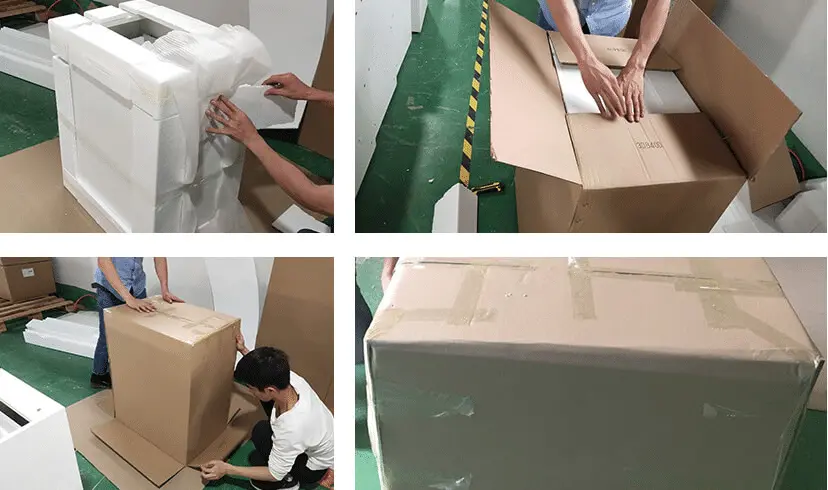
Many B2B furniture complaints happen because of shipping damage, missing hardware, scratched panels, weak corners, or unclear instructions. Strong packaging can protect the product and reduce after-sales cost.
For international trade, buyers can also review shipping and customs planning. The World Customs Organization provides information about the Harmonized System, and the WTO explains trade facilitation through its Trade Facilitation Agreement. These sources are useful when buyers discuss documentation, classification, and shipment planning with logistics partners.
For furniture packaging, confirm:
- Carton material and thickness
- Foam, corner protector, honeycomb board, or EPE protection
- Hardware bag labeling
- Assembly instruction format
- Barcode and carton mark
- Drop-test requirements if needed
- Pallet or non-pallet loading
- Container loading plan
You can also review our flat-pack export packaging page for packaging-related manufacturing support.
Tip 7: Choose a Factory That Thinks Like a Supply Chain Partner
A good custom kids bedroom furniture factory does more than produce furniture. It helps buyers reduce risk.
The right partner should understand:
- Export documentation
- Material selection
- OEM/ODM development
- Cost control
- Quality consistency
- Packaging protection
- Container loading
- Communication during production
- Long-term repeat orders
For professional buyers, this is often more valuable than a very low first quotation.
ISO 9001 is widely recognized as a quality management system standard, and buyers can review the official ISO 9001 page to understand why process control matters in manufacturing. For buyers who care about responsible wood sourcing, FSC also provides information about controlled wood sourcing.
A factory does not need to use complicated language. It needs to show clear processes, practical suggestions, and stable execution.
MOQ, Sampling, Lead Time and Bulk Production Planning
When working with a kids bedroom furniture OEM factory, buyers should separate sampling from bulk production.
Sample Stage
The sample stage is used to confirm design, size, color, surface finish, hardware, structure, assembly, packaging idea, and photo reference. For a new kids bedroom furniture collection, one sample may not be enough if several SKUs must match.
Sample discussions should include:
- Sample fee
- Sample lead time
- Material availability
- Color matching
- Hardware confirmation
- Assembly checking
- Packaging concept
- Modification after sample review
A sample is not only for appearance. It is the first test of whether the product can be produced repeatedly.
Bulk Production Stage
Bulk production starts after the buyer confirms the sample, drawings, material, packaging, labels, and order details. At this stage, the factory should control cutting, drilling, edge banding, surface checking, hardware packing, carton packing, and final inspection.
For project orders, buyers should confirm whether production is shipped in one batch or several batches. For private label collections, buyers should confirm whether each SKU has separate cartons, labels, manuals, and replacement parts.
Practical Lead Time Discussion
Lead time depends on order quantity, customization level, material stock, factory schedule, testing requirements, and packaging complexity. Buyers should not assume that all products can be made within the same period.
A factory-experienced approach is to confirm:
- Final drawings before production
- Approved material samples
- Approved packaging artwork
- Approved instruction manual
- Approved carton marks
- Inspection date
- Loading date
This reduces misunderstandings and protects both buyer and factory.
Export Packaging for Flat-Pack Kids Furniture
Flat-pack furniture is popular in international trade because it reduces shipping volume and supports efficient container loading. But kids bedroom furniture often includes many parts, boards, screws, rails, handles, ladders, and drawers. If packaging is not planned well, the risk of damage or missing parts increases.
A strong packaging solution may include:
- Clear part numbering
- Separated hardware bags
- Protective foam or EPE
- Corner protection
- Reinforced cartons
- Moisture protection where needed
- Installation manual
- Carton label and shipping mark
- Barcode or private label sticker
- Spare hardware package
For e-commerce sellers, packaging must also support customer experience. The buyer should think about what happens after the customer opens the carton. If parts are hard to identify or the manual is unclear, customer service costs may increase.
For hotel, apartment, and project buyers, packaging should support installation efficiency. Products may arrive at a project site where workers need to install many units quickly. Clear labels and part organization can save time.
Customization Workflow from Design to Shipment
A clear workflow makes OEM projects easier to manage. Below is a practical factory workflow for custom kids bedroom furniture.
Step 1: Send Inquiry and Target Market Information
The buyer sends product photos, drawings, target dimensions, market requirement, estimated quantity, and packaging needs. The factory reviews feasibility and asks necessary questions.
Step 2: Initial Quotation and Technical Feedback
The factory provides a quotation based on material, structure, quantity, packaging, and customization level. At this stage, the factory may suggest changes to improve cost, strength, production efficiency, or packaging.
Step 3: Design Confirmation and Sampling
The buyer confirms the design direction. The factory prepares drawings or sample details. A sample is made for checking color, structure, function, assembly, and appearance.
Step 4: Sample Review and Modification
The buyer reviews the sample and gives feedback. The factory adjusts dimensions, hardware, color, structure, or packaging if needed.
Step 5: Bulk Order Confirmation
After sample approval, the buyer confirms order quantity, payment terms, production schedule, packaging artwork, carton marks, and shipment plan.
Step 6: Mass Production and QC
The factory controls production steps, including panel cutting, drilling, edge banding, surface checking, hardware packing, packaging, and final inspection.
Step 7: Export Packing and Container Loading
Products are packed according to export requirements. The factory prepares loading, photos, packing list, and shipment-related support.
Step 8: Repeat Order and Product Line Expansion
After the first order, buyers may add new colors, new sizes, extra SKUs, or updated packaging. A long-term OEM/ODM partner can help improve the collection based on market feedback.
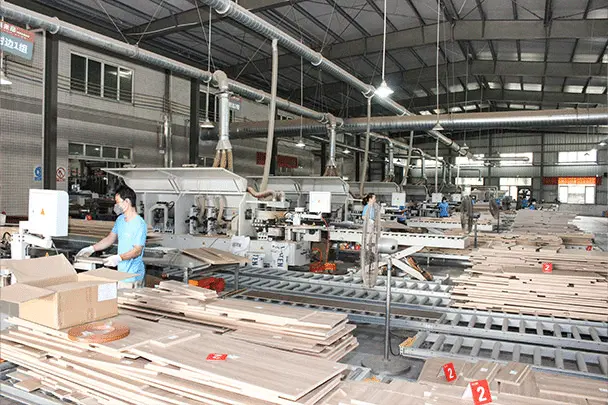
Why Work with a Panel Furniture Export Factory Instead of a Trading Company?
Trading companies can help some buyers source products, but for custom kids bedroom furniture, a direct factory often has advantages.
A panel furniture export factory can provide more direct communication about material, cutting, edge banding, drilling, packaging, and production schedule. If the buyer needs OEM/ODM changes, direct factory feedback is faster and more practical.
Factory advantages include:
- Direct production control
- Better technical communication
- More flexible customization
- Faster sample modification
- Better cost structure
- Direct QC feedback
- Easier repeat order management
- More practical packaging improvement
For buyers who need long-term supply, this matters. A project buyer or brand owner does not only need one shipment. They need a stable manufacturing partner.
You can learn more about our factory background on The Company page, or start from our main flat-pack furniture manufacturer page to understand our overall manufacturing focus.
Recommended Internal Pages for Buyers
If you are sourcing kids bedroom furniture for OEM, wholesale, private label, or project use, these pages may help you move faster:
- Custom kids bedroom furniture — product page anchor for kids room furniture collections
- OEM & ODM furniture manufacturing services — for custom development, sampling, private label, and production support
- Project furniture manufacturing — for hotel, apartment, dormitory, and commercial project orders
- The Company — for factory background and manufacturing capability
- Flat-pack export packaging — for export carton, packing, and shipment protection discussion
Final Buyer Checklist Before Sending an Inquiry
Before contacting a custom kids bedroom furniture manufacturer, prepare the following information:
- Product type: bed, bunk bed, loft bed, wardrobe, desk, shelf, storage unit, or full set
- Target market: U.S., EU, UK, Australia, Middle East, Southeast Asia, etc.
- Sales channel: wholesale, retail, online, project, hotel, apartment, dormitory
- Design files: drawing, reference photo, sample, CAD file, or 3D model
- Material preference: MDF, particle board, plywood, melamine board, laminate finish
- Color and finish requirement
- Hardware requirement
- Packaging requirement
- Private label requirement
- Estimated order quantity
- MOQ expectation
- Target price range
- Testing or compliance requirement
- Shipment destination
- Expected delivery schedule
The more complete your inquiry is, the faster the factory can provide accurate feedback.
CTA: Start Your Custom Kids Bedroom Furniture Project
Looking for a reliable custom kids bedroom furniture manufacturer, factory, and OEM/ODM supplier for your next collection or project?
Share your target market, product drawings, reference photos, quantity plan, material requirements, and packaging needs. Our team can help you review the structure, suggest practical materials, estimate MOQ, prepare a quotation, and support your kids bedroom furniture project from sampling to export-ready bulk production.
Send your project details today and get factory-direct support for custom kids bedroom furniture, OEM kids room furniture, private label furniture collections, hotel/apartment projects, and flat-pack export orders.
FAQ
What is a custom kids bedroom furniture manufacturer?
A custom kids bedroom furniture manufacturer is a factory that produces children’s bedroom furniture according to buyer requirements, including size, color, material, structure, hardware, packaging, logo, and private label details. It usually supports OEM and ODM production for brands, importers, wholesalers, e-commerce sellers, hotel projects, and apartment projects.
Can you manufacture private label kids bedroom furniture?
Yes. Private label support can include custom product design, brand logo, carton marks, instruction manuals, barcodes, packaging artwork, color matching, and collection development. Buyers should provide brand requirements before sampling and bulk production.
What kids bedroom furniture products can be customized?
Common products include kids beds, bunk beds, loft beds, wardrobes, study desks, bookshelves, toy storage units, bedside tables, storage cabinets, and full kids bedroom furniture sets. Designs can be adjusted for different markets, room sizes, and project requirements.
What materials are commonly used for kids bedroom furniture?
Common materials include MDF, particle board, plywood, melamine board, laminated panels, PVC edge banding, drawer slides, hinges, connectors, and metal hardware. Material selection depends on structure, target price, design style, and target market requirements.
What is the MOQ for custom kids bedroom furniture?
MOQ depends on material, finish, color, packaging, hardware, and order structure. For export panel furniture, one container is often a practical starting point, especially for private label or custom color orders. Mixed-container programs may be discussed based on production feasibility.
How long does it take to produce custom kids bedroom furniture?
Lead time depends on sample development, material preparation, order quantity, factory schedule, packaging requirements, and testing needs. Buyers should confirm the timeline for design approval, sample production, bulk production, inspection, packaging, and shipment.
Can kids bedroom furniture be shipped flat pack?
Yes. Most panel furniture can be designed as flat-pack, KD, or RTA furniture to reduce shipping volume and improve container loading efficiency. Good packaging, clear instructions, and labeled hardware bags are important for reducing damage and assembly issues.
What should buyers prepare before requesting a quote?
Buyers should prepare target market, product type, dimensions, reference photos or drawings, material preference, finish requirements, packaging needs, private label details, estimated quantity, target price, and required compliance documents.
Do buyers need safety testing for kids bedroom furniture?
Testing requirements depend on product type and target market. For example, storage furniture, bunk beds, loft beds, or clothing storage units may have specific safety considerations. Buyers should confirm applicable standards with their compliance team, importer, or third-party testing partner before bulk production.
Why choose an OEM/ODM panel furniture export factory?
An OEM/ODM panel furniture export factory can support product development, material selection, sampling, cost optimization, bulk production, QC, export packaging, and container loading. For long-term buyers, factory-direct cooperation can improve communication, quality consistency, and repeat order stability.