Importing home office furniture from China can be a highly efficient way to build a competitive product line, improve margins, and scale across wholesale, retail, e-commerce, apartment furnishing, and hospitality-related projects. China remains one of the most important manufacturing hubs for panel furniture because of its mature supply chain, broad product development capability, and strong OEM/ODM support.
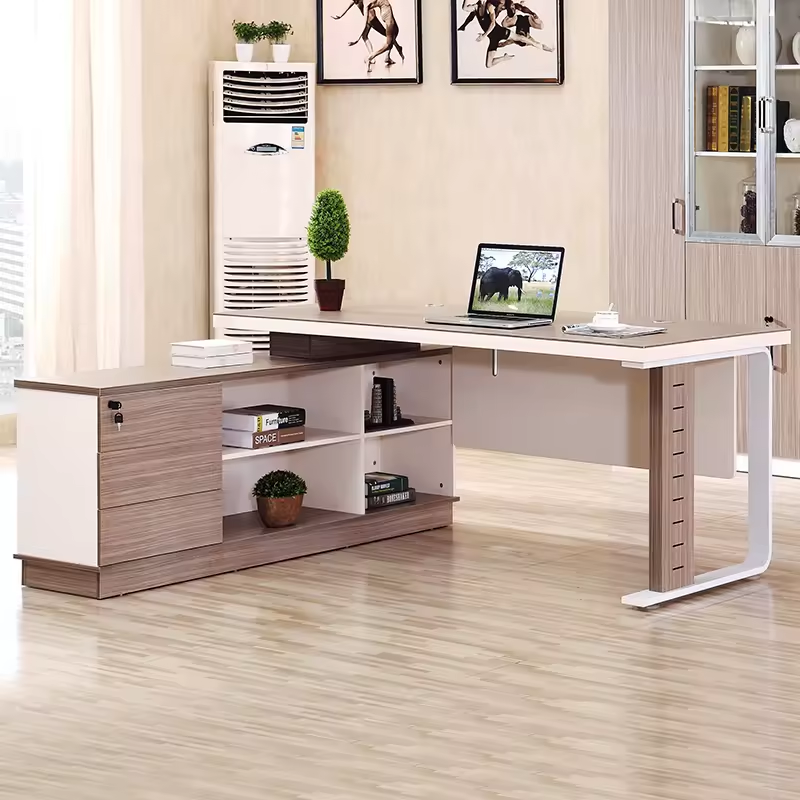
However, experienced buyers know that buying furniture is not only about comparing prices. A lower quotation can quickly become expensive if the product has unstable quality, weak packaging, inconsistent materials, missing hardware, poor communication, or unreliable lead time. For importers, distributors, project buyers, and private-label brands, the real objective is to find a supplier that can support long-term, low-risk business growth.
This is especially important in today’s market. Home office furniture is no longer limited to a simple desk and chair setup. Buyers now need products for multiple application scenarios, including remote work collections, student housing, serviced apartments, compact urban homes, hotel business centers, apartment fit-outs, and commercial-residential mixed projects. That means the supplier must understand product engineering, packaging efficiency, customization, compliance, and reorder consistency.
If you are sourcing writing desks, computer desks, storage units, bookshelves, home office combinations, or flat-pack collections, the following 10 checks will help you make a better purchasing decision before placing your next order.
Table of Contents
- Check product specialization and export experience
- Check board materials and finish quality
- Check OEM/ODM and customization capability
- Check MOQ and mixed-order flexibility
- Check lead time and production planning
- Check packaging strength and shipping efficiency
- Check compliance and documentation
- Check quality control process
- Check communication and quotation accuracy
- Check reorder stability and long-term cooperation
- FAQ
- Conclusion
1. Check Product Specialization and Export Experience
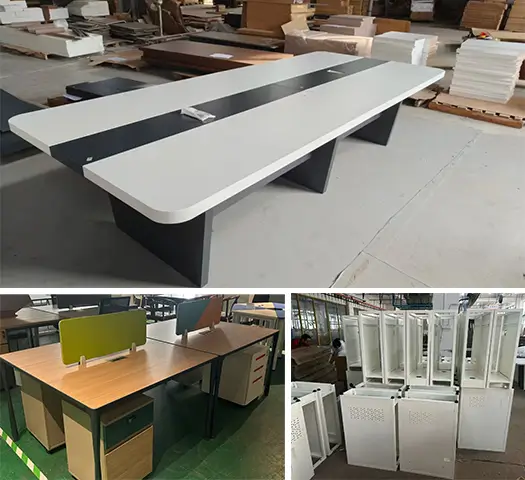
The first thing importers should check is whether the supplier is truly experienced in home office furniture, not just general furniture production. Many factories can produce a desk, but not every factory understands how to develop a full home office collection that works for global markets.
A qualified China home office furniture supplier should have actual experience with products such as writing desks, computer desks, L-shaped desks, storage cabinets, bookshelves, desk-and-shelf combinations, and compact home office units for small spaces. A supplier with category specialization is more likely to understand how to balance function, design, flat-pack structure, carton size, and price positioning.
This matters because different channels have different product requirements.
For wholesale distribution, buyers usually need coordinated products in matching finishes and repeatable reorder capability. For e-commerce, buyers often need flat-pack structures, easy assembly, and stronger packaging performance. For apartment and student housing projects, products need compact dimensions, durable finishes, and practical storage. For hotel and serviced apartment buyers, consistency across multiple rooms or units is often just as important as price.
When you evaluate a supplier, ask whether home office furniture is one of their core export categories. A factory with focused experience will usually provide better engineering, better packaging logic, and more reliable product suggestions for your market.
2. Check Board Materials and Finish Quality
Material quality is one of the most important factors when buying home office furniture from China. Buyers should not stop at asking whether the product uses particle board, MDF, or plywood. The real question is how those materials are used, whether they are consistent, and whether they fit the target sales channel and price level.
A reliable supplier should explain the board type used in each part of the product, the thickness of the top panels and side panels, the melamine finish quality, the edge banding method, the reinforcement structure, and the long-term availability of the same materials for repeat orders.
Material selection should also match the intended application. E-commerce furniture often needs a balance between weight control and durability. Wholesale collections need stable finish supply and consistent price positioning. Apartment projects usually require practical durability and cost efficiency. Hotel and serviced apartment programs may need more refined finish control and stronger performance over repeated use.
For buyers shipping to the U.S., it is wise to review the EPA requirements for formaldehyde emissions in composite wood products before finalizing specifications. The EPA guidance is here:
https://www.epa.gov/formaldehyde/formaldehyde-emission-standards-composite-wood-products
If your target market includes California, you may also need to understand the CARB composite wood products program:
https://ww2.arb.ca.gov/our-work/programs/composite-wood-products-program
For buyers who need responsibly sourced wood-based materials, FSC provides useful information for furniture supply chains here:
https://fsc.org/en/businesses/furniture
A professional home office furniture manufacturer China partner should be able to discuss material choice based on compliance, cost, appearance, and reorder stability, rather than simply offering the cheapest board option.
3. Check OEM/ODM and Customization Capability
One major reason buyers source from China is access to strong OEM home office furniture and ODM home office furniture capability. But customization should be handled through a clear and professional development process, not casual promises.
A capable supplier should be able to support customized dimensions, finish changes, shelf or drawer adjustments, hardware upgrades, logo application, instruction manuals, carton marks, barcode labels, and private-label packaging. The supplier should also explain how they manage sample development, revision tracking, and production approval.
This is especially important in practical buying scenarios.
Retail brands may need products with consistent styling and customized packaging. E-commerce sellers usually need optimized cartons, easier assembly, and reduced shipping damage risk. Apartment developers often require project-friendly dimensions and coordinated finishes. Hotel and serviced apartment buyers may need matching furniture language across multiple room types. Distributors may want exclusive products or customized assortments for their regional market.
A strong factory should be able to walk you through a complete OEM/ODM process: requirement review, drawing confirmation, material confirmation, sample development, packaging review, revisions, and bulk production approval.
If a supplier cannot clearly explain this workflow, there is a higher chance of mistakes during development or production.
4. Check MOQ and Mixed-Order Flexibility
MOQ matters, but smart buyers know that MOQ should be evaluated together with product strategy, launch risk, and container planning.
A professional supplier should explain MOQ by SKU, finish, packaging type, and customization level. They should also clarify whether mixed containers are possible and whether new customers can start with trial orders or smaller combinations.
This is especially useful when importers are testing a new market, launching a new private-label collection, or building a product mix for wholesale distribution. In many cases, a first order may include one main desk model plus several supporting SKUs such as bookcases, storage cabinets, or small office tables.
Project buyers may also require staged delivery rather than one full shipment at one time. Apartment or hotel furnishing programs often need purchasing flexibility based on site schedule, installation timing, and unit turnover.
A good supplier understands that helping the first order succeed often leads to larger long-term cooperation. That is why MOQ should be discussed as part of a broader purchasing plan, not just a rigid number on a spreadsheet.
5. Check Lead Time and Production Planning
Lead time is one of the most overlooked risk areas in furniture sourcing. Many suppliers give a general production estimate, but professional buyers should ask for a more realistic breakdown.
A reliable supplier should explain sample lead time, raw material preparation time, production cycle, packaging preparation, booking schedule, and container loading plan. Buyers should also ask what may cause delays, such as board shortages, hardware delivery issues, carton supply timing, or peak-season congestion.
Lead time matters across different business models. For wholesalers, delays can affect stock planning and sales programs. For e-commerce sellers, delays may cause stockouts and missed promotions. For apartment projects, furniture delays can affect installation schedules and room handover. For hotel buyers, delayed shipments may disrupt project milestones and opening plans.
A serious factory should not only give a number. It should explain how the schedule is controlled and what the critical risk points are.
When choosing a supplier, it is safer to work with a manufacturer that gives realistic lead times and communicates production risk clearly, rather than a supplier that overpromises and underdelivers.
6. Check Packaging Strength and Shipping Efficiency

Packaging is part of product quality. Even well-made furniture can become a poor order if the carton is weak, the hardware is disorganized, or the protective structure is not suitable for export transportation.
For flat pack home office furniture, packaging should be designed for damage prevention, easier warehousing, safer handling, and better container loading. Importers should check carton strength, corner protection, internal support materials, moisture protection, hardware bag management, barcode or carton marking requirements, and loading efficiency.
This is particularly important in e-commerce and long-distance export business, where damage claims and returns are expensive. Good packaging can lower total cost by reducing breakage, improving warehouse handling, and increasing transport efficiency.
The International Safe Transit Association offers useful packaging test procedure references here:
https://ista.org/test_procedures.php
For importers, this is a valuable reference when discussing drop resistance, packaging structure, and distribution handling risk with suppliers.
Packaging requirements also change based on application. Wholesale distribution focuses on stacking strength and warehouse handling. E-commerce focuses on damage reduction and end-customer experience. Apartment and hotel projects focus on organized packaging for site installation. OEM/ODM orders often require customized labels, manuals, and special carton layouts.
A capable supplier should be able to optimize both the furniture structure and the packaging design to improve shipping safety and loading quantity.
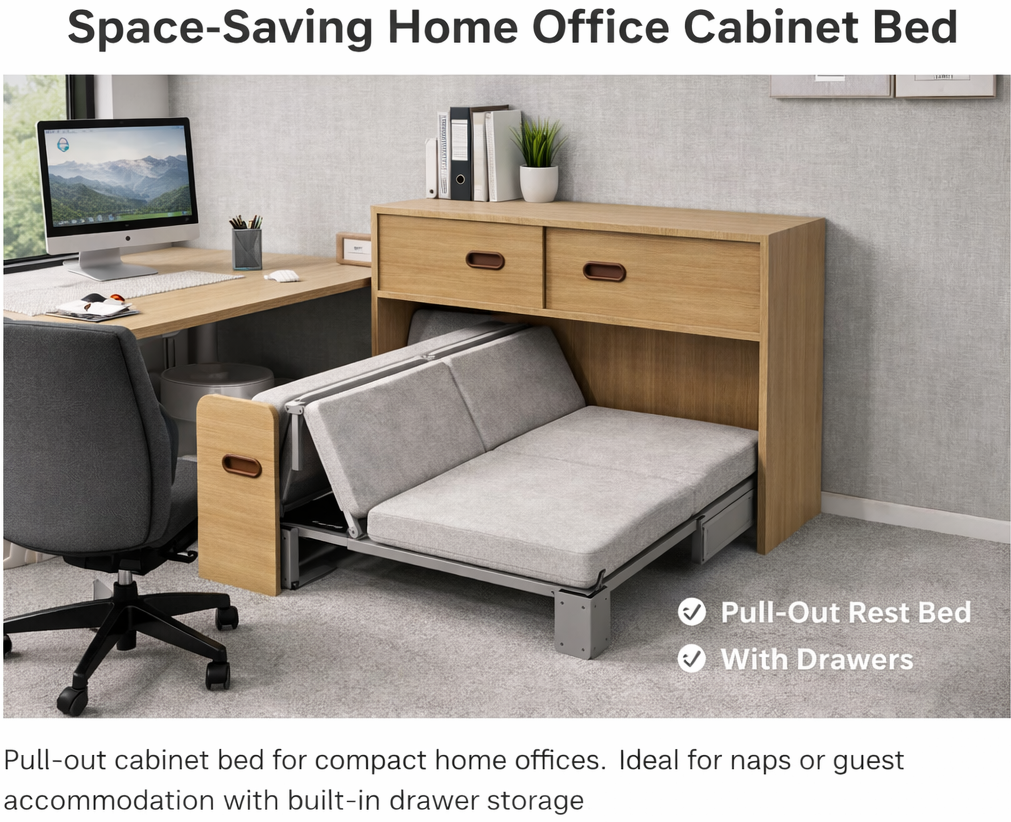
7. Check Compliance and Documentation
Before placing an order, buyers should confirm what documentation the supplier can provide for the destination market. This step should happen before samples are approved and before bulk production starts.
Depending on the product and the sales market, buyers may need to evaluate formaldehyde-related documentation, responsible sourcing options, carton labels, warning labels, assembly instructions, and stability-related requirements for taller storage products.
For certain furniture categories involving storage units, buyers may also want to understand the CPSC guidance regarding clothing storage unit safety and stability topics:
https://www.cpsc.gov/Business–Manufacturing/Business-Education/Business-Guidance/Clothing-Storage-Units
Even if the main order is home office furniture, some broader product assortments may include storage units that require closer category review.
A reliable supplier should be able to answer compliance questions clearly, provide supporting paperwork where needed, and confirm whether the product specification is appropriate for the target market. If a supplier gives vague answers or delays documentation until late in the process, that should be treated as a warning sign.
8. Check Quality Control Process
Importers should never rely on general claims like “we inspect all goods.” A serious supplier should describe the actual quality control system in a clear and structured way.
A proper QC process usually includes incoming material inspection, first-piece confirmation, in-line production checks, drilling accuracy verification, finish inspection, hardware counting, packaging inspection, and pre-shipment review.
For home office furniture, the most common problems include chipped edges, poor edge banding, surface scratches, incorrect hole positions, unstable drawers, missing fittings, inconsistent finish tone, and damaged packaging.
Quality control is especially important in OEM/ODM projects, apartment furnishing, hotel supply, wholesale distribution, and e-commerce programs. In all of these channels, defects can quickly lead to claims, delays, returns, or damaged customer relationships.
Ask suppliers whether they can share QC photos, inspection reports, or actual checklists from similar export orders. A supplier with a mature QC system is much more likely to control consistency across repeat orders.
9. Check Communication and Quotation Accuracy
A large percentage of sourcing problems come from poor communication rather than poor factory equipment. For that reason, quotation quality and technical clarity should be treated as part of the supplier evaluation process.
A reliable supplier should provide clear product dimensions, material details, board thickness, finish names, packaging information, loading quantity, MOQ, lead time, and sample status. Technical changes should be confirmed in writing, and any revision should be tracked accurately.
Fast reply is useful, but accurate reply is more important. A wrong drilling detail, incorrect carton mark, unclear finish code, or mistaken dimension can create production errors, delays, and unnecessary cost.
This becomes even more important in OEM/ODM and project-based orders, where one small misunderstanding may affect many units or multiple SKUs.
The best suppliers usually provide quotations that are easy to compare, answer technical questions precisely, and keep sample or order revisions organized.
10. Check Reorder Stability and Long-Term Cooperation
The first order is important, but long-term reorder capability is what really determines supplier value.
Professional buyers should evaluate whether the supplier can maintain stable material sourcing, consistent finish tone, repeatable dimensions, standard packaging quality, and reliable hardware supply over time. They should also ask whether the supplier can support replenishment, spare parts, and future expansion of the same product line.
This is critical for distributors who need stable stock, for e-commerce brands that depend on consistent customer reviews, for apartment projects that may require follow-up supply, and for hotel or serviced apartment programs that may expand in phases.
A supplier that performs well only on the first order but cannot maintain stability later is not a safe long-term partner. The ideal China home office furniture supplier is one that helps buyers scale with fewer complaints, more predictable lead times, and smoother reorder management.
FAQ
Why do importers buy home office furniture from China?
Importers buy from China because it offers mature supply chains, broad product variety, competitive export pricing, strong OEM/ODM capability, and scalable manufacturing for panel furniture.
What should I check before placing the first order?
You should check product specialization, board materials, MOQ, lead time, packaging, compliance support, quality control process, communication quality, and reorder stability.
Is flat-pack home office furniture better for importers?
In many cases, yes. Flat-pack furniture usually improves shipping efficiency, reduces freight volume, supports easier warehousing, and lowers distribution costs.
Can China suppliers support OEM and ODM projects?
Yes. Many experienced suppliers support customized size, finishes, packaging, labels, manuals, and structural changes. Buyers should still confirm the sample and approval process clearly before production.
What documents should I request from a supplier?
Depending on your market, you may need material-related compliance documents, product specifications, packaging details, inspection procedures, and any responsible sourcing documentation relevant to your customer requirements.
How can I reduce sourcing risk?
You can reduce sourcing risk by approving samples carefully, checking materials and packaging in detail, confirming compliance early, and working with a supplier that communicates clearly and supports stable reorders.
Conclusion
Buying home office furniture from China can deliver real advantages for importers, wholesalers, distributors, retailers, apartment developers, and project buyers. But successful sourcing depends on much more than a competitive quote.
The best results come from checking category experience, materials, OEM/ODM capability, MOQ flexibility, lead time, packaging, compliance, quality control, communication, and reorder stability before you commit to bulk production.
If you are looking for a reliable supplier for bulk home office furniture, OEM/ODM development, apartment furnishing, or hotel and serviced apartment projects, contact us today. Tell us your target market and we’ll recommend the right product mix, material solution, MOQ plan, lead time schedule, and export packaging approach for your business.