
Hotel Wholesale Furniture RFQ Template: 27 “No-Surprise” Specs (Middle East)
If you buy wholesale furniture for hotel or apartment projects, you already know the painful truth. The lowest quote often becomes the most expensive order.
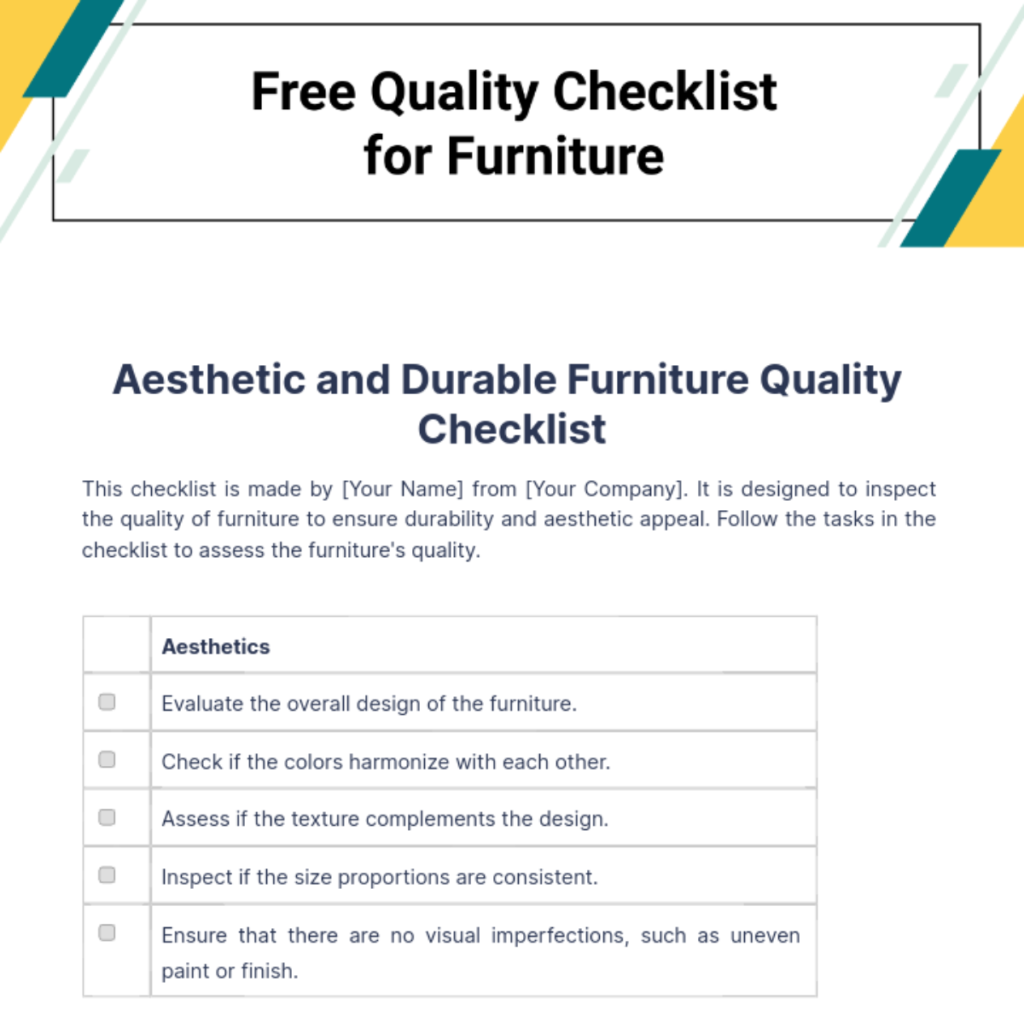
Why? Because the RFQ doesn’t lock the details that actually drive cost, quality, and delivery. Suppliers quote “a similar standard,” then later add charges for hardware, packaging, edge banding, upgraded boards, or “required documents.” Your budget gets squeezed, your timeline slips, and your site team ends up doing rework.
This article provides a copy-paste RFQ template designed for B2B hotel / contractor / developer procurement. It considers a Middle East project mindset: hot climates, long shipping, strict site schedules, and high sensitivity to damage rates.
It’s also written from the perspective of a factory-direct panel furniture exporter (OEM/ODM). The goal is to help you get cheap price with good quality. Clear specs ensure you secure fast delivery. This way, suppliers can quote accurately and execute reliably.
Table of Contents (TOC)
- Why 90% of furniture quotes don’t match the final cost
- RFQ before you write: lock the project basics
- Copy-Paste RFQ Template (Hotel & Contractor Projects)
- The 27 “No-Surprise” specs that protect your budget
- Quality control & acceptance criteria (AQL-friendly)
- Packaging & shipping: how to reduce damage rate
- Documents & compliance pack (Middle East + North America + EU)
- The 3 attachments that make factory-direct quoting possible
- Bid comparison checklist (how to compare 3 suppliers fairly)
- FAQ
- Final CTA: get editable RFQ + factory-direct quotation
1) Why 90% of furniture quotes don’t match the final cost

In project procurement, a quote is only as “real” as the RFQ is complete. These are the most common failure patterns:
- Missing technical specs → supplier quotes low by assuming entry-level boards/hardware, then increases price when you request contract grade.
- Missing packaging requirements → damage rate rises; you pay for replacements, air shipments, or site delays.
- Unclear delivery terms (FOB/CIF/DDP) → surprise costs appear in freight, destination charges, or customs handling. Incoterms rules exist precisely to avoid this confusion. ICC – International Chamber of Commerce
- No acceptance criteria → your inspection becomes subjective, leading to disputes and delayed payments.
- No spare parts plan → hotels open late because one missing hinge stops an entire room.
If you want factory direct pricing and fast delivery, you must write an RFQ that eliminates guesswork. A good RFQ doesn’t “ask for a price.” It defines a product that can be manufactured, inspected, packed, shipped, installed, and serviced without surprises.

2) RFQ before you write: lock the project basics
Before the template, confirm these basics internally:
- Project type: hotel / serviced apartment / staff accommodation / student housing / office fit-out
- Room count & schedule: mock-up date, mass production start, ETD, required arrival window
- Delivery location: port + site city (e.g., Jebel Ali/Dubai, Dammam, Doha, Kuwait, Muscat)
- Installation method: contractor installs vs supplier’s site team
- Furniture scope: casegoods only (panel furniture) vs including upholstery/loose furniture
- Budget logic: target “value engineering” range (good quality with cheap price), not luxury custom
With that done, you can send a clean RFQ that real factories can quote quickly.
3) Copy-Paste RFQ Template (Hotel & Contractor Projects)
How to use: Copy everything from this section into your RFQ document. Replace the [brackets]. Delete what you don’t need.
Pro tip: The quickest way to ensure prompt delivery is by keeping options limited. Define a “base standard” along with allowed alternatives.
A) Buyer & Project Information
- Company / Buyer: [Company Name]
- Project name & location: [Hotel Name], [City, Country]
- Project type: [Hotel / Apartment / Other]
- Expected order volume: [Total rooms / total units]
- Delivery method: [FOB / CIF / DDP]
- Requested destination: [Port + city / Site address]
- Target delivery date: [Date]
- Installation timeline: [Start–End dates]
- Contact: [Name, email, WhatsApp]
B) Scope of Supply (Product List)
Provide one line per item/SKU:
| Area | Item | Qty | Size (W×D×H) | Finish/Color | Notes |
|---|---|---|---|---|---|
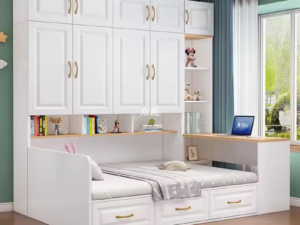
| Guestroom | Bed base / headboard | [ ] | [ ] | [ ] | [Storage? LED?] |
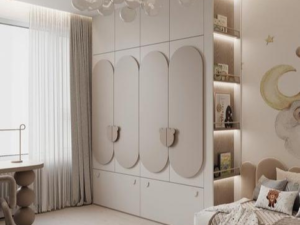
| Guestroom | Wardrobe / closet | [ ] | [ ] | [ ] | [Hanger rail, mirror] |
| Guestroom | TV panel / TV stand | [ ] | [ ] | [ ] | [Cable mgmt] |
| Guestroom | Desk / writing table | [ ] | [ ] | [ ] | [Grommet, modesty] |
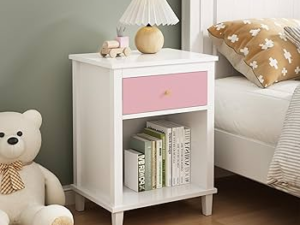
| Guestroom | Nightstand | [ ] | [ ] | [ ] | [Drawer count] |
| Public | Reception back wall | [ ] | [ ] | [ ] | [Modular?] |
| Pantry | Base/storage units | [ ] | [ ] | [ ] | [Moisture zone?] |
Room type breakdown:
- Standard: [ ] rooms
- Deluxe: [ ] rooms
- Suite: [ ] rooms
- Accessible: [ ] rooms
C) Manufacturing Model (OEM/ODM)
- OEM (your design): [Yes/No] — you provide drawings/BOM
- ODM (factory design support): [Yes/No] — supplier provides shop drawings for approval
- Branding: [No logo / Laser logo / Metal label]
- Sample requirement: [Color chips / Hardware sample / Full mock-up room set]
D) Required Technical Standard (Contract Grade)
Suppliers must quote factory direct with this standard included—no later add-ons.
- Board type: [Plywood / MDF / Particleboard / mixed]
- Board thickness: [e.g., carcass 18mm, back panel 9mm, drawer bottom 5mm]
- Formaldehyde/VOC level: [E1 / CARB P2 / TSCA Title VI / other]
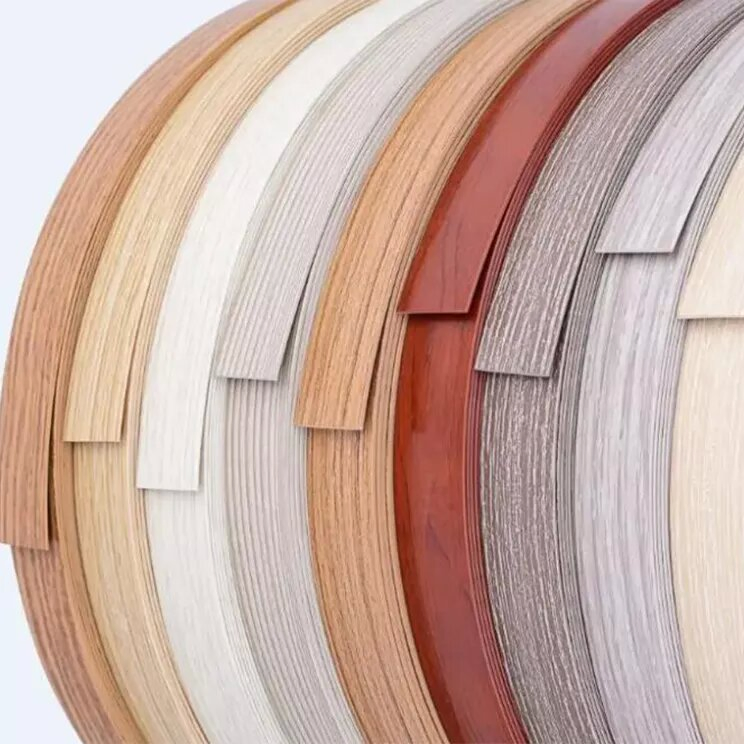
- Edge banding: [0.8mm / 1.0mm / 2.0mm], glue type [EVA/PUR], no visible glue line
- Hardware grade: soft close hinges [brand or equivalent], slides [brand/grade], connectors [type]
- Load/usage: hotel high-frequency usage; specify drawers/doors cycles if needed
- Moisture zones: vanity/pantry units require moisture-resistant construction
- Color matching: melamine/laminate color code [ ] or sample board approval required
E) Packaging & Shipping Requirements
- Packaging level: export standard, drop-resistant corners, internal protection for edges
- Carton marking: project name + room type + item + carton number + gross weight
- Spare parts: [e.g., 2–3% hinges/slides/connectors], labeled by SKU
- Container plan: supplier provides loading list (CBM, carton count, stacking guidance)
F) Inspection & Acceptance
- Inspection stage: [Pre-production sample / In-process / Pre-shipment]
- Third-party inspection: [Yes/No], AQL level [ ]
- Rejection criteria: critical defects, major defects, minor defects (define below)
G) Quotation Format (must be included)
Supplier must provide:
- Unit price (EXW/FOB) + packaging included
- Lead time (sample + mass production)
- MOQ per item + mixed container support
- Payment terms
- Warranty terms + spare parts policy
- Production capacity per month for this product category
H) Bid Deadline
- RFQ issue date: [ ]
- Questions deadline: [ ]
- Quote submission deadline: [ ]
- Expected supplier selection: [ ]
4) The 27 “No-Surprise” specs that protect your budget (Middle East-ready)
Below are the 27 spec points that most often cause “after-quote price changes.” Put them into your RFQ so suppliers quote the same baseline.
4.1 Materials & Construction (10 specs)
- Board type by application (carcass, door, shelf, back panel)
- Board thickness map per item
- Panel density requirement (especially for hinges/screws holding power)
- Surface finish (melamine / HPL / lacquer) and scratch resistance expectation
- Edge banding thickness + glue type (PUR helps in heat/humidity for some applications)
- Edge banding coverage (all exposed edges; specify internal edges if needed)
- Back panel fixation (nails only vs groove + fasteners—affects rigidity)
- Drawer box construction (panel drawer vs plywood box; bottom thickness)
- Adjustable feet / leveling (important for uneven site floors)
- Anti-tilt / wall fixing where required (safety + stability)
4.2 Hardware (7 specs)
- Hinge type (soft close / clip-on / opening angle)
- Slide type (3-section ball bearing vs under-mount; soft close)
- Connector system (cam lock, confirmat screws, dowel + cam, hidden connectors)
- Handle style (metal, aluminum profile, push-to-open)
- Shelf pins & supports (metal recommended for contract grade)
- Wardrobe rail thickness + mounting method
- Cable management for desks/TV panels (grommets, access holes)
4.3 Middle East climate & site reality (5 specs)
- Moisture-resistant approach for pantry/vanity zones
- Heat/humidity stability: require consistent edge sealing and no open raw board edges
- Color stability under strong sunlight (window-side furniture)
- Easy-clean surfaces (housekeeping speed matters in hotels)
- Spare parts & serviceability (replace hinges/slides without removing the whole unit)
4.4 Packaging, logistics & labeling (5 specs)
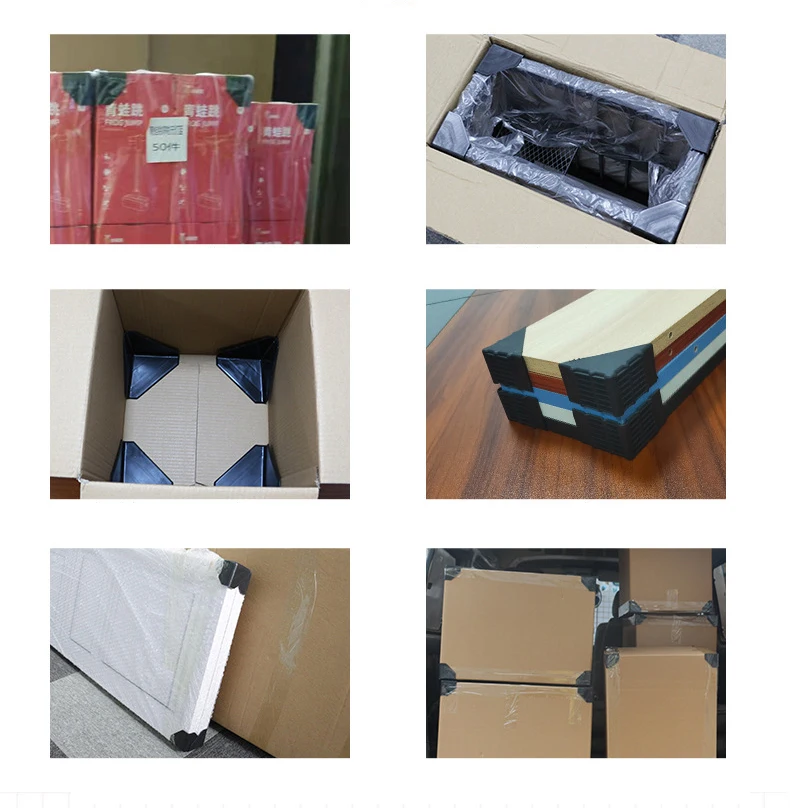
- Corner protection standard (edges are where damage claims begin)
- Carton strength expectations (avoid “thin export carton” surprises)
- Part labeling + instruction language (English/Arabic as needed)
- Room-based packing option (pack by room set to speed installation)
- Container loading list and carton numbering system
These details are the difference between “cheap price” and “cheap problems.” A factory can give you cheap price + good quality when the specification is stable and repeatable.
5) Quality control & acceptance criteria (AQL-friendly)
If you plan third-party inspection, align your acceptance logic with AQL sampling. Many global buyers reference acceptance sampling standards such as ISO 2859-1 (indexed by AQL). 国际标准组织
5.1 Define defects clearly
Use three buckets:
- Critical defects (0 tolerance): wrong item/size, missing parts preventing installation, sharp edges causing injury, severe structural failure
- Major defects: visible damage on front surfaces, door/drawer misalignment beyond tolerance, edge banding peeling, hardware not functioning
- Minor defects: small internal scratches, slight color variation in non-visible zones, tiny blemishes inside cabinets
5.2 Add measurable tolerances (examples)
- Door gap consistency: [e.g., 2–3mm], no rubbing
- Drawer slide smoothness: no jamming, soft close functional
- Edge banding: no lifting, no obvious glue line on visible edges
- Pre-drilled holes: alignment ensures assembly without forcing
5.3 Put QC into your payment plan
A practical project payment structure is:
- Deposit → pre-production sample approval
- Mid payment → in-process inspection pass
- Balance → pre-shipment inspection pass + photos/video + packing list
This supports fast delivery without sacrificing control.
6) Packaging & shipping: reduce damage rate (and protect schedule)
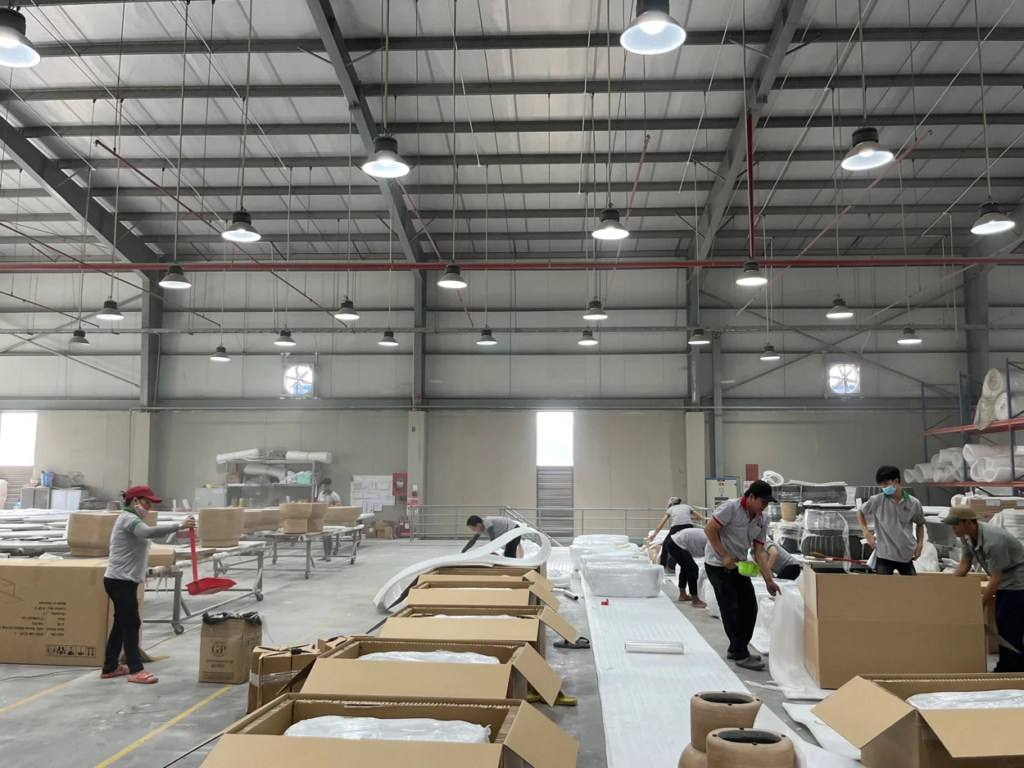
For Middle East projects, shipping damage is not a “minor risk.” It becomes a schedule killer. Your RFQ must specify packaging because it directly affects both good quality and cheap price (replacements are never cheap).
6.1 What to request in the RFQ
- Reinforced corners, internal edge protection
- Separate protection for glossy/visible panels
- Hardware packed by SKU with clear labels
- Drop-risk protection for heavy panels (wardrobe sides, desk tops)
6.2 Why Incoterms matters here
Who pays for freight damage claims and who controls carrier selection often depends on your delivery term choice. Use Incoterms rules properly to reduce disputes. ICC – International Chamber of Commerce
6.3 Ask for a container loading plan
A good supplier provides:
- carton dimensions, CBM, gross weight
- stacking rules
- loading sequence (heavy base cartons bottom, fragile/visible panels protected)
This one document prevents 80% of “we didn’t know it would break” problems.
7) Documents & compliance pack (Middle East + North America + EU)
Even if your main market is the Middle East, many developers request international-level documents. These are for risk control. This is especially true for indoor air quality.
7.1 North America (common reference points)
If you ship to the US, composite wood formaldehyde regulations are commonly referenced under EPA TSCA Title VI. Alternatively, if your client requires US-style compliance, these regulations are often referred to under the same title. US EPA+1
California also has the CARB composite wood program (often used as a benchmark). ww2.arb.ca.gov
7.2 What to request (practical list)
- Board emission compliance statement / test reports (as applicable)
- Material specs sheet (board, finish, edge banding, hardware)
- Packing list + carton marks format
- Installation manuals (English; Arabic optional for Middle East sites)
- Warranty statement + spare parts list
Keep it simple. Request what your project truly needs. Put it into the RFQ. Ensure it’s included in factory direct pricing.
8) The 3 attachments that make factory-direct quoting possible
Factories can quote fastest (and most accurately) when you attach:
- BOM / item list (even a rough one)
- Drawings or dimensions (PDF, CAD, or clear marked photos)
- Reference images (finish direction, handles, style expectation)
If you don’t have drawings, ask the supplier for ODM shop drawings and include a timeline for approvals. That is how you keep fast delivery realistic.
9) Bid comparison checklist: compare 3 suppliers fairly
Use this to prevent “apples vs oranges” quotes:
- Same board thickness and board type?
- Same edge banding thickness + glue?
- Same hardware grade (hinges, slides, connectors)?
- Same packaging standard?
- Same spare parts ratio?
- Same Incoterms and destination?
- Same inspection requirement and defect definitions?
Once these are aligned, the supplier with the best value usually wins. Value means cheap price, good quality, and reliable delivery. It’s not just a low unit price.
10) FAQ
Q1: What should a wholesale furniture RFQ include for hotel projects?
It should include item list with quantities and sizes. Add the finish/color references. Include contract-grade material specs and the hardware grade. Ensure packaging standard is specified. Detail inspection/acceptance criteria, delivery terms, and required documents.
Q2: How do I get factory-direct quotes instead of vague estimates?
Send a complete RFQ with the 27 specs above plus BOM/drawings/reference photos. Factories can quote accurately when requirements are measurable and repeatable.
Q3: How can I keep cheap price without sacrificing good quality?
Control cost through stable specs: standardize board thickness, limit finish options, use proven hardware grades, and optimize packaging/container loading. Avoid changing specs after sample approval.
Q4: What’s the best way to ensure fast delivery for Middle East hotel furniture?
Lock finishes early. Approve a golden sample quickly. Use room-based packing for faster installation. Request a production and shipment timeline in the quote.
Q5: Should I require third-party inspection?
For large hotel/apartment projects, yes—especially before shipment. Align acceptance criteria and sampling logic with AQL practices (often referenced via ISO 2859-1). 国际标准组织
1) Incoterms rules (delivery terms and risk allocation):
Incoterms® 2020 rules help buyers and suppliers define responsibilities for cost, risk, transport, and customs in international shipments.
https://iccwbo.org/business-solutions/incoterms-rules/incoterms-2020/
2) ISO acceptance sampling (AQL reference point):
ISO 2859-1 is widely referenced for acceptance sampling plans indexed by AQL—useful when defining third-party inspection criteria.
https://www.iso.org/standard/85464.html
3) US EPA TSCA Title VI overview (formaldehyde emissions):
For projects shipping to the United States, EPA explains formaldehyde emission standards for composite wood products under TSCA Title VI.
https://www.epa.gov/formaldehyde/formaldehyde-emission-standards-composite-wood-products
4) eCFR legal text (40 CFR Part 770):
The official eCFR text details formaldehyde standards for composite wood products (40 CFR Part 770).
https://www.ecfr.gov/current/title-40/chapter-I/subchapter-R/part-770
5) CARB composite wood program (California benchmark):
CARB summarizes its Composite Wood Products program and labeling requirements often used as a compliance benchmark.
https://ww2.arb.ca.gov/our-work/programs/composite-wood-products-program
6) GSA sample furniture RFQ (public procurement example):
GSA provides sample procurement documents, including a furniture RFQ template that helps buyers structure requirements.
https://buy.gsa.gov/api/system/files/documents/GSA%20IWAC%20Furniture%20RFQ%20Sample-1547132943.pdf
CTA
Want the editable RFQ file + a factory-direct quotation?
Send us: (1) your item list/BOM, (2) room counts, (3) target delivery port/site, (4) finish references.
We’ll return: a fully itemized factory-direct quote. We will also provide a lead-time plan for fast delivery. Additionally, you will receive a QC + packaging proposal aligned to your project budget.
ABOUT US

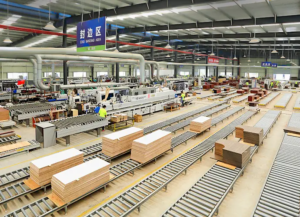
We are a factory-direct panel furniture manufacturer and export supplier. We specialize in wholesale furniture for B2B projects. This includes hotels, serviced apartments, staff accommodations, and contractor fit-outs. Our core products include durable RTA/flat-pack casegoods. These consist of wardrobes, TV units, nightstands, desks, storage cabinets, and other custom project items.
Why project buyers choose us
- Factory Direct: You work with the factory team directly—faster communication, clearer specs, and more transparent pricing.
- Cheap Price (Value Engineering): We help you optimize structure, materials, packaging, and container loading. This process ensures you hit your target budget without cutting the essentials.
- Good Quality (Contract Grade): Stable materials, reliable hardware options, consistent edge banding, and QC checkpoints aligned to project acceptance standards.
- Fast Delivery: Practical lead-time planning from sample approval to mass production, inspection, packing, and shipment—built for tight site schedules.
OEM/ODM support for hotel & contractor projects
Our team can support OEM/ODM workflows in various ways. We handle tasks from shop drawings and finish sampling to pre-production approval. Our services include export packaging, labeling by room/SKU, and spare parts planning. We also coordinate third-party inspections. Whether you have a full BOQ/BOM or only reference images and target dimensions, we can assist in converting your requirements. We ensure they become a manufacturable solution. They will be inspectable and deliverable as well.
Get a factory-direct quotation
To receive an itemized quote and lead-time plan, please share:
- Your BOQ/BOM or item list (with quantities)
- Target market & destination port/site (Middle East / North America / Europe)
- Finish references (photos, color codes, or sample requirements)
- Required delivery schedule and Incoterms (FOB/CIF/DDP)
We’ll respond with a factory-direct quotation. We will include recommended specifications for good quality. There will be a delivery plan designed for fast shipment. This approach helps you secure the best total cost, not just the lowest unit price.