
Table of Contents
- What “US Compliance” Really Means for Kids Furniture Buyers
- Why Children’s Furniture Standards Are More Sensitive
- The Key US Regulators & Rule Types You’ll See in RFQs
- What Gets Tested: Stability, Guardrails, Openings, Edges & Pinch Points
- Documentation Buyers Should Require: Reports, CPC, Tracking Labels
- Design Risk Reduction: How Factories Prevent Failures Before Testing
- Export QC That Matches US Expectations (with inspection checkpoints)
- Common Buyer Mistakes That Cause Delays, Holds, or Rework
- Your “US Compliance Pack” Checklist (What to request from a factory)
- FAQ (Schema-Ready)
1) What “US Compliance” Really Means for Kids Furniture Buyers
If you’re importing kids furniture into the United States—whether for retail, eCommerce, hospitality, or apartment projects—“compliance” isn’t a single stamp. It’s a system:
- Product safety rules and incorporated standards (often CPSC regulations and voluntary ASTM standards used as benchmarks)
- Material chemical limits (lead in substrates and coatings; formaldehyde emissions for composite wood)
- Documentation and traceability (CPC certificates for applicable children’s products, tracking labels, test reports)
- Manufacturing controls (repeatable CNC accuracy, hardware torque control, and pre-shipment QC that matches the test intent)
For B2B buyers, the goal is not only passing a lab test once—it’s repeatability across every production batch. One failing lot can trigger chargebacks, returns, and reputational damage with US retailers and marketplaces.
2) Why Children’s Furniture Standards Are More Sensitive
Kids furniture is treated differently because the hazard profile is different. Buyers typically see stricter scrutiny in four areas:
A) Structural safety under dynamic use
Children climb, jump, and misuse furniture far more than adults. That’s why stability and strength are central themes in US standards and buyer audits.
B) Entrapment and strangulation risk
Openings, gaps, and guardrails are not “design aesthetics.” They are safety-critical geometry. This geometry can create entrapment hazards, especially on bunk and loft beds.
C) Pinch points and sharp edges
Hinges, sliding parts, and drawer mechanisms can create pinch points. Edges and corners must be managed to prevent cuts and impacts.
D) Coatings, odor, and chemical exposure
US buyers regularly ask about lead in coatings and overall material safety for children’s environments. Lead limits for children’s products and lead in paint bans are enforced through CPSC rules and related CFR parts. ecfr.gov+2U.S. Consumer Product Safety Commission+2
3) The Key US Regulators & Rule Types You’ll See in RFQs
When a buyer says “ASTM/CPSC compliant,” they may be mixing several layers. Here’s how to interpret it:
CPSC (U.S. Consumer Product Safety Commission)
CPSC enforces regulations, bans, and mandatory standards for many consumer products, including children’s products and certain furniture categories. Examples you’ll frequently see referenced:
- 16 CFR Part 1513 – Bunk bed requirements (guardrails and related design requirements). ecfr.gov
- 16 CFR Part 1303 – Ban of lead-containing paint and certain consumer products (including furniture with lead-containing paint). ecfr.gov+1
- Lead content limits for children’s products under CPSIA (100 ppm total lead content limit referenced in the CFR). ecfr.gov+1
- Tracking label guidance for children’s products, used for traceability and recall efficiency. U.S. Consumer Product Safety Commission
ASTM (Voluntary consensus standards)
ASTM standards are often requested by buyers and widely used in testing programs. For example:
- ASTM F1427 – Consumer safety specification for bunk beds (design, performance, labeling/instructions). ASTM International | ASTM
- ASTM F2057 – Clothing storage unit stability / tip-over safety specification (commonly referenced for dressers and storage units). ASTM International | ASTM
- ANSI/ASTM collections categorize many children’s furniture safety standards buyers commonly reference. ANSI 商城
EPA (for composite wood formaldehyde emissions)
If your kids furniture uses MDF/plywood/particleboard, US buyers may ask for TSCA Title VI formaldehyde compliance (composite wood emissions rule). epa.gov+2ecfr.gov+2
Buyer takeaway: A strong supplier doesn’t just say “we can do ASTM.” They map which standard applies to which product type. They also show how they control production to meet it consistently.
4) What Gets Tested: The Safety Dimensions Buyers Most Often Audit
Even if your purchase order only states “kids furniture,” the risk profile changes by category. Here are the most common test themes buyers and labs focus on:
4.1 Stability / Tip-over resistance (especially storage units)
Tip-over is one of the biggest safety concerns for children’s furniture. For dressers and storage units, buyers often reference stability requirements aligned with ASTM F2057. ASTM International | ASTM+1
What buyers should check in design reviews:
- Center-of-gravity management (drawer extension limits, base depth)
- Wall-anchoring kits and clear instructions
- Drawer interlocks (when applicable) and anti-tip features
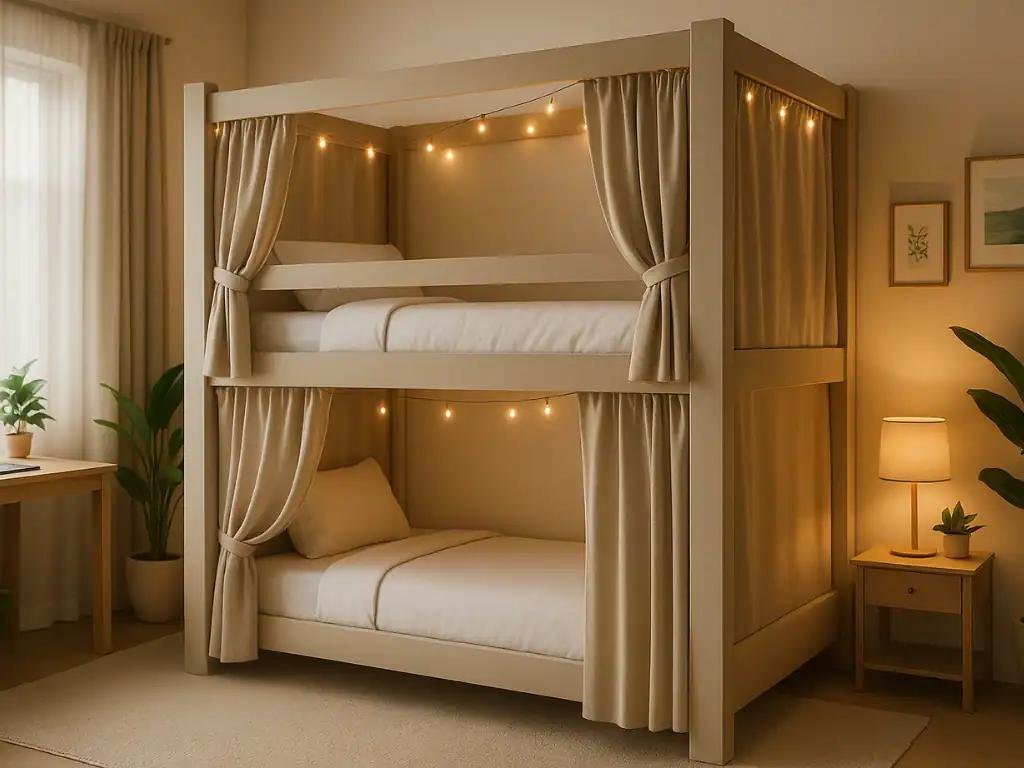
4.2 Guardrails and fall prevention (bunk/loft beds)
For bunk beds, guardrail rules are directly addressed in US regulations (e.g., 16 CFR Part 1513) and in ASTM standards for bunk beds. ecfr.gov+1
Typical buyer questions:
- Do you provide guardrails on both sides of the upper bunk?
- Is one guardrail continuous as required by the regulation language? ecfr.gov
- Are openings controlled to reduce entrapment hazards?
4.3 Ladder and access structure integrity
Ladders and steps must withstand real-life use (children climbing repeatedly). Buyers should confirm:
- Ladder attachment method (anti-loosening design)
- Step spacing uniformity
- Handhold ergonomics and anti-slip surface (if specified)
4.4 Sharp edges, corners, and small parts
Kids furniture must control:
- Exposed sharp edges and corner radii
- Protruding fasteners
- Small detachable components that can create hazards
4.5 Coatings and chemical limits: lead & surface coatings
US enforcement includes restrictions on lead in paint/surface coatings and lead content limits for children’s products. U.S. Consumer Product Safety Commission+2ecfr.gov+2
4.6 Formaldehyde emissions for composite wood products
If your product uses MDF/plywood/particleboard components, buyers may ask for TSCA Title VI alignment and related documentation. EPA’s TSCA Title VI formaldehyde standards govern composite wood products in the US. epa.gov+2ecfr.gov+2
5) Documentation Buyers Should Require (and how to avoid “paper compliance”)
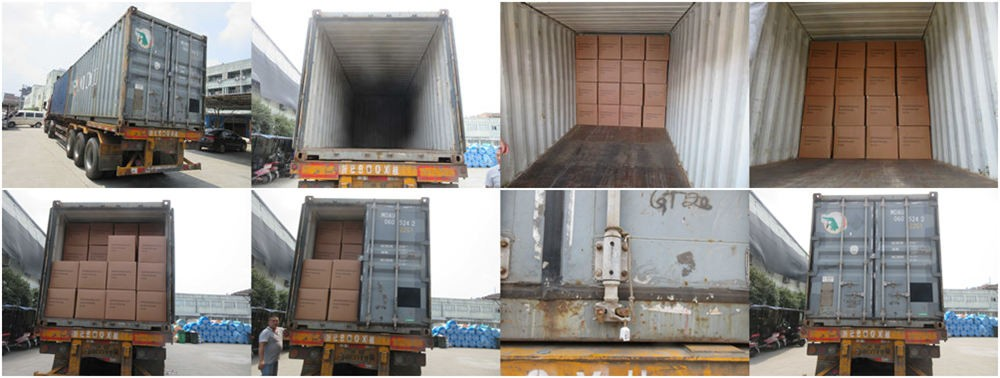
For professional buyers—especially those selling into US retailers, marketplaces, or large projects—documentation is a gate, not a bonus.
5.1 Test Reports: what matters beyond “PASS”
Ask for:
- The exact standard and edition used (ASTM updates matter)
- The exact SKU configuration tested (size, material, hardware kit)
- Lab accreditation information and report scope
5.2 CPC (Children’s Product Certificate) — when it applies
For certain regulated children’s products, CPSC guidance emphasizes certification requirements under CPSA section 14(a). This is issued as a Children’s Product Certificate (CPC). U.S. Consumer Product Safety Commission
Best practice for buyers:
First, confirm whether your product category requires CPC and third-party testing. Then require the supplier to provide a draft CPC package aligned to your SKU list.
5.3 Tracking Labels (traceability)
Tracking labels help identify manufacturer/private labeler, production location and date range, and batch information—this is critical when issues occur. CPSC provides detailed guidance on what information must be included. U.S. Consumer Product Safety Commission
5.4 Material declarations: lead limits & formaldehyde compliance statements
Lead content limits for children’s products are referenced in the CFR. Additionally, lead in paint is regulated under 16 CFR Part 1303. ecfr.gov+2ecfr.gov+2
For composite wood, TSCA Title VI formaldehyde emission standards are governed by EPA regulations and guidance materials. epa.gov+2ecfr.gov+2
Buyer takeaway: Ask for documentation that’s SKU-specific, edition-specific, and batch-traceable.
6) Design Risk Reduction: How Factories Prevent Failures Before Testing
A lab test is expensive and time-consuming. The fastest compliance path is designing out the risk early—especially for OEM/ODM and project orders.
6.1 Round edges and corner management
- Increase corner radius in high-contact zones
- Add edge banding strategy for panel furniture
- Ensure coating durability on edges (common failure point in shipping)
6.2 Guardrail geometry and opening control
For bunk beds, align guardrail design with the intent of CPSC bunk bed requirements and relevant ASTM expectations. ecfr.gov+1
Key actions:
- Validate guardrail coverage on both sides
- Lock down opening dimensions early in CAD
- Prevent “field modification” that changes safety geometry
6.3 Load paths and anti-loosening hardware strategy
- Identify primary load-bearing rails and fastener groups
- Use anti-loosening solutions (thread-locking where appropriate, locking nuts, dowels + cam locks as needed)
- Define torque specs for assembly lines and pre-shipment re-check
6.4 Tip-over mitigation for storage units
If your kids furniture includes chests/dressers:
- Rebalance base depth and drawer extension
- Provide anti-tip kits and clear instructions aligned to stability intent in recognized standards like ASTM F2057. ASTM International | ASTM+1
6.5 Material strategy for US buyers
- Confirm composite wood documentation for TSCA Title VI expectations when MDF/plywood/particleboard is used. epa.gov+1
- Confirm coatings are aligned to lead limits and bans for lead-containing paint. U.S. Consumer Product Safety Commission+1
7) Export QC That Matches US Expectations (Inspection Checkpoints You Can Put in Your PO)
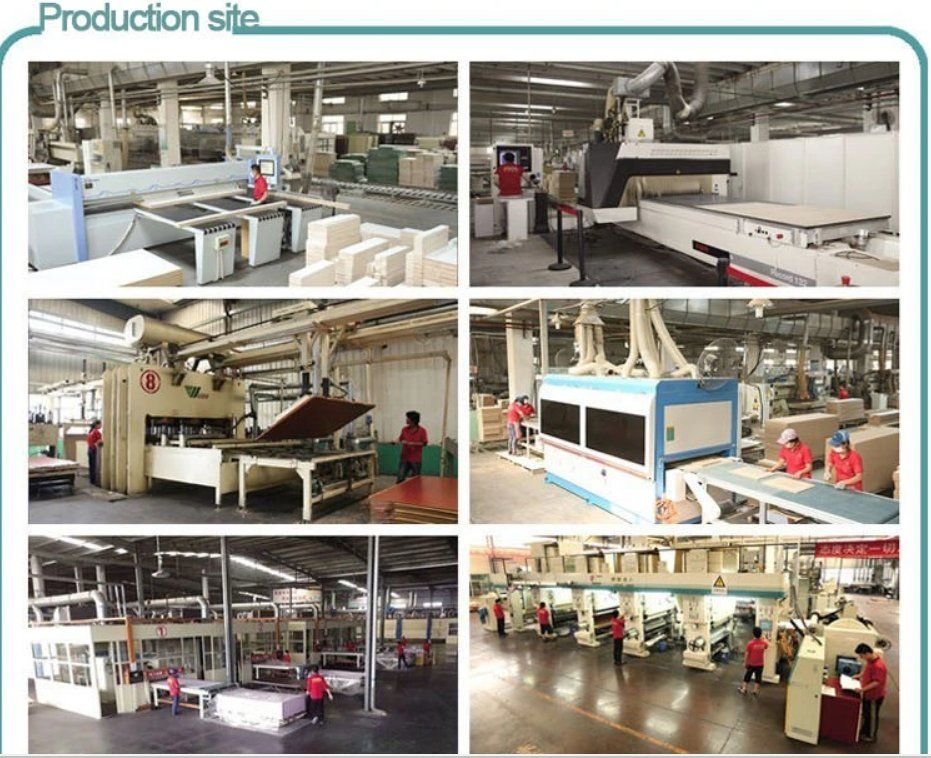
This is where buyers win or lose. Many failures happen not because the design is wrong, but because production drift changes key dimensions or assembly integrity.
Below is a QC structure buyers can request for OEM/ODM kids furniture and project programs (hotel/apartment/real estate).
7.1 Incoming Material Inspection (IQC)
- Panel thickness tolerance & flatness
- Edge banding adhesion checks (peel test sampling)
- Coating adhesion and surface defect screening (if finished panels)
- Hardware batch check: correct part numbers, finish, corrosion resistance (if specified)
7.2 In-Process Inspection (IPQC)
For bunk/loft beds:
- Critical opening dimensions (gap checks on every set or defined sampling)
- Guardrail installation and fastener verification
- Ladder/step alignment and stability
For storage units:
- Drawer glide installation alignment
- Anti-tip kit inclusion and instruction matching
- Stability check sample testing (per defined internal method aligned to standard intent)
7.3 Pre-shipment Inspection (PSI)
- 100% accessory count (hardware packs, labels, instructions)
- Functional checks: drawer smoothness, door alignment, lock function (if any)
- Visual standards: finish consistency, edge chip limits, scratch criteria
- Carton integrity: corner protection, drop-risk reinforcement, palletization (if applicable)
7.4 Container Loading Check (CLC)
- Carton orientation and stacking plan to reduce corner crush
- Moisture protection if shipping to humid routes
- Photo evidence and batch traceability (ties back to tracking labels)
Buyer pro tip: Include the “critical-to-safety” points in the PO’s inspection clause. These points are guardrail geometry, opening checks, and stability. Avoid leaving them as verbal requirements.
8) Common Buyer Mistakes That Cause Delays, Holds, or Rework
Mistake 1: Asking “ASTM compliant” without specifying the product type and edition
Different kids furniture categories map to different standards, and editions change. Require the standard name, edition, and tested SKU configuration.
Mistake 2: Testing one configuration, producing another
Changing ladder style, guardrail height, or even mattress support structure can invalidate the relevance of a prior report. Keep a “golden sample” locked.
Mistake 3: Treating compliance as paperwork, not process
Without controlled CNC drilling patterns, torque specs, and consistent hardware kits, the product can drift out of tolerance.
Mistake 4: Ignoring TSCA Title VI questions for composite wood
US buyers frequently require formaldehyde emission alignment when composite wood is involved. Have a clear material documentation pack ready. epa.gov+2epa.gov+2
9) Your “US Compliance Pack” Checklist (Request This From Your Supplier)
Use this as a sourcing checklist for kids furniture heading to US retail or projects:
A) Product Safety & Testing
- Applicable standard list by SKU (bunk bed, storage unit, desk, etc.)
- Test report(s) with edition + SKU configuration + photos
- Labeling and instruction requirements confirmation (where applicable)
B) Chemical & Materials
- Lead in paint / coating compliance statement (16 CFR Part 1303 context) ecfr.gov+1
- Lead content limits awareness for children’s products (100 ppm referenced in CFR) ecfr.gov+1
- TSCA Title VI composite wood documentation (for MDF/plywood/particleboard) epa.gov+1
C) Traceability & Certification
- Tracking label plan (what’s printed, where placed, batch/date encoding) U.S. Consumer Product Safety Commission
- CPC support (if your category requires it, confirm supplier capability) U.S. Consumer Product Safety Commission
D) Manufacturing Controls
- CNC process capability statement (hole accuracy and repeatability)
- Torque specification & assembly SOP for safety-critical joints
- QC plan with “critical-to-safety” checkpoints
E) Packaging & Logistics
- Drop/impact protection strategy for flat-pack cartons
- Spare parts policy and after-sales support for project orders
CTA
If you’re sourcing for the US market, message us to request our “US Compliance Pack for Kids Furniture”. It includes standard mapping by product type, a documentation checklist, QC checkpoints, and a pre-shipment inspection template. This pack is built for OEM/ODM and project buyers. (We support end-to-end custom manufacturing, from design and prototyping to CNC production, QC, and export packing.) Flat-Pack Furniture Manufacturer+1
About Us
We are a custom flat-pack furniture manufacturer focused on space-saving bedroom solutions. We support OEM/ODM kids furniture for global retailers and project buyers. We offer design and prototyping. Our services include CNC production, QC inspection, and export-ready packing. These are tailored to your market requirements. F