Office Furniture for Home Office: 2 Key Differences Buyers Should Know
Remote and hybrid work are no longer “temporary.” Office furniture for home office has become its own product line for B2B buyers. This includes brands, wholesalers, project contractors, and procurement teams. It has different design priorities, durability expectations, and logistics requirements compared to traditional commercial office furniture.
This article explains the two most important differences buyers should understand before sourcing or developing products for residential workspaces. It also covers why OEM home office furniture demand is accelerating globally.
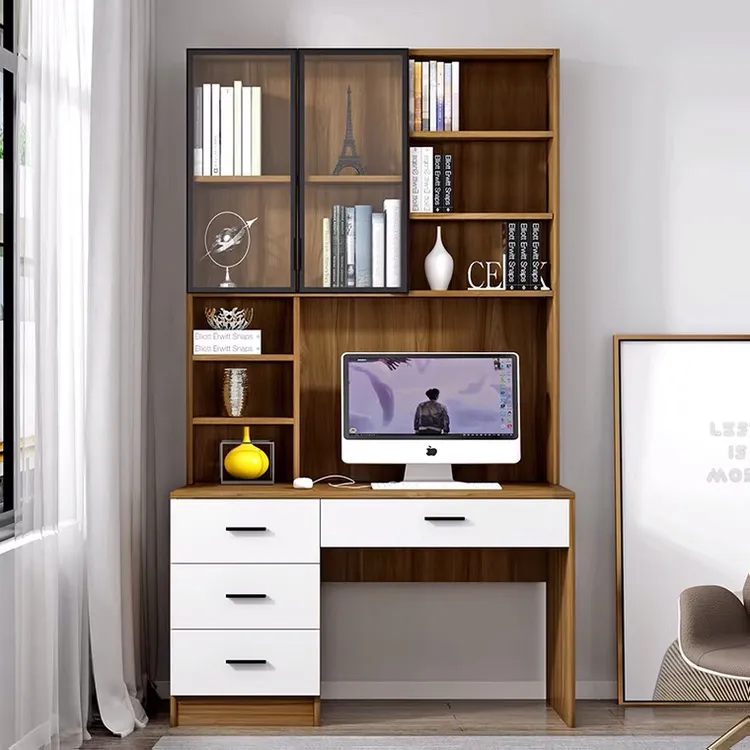
Table of Contents
- Home office vs commercial office furniture
- Difference #1: Design priorities for home environments
- Comfort meets aesthetics
- Smaller footprints and flexible layouts
- Difference #2: Performance + durability standards for residential use
- Stability and safety expectations
- Material compliance and indoor air quality
- Storage, wiring, and space optimization that sell
- Why OEM home office furniture is growing
- Buyer checklist for sourcing (B2B / projects / OEM/ODM)
- FAQ
Home Office vs Commercial Office Furniture (What’s really different?)

Commercial office furniture is designed for centralized facilities: standardized layouts, high-frequency use, and maintenance by building teams. Home office furniture is designed for individuals: limited space, higher aesthetic sensitivity, and self-installation.
Both categories still fall under the broad search term office furniture, but buyers searching furniture home office furniture are often prioritizing:
- compact dimensions and shipping efficiency (flat-pack),
- clean cable routing (no visible clutter),
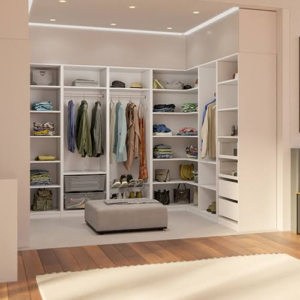
- multi-purpose storage,
- finishes that match residential interiors,
- safety and indoor air considerations.
By contrast, buyers searching for steelcase office furniture or corporate-grade solutions generally buy for shared offices. These offices have long daily usage cycles and strict facility standards.
Difference #1: Design priorities for home environments
1) “Looks like home” matters as much as function
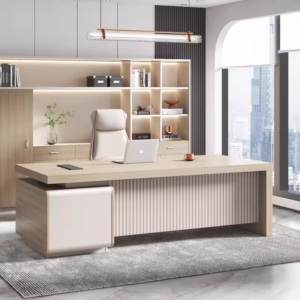
Home office furniture is “always on display.” Customers may place a desk in a bedroom corner, living room niche, or open-plan apartment. That means visual design often decides the sale, even before specs.
For B2B buyers, this changes product development:
- Contemporary home office furniture needs clean lines, minimal hardware visibility, and warm textures.
- Colors and finishes must match residential palettes (light oak, walnut, matte white, soft gray).
- Noise and feel matter: smooth slides, soft-close hinges, stable leg frames.
Practical takeaway: A product that is “good enough” for a commercial office may look too industrial for a home setting. This could lead to losing the online conversion.
2) Smaller footprint + flexible configuration wins
Many end users do not have a dedicated room. They need compact footprints, but still want serious functionality.
Design patterns that perform well:
- wall-hugging desks (shallow depth),
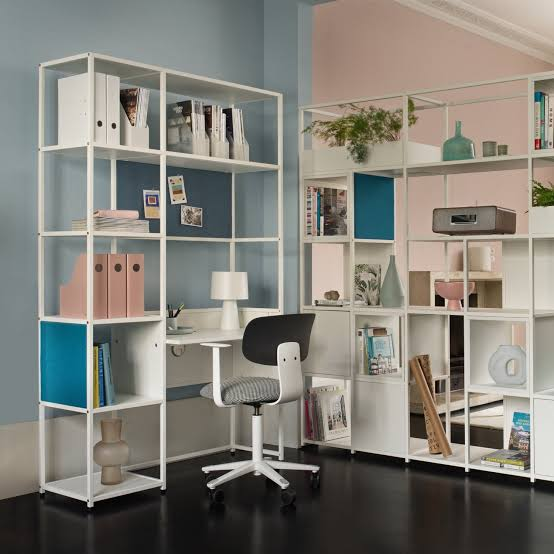
- corner desks for space efficiency,
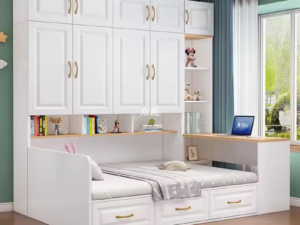
- desks with integrated storage (drawers + open shelf),
- modular add-ons (upper hutch, side cabinet, file pedestal),
- “set thinking” (desk + storage cabinet = office furniture set).
For project buyers (hotels/apartments): home office zones are increasingly included in furnished units. A standardized modular kit improves installation speed while keeping a premium look.
Storage, wiring, and space optimization (the features that sell)
Even when buyers search for cheap office furniture, they still expect modern convenience. For home office, the product must “solve clutter.”
Storage that buyers actually use
Top-performing storage features include:
- shallow top drawers for stationery,
- deeper drawer for laptop and chargers,
- a vertical file zone (A4/Letter),
- open shelves for quick access,
- hidden compartment for power strips.
This is where office storage furniture becomes part of the desk system, not a separate purchase.
Wiring: make it invisible, make it easy
Home office customers want a clean photo-ready setup for Zoom and social content. Key OEM details:
- grommet placement that works for both left- and right-handed setups,
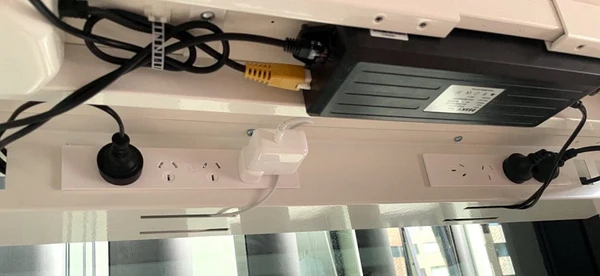
- cable tray / cable channel under the tabletop,
- rear modesty panel with pass-through gap,
- reserved space for router / dock / power strip.
OSHA’s workstation guidance highlights ergonomics as a key consideration in computer work areas, reinforcing why layout and component positioning matter. 职业安全与健康管理局
Difference #2: Performance + durability standards for residential use
1) Stability and safety expectations are non-negotiable
Home office buyers often assemble furniture themselves. That increases the importance of:
- anti-tip stability for drawer units,
- robust connectors and clear installation instructions,
- safe edge finishing, especially for family homes.
Commercial standards like ANSI/BIFMA X5.5 (desks and tables) are widely referenced for evaluating desk/table safety. They also help assess performance. BIFMA notes ANSI approval of the revised X5.5-2021 standard. BIFMA+1
B2B takeaway: Even if the product is positioned for residential use, align internal testing with recognized standards. This can build buyer trust. This also helps reduce after-sales risk.
2) Materials and indoor air quality influence procurement decisions
Residential environments are more sensitive to indoor air concerns. For panel furniture (plywood/MDF/particleboard), formaldehyde emissions compliance is a procurement requirement in many markets.
EPA provides information on formaldehyde emission standards for composite wood products under TSCA Title VI. This helps buyers understand compliance expectations. US EPA+1
For exporters and OEM/ODM programs:
- document material compliance (panel certification, glue system, testing reports),
- standardize traceability for batch/production runs,
- keep packaging and labeling aligned with destination requirements.
3) Residential “durability” is different from commercial durability
Commercial durability assumes:
- constant daily use,
- cleaning chemicals and maintenance,
- shared workstations and higher wear.
Residential durability emphasizes:
- stability on uneven floors (apartments),
- resistance to small impacts and frequent moving,
- repeated flat-pack assembly risk (relocation).
So while commercial furniture may require heavy-duty cycles, home office furniture must be forgiving, stable, and easy to assemble correctly.
Why OEM home office furniture is growing
1) Hybrid work is turning “home office” into a permanent category
More professionals are investing in home setups that look good on camera and perform like a real workstation. This expands demand beyond simple desks into full systems: desk + storage + shelving + lighting integration.
2) E-commerce favors flat-pack, scalable SKUs
DTC brands and marketplace sellers need:
- consistent packaging dimensions,
- lower shipping cost per unit,
- reduced damage rate,
- easy unboxing and clear instructions.
That’s why flat-pack panel solutions are a strong fit for OEM.
3) Projects are adding compact work zones (hotel/apartment)
In many markets, apartments and extended-stay hotels add a “work corner.” Procurement teams prefer:
- standardized SKUs,
- fast installation,
- replaceable parts,
- repeatable finish quality.
This is where an export-focused panel furniture factory can support B2B engineering, shop drawings, hardware selection, and packaging optimization.
4) Sustainability and sourcing transparency are becoming bid requirements
Many buyers ask about responsible wood sourcing. FSC explains Chain of Custody certification. It verifies forest-based materials through the supply chain—from forest to finished goods. 森林管理委员会
Buyer checklist (B2B / OEM/ODM / project procurement)
Product definition
- Intended use: daily 6–10 hours or light use?
- Target customer: DTC retail, wholesale, hotel/apartment, contractor?
- Style direction: contemporary, minimalist, classic?
Engineering + manufacturing
- Confirm tabletop thickness and load expectation
- Verify connector system (cam lock, confirmat, metal brackets)
- Edge banding durability and corner radius
- Drawer slide grade (and soft-close if needed)
- Anti-tip requirement for drawer pedestals
Compliance & documentation
- Composite wood emissions compliance documents (destination market)
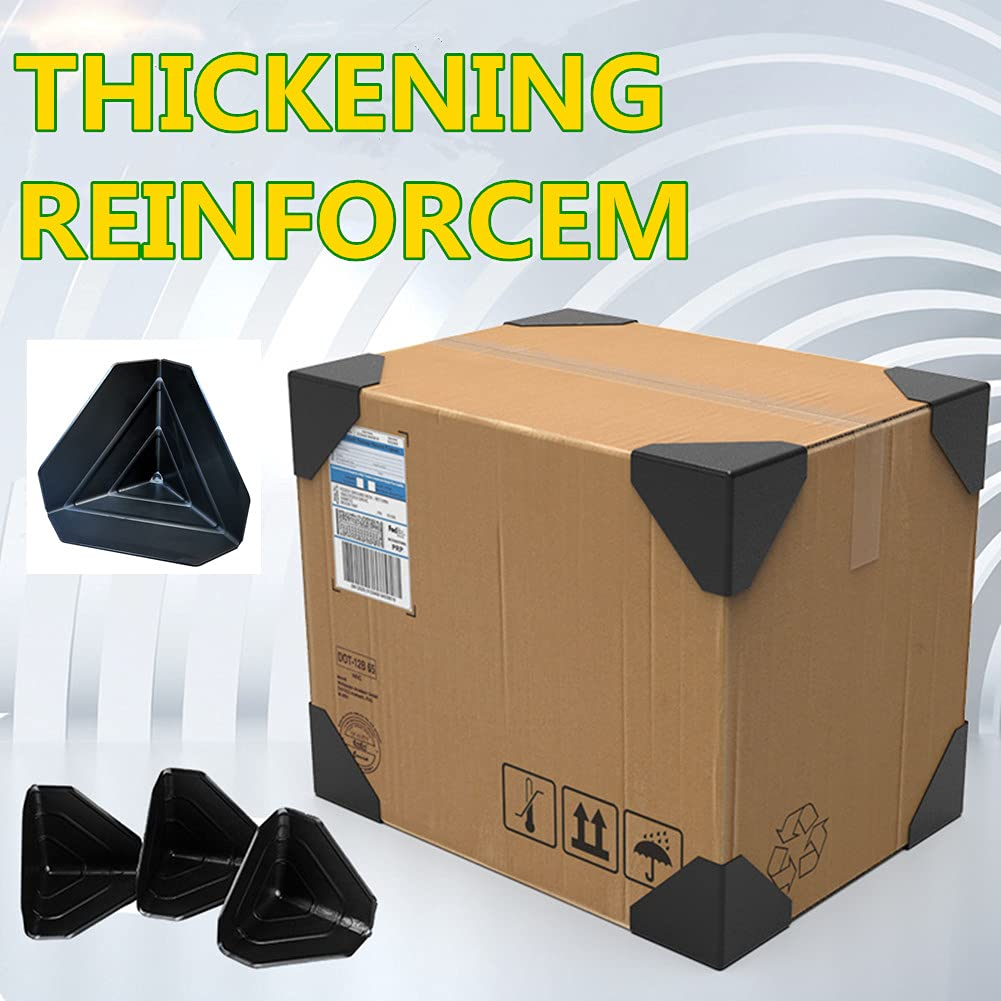
- Packaging drop-test approach and corner protection
- Clear assembly manual and QR support
- Batch traceability for panels and hardware
Logistics
- Flat-pack carton size optimized for parcel vs container
- Spare parts kit and hardware labeling
- Mixed SKU palletization and container loading plan
Keyword coverage
- Price/value: cheap office furniture, costco office furniture, costco office furniture chairs
- Customization: custom office furniture, office desks furniture, desk office furniture
- Services: office furniture installation, office furniture movers, office furniture rental
- Storage: office storage furniture
- Local intent pages (distributors / projects): office furniture arizona, office furniture az, used office furniture houston, used office furniture chicago, office furniture used near me
- Brand comparison content : sauder office furniture, steelcase office furniture, ashley furniture corporate office
Authority external references
- When discussing workstation ergonomics and setup risks, reference OSHA’s overview of computer workstations. 职业安全与健康管理局
- For practical ergonomic improvement goals that buyers can apply to desk and chair selection, cite California DIR’s computer ergonomics guide. 加州工业关系署
- When explaining desk/table stability and performance testing expectations, cite BIFMA’s announcement of ANSI approval for the ANSI/BIFMA X5.5-2021 standard. BIFMA
- For formaldehyde compliance requirements in composite wood products, cite EPA’s TSCA Title VI information page. US EPA
- When buyers ask about responsible sourcing and traceability, cite FSC’s Chain of Custody explanation. 森林管理委员会
FAQ
Q1: What is the biggest difference between home office and commercial office furniture?
A: Home office furniture prioritizes residential aesthetics. It is compact in size and easy to self-assemble. Commercial furniture prioritizes facility durability and standardized workplace performance.
Q2: Do home office desks need to meet ANSI/BIFMA standards?
A: Many residential products are not required to be certified. However, aligning internal tests with recognized desk/table performance standards can reduce after-sales risk. It can also increase B2B buyer confidence. BIFMA
Q3: What storage features matter most for home office buyers?
A: Integrated drawers, vertical file space, and modular cabinets are top performers—especially when combined with cable management and small-footprint layouts.
Q4: Why do buyers care about formaldehyde emissions in panel furniture?
A: Many markets regulate emissions from composite wood products. Buyers want compliance documentation to protect their brand. This also helps them meet procurement requirements. US EPA
Q5: Why is OEM/ODM home office furniture demand increasing?
A: Hybrid work growth is driving scalable OEM programs for flat-pack home office solutions. E-commerce shipping efficiency also contributes. Additionally, apartment and hotel projects are adding work zones.
About Us
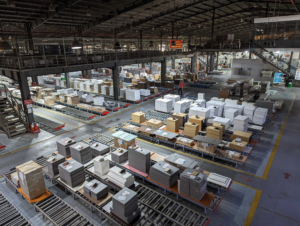
We are a leading manufacturer and exporter of panel furniture and custom office systems. We specialize in OEM/ODM for global B2B buyers. With advanced CNC production lines, we maintain strict quality control. We ensure export-ready packaging and efficient logistics. Our services support brands, retailers, developers, and contract buyers. We deliver space-optimized furniture for residential and commercial environments.
Our factory expertise covers design support, engineering drawings, and materials compliance (low emissions). It also includes modular configurations and scalable production. This expertise helps partners launch products that meet style, functionality, and market demand.