The Importance of Moisture Resistance in Plywood for Furniture
Plywood is the go-to material in the furniture manufacturing industry due to its versatility, strength, and cost-effectiveness. However, not all plywood is created equal. Moisture resistance is a crucial factor when selecting plywood for furniture. This is especially true in environments where the furniture will be exposed to high humidity or water. Whether it’s kitchen cabinets, bathroom vanities, or outdoor furniture, it is important to understand moisture-resistant plywood. This understanding can help manufacturers deliver durable products. These products will last a long time. In this article, we will explore the different types of moisture-resistant plywood. We will look at their applications. We will also discuss how to ensure your plywood is up to the task.
Why Moisture Resistance is a Crucial Factor for Plywood in Furniture Manufacturing
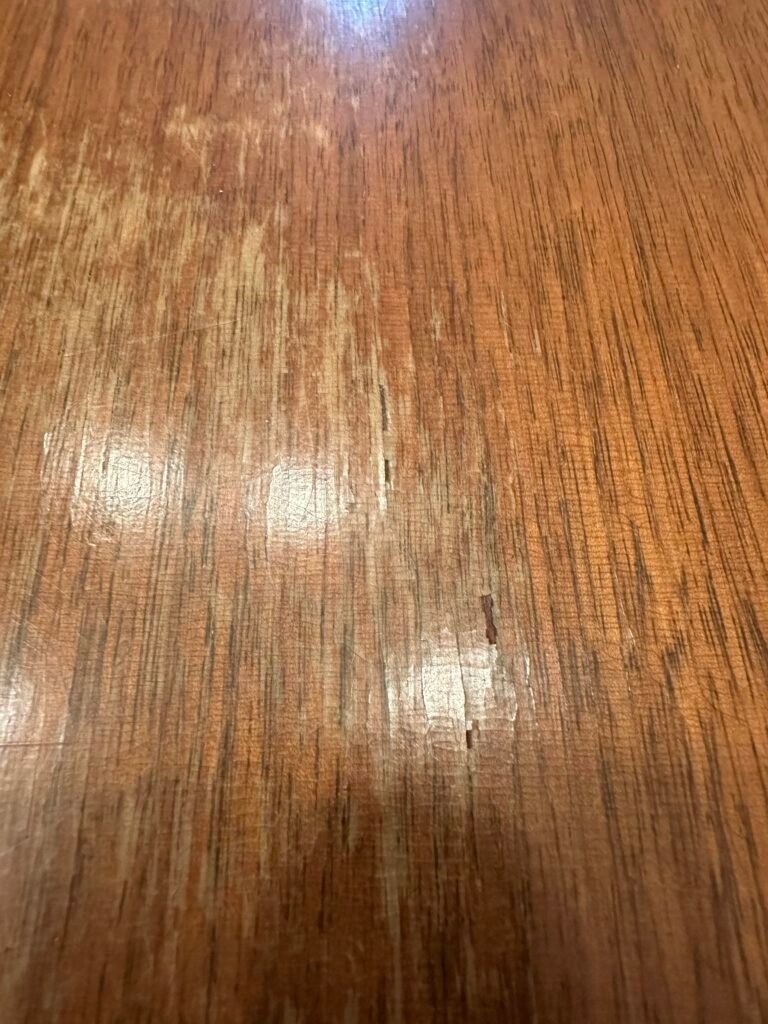
Furniture is often exposed to varying environmental conditions, and moisture is one of the biggest threats to its longevity. High moisture levels can cause plywood to warp, swell, or even delaminate, leading to structural failures and decreased aesthetic quality. Moisture-resistant plywood helps to mitigate these issues by preventing water from penetrating the material and affecting its integrity. This is especially important in areas like kitchens, bathrooms, and outdoor environments, where humidity levels fluctuate frequently.
When selecting plywood for furniture, moisture resistance is crucial. It ensures that the material can withstand the wear and tear of everyday use. This includes exposure to water, steam, and high humidity. For manufacturers, using the right type of moisture-resistant plywood can reduce the risk of product damage. It also helps avoid returns and maintain customer satisfaction.
Types of Moisture-Resistant Plywood
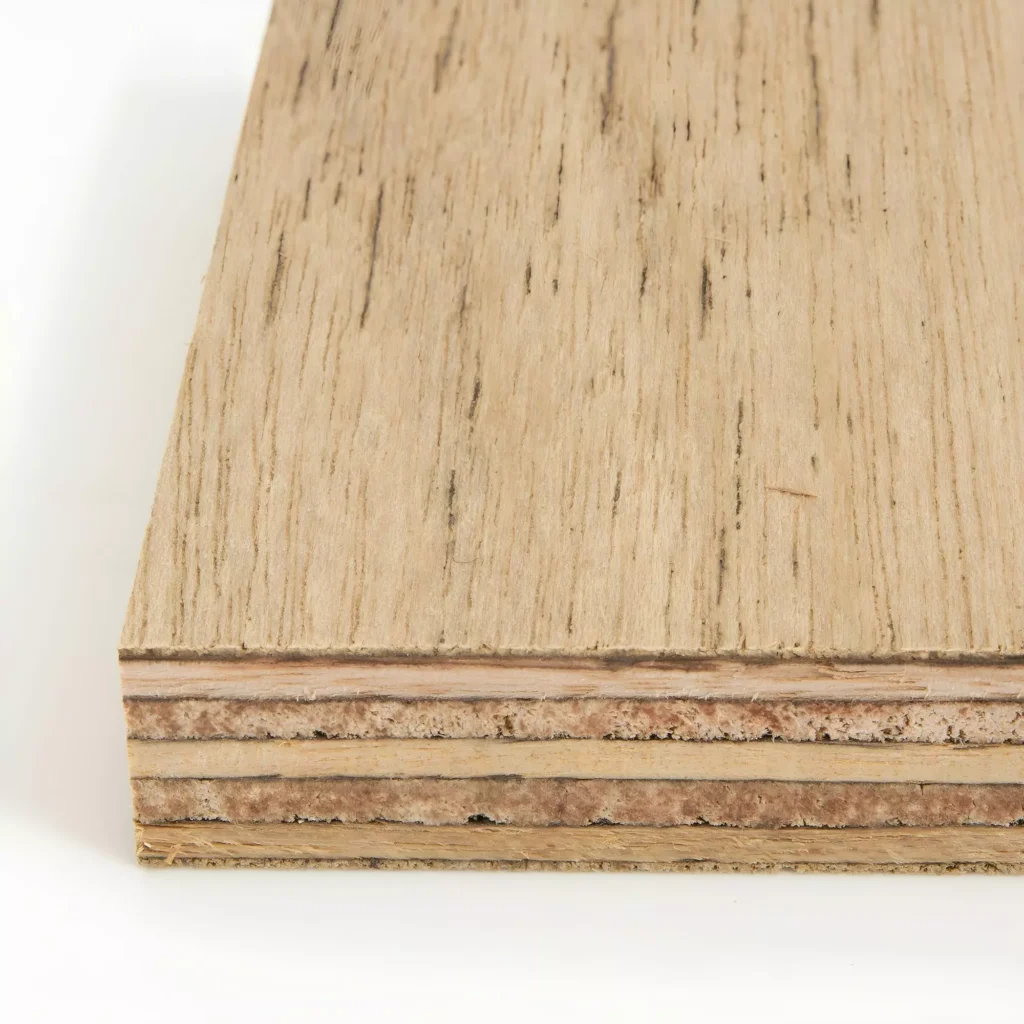
Moisture-resistant plywood comes in several grades, each designed to meet specific environmental challenges. Below are the most common types of moisture-resistant plywood used in furniture manufacturing:
1. BWR (Boiling Water Resistant) Plywood
BWR plywood is designed to withstand exposure to boiling water without significant deterioration. It is made using phenolic resins. These resins provide a strong bond. This suitability is due to its ability to perform well in applications with high moisture. However, it should not be in direct contact with water for long periods.
Applications: BWR plywood is commonly used for furniture in high-moisture areas. These include kitchens and bathrooms. In such places, exposure to steam or occasional splashes of water is expected.
2. BWP (Boiling Water Proof) Plywood
BWP plywood is the highest grade of moisture-resistant plywood. It is specifically engineered to endure exposure to water for prolonged periods without delaminating or losing its structural integrity. BWP plywood is treated with high-quality waterproof adhesives, making it suitable for the harshest environments.
Applications: BWP plywood is typically used for outdoor and marine furniture. It is also used in applications where the plywood will be submerged in water or exposed to extreme weather conditions.
For example, you may want to use BWP plywood for boat furniture or bathroom vanities in commercial buildings.
3. Marine-Grade Plywood
Marine-grade plywood is often the best choice for furniture that needs to withstand outdoor elements or constant moisture exposure. It’s constructed using waterproof adhesives and high-quality wood veneers, ensuring maximum strength and durability. This plywood is usually certified by standards like the BS1088, which guarantees it meets rigorous quality controls.
Applications: Marine-grade plywood is ideal for outdoor furniture, decking, and any furniture exposed to wet conditions. It’s commonly used for outdoor seating, dining sets, and structures that require high moisture resistance.
Recommended Use Case: High-end, moisture-exposed furniture like patio furniture, where longevity and aesthetic appearance are critical.
Explore marine-grade plywood options.
Applications in Specific Furniture Types
When choosing the best moisture-resistant plywood for different furniture types, it’s important to consider where the furniture will be placed. Environmental factors play a crucial role. Below are some applications where moisture-resistant plywood plays a key role:
1. Plywood for Kitchens
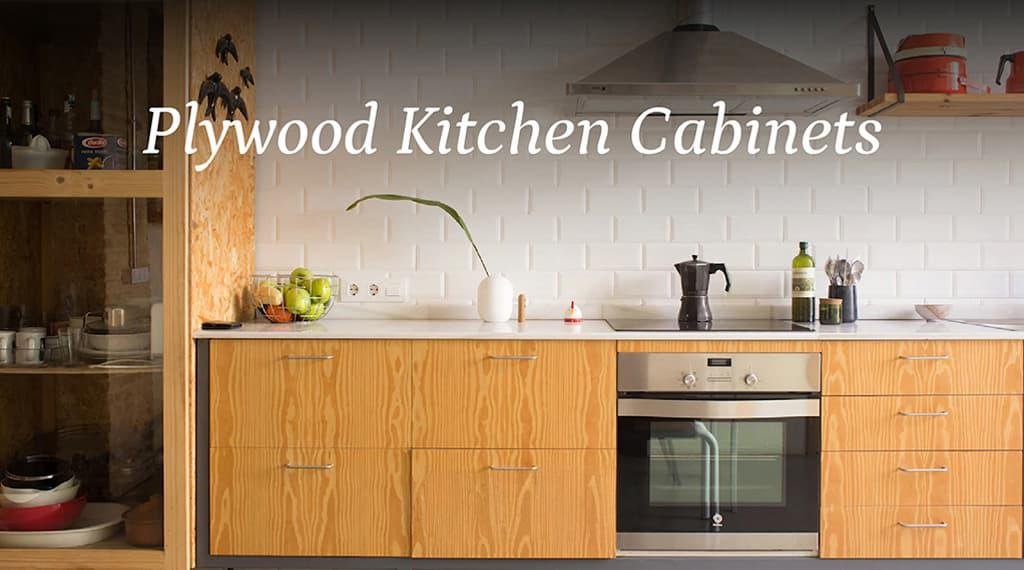
Kitchens are high-moisture environments due to the constant presence of water, steam, and heat. For kitchen cabinets, countertops, and other furniture, it’s essential to use plywood that can withstand these conditions. BWR plywood is often used for kitchen cabinets as it can handle moisture exposure without warping or swelling. For high-end kitchen furniture, marine-grade plywood may be used to ensure maximum durability and longevity.
Find out why BWR plywood is great for kitchen furniture.
2. Plywood for Bathrooms
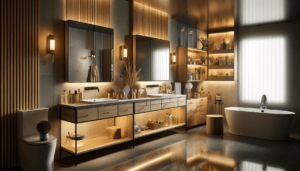
Bathrooms are prone to high humidity and moisture due to showers, baths, and sinks. Furniture in these spaces, such as vanities, shelving, and storage units, should be made with plywood that can resist moisture. BWP plywood is an ideal choice for bathroom furniture. It offers the best protection against humidity. Marine-grade plywood is also effective at preventing water exposure.
Tip: When selecting plywood for bathroom furniture, ensure that the plywood is properly sealed and treated to avoid water damage.
Read more about plywood for bathrooms.
3. Outdoor Furniture
Outdoor furniture faces a unique set of challenges. It is exposed to weather conditions such as rain, wind, and temperature fluctuations. Marine-grade plywood is commonly used for outdoor furniture, as it is specifically designed to withstand harsh environmental conditions. This type of plywood is ideal for patio sets and benches. It is also great for outdoor tables that must endure exposure to the elements.
For projects in high-moisture outdoor areas, choose marine-grade plywood. It is the most durable choice. Areas like poolside or on a boat particularly benefit from it. Marine-grade plywood is the most durable choice. It is also the most long-lasting option.
Learn more about marine plywood for outdoor furniture.
How to Ensure Moisture Resistance in Plywood
Selecting moisture-resistant plywood is the first step. It’s equally important to ensure that the plywood remains resistant to moisture over time. Below are some tips for enhancing the moisture resistance of plywood:
1. Proper Sealing and Coating
Even moisture-resistant plywood can benefit from additional sealing. Apply a moisture-repelling finish or varnish to the plywood to create an extra layer of protection. This is particularly important for furniture that will be exposed to high humidity or wet conditions.
Recommended Suppliers: When looking for high-quality plywood, consider suppliers such as PlywoodGuru or MrsWoodCraft. These suppliers offer various grades of plywood suited for different furniture needs, including moisture-resistant options.
2. Use of Protective Treatments
In some cases, you can apply protective treatments to plywood to further enhance its resistance to moisture. For example, treatments like phenolic resin coatings can help create a waterproof barrier. Water-resistant adhesives also prevent moisture from penetrating the plywood.
3. Proper Storage and Handling
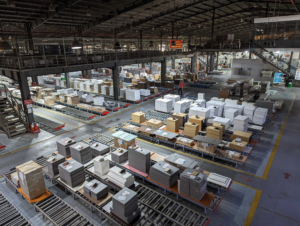
Proper storage and handling of plywood during production and transportation are essential to maintaining moisture resistance. Avoid storing plywood in damp or humid environments before use, as this can compromise its quality and performance.
Explore plywood treatments and coatings for moisture resistance.
Conclusion
Moisture resistance should be a non-negotiable factor in plywood used for furniture manufacturing. This is especially true for furniture placed in moisture-prone areas such as kitchens, bathrooms, and outdoor spaces. Choose the right type of moisture-resistant plywood, whether BWR, BWP, or marine-grade plywood. This choice ensures the durability, strength, and aesthetic appeal of your furniture.
Proper sealing, treatment, and storage are also critical to maintaining the long-term performance of plywood. Invest in high-quality plywood. Ensure it is specifically designed to resist moisture. This choice will ultimately save you money on repairs, replacements, and customer dissatisfaction.
To ensure you are using the best materials for your furniture, work with reputable plywood suppliers who provide detailed specifications. Always choose the grade that matches the intended use of your furniture. Paying close attention to material selection will aid you in building durable furniture. It will also enhance its aesthetic quality.
External Links:
National Kitchen & Bath Association (NKBA)
International Furniture Manufacturers Association
The American Furniture Manufacturers Association
European Furniture Manufacturers Association
FAQ: Moisture-Resistant Plywood for Furniture
1. What is moisture-resistant plywood?
Moisture-resistant plywood is engineered with special adhesives and a denser core to reduce water absorption. It helps furniture stay stable and prevents swelling, warping, and delamination in humid conditions.
2. Is moisture-resistant plywood completely waterproof?
No. Moisture-resistant plywood is designed to handle everyday humidity, occasional spills, and steam. However, it is not meant for full and constant water immersion. For areas with direct or standing water, you may still need additional sealing or waterproofing.
3. Where is moisture-resistant plywood most useful in furniture?
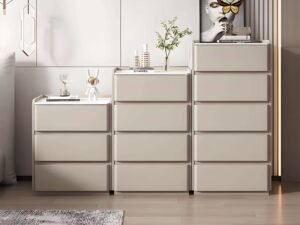
It is especially useful in furniture for kitchens, bathrooms, laundry rooms, balconies, and other semi-outdoor or high-humidity spaces. Cabinets, wardrobes, shelving, and storage units in these areas benefit the most.
4. How can I tell if plywood is moisture-resistant?
Check the grade and specifications from the supplier, including the type of glue used and any moisture-resistance ratings. Look for clear labeling, product data sheets, and certifications, and always buy from a trusted manufacturer.
5. Is moisture-resistant plywood worth the extra cost?
Yes. Although it may cost more than standard plywood, it greatly reduces the risk of damage, replacement, and repair. Over the life of your furniture, the added durability and stability usually save money and protect your investment.
6. Do I still need to seal moisture-resistant plywood?
For the best performance, you should still use proper sealing, edge banding, and surface finishes. These treatments work together with moisture-resistant plywood to provide longer-lasting protection for your furniture.
About Us
At Starwood, we focus on providing reliable plywood solutions for furniture makers, interior designers, and homeowners. Our product range includes moisture-resistant plywood designed to perform in kitchens, bathrooms, and other humid spaces.
We work closely with our customers. We recommend the right plywood grades for each application. This helps them create furniture that is strong, stable, and long-lasting. From raw panels to finished projects, our goal is to deliver consistent quality, responsive service, and practical technical support.
If you are planning a new furniture project, our team is ready to help you. If you need guidance on choosing moisture-resistant plywood, we can assist you in finding the best solution.