Why Loft Bed With Desk Wardrobe Is a Best Seller in Small Rooms
Modern kids’ rooms are no longer “just a bed.” Parents desire an organized space that serves multiple functions. It should allow children to sleep, study, and store clothing. Keeping toys under control is essential, especially in apartments and compact homes. For industry buyers, that shift changes what becomes a bestseller. Kids storage furniture and integrated systems like loft bed with desk wardrobe move faster than single-purpose SKUs. They solve multiple pain points in one purchase. On Starwood’s kids room range, the best-performing concepts consistently provide sleep, study, and storage. These concepts are unified solutions. This combination is exactly what small-room shoppers search for. Flat-Pack Furniture Manufacturer+1
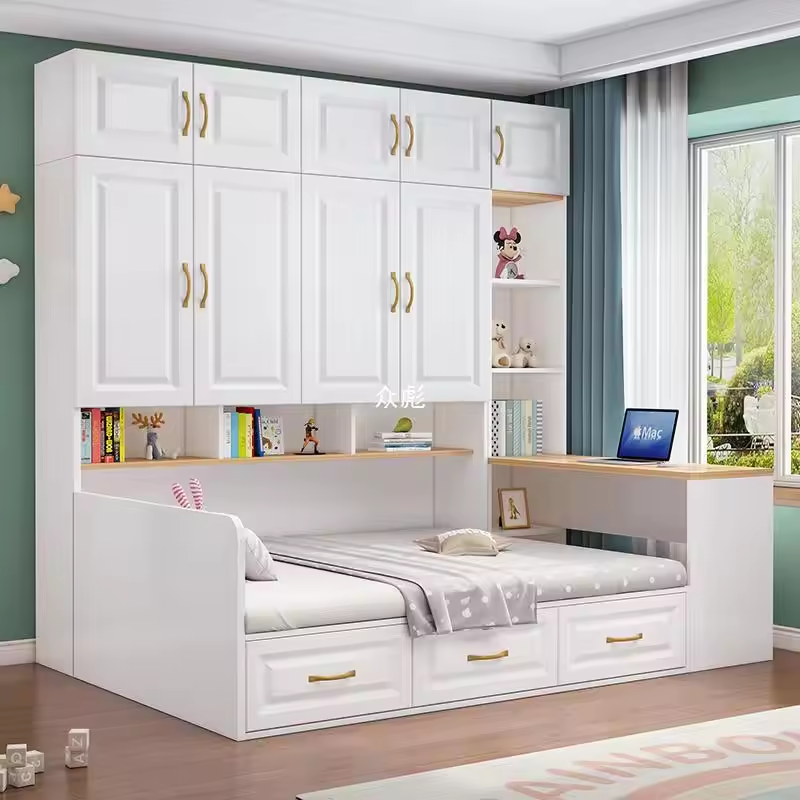
This article is written for B2B buyers (importers, wholesalers, project contractors, retailers, and OEM/ODM clients). It covers two high-intent topics:
- Kids Storage Furniture — why it sells better, and how to select structures that match demand and reduce returns.
- Space Saving Loft Bed With Desk Wardrobe — this is a bestseller for small rooms. It incorporates the procurement parameters that matter most in bulk and project orders.
Table of Contents
- Kids Storage Furniture: Why It Sells Better (Demand → Structure Selection)
- The Bestseller Logic: Loft Bed With Desk Wardrobe for Small Rooms
- Scenario Pain Point: Not Enough Space for Bed + Desk + Wardrobe
- How Integrated Structure Solves It (Sleep/Study/Wardrobe/Storage)
- The 5 B2B Parameters Buyers Must Confirm
- Size Coverage Strategy (90×200 / 120×200 and more)
- Packaging & Manual: How to Avoid Bad Reviews and Site Delays
- Compliance & Materials: What Global Buyers Expect
- FAQ (FAQ Schema-ready)
- CTA: Request the Bestseller Size Chart + Options + Packing List Template
Kids Storage Furniture
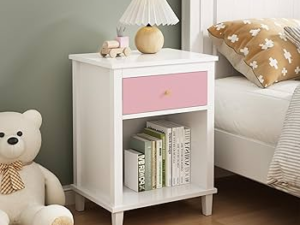
If your goal is to grow repeat orders, focus on kids storage furniture. It reduces SKU risk and is often the easiest “profit anchor” in kids categories. Storage is not seasonal, not style-fragile, and it pairs naturally with every kids furniture set and kids furniture beds program. In retailer terms: storage increases attach rate. In project terms: storage reduces site clutter. In e-commerce terms: storage reduces “room feels messy” complaints.
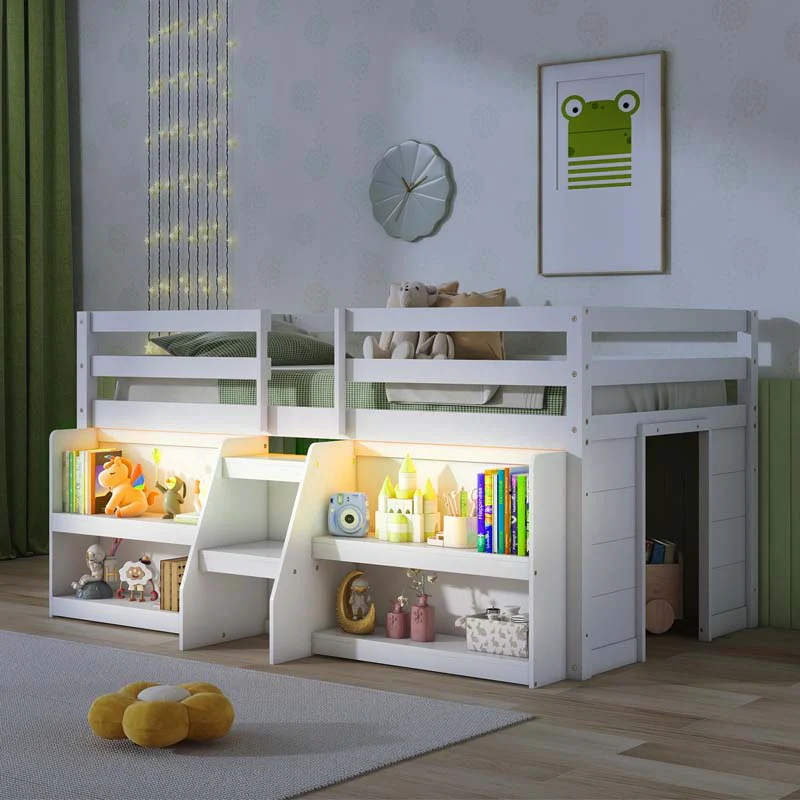
Demand drivers (what end buyers actually want)
1) Smaller homes, higher density living
Families want vertical organization: shelving, cubes, drawers, and wardrobes that keep floors clear.
2) Parents buy “systems,” not pieces
Many shoppers search for complete kids bedroom furniture sets, not one item. Integrated storage creates that “room solution” perception and raises AOV.
3) Easy reconfiguration matters
Modular storage (cubes + bins) and categorized wardrobe interiors reduce friction when kids grow.
4) Less mess = fewer returns
When storage is built into the furniture story, buyer expectations are met more consistently.
Structure selection guide (how to choose sellable storage)
Below is a practical structure roadmap you can use for product planning:
A) Cube organizers + bins (fast movers for value tiers)
- Pros: simple, modular, easy to bundle with beds/desks
- Watch-outs: carton protection; edge durability; wobble control
- Best for: “furniture kids” value channels and entry-level bundles
B) Drawer bases (premium perception, higher margin)
- Pros: hidden storage, cleaner look, better for “best kids furniture” positioning
- Watch-outs: slide quality; drawer box strength; anti-rack stability
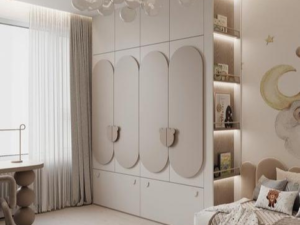
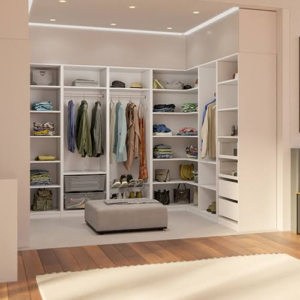
C) Wardrobes with categorized interiors (project-friendly)
- Pros: strongest “complete-room” value; reduces need for extra furniture
- Watch-outs: hinge spec, door alignment, anti-tip strategy, ventilation design
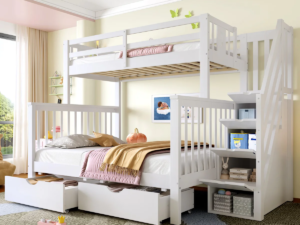
D) Multi-functional storage beds / loft systems (bestseller category)
PlywoodMFR’s kids solutions highlight a recurring pattern: loft beds and multi-functional units that combine desk + storage keep rooms clutter-free and match modern demand. Flat-Pack Furniture Manufacturer+2Flat-Pack Furniture Manufacturer+2
How to position “cheap” vs “best” without hurting brand trust
You can sell cheap kids furniture without looking “cheap” by controlling:
- finish consistency (color match, smooth edges)
- hardware standardization (hinges/slides, spare parts pack)
- packaging quality (corner protection, clear labeling)
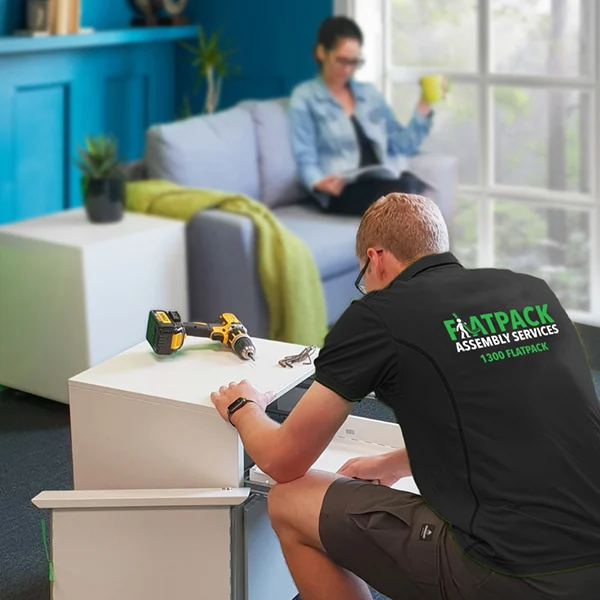
- clear assembly story (manual + QR video)
This is where OEM/ODM matters more than design. For a flat-pack manufacturer, consistency beats novelty—especially for repeat orders and multi-site projects.
Space Saving Loft Bed With Desk Wardrobe
PlywoodMFR’s kids category frequently showcases the all-in-one logic. It combines a loft bed, desk, and wardrobe/storage as a unified solution for compact rooms. Flat-Pack Furniture Manufacturer+1 Market proof exists across major retailers. Integrated loft systems are positioned as complete kids-room solutions. They include sleep, study, and wardrobe components. This is because they solve a real space constraint. ikea.cn
For B2B buyers, the real reason it sells: one SKU satisfies multiple search intents. These intents include “kids furniture beds,” “kid bedroom furniture,” “best kids furniture,” and “kids storage furniture.” It performs across channels and reduces assortment complexity.
Small rooms have a simple math problem:
- A standard bed consumes the primary floor zone
- A desk needs a working clearance zone
- A wardrobe needs door swing or sliding clearance
The room becomes crowded when families try to buy these separately. Pathways shrink, and the result is dissatisfaction (“it doesn’t fit,” “it feels tight,” “no storage”). That’s why integrated kids bedroom furniture sets outperform single items. The set is designed as one footprint. It is not three random footprints.
For projects (serviced apartments, family hotels, student housing), this pain point is even more direct. Less space means higher ROI pressure. A single integrated unit reduces procurement, reduces installation time, and standardizes maintenance.
(Flat-Pack Furniture Manufacturer)
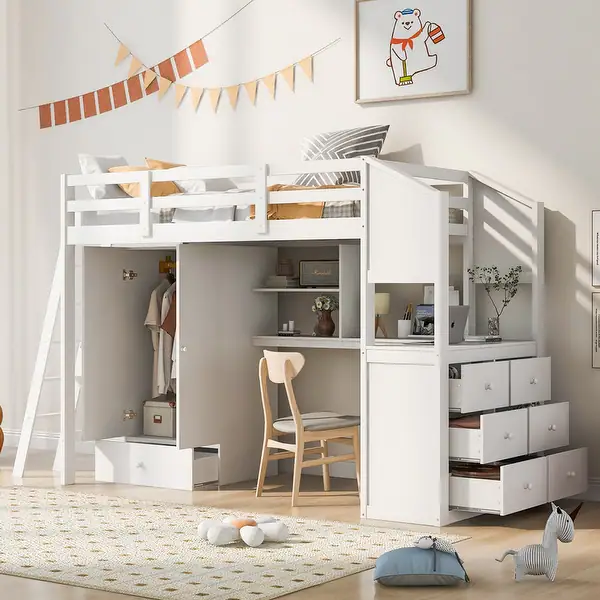
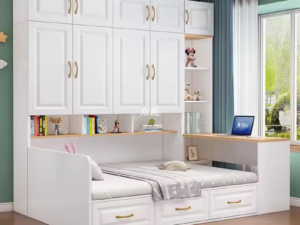
A loft bed with desk wardrobe wins because it “goes vertical”:
- Sleep zone up top → frees floor area
- Desk under-bed → uses space that would otherwise be empty
- Wardrobe + cupboard at the side → creates a categorized storage system
- Open shelves + drawers → improves daily usability and keeps the room tidy
This approach matches the “sleep, study, store” concept described in PlywoodMFR’s kids room products. Flat-Pack Furniture Manufacturer+2Flat-Pack Furniture Manufacturer+2
Layout options that increase SKU coverage
Offer 2–3 modular layouts, not 10 confusing variations:
- Desk parallel to bed (simpler footprint, easier listing)
- Desk perpendicular (more flexible access, better for some room shapes) ikea.cn
- Wardrobe side + cupboard + open shelf (best for “complete-room” buyers)
If you want fewer disputes and faster approvals, document these five parameters in your quote sheet and spec drawing.
1) Load rating (static + dynamic)
Buyers want confidence for everyday use. Define:
- recommended user weight (top bunk)
- structural support points
- test method reference (internal QC, third-party testing if required)
2) Guardrail height (top bunk safety)
Guardrail requirements vary by market and standard. In the US, CPSC provides business guidance and references ASTM F1427 as an industry consensus standard for bunk beds. U.S. Consumer Product Safety Commission In the UK/EU, EN 747 covers safety, strength, and durability requirements for bunk and high beds. satra.com+1
For B2B, the key is: design and document rail height relative to mattress thickness.
3) Ladder angle + step design
- Ladder angle affects perceived safety and ease of use
- Steps (instead of ladder rungs) can be a premium upgrade for some channels
- Add anti-slip considerations and handhold zones in the design spec
4) Desk size (work surface + clearance)
The desk is a main selling point, so list:
- desktop width/depth
- leg space clearance
- cable management option (simple grommet or back cutout)
5) Wardrobe internal layout (categorized storage)
Wardrobe sells the “complete room” concept. Standardize:
- hanging area height
- shelf count and spacing
- optional drawer module (with soft-close upgrade)
Size coverage is how you win multi-country distribution. A clean strategy:
- Core size A: 90×200 cm (common for EU/UK compact rooms)
- Core size B: 120×200 cm (upsize option for higher-tier channels)
- Optional: Twin/Full mapping (for US listings)
Keep the structure consistent and vary:
- bed base width
- wardrobe depth
- desk length
This keeps packaging logic stable while allowing price laddering (value → mid → premium). PlywoodMFR’s space-saving product approach emphasizes modular “sleep + study + storage” solutions. These solutions are suitable for compact rooms. This is exactly where size coverage matters. Flat-Pack Furniture Manufacturer+1
For flat-pack, your packaging and manual are part of product quality. Most negative reviews come from:
- missing hardware
- unclear part labeling
- damaged corners
- confusing steps
Packaging checklist
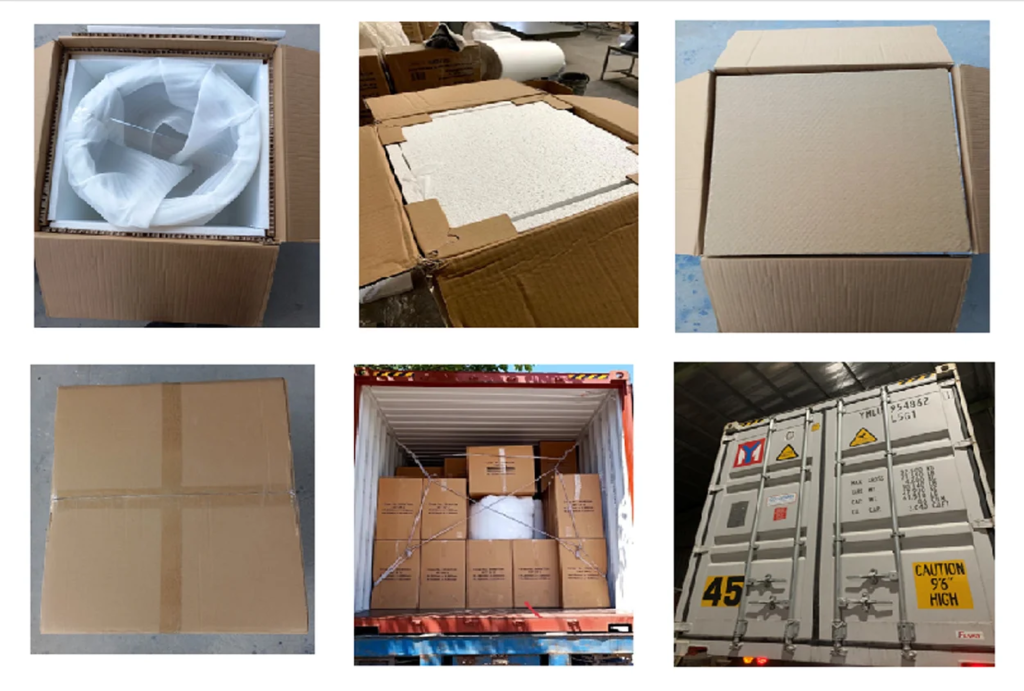
- Part numbering printed on panels + label on carton
- Hardware separated into step-by-step bags (Bag A/B/C…)
- Spare parts pack (extra screws, cam locks)
- Corner protection + edge guards for long panels
- Drop-test mindset for parcel channels
If you sell into parcel systems, ISTA provides test procedures for individual packaged-products shipped through parcel delivery systems (e.g., Procedure 3A). ista.org+1 Use this as your “packaging language” when talking to professional buyers.
Manual + video (the fastest way to reduce claims)
- 1-page quick start + full manual
- consistent icon system (tools, warnings, alignment tips)
- QR code to a short assembly video
- a “common mistakes” page (cam lock direction, panel orientation)
Compliance & materials buyers expect (US/EU/UK projects and retail)
For panel furniture export, material compliance is a purchasing gate—not a marketing add-on.
Formaldehyde emissions (US market reality)
In the US, EPA regulates formaldehyde emissions standards for composite wood products under TSCA Title VI. US EPA+1 Many buyers also reference CARB’s composite wood products program. This program is from the California Air Resources Board and covers hardwood plywood, particleboard, and MDF emissions requirements. ww2.arb.ca.gov
Responsible sourcing signals (tenders & brand clients)
FSC chain of custody certification is widely recognized to verify forest-based materials along the supply chain. fsc.org+1
For project buyers, this supports tender documentation and brand trust.
Bed safety standards (talk like a professional buyer)
- US: CPSC guidance + ASTM references for bunk beds U.S. Consumer Product Safety Commission
- EU/UK: EN 747 safety/strength/durability requirements for bunk and high beds satra.com+1
When you speak this language, approvals move faster.
CTA
Want to speed up your product planning and quotation cycle?
Request our B2B pack:
“Loft Bed Bestseller Size Chart + Structure Options + Container Loading / Packing List Template”
Please send your target market. Specify if it is US, UK, EU, AU, or the Middle East. Let us know your material preferences for plywood, MDF, or OSB. Include your MOQ target. Our team will respond with recommended dimensions. We will also provide layouts and packaging options aligned to your channel.
FAQ
Q1: Why does kids storage furniture often sell faster than single kids furniture items?
A: Storage solves a daily pain point: mess control. It bundles naturally with beds, desks, and wardrobes. This improves attach rate and repeat purchase behavior.
Q2: What makes a loft bed with desk wardrobe a “bestseller” SKU?
A: It combines sleep, study, and wardrobe functions into one footprint. This is especially beneficial for compact rooms. It also reduces the need for multiple separate items.
Q3: What are the 5 key parameters B2B buyers should confirm before ordering?
A: Load rating, guardrail height, ladder angle/step design, desk size/clearance, and wardrobe internal layout.
Q4: Which standards are commonly referenced for bunk/high beds?
A: US buyers often reference CPSC guidance and ASTM-related requirements; EU/UK buyers reference EN 747 for bunk and high beds. U.S. Consumer Product Safety Commission+2satra.com+2
Q5: What compliance topics matter most for panel furniture exports?
A: Formaldehyde emission compliance (TSCA Title VI / CARB) and responsible sourcing signals such as FSC chain of custody. US EPA+2ww2.arb.ca.gov+2
Q6: How do you reduce bad reviews for flat-pack kids furniture beds?
A: Use clear part numbering. Include step-bagged hardware, spare parts, and carton protection. Provide QR video instructions. Ensure packaging performance aligns with parcel shipping test logic like ISTA procedures when needed. ista.org+1