Table of Contents
- Introduction: Why Dining Room Furniture Choices Matter
- Understanding Your Dining Space and Daily Use
- Key Pieces in a Dining Room Furniture Set
- Choosing the Right Table Shape and Size
- Comfort, Ergonomics and Seating Height
- Budget Planning and Long-Term Value
- When to Consider OEM/ODM Dining Room Furniture
- Conclusion: Turn Your Dining Room into a Reliable Sales Story
- FAQ
- Sample Comments
Introduction: Why Dining Room Furniture Choices Matter
For many families, the dining room is more than a place to eat. It’s where kids do homework, friends gather at weekends, and where important conversations happen over a meal. The wrong dining room furniture can make the space feel cramped, uncomfortable or underused. The right furniture turns even a small corner into a welcoming, high-value area of the home.
If you are a homeowner, retailer, e-commerce brand or project buyer, you face similar questions:
- Which dining room furniture set works best for this space?
- How big should the table be for everyday use and guests?
- What is the difference between classic solid wood and modern engineered materials?
- How can you deliver stylish, modern dining room furniture that’s also easy to ship and assemble?
This guide walks you through the key decisions step by step. It is written from a B2B manufacturer and OEM/ODM perspective. You will also see how professional factories like those behind Starwood think about design. They consider durability and value in today’s market.
Understanding Your Dining Space and Daily Use
Before you fall in love with a showroom photo or an online listing, begin with the basics. Consider the room, the people, and how the space is used.
Measure Room Size and Circulation Space
Grab a tape measure and write down:
- Length and width of the room
- Door, window and column positions
- Any radiators, sockets or fixed cabinets
A good rule of thumb is to keep at least 75–90 cm of clear space around the table. This allows people to walk behind chairs. For retailers and designers, providing simple measurement diagrams in your product pages helps end-users choose correctly and reduces returns.
When designing modern dining room furniture for compact apartments, professional manufacturers plan dimensions around typical room sizes in key markets. Standards and planning guides from different organizations are helpful. One such organization is the National Kitchen & Bath Association. These are useful references when planning open kitchen and dining layouts.
Daily Seating vs Guest Capacity
Ask two simple questions:
- How many people sit at the table every day?
- At maximum, how many guests need to sit at the table on special occasions?
A young couple may only need two seats daily but want room for four when friends visit. A family of four might occasionally host six to eight guests. This is where extendable tables and smart layouts give great flexibility without wasting space.
For B2B buyers, this also guides your assortment:
- Small 2–4 seat sets for urban apartments
- 4–6 seat dining room furniture sets as the main volume seller
- 6–8 seat sets for larger homes and project spaces
Open-Plan Kitchen + Dining vs Separate Room
Open-plan layouts are now very common. In these spaces, kitchen and dining room furniture have to coordinate visually and functionally. Worktops, cabinets and the dining table usually need to share:
- Similar color tones
- Compatible materials (for example, warm oak + white lacquer)
- A consistent style, such as Scandinavian, modern minimal or soft contemporary
In separate dining rooms, you have more freedom for statement furniture: darker woods, stronger colors or more classic designs.
Everyday Family Use vs Entertaining
Is the table used for work and study during the day? Do you have children who might drop crayons or food on the surface? Do you host formal dinners?
Daily use calls for:
- Highly durable, easy-clean surfaces
- Scratch-resistant finishes
- Strong joints and hardware
Formal entertaining might justify a slightly larger table and more elaborate design, but even then, durability and comfort still matter.
Key Pieces in a Dining Room Furniture Set
Once you understand the space and its use, you can create a dining room furniture set. Make sure it is both functional and beautiful.
Table and Chairs as the Core Set
The dining table is the anchor of the room. Chairs complete the set and strongly influence comfort, style and price.
As a manufacturer, we usually design tables and chairs in families:
- Matching legs and finishes
- Coordinated seat shapes and backrests
- Shared materials across dining and living rooms
For retailers and importers, selling complete dining room furniture sets (table + 4 / 6 chairs) simplifies pricing. It also makes online listing easier. Customers like knowing exactly what they get.
Sideboards, Buffets and Display Cabinets
Storage is often underrated. A sideboard or buffet can:
- Store plates, glasses and cutlery
- Provide a surface for decoration
- Help zone open-plan kitchen and dining spaces
If your customers also need to display wine, glasses or decor, consider offering:
- Glass-front display cabinets
- Tall narrow units to fit small walls
- Coordinated sideboards for living and dining rooms
Designers and buyers can draw inspiration from associations such as the International Wood Products Association. They can also refer to regional furniture federations like the European Furniture Industries Confederation. This helps them stay informed about material and design trends.
Benches vs Chairs: Pros and Cons
Benches have become popular in modern dining room furniture because they:
- Fit more people along one side
- Slide under the table to save space
- Give a more casual, social feel
However, benches are less flexible for people of different sizes and ages, and they offer no back support. Many brands now mix:
- Bench on one side
- Two or three chairs on the other side
- Possibly armchairs at the ends
For B2B buyers, offering both “chair-only” sets and “bench + chair” options lets you cover different customer tastes. This flexibility is achieved without changing the main table design.
When to Add Bar Units or Kitchen Islands
If your layout includes a breakfast bar or small island, consider how bar stools and the main table relate:
- Do you need the same finish and leg style?
- Will bar seating replace some dining chairs, or is it a separate zone?
For projects like serviced apartments or co-living, a compact bar table serves as a mini dining area. Add two stools to complete the setup. This works well when there is no space for a large table.
Choosing the Right Table Shape and Size
Now let’s talk about the “engineering” of dining room furniture: shapes, sizes and circulation space.
Rectangular, Round and Extendable Tables
Each type has its role:
- Rectangular tables
- Best for most rooms and linear layouts
- Work well pushed slightly toward one wall in narrow spaces
- Round tables
- Great for square rooms and open-plan corners
- Feel more social, no sharp corners
- Extendable tables
- Ideal for small households who host guests
- Can be rectangular or round with extension leaves
When developing product ranges, it’s wise to offer at least one compact rectangular model. Additionally, include one round model to cover the most common room shapes.
Recommended Table Sizes for 2 / 4 / 6 / 8 Seats
As a simple guide:
- 2 seats: around 70–80 cm wide, 70–100 cm long (or Ø80–90 cm round)
- 4 seats: around 120–130 cm long (or Ø100–110 cm round)
- 6 seats: around 150–180 cm long (or Ø120 cm round)
- 8 seats: around 200–220 cm long
These numbers depend on chair width and whether chairs sit at the ends. Professional buyers often use technical standards from groups like the International Furniture and Allied Manufacturers’ Association. They also use standards from national bodies when preparing project layouts.
Walkway Clearance and Chair Pull-Out Space
Beyond the table itself, good kitchen and dining room furniture planning includes circulation:
- Leave 60–75 cm behind each chair for comfortable pull-out
- Add at least another 30 cm for walkways behind seated people
If you are specifying furniture for hotels, student apartments, or co-living spaces, pay close attention to measurements. Small differences can decide whether a layout feels cramped or comfortable.
This is why flat-pack OEM manufacturers usually supply detailed dimension drawings. For B2B clients, it’s worth requesting CAD files or technical sheets to locate furniture precisely in your plans.
Comfort, Ergonomics and Seating Height
Beautiful dining room furniture is useless if people don’t enjoy sitting in it. Comfort is where long-term value is either created or destroyed.
Standard Dining Table and Chair Heights
Most modern dining tables and chairs follow these general ranges:
- Table height: 73–76 cm
- Seat height: 43–48 cm
This relationship matters. If the seat is too low, people feel like children at the table. If the seat is too high, legs may not fit comfortably under the top.
OEM manufacturers often design around these global norms. They refer to international standards such as those from the International Organization for Standardization. For project buyers, checking these basic dimensions avoids complaints later.
Cushion vs Solid Seat
Upholstered seats offer:
- Softer feel for longer dinners
- Additional style through textiles and color
But they also require:
- Better care and cleaning
- More attention to fabric quality and fire standards
Solid wood or plywood seats are:
- Easier to clean
- Often longer-lasting in heavy-use situations
For restaurants, canteens and rental apartments, many operators prefer solid seats plus optional seat pads that can be replaced easily. If textiles are used, reference standards like the Global Organic Textile Standard. You can also consider indoor air quality labels such as GREENGUARD when discussing eco-conscious fabric choices.
Backrest, Armrest and Posture
Ergonomic backrests follow the curve of the spine, supporting people during long meals. Armrests add comfort but increase chair width.
For small spaces, armless chairs save width and allow more chairs around the table. For elder-friendly or premium dining sets, armrests are often appreciated.
Manufacturers serving global markets test chairs for durability and comfort. The American Home Furnishings Alliance and the China National Furniture Association are industry associations. They continuously promote higher safety standards. They also ensure better performance standards.
Budget Planning and Long-Term Value
Choosing modern dining room furniture is not just about style; it’s a financial decision. Whether you’re furnishing your own home, stocking a store or delivering a project, budget planning is essential.
Where to Spend More
In most cases, it makes sense to invest more in:
- The table top and base structure
- High-quality hardware and connectors
- Durable surface finishes
Tables receive more impact, heat and liquids than any other dining room furniture. A strong, stable table with a good finish will outlive multiple chair sets.
Saving Through Flat-Pack Dining Room Furniture
Flat-pack or RTA (ready-to-assemble) furniture delivers strong value because:
- Shipping volume is reduced
- Warehousing becomes more efficient
- Final assembly can happen at the customer’s site
For global sourcing, flat-pack dining room furniture sets often begin their journey from the factory to the port. Then, they travel to distribution centers. Finally, they reach end-users via parcel or LTL carriers.
B2B buyers often find suppliers via platforms such as:
These platforms make it easier to compare factories. However, the true value comes from a long-term partnership with a manufacturer. This manufacturer needs to understand your brand and market.
Balancing Price, Durability and Style
Think in terms of lifetime value rather than just the initial price:
- Will the table still look good after five years of normal use?
- Are chairs strong enough for heavy daily use?
- Do finishes resist stains and scratches?
Sustainable design is also becoming a major part of long-term value. Certifications from bodies such as the Forest Stewardship Council ensure that materials are responsibly sourced. Wood-focused organizations like the International Wood Products Association also contribute to this assurance.
When to Consider OEM/ODM Dining Room Furniture
Off-the-shelf furniture works for many households. But for retailers, brands and project buyers, standard products sometimes aren’t enough.
For Retailers and Project Buyers
You should consider OEM/ODM solutions when:
- You want exclusive dining room furniture sets that competitors can’t copy easily
- Your target customers have special room sizes or functional needs
- You need a unified look across multiple room types (kitchen, dining and living)
Examples include:
- Apartment developers wanting the same dining set across 500 units
- E-commerce brands needing flat-pack sets optimized for courier delivery
- Hospitality and co-living projects requiring standardized, durable furniture
Working with OEM manufacturers in China and other production hubs helps you customize design while maintaining competitive prices.
Benefits of Customizing Dimensions and Finishes
With OEM/ODM modern dining room furniture, you can:
- Adjust table lengths to fit typical rooms in your key market
- Change leg styles, edge details and handle designs
- Offer multiple color and finish options under one product code family
Professional manufacturers follow global standards regarding quality and sustainability. Many invest in ISO 9001 quality management systems. This is done through the International Organization for Standardization. They may also align with environmental standards promoted by the Forest Stewardship Council or indoor air quality labels like GREENGUARD.
For buyers, this means you can request documentation, test reports and certifications that support your marketing claims.
Example: Flat-Pack Dining Room Sets from Chinese OEM Manufacturers
Factories like those behind PlywoodMFR focus on plywood-based panel furniture and flat-pack solutions. A typical OEM process for dining room furniture might look like this:
- Briefing and Planning
- You share target customers, price range and preferred style
- The factory proposes concepts, materials and preliminary dimensions
- Design and Prototyping
- Technical drawings and 3D visuals are prepared
- Samples are produced, assembled and tested
- Optimization for Logistics and Assembly
- Carton sizes are refined for better container loading
- Hardware and instructions are checked to ensure smooth assembly
- Mass Production and Quality Control
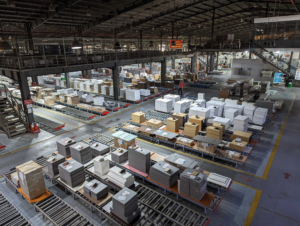
- Panel cutting, drilling, edging and finishing follow standardized workflows
- QC protocols based on national and international standards are applied
- Long-Term Cooperation
- Collections expand into kitchen and dining room furniture families
- Feedback from your customers guides future upgrades
Whether you sell online or supply large projects, this approach helps you offer differentiated designs. These designs truly fit your customers’ homes and lifestyles.
Conclusion: Turn Your Dining Room into a Reliable Sales Story
Choosing dining room furniture is about more than filling a room with a table and chairs. It’s about understanding space, usage, comfort and budget—and then translating these into smart, durable and beautiful solutions.
For end-users, this guide helps you measure, plan and choose confidently. For retailers, e-commerce brands and project buyers, it demonstrates the impact of collaborating with the right OEM/ODM manufacturer. This collaboration can transform a simple dining room furniture set into a long-lasting sales story.
If you need customizable, flat-pack modern dining room furniture for apartments, projects, or retail, look for a focused manufacturer. Partner with them to get tailored solutions. One option is Starwood. This partnership lets you tailor dimensions, finishes, and packaging to your exact needs. You can still control cost and quality.
FAQ
1. What is the best material for dining room furniture?
There is no single “best” material. Solid wood offers a classic look. It can be refinished. Engineered panels like plywood provide excellent strength. They offer stability for flat-pack furniture. For high-traffic homes and rental properties, using robust panel cores is practical. Adding durable finishes enhances their longevity.
2. How much space do I need around my dining room furniture?
As a guideline, allow at least 75–90 cm of clear space around the table. This ensures people can pull out chairs and walk behind them comfortably. For tight spaces, you might reduce this slightly on one side. In open-plan rooms, it’s worth keeping this clearance for smooth movement.
3. How big should a dining table be for 4 or 6 people?
For four people, a table around 120–130 cm long is usually enough. A round table of about 100–110 cm diameter works well too. For six people, choose a table with a length of 150–180 cm. A round table with a diameter of around 120 cm is also suitable. Keep in mind the chair width and whether you place chairs at the ends.
4. Is flat-pack dining room furniture strong enough for daily use?
Yes, when designed and manufactured correctly, flat-pack dining room furniture can be very strong and durable. The key factors are panel quality, hardware, joint design and proper assembly. Many OEM manufacturers test their designs to meet international standards before mass production.
5. When does OEM or ODM dining room furniture make sense?
OEM/ODM solutions make sense when you need unique designs. They are beneficial for ensuring consistent quality across many units. You may also need special dimensions and finishes tailored to your market. Retailers, brand owners, and project buyers often choose OEM/ODM dining room furniture for various settings. These settings include apartments, hotels, student housing, and large-scale residential projects.