Farmhouse Home Office Desk with Locking File Cabinet & Charging Station: 7 OEM/ODM Tips for Middle East Projects
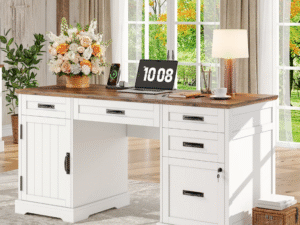
Modern buyers want more than a desk—they want secure storage, built-in charging, and export-ready quality. This farmhouse-style home office desk is designed for retail best-sellers. It is also suitable for project installation. It offers a clean look and practical functions, boosting conversion in multiple markets.
For Middle East buyers—especially hotel operators, serviced apartments, developer procurement teams, and fit-out contractors—the purchasing decision often comes down to three things:
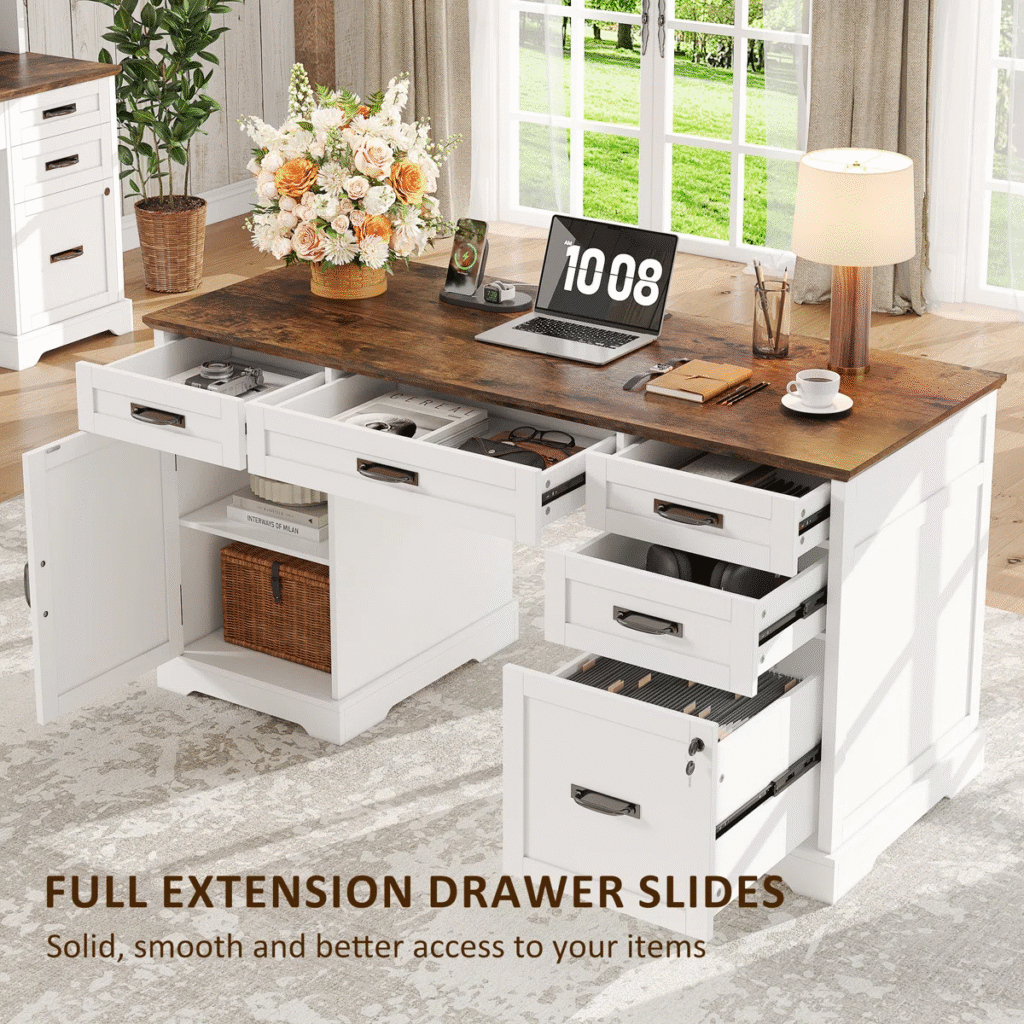
- Durability under high-frequency use (guest turnover, multi-tenant living)
- Schedule certainty (handover dates, phased deliveries)
- Compliance readiness (materials, emissions, labeling, documentation)
This guide breaks down what matters most when sourcing home office desk furniture for the region. It explains how to specify OEM/ODM details clearly. It also covers how to avoid hidden risks in packaging, hardware, and charging modules.
Table of Contents
- Key Selling Points for Retail & Middle East Projects
- Why Locking Storage and Charging Win in Hospitality & Apartments
- OEM/ODM Customization Checklist (What to Confirm Before Quotation)
- MOQ & Lead Time (Factory Direct Supply Plan)
- Compliance & Certifications (FSC / CARB P2 / E0/E1)
- Durability Engineering: Hardware, Panels, Edge Banding, Finish
- Packaging, Loading, Delivery: How to Protect the Schedule
- Who This Desk Fits: Brands, Wholesalers, Project Buyers
- FAQ (with Schema)
- CTA: Request Catalog + Quote
1) Key Selling Points (For Retail & Projects)
A successful office furniture for home product must solve real-life pain points while staying visually consistent with popular interior styles. Farmhouse aesthetics—warm tones, simple lines, practical storage—continue to perform well because they look “premium” without being overly modern or minimal.
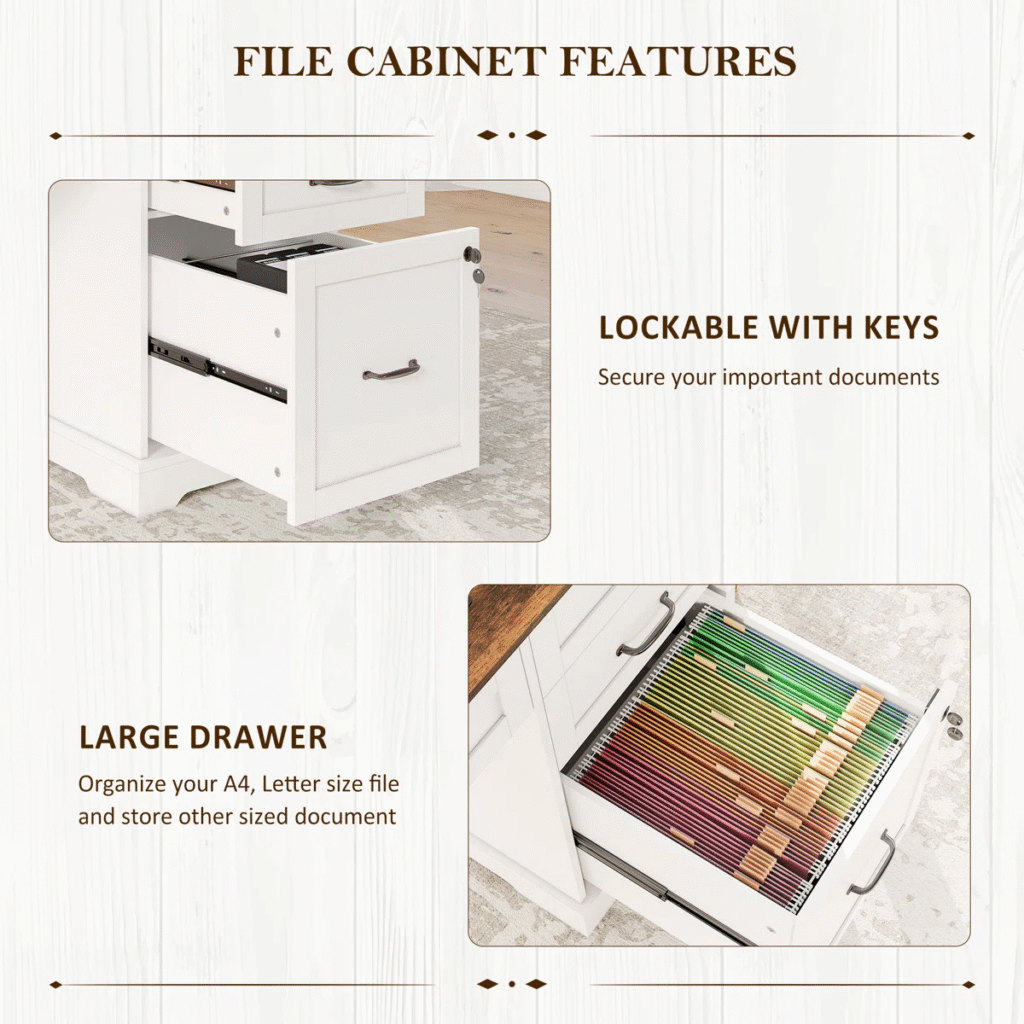
1.1 Locking file cabinet for secure documents
For project installations, a locking file cabinet is more than a feature; it reduces complaints and replacement requests. In serviced apartments, staff offices, and mixed-use residential, tenants value a secure drawer for passports, contracts, and personal items. If you’re specifying office furniture for home office packages, adding a lock changes the perceived value significantly.
1.2 Charging station (power + USB) for today’s devices
A built-in charging station makes the desk “move-in ready.” Tenants or guests don’t want extension cables across the room. Property managers prefer fewer electrical incidents caused by poor adapters. This is especially relevant for computer home office furniture demand where laptop + phone + accessories are always present.
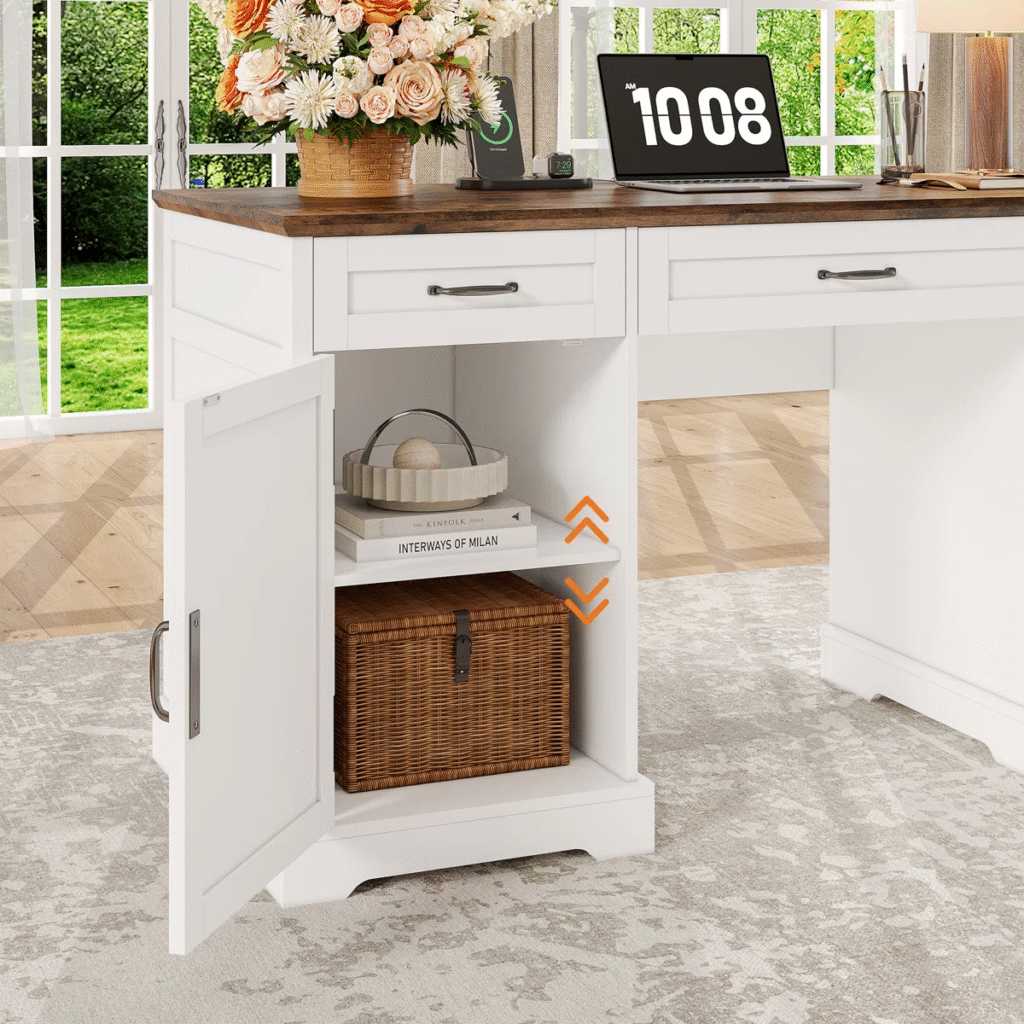
1.3 Space-saving layout for apartments and home offices
Middle East residential projects often allocate limited space for a work corner—especially in new apartment towers and furnished rentals. A desk that combines storage and charging in one footprint is practical. It serves as a home office table solution without needing additional cabinets.
1.4 Farmhouse styling that fits US/UK/EU/AU tastes (and still works in MENA)
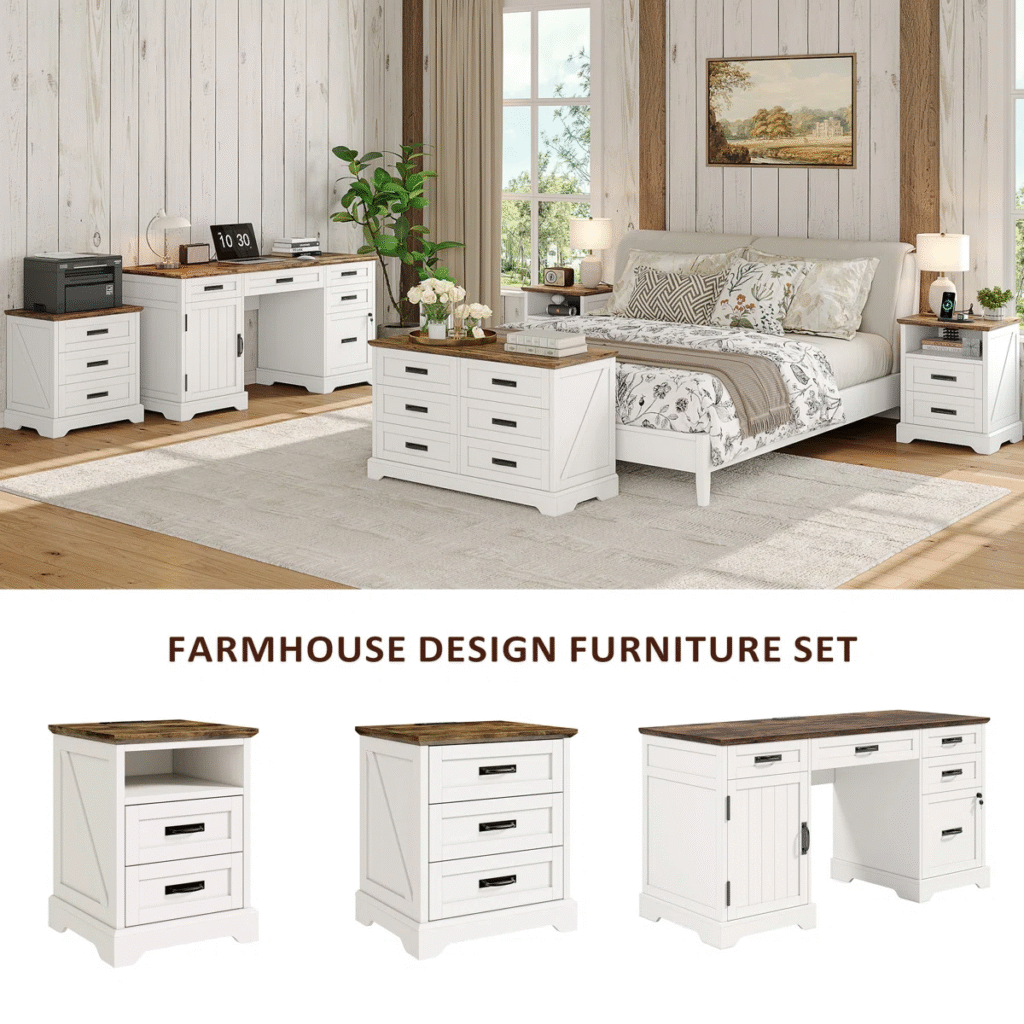
Farmhouse design is versatile. It works for Western markets. It can also be adapted for Middle East interiors by adjusting color tones, handles, and panel texture. That’s why this product can sit in your home office furniture collections while also serving export retail.
2) Why Locking Storage and Charging Win in Hospitality & Apartments
When procurement teams evaluate home office furniture, they look beyond appearance. The decision is tied to lifecycle cost.
2.1 Fewer after-sales issues = lower operating cost
A stable lock system, strong slides, and protected charging module reduce:
- guest damages,
- warranty requests,
- replacement parts logistics.
For hotels and furnished apartments, that’s a direct cost saving.
2.2 Better user experience = better reviews (and renewals)
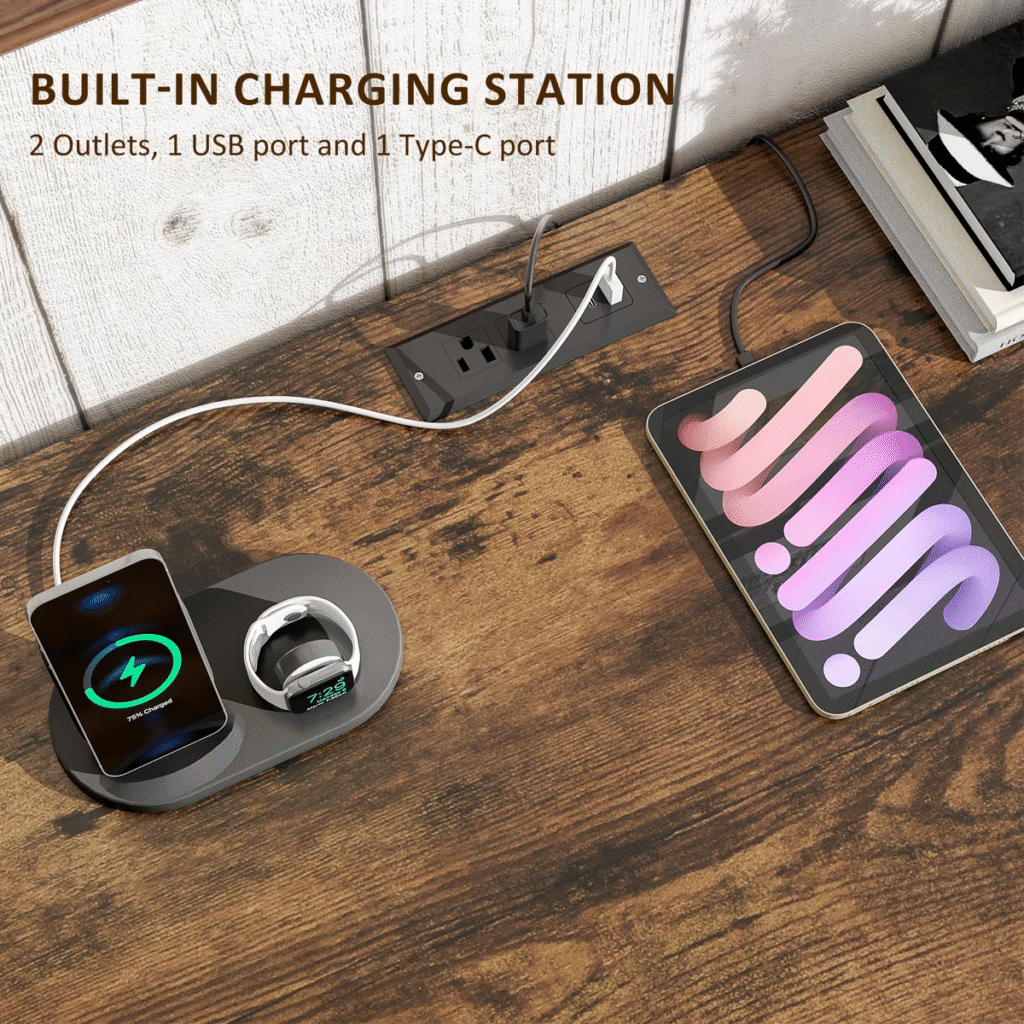
In hospitality, guest experience translates into ratings. A desk that feels “thoughtful” (secure drawer + charging access) supports better work-from-room experiences. This is why many operators now treat office furniture for home as part of the guest satisfaction system.
2.3 Clear differentiation in a crowded desk category
If you sell to retail channels, you already know the desk space is competitive. Adding two strong differentiators helps the product stand out. These are a locking file cabinet and a charging station. This strategy is effective even in discount home office furniture segments. It makes the value proposition easier to communicate.
3) Customization Options (OEM/ODM) — What to Confirm Before Quotation
As a manufacturer, we see delays happen because “custom” was discussed casually but not confirmed in writing. For OEM/ODM, treat customization like an engineering checklist.
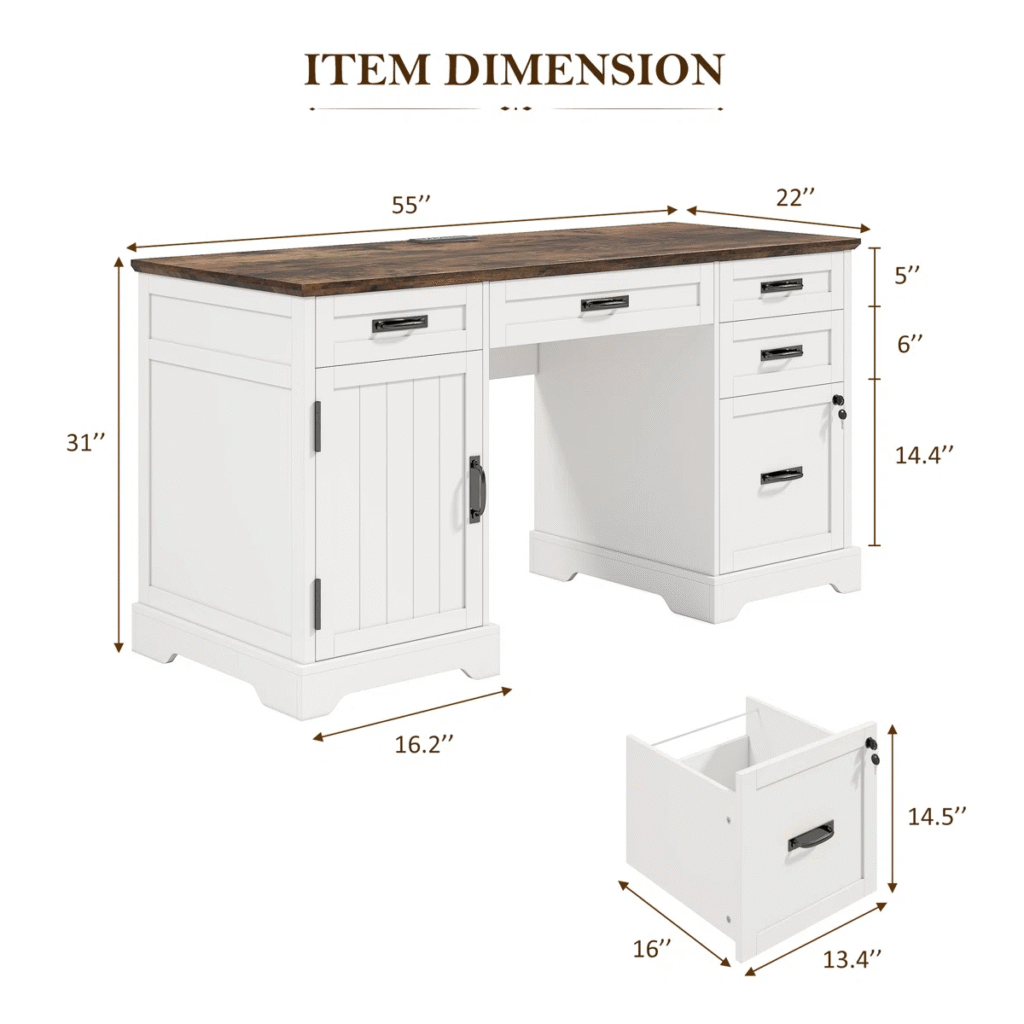
3.1 Dimensions / layout changes
Confirm:
- overall desk width and depth,
- knee clearance and legroom,
- drawer depth and file format support (A4/Letter),
- cable routing location.
Even a 10–20 mm change can affect packaging, loading, and cost.
3.2 Color & finish matching
For Middle East projects, buyers often want:
- warmer wood tones,
- matte finishes to hide fingerprints,
- scratch-resistant coating.
Define finish via sample board or Pantone/finish code where possible.
3.3 Hardware upgrades (slides/hinges/locks)
Hardware is where durability lives. Specify:
- slide load rating,
- lock type (keyed alike / keyed different),
- anti-tilt needs (if required),
- handle style.
For contemporary home office furniture versions, upgrading handles can refresh the look without retooling the structure.
3.4 Logo labeling + retail packaging design
For brands and wholesalers, include:
- logo label placement,
- instruction manual layout,
- carton graphics (multi-language if required).
3.5 Assembly method: KD / flat-pack optimization
For export, KD (knock-down) is standard. Confirm:
- number of packages per set,
- hardware bag labeling,
- assembly time target,
- spare parts policy.
If your channel cares about faster installation (hotel projects), consider pre-assembled modules while balancing shipping cost.
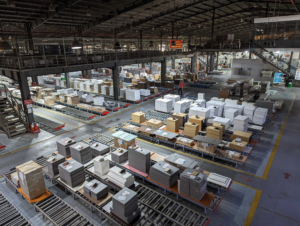
4) MOQ & Lead Time (Factory Direct)
Here is the practical supply plan you can publish and use for buyer discussions:
- MOQ: 50 sets per model
- Sample: 15 days
- Mass production: 35–40 days
- Shipping terms: EXW / FOB / CIF (as agreed)
4.1 Why MOQ matters for mixed loading
Middle East buyers often need mixed containers across categories (beds, wardrobes, desks). If mixed loading is allowed, confirm:
- whether “mixed models” still meet MOQ per model,
- carton sizes compatibility for container planning,
- priority schedule for project delivery phases.
4.2 Lead time planning for project handover
For projects, the real requirement is not “factory lead time,” but “on-site delivery readiness.” Align production with:
- site readiness dates,
- phased floor delivery,
- installation crew schedule.
A solid desk program can be repeated across multiple sites when the supply rhythm is stable.
5) Compliance & Certifications (For Different Markets)
Your primary focus may be the Middle East. However, many buyers still request compliance options aligned with US/EU standards. This is especially true for international hospitality groups and brands.
For buyers requesting responsible sourcing documentation, you can learn how FSC Chain-of-Custody certification tracks certified materials through the supply chain. Learn more about it here: FSC Chain of Custody Certification.
If your destination or retail channel references CARB requirements, you can find CARB’s official Composite Wood Products Program overview here. It provides detailed information: CARB Composite Wood Products Program.
For North America compliance readiness, you can review EPA’s Formaldehyde Emission Standards for Composite Wood Products under TSCA Title VI. The standards are available here: US EPA TSCA Title VI Formaldehyde Standards.
For the regulatory text reference, the eCFR listing for 40 CFR Part 770 can be found here. The link for 40 CFR Part 770 (eCFR) is available.
For commercial durability and performance discussions, BIFMA provides an overview of furniture safety and performance standards here: BIFMA Standards Overview.
5.1 FSC option for responsible sourcing
FSC Chain-of-Custody certification is widely recognized for tracking certified material through the supply chain. It’s often requested in commercial and government-linked projects. 森林管制委员会
5.2 CARB program awareness + CARB P2 option (if required)
CARB’s composite wood program addresses formaldehyde emissions and applies to finished goods containing hardwood plywood, MDF, and particleboard. 加州空气资源委员会
For US-linked distribution or compliance-conscious buyers, CARB-related documentation can be requested even when the destination is not California.
5.3 EPA TSCA Title VI alignment (North America readiness)
The US EPA regulates formaldehyde emission standards for composite wood products under TSCA Title VI. Many importers use this as a reference framework for compliance documentation. 环境保护局+1
5.4 E0/E1 emission standards (EU/UK aligned requests)
For EU/UK-oriented buyers, E0/E1 emission requirements are common. Even in Middle East projects, global groups may request E1 as a minimum for indoor air quality positioning. (If you provide E0/E1 options, include the test report reference and batch traceability.)
5.5 Performance mindset: ANSI/BIFMA reference for durability (commercial logic)
BIFMA sponsors safety and performance standards widely referenced for commercial furniture durability discussions. This is useful language when you pitch to contractors and specifiers. BIFMA
6) Durability Engineering for Middle East Projects
For MENA projects, durability must be engineered—not assumed. Here’s what buyers care about and what you should explicitly describe.
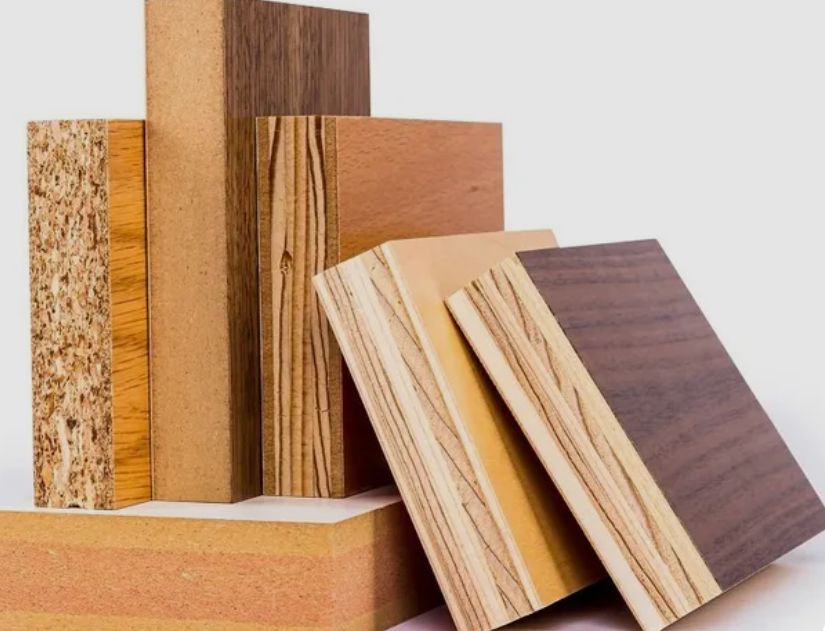
6.1 Panel structure: plywood / MDF / particleboard selection
- Plywood offers strong screw holding and stability
- MDF provides a smooth finish surface
- Particleboard can be cost-effective but must be controlled in density and edge protection
For home furniture home office packages in hospitality, we typically recommend prioritizing:
- strong edge protection,
- stable board thickness,
- reinforced connection points.
6.2 Edge banding and corner protection
Edge banding is a top failure point in high-use environments. Confirm:
- edge band thickness,
- glue system suitability,
- corner rounding (if needed),
- carton corner protectors.
This reduces chipping during transport and installation.
6.3 Surface finish: scratch, stain, and heat resistance
Middle East environments often include:
- strong sunlight through windows,
- dust exposure,
- frequent cleaning with chemicals.
Ask for finish performance notes:
- abrasion resistance,
- stain resistance,
- cleaning compatibility guidelines.
6.4 Hardware: slides, hinges, locks
For project stability:
- choose reliable slide systems,
- include spare keys policy,
- define lock cylinder type.
A locking drawer that feels “premium” increases user trust instantly.
6.5 Charging module safety and replacement strategy
Charging stations must be treated as a component system:
- confirm plug type requirements (UK/GCC variations),
- confirm USB specs,
- provide replacement part route (module swap without replacing the desk).
For projects, this reduces operational downtime.
7) Packaging, Loading, and Delivery: Protect the Schedule
In project work, packaging is not “afterthought”—it is schedule insurance.
7.1 Carton design and drop protection
Confirm:
- carton strength,
- internal foam/corner blocks,
- metal parts separation,
- scratch-proof film on panels.
7.2 Labeling for site logistics
For apartment and hotel sites, cartons should be labeled for:
- building / floor / room (if needed),
- SKU and barcode,
- “this side up” and handling marks.
This reduces site confusion and speeds installation.
7.3 Container loading efficiency
For a desk program to scale:
- carton sizes should optimize container space,
- mixed SKU loading should remain stable,
- damage rate targets should be defined.
When you pitch office furniture for home office programs, demonstrate your understanding of logistics. Approach it like a project partner, not just a supplier.
8) Who This Desk Fits (Brands, Wholesalers, Project Buyers)
8.1 Brands
Best for:
- private label packaging,
- consistent QC,
- repeat orders with stable specs.
You can position it as a “hero product” in home office desk furniture lines.
8.2 Wholesalers
Best for:
- stable supply and competitive costing,
- mixed container planning,
- multi-market distribution.
Works well as home office furniture collections anchor item.
8.3 Project buyers (Hotels / Apartments / Developers)
Best for:
- spec matching and schedule control,
- phased delivery,
- repeatable room packages.
This is where Middle East buyers care most about durability, spares, and on-time delivery.
9) FAQ
Q1: What is the recommended MOQ for OEM home office desk orders?
Our standard MOQ is 50 sets per model. For mixed loading, we can discuss the most efficient combination based on your container plan and project schedule.
Q2: What is the production lead time for a home office desk with charging station?
Typical timeline: sample 15 days, mass production 35–40 days, depending on customization, packaging, and component confirmation.
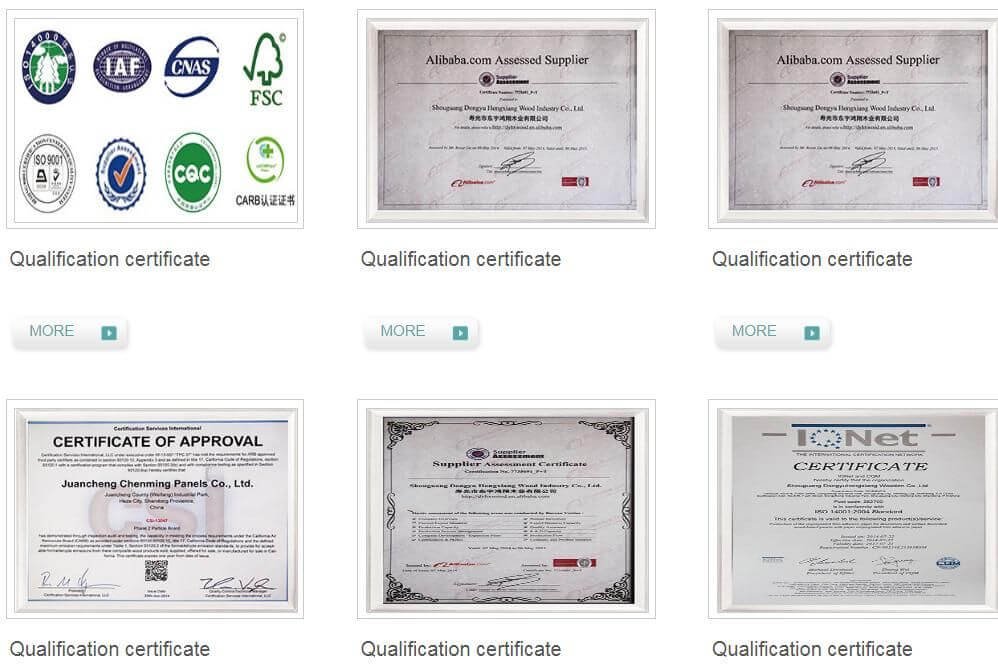
Q3: Can you provide FSC, CARB P2, or E0/E1 material options?
Yes. We can support FSC sourcing options. We provide compliance documentation aligned with CARB composite wood requirements. We also meet EPA TSCA Title VI expectations when required. eCFR+3森林管制委员会+3加州空气资源委员会+3
Q4: How do you ensure durability for hotel/apartment projects in the Middle East?
We focus on reinforced connection points, stable panel selection, and quality edge banding. We also ensure durable hardware and protective packaging. Real durability is the combination of structure, surface, and logistics.
Q5: Can the charging station be customized for GCC/UK plug requirements?
Yes. The charging module can be configured to match plug type and output requirements. We recommend a replaceable module design. This allows for easier maintenance in projects.
10) CTA
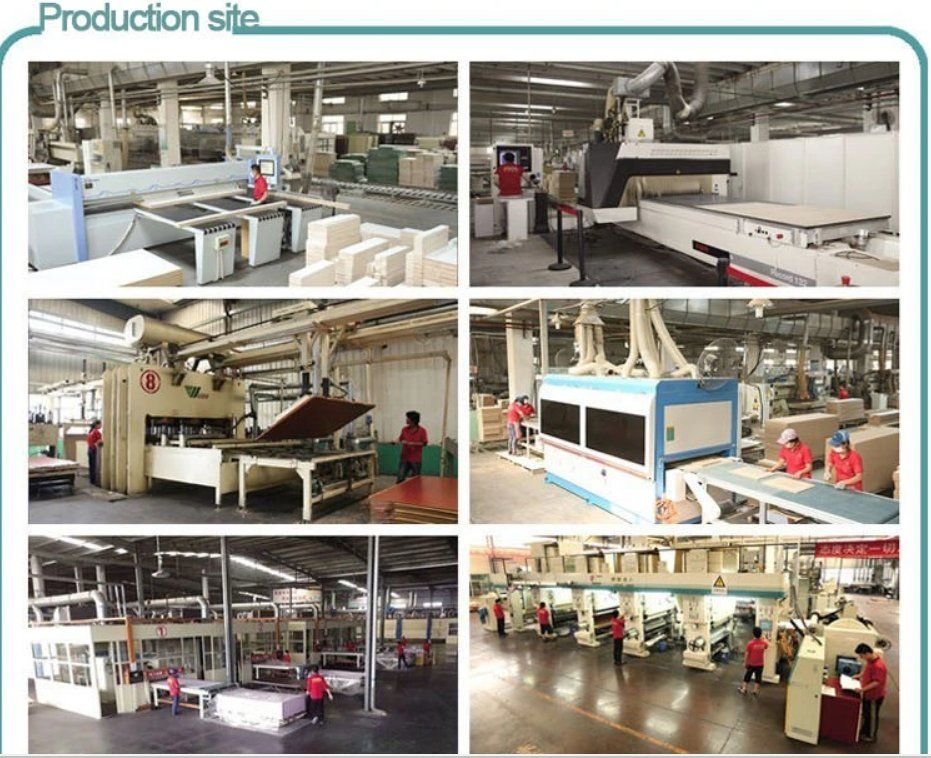
Ready to source this farmhouse home office desk for your market?
📩 Contact us for catalog, quotation, MOQ, lead time, and certification documents.
For project buyers: share your room count. Include your delivery schedule and target budget. We’ll propose a matching solution for your home office furniture package.
Why Choose Starwood?
Choosing Starwood means selecting a partner committed to delivering unmatched value through beautifully crafted products that fulfill your requirements. As industry pioneers, we consistently provide outstanding products and services that exceed expectations. We warmly welcome your inquiries!

Get in Touch & Start Your Project
Whether you’re launching a new furniture brand, remodeling an apartment, or need large-scale furniture orders, Starwood is here to help. Contact us today to get started — let’s turn your vision into finely crafted furniture.
STARWOOD INDUSTRY CO.,LTD
Contact: Winnie Huang (Sales Manager)
Email: [hwinnie168@gmail.com]
Phone: +86‑13691994727
WhatsApp / WeChat / Skype: hwinnie168@gmail.com
Add: No.150 Yongshen Road, Pengjiang Area, Jiangmen City, Guangdong Province, China
We look forward to collaborating with you and bringing your furniture dreams to life.