
Global Furniture Export Trends 2025: What Manufacturers Need to Know
Trends in Furniture Export Markets: Key Insights for Furniture Manufacturers
The global furniture export market is undergoing significant transformations. These changes are driven by changing consumer preferences, technological advancements, sustainability demands, and geopolitical shifts. As a manufacturer of flat-pack and panel furniture, understanding these market trends is crucial. It helps to make informed decisions and stay competitive. This article examines the most recent trends in the furniture export market. It focuses on the growing demand for sustainable practices. Additionally, it highlights the emergence of new international markets.
1. Growing Demand for Flat-Pack Furniture
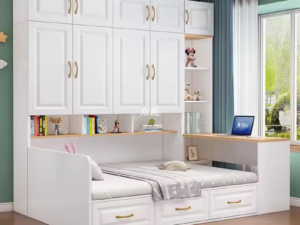
Flat-pack furniture, also known as ready-to-assemble (RTA) furniture, is taking over. It is the preferred choice in many markets. This trend is particularly noticeable in North America and Europe. This trend is fueled by the increasing demand for space-saving, cost-efficient, and easily transportable furniture. The ability to ship flat-packed furniture offers significant advantages. It can be assembled at the destination. This dramatically reduces shipping costs and storage space. These benefits make it particularly attractive for international trade.
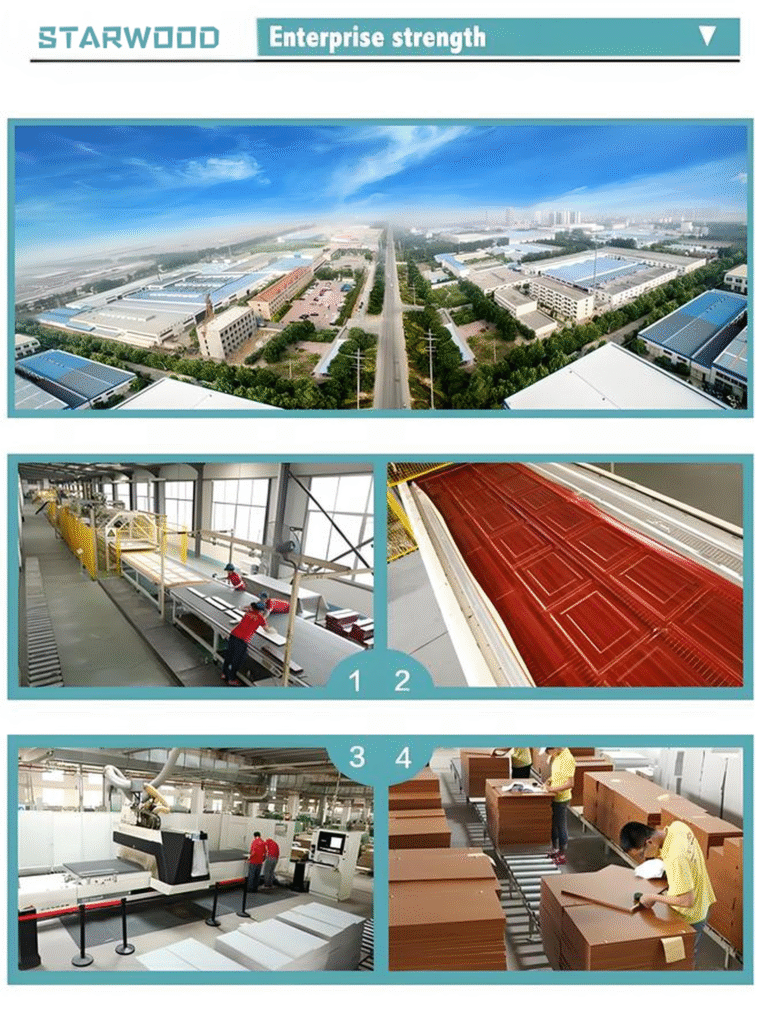
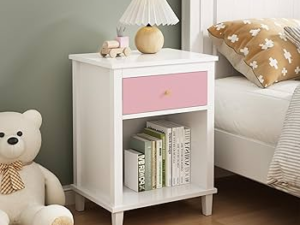
For furniture manufacturers looking to expand into global markets, producing high-quality flat-pack solutions has become a necessity. Countries like the United States, Germany, and the UK are seeing a steady rise in demand for flat-pack bedroom sets. There is also a growing demand for living room furniture and office furniture. This trend is expected to continue as consumers increasingly value convenience and affordability.
Source: For more information on the growth of flat-pack furniture, check out Furniture Today. It offers insights into the global demand for RTA furniture.
2. Impact of Sustainability on Furniture Manufacturing
Sustainability continues to be a dominant factor influencing the global furniture industry. As consumers and governments around the world become more environmentally conscious, the demand for sustainable furniture materials has increased. This is crucial for furniture manufacturers exporting to European markets. Regulations such as the EU Green Deal and the Paris Climate Agreement are pushing for greener production methods.
Manufacturers are increasingly adopting FSC-certified plywood. They also use non-toxic finishes and sustainable sourcing practices. These efforts are to meet the growing demand for eco-friendly furniture. These certifications not only improve a manufacturer’s brand image. They also help open up new markets. This is especially true in environmentally conscious regions.
For example, the FSC (Forest Stewardship Council) certification ensures that wood and wood-based products come from responsibly managed forests. These forests provide environmental, social, and economic benefits. In fact, incorporating such sustainable practices into furniture production is an attractive selling point for B2B buyers. This is evident in the increasing number of requests for FSC-certified panel furniture.
Source: Learn more about sustainable practices in the furniture industry. Visit the FSC website, a leading certification body for responsible forestry.
3. The Rise of E-Commerce and Online Furniture Sales
The furniture industry, like many other sectors, has seen a significant shift toward e-commerce. Platforms like Alibaba and Made-in-China.com are pivotal in global trade. Online marketplaces are now the go-to for sourcing furniture components and finished products. The demand for flat-pack and ready-to-assemble furniture is increasing. Manufacturers are leveraging e-commerce platforms. They aim to reach a wider range of B2B buyers, such as wholesalers, interior designers, and project managers.
In addition to large platforms, niche e-commerce sites like Wayfair and Overstock are becoming important outlets. They are useful for manufacturers looking to sell to both retail and wholesale buyers. These platforms help manufacturers find new buyers. They also provide insights into market trends and consumer preferences. This allows companies to adapt their product offerings accordingly.
Source: Alibaba’s furniture section offers a wealth of opportunities for international manufacturers. Explore more on Alibaba for furniture manufacturing resources.
4. Key Export Markets for Furniture
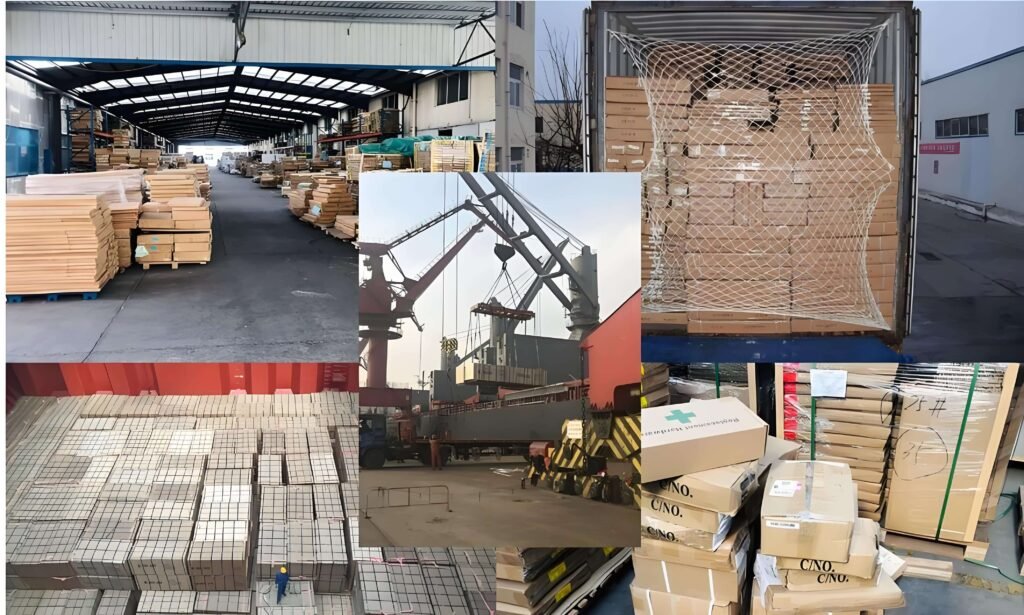
As the global furniture market evolves, emerging markets are showing increasing demand for quality furniture products. Countries in Southeast Asia, South America, and the Middle East are becoming increasingly important in the furniture export industry. Specifically, India, Brazil, and the UAE are experiencing growth in both residential and commercial furniture demand.
China, as the largest furniture exporter globally, continues to dominate the market. However, other countries like Vietnam, Poland, and Turkey are becoming key players. They are focusing on the production and export of flat-pack and panel furniture. Manufacturers looking to export should understand the specific demands of these regions. This includes local tastes, regulations, and consumer expectations.
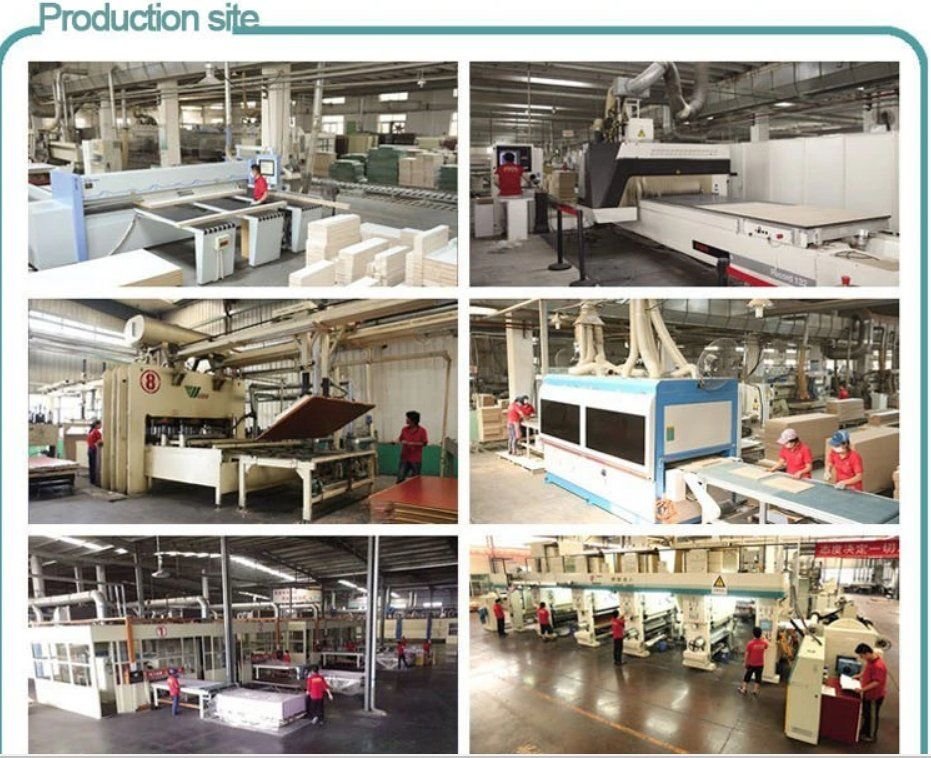
For instance, India has seen an increase in demand for office furniture. This is because more companies are setting up offices in the country. Meanwhile, Brazil’s growing middle class is driving the need for affordable yet stylish furniture for homes and offices.
Source: The International Furniture Manufacturers Association (IFAMA) provides valuable insights into the global furniture manufacturing trends.
5. The Influence of Trade Policies and Tariffs
Geopolitical factors and trade policies are always an important consideration in the furniture export market. Over the past few years, tariffs and trade restrictions have impacted the movement of furniture and materials across borders. The ongoing trade tensions between the United States and China have led to shifts in supply chains. Manufacturers are looking to diversify production locations to avoid tariffs.
For example, the U.S. has imposed tariffs on imported Chinese furniture, making it more expensive for U.S. importers to source directly from China. This has encouraged manufacturers in other countries such as Vietnam and Mexico to step in and fulfill the demand. It’s essential for furniture manufacturers to stay updated on trade policies and tariffs affecting their target markets.
Source: For more information on trade policies affecting the furniture industry, visit the USITC (U.S. International Trade Commission).
6. Customization and Personalization in Furniture Design
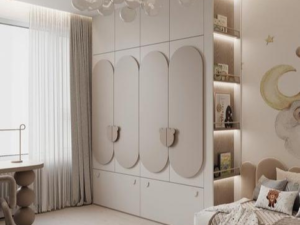
As consumers demand more unique and personalized products, furniture manufacturers are increasingly offering customizable options. This trend is especially significant for B2B buyers who are looking for tailored solutions for their clients. These might include unique finishes, custom sizes, or special features like integrated storage.
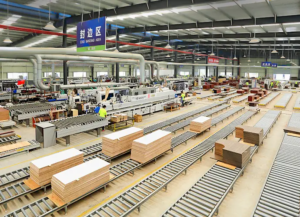
Customization is becoming a competitive edge, especially for OEM furniture manufacturers that can adapt to specific requirements from international buyers. For instance, custom furniture for hotels, offices, and apartments is in high demand. Personalization is becoming a key factor in purchasing decisions. Manufacturers who can offer flexible production lines will stand out. Those with innovative designs will excel in the competitive export market.
Source: For more on the growing demand for customized furniture, see the American Furniture Manufacturers Association.
Conclusion: Navigating the Future of Furniture Export Markets
The global furniture export market is continuously evolving. Staying on top of trends is critical for manufacturers looking to expand their reach. These trends stem from the increasing demand for flat-pack furniture. There is also a push for sustainable practices. They are shaping the way manufacturers approach production and distribution. By understanding these trends, manufacturers can adapt their strategies to meet the needs of international buyers. This adaptation helps them position themselves for long-term success in the competitive export market.
For furniture manufacturers, keeping up with sustainability will be crucial. They need to embrace e-commerce. Adapting to new export markets will also help in maintaining a competitive edge. Additionally, ensuring flexibility in design and responding quickly to trade changes will help manufacturers navigate the complexities of global trade.
By implementing these strategies, manufacturers can successfully meet the demands of modern furniture export markets. They should also stay informed about industry trends.
External Links for Further Insights:
- International Furniture Manufacturers Association (IFAMA)
- American Furniture Manufacturers Association
- European Furniture Manufacturers Union
- FSC – Forest Stewardship Council
Final Thoughts
Incorporating these trends into your furniture manufacturing business strategy will help you cater to the needs of B2B clients. It will also enhance your brand’s marketability in a competitive export market. Stay informed, adapt to changes, and prioritize quality and sustainability to ensure success in today’s global furniture trade.
FAQ (Frequently Asked Questions)
Q1: What are the benefits of choosing multilayer board for bedroom furniture?
A: Multilayer board is known for its strength. It resists deformation, making it ideal for heavy-duty furniture such as bed frames. It is also suitable for cabinets. It’s durable, long-lasting, and provides great structural integrity, making it a popular choice for high-end bedroom furniture.
Q2: How does the cost of furniture made from OSB compare to other materials?
A: OSB is more affordable than multilayer board or MDF. It typically costs 20-30% less and is a great option for budget-conscious projects. However, it may not offer the same smooth finish as other materials. It may also not provide the same durability, making it better suited for certain applications.
Q3: Can I use MDF for outdoor furniture?
A: MDF is not recommended for outdoor furniture due to its susceptibility to moisture damage. It’s best suited for indoor furniture in dry environments. If you need outdoor furniture, materials like OSB or multilayer board may be better choices.
Q4: How can I find reliable bedroom furniture manufacturers for export?
A: Look for trustworthy manufacturers with experience in international trade. Ensure they have proven production capabilities. Check for good reviews from previous buyers. Ensure that they offer customization, meet international quality standards, and have reliable logistics for shipping.
About Us:
We are a leading manufacturer and exporter of high-quality bedroom furniture made from multilayer board, OSB, MDF, and particle board. With over 12 years of experience in the furniture industry, we provide furniture solutions for customers worldwide. These solutions are eco-friendly, durable, and customizable. Our commitment to quality, sustainability, and customer satisfaction makes us the perfect partner for all your furniture sourcing needs.
Further Reading and Resources: