If you’re a retailer, project manager, or B2B buyer sourcing furniture, you’ve faced the core dilemma: flat pack furniture vs. traditional furniture. Is the cost savings of Ready-to-Assemble (RTA) products worth the potential compromise on perceived quality and the hassle of assembly?
The answer isn’t a simple yes or no. The modern reality of flat pack furniture is one of sophisticated engineering, global supply chain efficiency, and strategic design. While many consumers first encounter the model through IKEA flat pack furniture, the commercial impact for businesses goes much further.
This guide explores the true meaning of RTA furniture. It also examines Knock-Down (KD) furniture. The guide compares these options directly with traditional builds. This comparison helps you make an informed sourcing decision.
What Is Flat Pack Furniture (And Why It’s a Global Supply Chain Powerhouse)
In simple terms, flat pack furniture is also known as ready to assemble furniture (RTA). It is also called knock down furniture (KD) or kit furniture. It refers to products shipped as disassembled components. These items include pre-finished panels and all necessary hardware. Detailed instructions are also included. Everything is packaged in flat, cartonized boxes for assembly at the final destination.
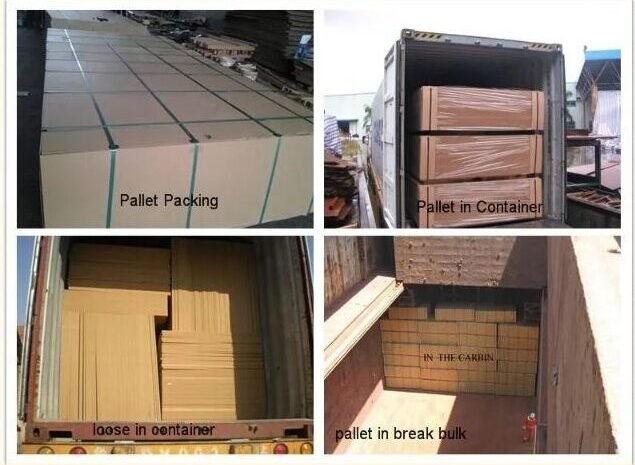
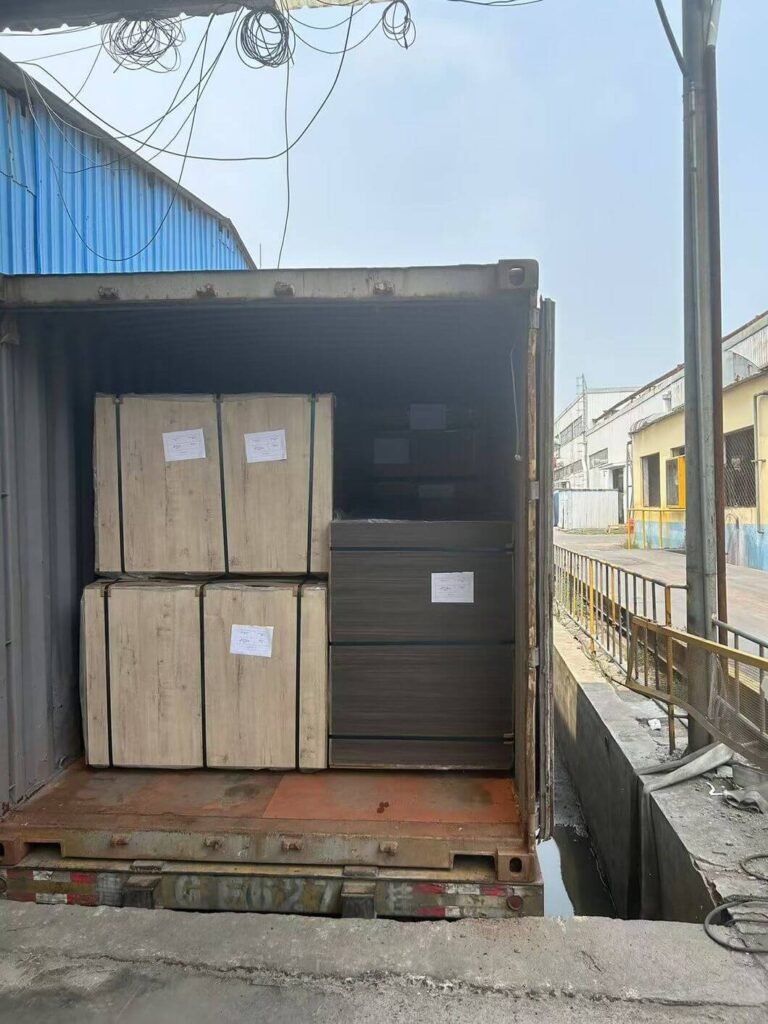
For the global B2B buyer, this model is transformative. It allows for dense 40HQ container loads. It drastically reduces shipping costs per unit. Additionally, it results in fewer freight claims due to better corner protection and part separation. Inventory control becomes more straightforward, and assortment changes are faster by reusing standardized parts across different product lines.
Flat Pack Furniture vs. Traditional Furniture: The Core Pros and Cons
Let’s break down the fundamental advantages and disadvantages of each approach.
The Advantages of Flat Pack Furniture (RTA/KF)
· Significant Cost Savings: This is the most compelling advantage. Reduced shipping volume, lower warehousing needs, and efficient packaging directly translate to a lower total cost of ownership.
· Logistical Efficiency & Reduced Damage: Flat, stacked panels are inherently less prone to damage during transit. They are less susceptible to harm than fully assembled, bulky items. This means fewer returns and happier end-customers.
· Simplified Inventory & Scalability: Storing components for multiple products is far more space-efficient than storing assembled units. This makes flat pack furniture ideal for multi-site retail rollouts or large-scale hospitality projects.
· Easier Repair and Replacement: A scratched panel or worn-out hinge? With RTA, you can ship a single replacement part. You don’t need to replace an entire unit. This simplifies after-sales service and reduces waste.
· DIY & Customization Appeal: For the end-user, the DIY furniture experience can be rewarding. It also allows for easier future disassembly and relocation.
The Disadvantages of Flat Pack Furniture
· Assembly Required: This is the primary hurdle. It requires time, effort, and a basic level of skill. Poor flat pack furniture assembly can lead to wobbly, unstable products.
· Perceived Quality: The association with budget-friendly, mass-market brands sometimes results in a perception of lower quality. Solid, traditional furniture is often viewed more favorably.
· Durability Concerns: Buyers often ask, “is flat pack furniture durable?” The answer hinges entirely on the manufacturer. Low-quality products may not withstand heavy use, but a well-engineered RTA piece can be exceptionally robust.
The Advantages of Traditional Furniture
· Immediate Use: The primary benefit is convenience. It arrives ready to use, with no assembly required.
· Perceived Value and Craftsmanship: Traditionally built furniture often carries a higher perceived value. Solid wood especially contributes to this aura of craftsmanship.
· Inherent Stability: When built correctly by a skilled craftsperson, traditional furniture can be incredibly sturdy and long-lasting.
The Disadvantages of Traditional Furniture
· High Cost: Shipping air is costly. Extensive packaging for protection increases expenses. Higher warehousing fees make it significantly more expensive.
· Logistical Challenges: Transporting large, assembled items is cumbersome and prone to damage from bumps and shocks.
· Difficult Repairs and Moves: Repairing damage often requires a professional. Moving large, rigid pieces through doorways and stairwells can be a major challenge.
Engineering Durability: It’s About Materials, Not Assembly
The key to overcoming the drawbacks of flat pack furniture lies in its engineering. As professional flat pack furniture builders, we consider assembly, durability, and documentation in every Bill of Materials (BOM) design.
Core Material Selection:
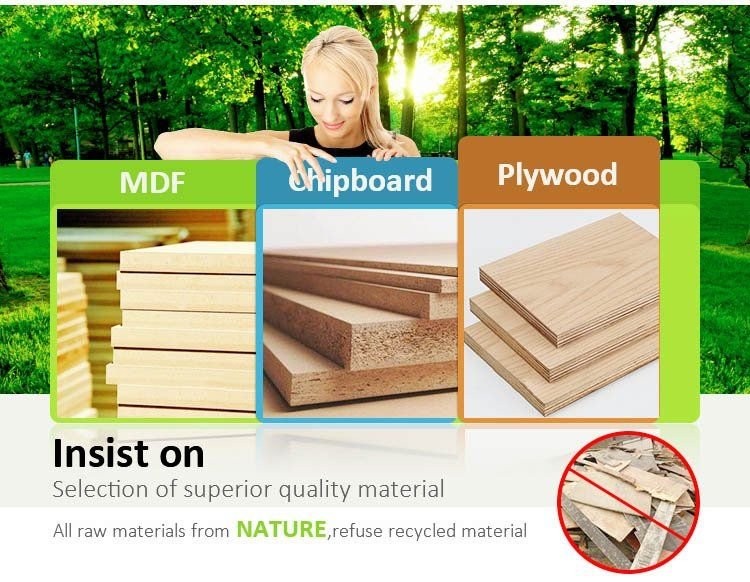
· MDF: Ideal for paint-grade or super-matte laminated fronts, offering smooth edges and sharp, detailed profiles.
· Particle Board: The workhorse for carcasses and shelving where price-performance is critical.
· Plywood: Used for long spans (like desktops) or visible edges where a Nordic aesthetic is desired.
· OSB: Perfect for concealed structural elements or achieving a specific industrial look (when properly sealed).
Critical Construction Features:
Durability isn’t about shipping assembled;it’s about smart engineering. We specify:
· 2.0 mm ABS/PVC Edging: Applied to all impact edges to prevent chipping and increase longevity.
· PUR Hot Melt Adhesive: Superior to standard EVA glue, providing reliable, heat-, and moisture-resistant bonds.
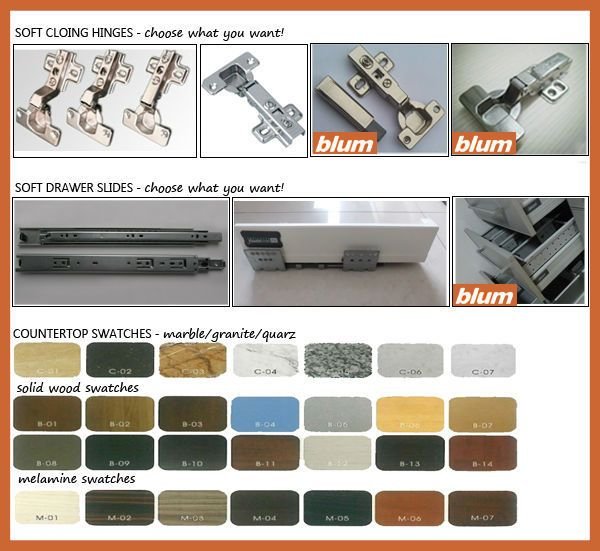
· Quality Hardware: Soft-close cup hinges and drawer slides rated for ≥35 kg to ensure smooth, long-lasting operation.
· Structural Reinforcements: Anti-wobble stretches for desks and center rails for wide shelves to ensure stability.
Navigating Global Compliance: A Manufacturer’s Guide
For international buyers, compliance is non-negotiable. Here is the critical language for different markets.
For North America (U.S./Canada):
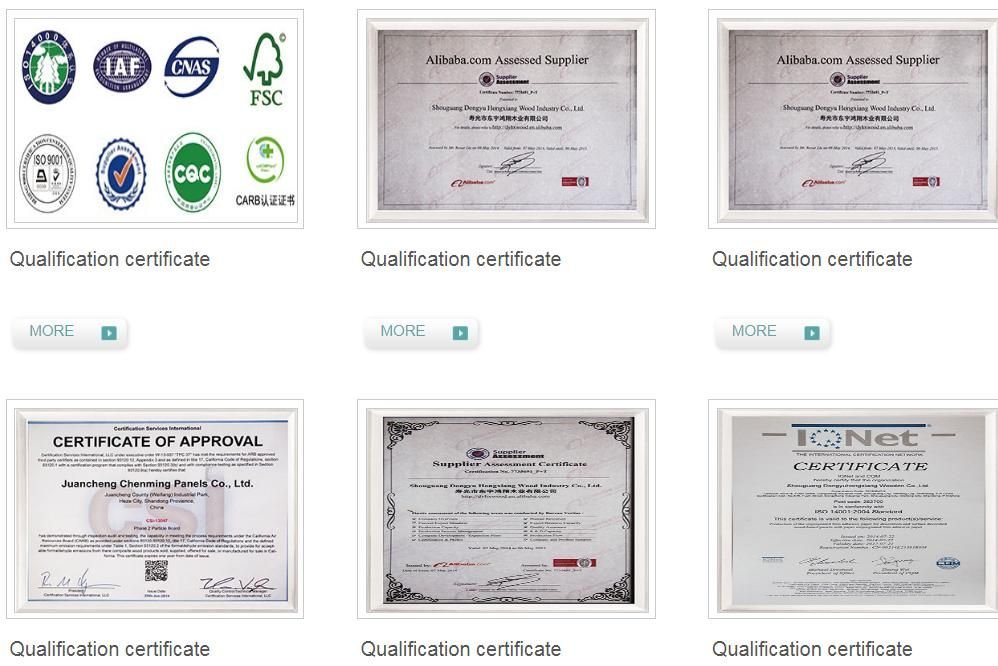
Our panels are sourced to meetTSCA Title VI / CARB Phase 2 formaldehyde limits for composite wood products. We maintain all supplier labels, TPC IDs, and test method references (e.g., ASTM E1333) on file. Finishes can be aligned with GREENGUARD for low VOC emissions, and wood sourcing can follow FSC Chain of Custody standards.
For Europe (EU/UK):
We target E1 (EN 717-1 chamber method) or better formaldehyde standards. This applies to all indoor applications. We ensure to maintain test reports. Our responsible procurement aligns with FSC and is managed under ISO quality management systems.
For Australia (AU/NZ):
We supply under ISO 9001-style quality management systems. This ensures full traceability. VOC declarations and label retention meet major retailer onboarding requirements.
Quality Assurance: Proving “Is Flat Pack Furniture Durable?”
When comparing flat pack furniture vs traditional furniture, the conversation must be backed by a verifiable quality plan. We recommend and implement a rigorous test protocol:
· Drilling Tolerance Verification: Ensuring all holes align perfectly for easy assembly.
· Carton Drop Tests: Simulating rough handling during logistics.
· Durability Cycling: Documented routines for testing drawers, doors, and hinges.
· Material Validation: Linking to GREENGUARD for low-emission finishes and maintaining FSC chain-of-custody where required.
This systematic approach not only answers “is flat pack furniture durable” but demonstrates a commitment to consistent, long-term quality.
Ideal Use Cases for Flat Pack Furniture
· Retail Fixtures & POP Displays: Dense shipping significantly reduces time. On-site flat pack furniture assembly compresses the timeline between receiving merchandise and store opening.
· Hospitality & Multi-Family Housing: Modular kit furniture allows for quicker room refurbishments and changeovers during low-occupancy periods.
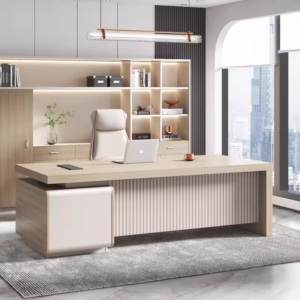
· Home Office & Study: Long-span desktops gain stiffness from integrated plywood ribs. This proves that a skilled flat pack furniture builder can engineer for strength.
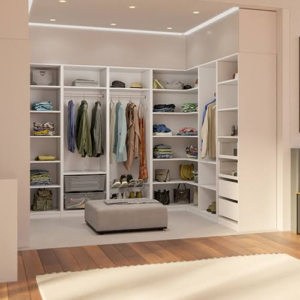
· Kitchens & Wardrobes: RTA carcasses with 16–18 mm sides, 2.0 mm ABS doors, and soft-close hardware are engineered to support heavy daily use.
Quick FAQ (Your Sourcing Questions Answered)
Q: What are the real flat pack furniture pros and cons?
A:The pros are massive: lower freight costs, reduced damage, flexible inventory, and easy repairs. The cons include assembly requirements. There is also perceived quality, which can be mitigated by sourcing from a manufacturer focused on engineering and clear manuals.
Q: In the debate of RTA furniture vs pre-assembled, which wins?
A:For cost-efficiency, logistics, and scalability, RTA almost always wins in a B2B context. You gain freight efficiency, assortment agility, and superior serviceability. Durability comes from engineering, not from pre-assembly.
Q: Is flat pack furniture durable for commercial use?
A:Absolutely. The key is the manufacturer’s specifications. Look for 2.0 mm ABS/PVC edges, PUR adhesive, quality hardware, and appropriate core materials. Always ask for their test reports and quality control procedures.
Q: What are common flat pack furniture assembly pitfalls?
A:The top mistakes include using the wrong screwdriver bit. Always use Pozidriv or Torx as specified. Another mistake is overtightening screws in particle board. Failing to square the unit before final tightening is also common. Lastly, not using the provided leveling feet is a mistake.
Conclusion: A Strategic Choice for Modern Business
The choice between flat pack furniture and traditional furniture is no longer about “cheap vs. quality.” It’s a strategic decision based on total cost of ownership, logistical efficiency, and scalability.
Modern flat pack furniture is a sophisticated product category driven by intelligent design and global supply chain demands. Partner with a manufacturer that prioritizes material science, engineering precision, and comprehensive documentation. This way, you can leverage all the benefits of RTA furniture—cost savings, efficiency, and flexibility. You won’t compromise on quality or durability.
Ready to discuss your next flat pack furniture project? Contact us to see how our engineered solutions can streamline your supply chain and delight your end-users.
[Contact Us Today] for a free consultation, product catalog, and custom quotation. Let’s discuss how we can build a successful partnership.
FAQs:
Are You a Trade Company or a Factory?
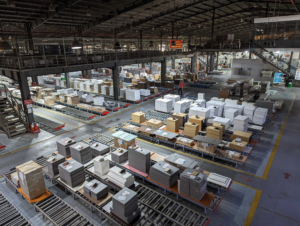
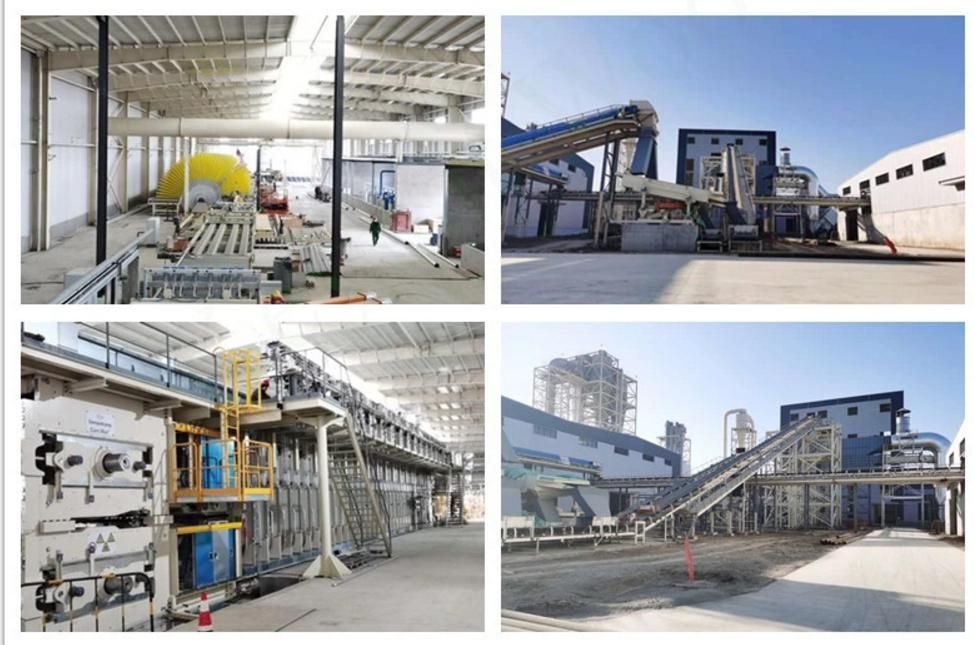
At Starwood, we take pride in being a dedicated factory located in Guangdong province. We have over 12 years of rich experience. We specialize in providing a wide array of products that are tailored to meet your needs. Our facilities allow us to maintain high-quality standards and contribute to the industry effectively.
Main Products Offered
Our diverse range of products includes decorative papers, high-quality man-made boards such as MDF, particleboard, and plywood. Additionally, we design and manufacture state-of-the-art kitchen cabinets, elegant furniture, and premium cupboard materials. Our variety ensures that no matter your project, we have the perfect solutions for you.
Sample Provision and Delivery Details
Yes, we gladly provide complimentary samples to help you make informed decisions. However, please be aware that we do not cover the freight cost. In terms of delivery, order size determines our production timeline, typically lasting around 40 working days post deposit clearance.
Understanding Our Payment Terms
We follow a straightforward payment structure. A 30% deposit is required upfront to initiate production. The remaining 70% is due in the period of shipment or through L/C at sight. This process helps ensure a smooth transaction and establishes trust in our relationship.
Why Choose Starwood?
Choosing Starwood means selecting a partner committed to delivering unmatched value through beautifully crafted products that fulfill your requirements. As industry pioneers, we consistently provide outstanding products and services that exceed expectations. We warmly welcome your inquiries!