Flat Pack Kids Bed Set Supplier: Why RTA Design Lowers Shipping Costs
For furniture importers, wholesalers, project buyers, and private-label brands, shipping cost is no longer a secondary issue. It is now one of the most important factors affecting landed cost, pricing flexibility, and order planning. In children’s furniture, this is especially true because buyers need a product that is safe, visually appealing, easy to distribute, and efficient to ship at scale. That is exactly why more professional buyers are looking for a flat pack kids bed set supplier instead of relying only on fully assembled furniture programs.
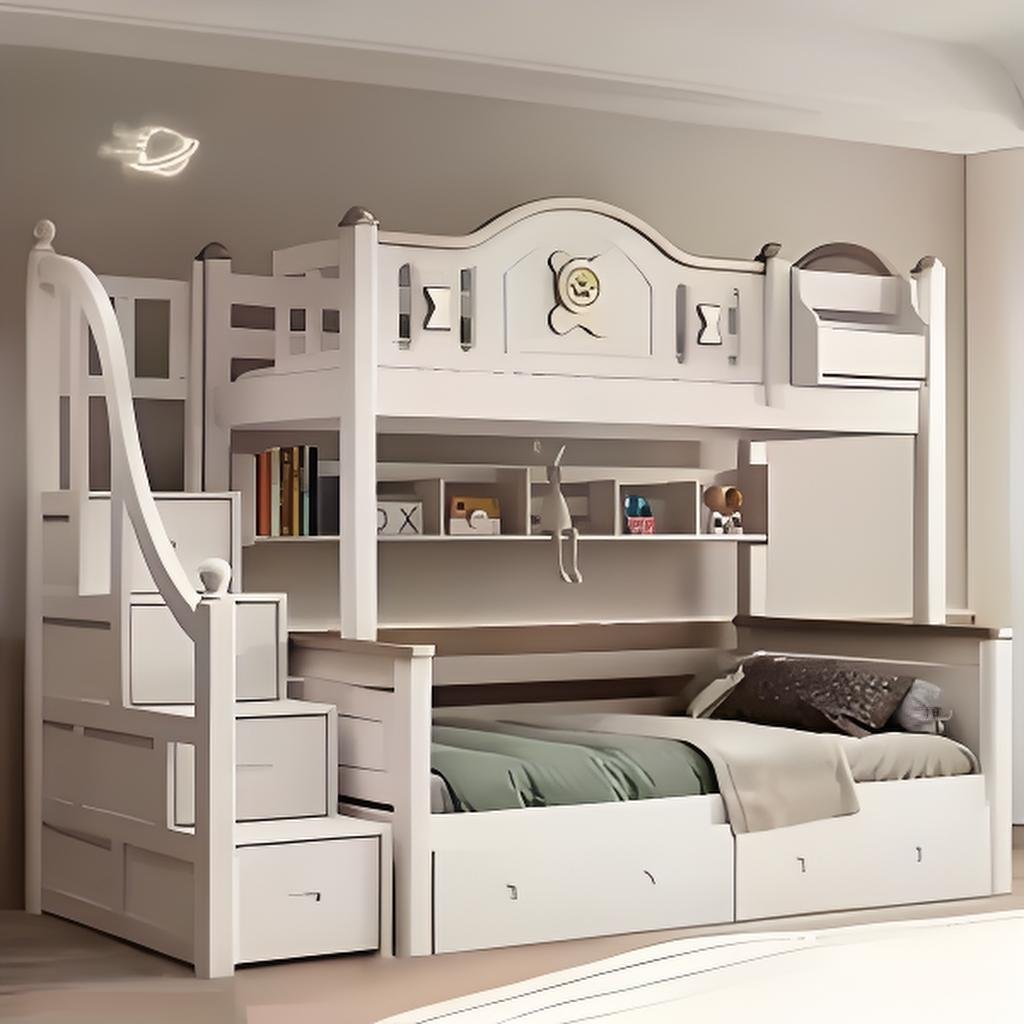
A well-designed ready-to-assemble structure, also known as KD or RTA design, does more than reduce carton size. It improves container loading efficiency, lowers freight cost per unit, supports safer warehousing, and makes last-mile delivery easier for retailers and distributors. For OEM and ODM buyers, flat pack construction also creates better opportunities for packaging customization, mixed-container loading, and scalable product development.
As a panel furniture export manufacturer, we work with buyers who need kids bed sets for retail programs, e-commerce, distributors, residential furnishing, and family-oriented hospitality projects. Their concerns are practical: how many sets fit in a container, how to reduce damage, how to keep packaging manageable, how to meet compliance expectations, and how to customize a product without making freight cost uncompetitive.
This article explains why working with a kd kids bed manufacturer can help buyers manage shipping more efficiently, and why RTA design is often the smarter long-term solution for global furniture supply.
Table of Contents
- Why Freight Efficiency Matters in Kids Furniture Supply
- What Flat Pack and RTA Mean in Kids Bed Set Manufacturing
- Why Buyers Prefer a Flat Pack Kids Bed Set Supplier
- Nine Reasons RTA Design Lowers Shipping Costs
- More Units Per Container
- Lower Freight Cost Per Set
- Better Mixed Loading Flexibility
- Easier Warehouse Handling
- Lower Delivery and Distribution Pressure
- Better Packaging Protection
- Easier OEM and ODM Adaptation
- Better Retail and E-commerce Compatibility
- More Scalable International Supply
- Application Scenarios for Flat Pack Kids Bed Sets
- Materials and Construction Considerations
- Compliance, Safety, and Packaging Standards
- MOQ, Lead Time, and Export Packaging
- OEM / ODM Customization Process
- How to Choose the Right KD Kids Bed Manufacturer
- FAQ
- Article Schema Content
Why Freight Efficiency Matters in Kids Furniture Supply
In international furniture trade, freight cost affects almost every commercial decision. When shipping rates rise or container space becomes tighter, inefficient product dimensions immediately reduce competitiveness. A bulky children’s bedroom set may look attractive in a showroom, but if it wastes cubic space in transit, the landed cost becomes much harder for the buyer to control.
For kids furniture, the challenge is even more specific. A complete bed set may include the bed frame, headboard, side rails, slats, storage units, bedside tables, shelving, or matching casegoods. If those parts are shipped fully assembled, the packaging becomes bulky, loading density drops, and the cost per unit increases quickly. That is why flat pack design has become a preferred solution for many global buyers. The value is not only in lower ocean freight, but also in better storage, easier domestic transport, and improved distribution flexibility.
This logic is especially relevant when buyers are serving e-commerce channels, furniture chains, apartment furnishing programs, or regional distributor networks. In each of these cases, the ability to move more units in less space can improve both margin and delivery efficiency.
What Flat Pack and RTA Mean in Kids Bed Set Manufacturing
Flat pack furniture refers to products designed so that components are packed disassembled in a compact carton or carton set. RTA means ready-to-assemble, while KD means knock-down. In furniture trade, these terms are closely related and generally describe products engineered for efficient shipment and on-site assembly.
For a kids bed set, flat pack construction often includes:
- side rails packed separately
- slats bundled efficiently
- headboard and footboard protected in slim-profile cartons
- hardware packed in labeled accessory bags
- installation instructions included for efficient assembly
For panel furniture exporters, flat pack design is not simply about taking a finished product apart. It requires engineering from the beginning. The connection system, board thickness, hardware choice, packaging structure, and protection materials must all be planned around transport efficiency and safe assembly.
This approach also aligns with broader requirements in wood-based furniture manufacturing. The U.S. EPA’s composite wood standards under TSCA Title VI cover formaldehyde emissions from composite wood products, while CARB’s California composite wood program also regulates emission limits and labeling for hardwood plywood, particleboard, and MDF used in finished goods. These rules matter because many kids bed sets rely on engineered wood components.
Why Buyers Prefer a Flat Pack Kids Bed Set Supplier
Buyers rarely choose a flat pack structure only because it is cheaper to ship. They choose it because it improves the entire supply chain.
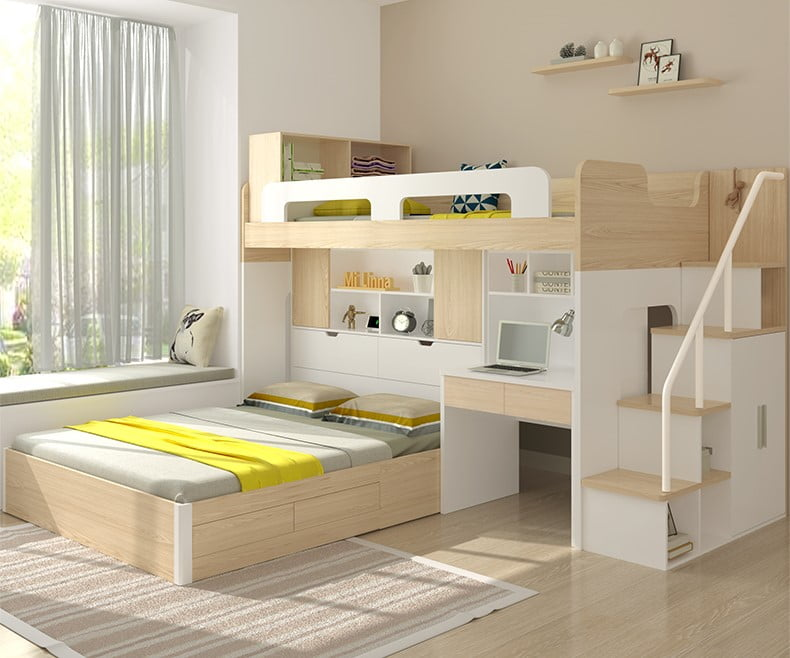
A reliable flat pack kids bed set supplier can support efficient carton planning, accurate packing lists, hardware consistency, mixed-model loading, and product development that matches retail and project needs. In other words, the right supplier helps buyers control both product design and logistics cost at the same time.
This is particularly important in children’s furniture, where buyers must balance aesthetics, functionality, safety, and price. The right RTA design allows a product to remain visually appealing while still performing well in container loading, warehouse storage, and retail distribution. That combination is what makes flat pack supply commercially attractive.
Nine Reasons RTA Design Lowers Shipping Costs
More Units Per Container
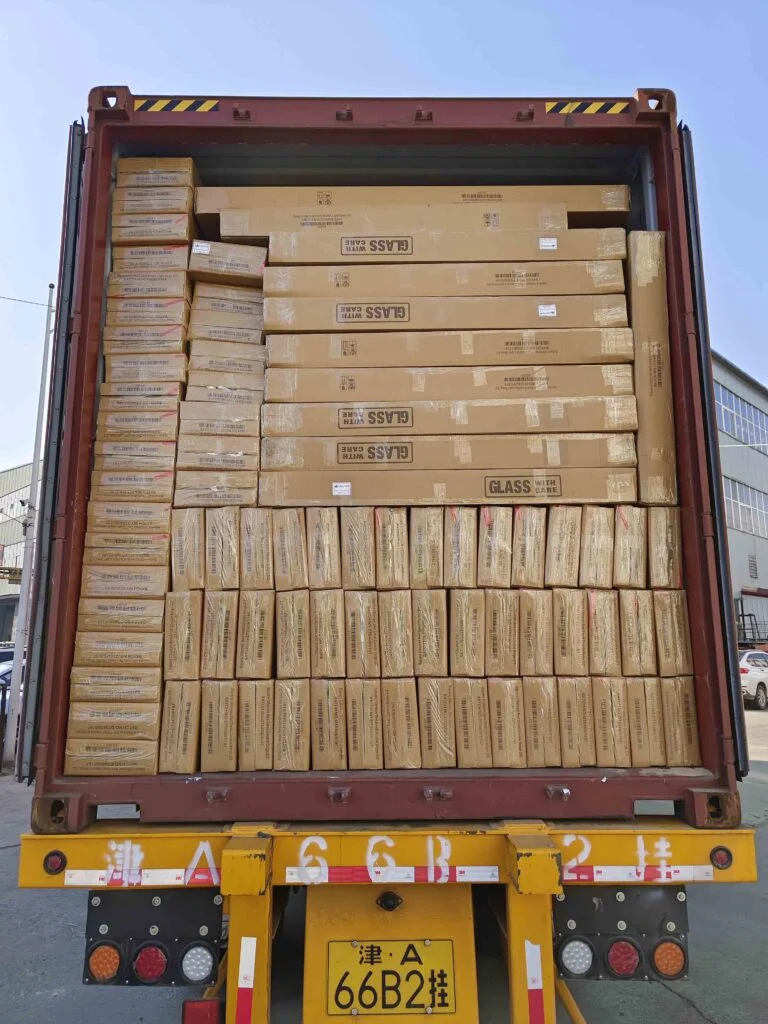
The most obvious reason is container efficiency. Flat pack furniture uses less cubic volume because the product is disassembled into compact components. A fully assembled kids bed frame occupies air space that cannot be monetized. By contrast, an RTA structure allows the same container to hold significantly more saleable units.
For importers and wholesalers, this improves freight economics immediately. The more units loaded per container, the lower the freight burden allocated to each bed set. This is one of the main commercial reasons why buyers sourcing globally often prefer KD construction over assembled furniture.
Lower Freight Cost Per Set
Freight is normally calculated based on container utilization, shipment volume, route, and handling complexity. If each bed set takes up less room, the shipping cost assigned to each unit falls. This gives the buyer more flexibility in pricing, wholesale margins, and promotional activity.
For private-label brands and distributors, lower freight cost per set also creates room for better packaging, upgraded finishes, or added accessories without pushing the final price beyond market expectations.
Better Mixed Loading Flexibility
Many buyers do not import a single SKU alone. They mix bed sets with wardrobes, study desks, toy storage, bookcases, and matching bedroom items. A flat pack structure makes this type of mixed loading much more efficient because cartons can be stacked and arranged more predictably.
This is especially useful for buyers building complete kids room furniture collections. Instead of sending bulky assembled items that limit layout options in the container, the buyer can combine multiple products more efficiently and improve the total value of each shipment.
Easier Warehouse Handling
Once the goods arrive, shipping efficiency continues to matter inside the warehouse. Flat cartons are easier to stack, count, store, and move with standard warehouse systems. They also reduce the chance that warehouse space will be consumed by irregular product shapes.
For distributors and retailers, this creates meaningful operational benefits. Goods move faster, inventory is easier to organize, and warehouse density improves. A compact storage profile can also reduce handling time for order picking and regional dispatch.
Lower Delivery and Distribution Pressure
Flat pack products are easier to distribute from port warehouse to regional warehouse, retailer, installer, or end customer. Smaller and more regular package dimensions reduce the burden on domestic logistics networks. This is particularly valuable in markets where the last mile is expensive or access conditions are difficult, such as apartments, urban retail delivery zones, or residential developments with elevator and corridor limitations.
For online sellers, this can be a major advantage. Products that are more compatible with parcel or standardized truck delivery systems are easier to scale than bulky assembled furniture.
Better Packaging Protection
A well-engineered flat pack system can improve protection during transit. Because parts are packed in a controlled layout, with corner protection, foam, honeycomb reinforcement, hardware isolation, and carton optimization, the product may suffer less damage than assembled furniture that shifts inside oversized packaging.
This is where packaging quality becomes important. ISTA is widely recognized as an authority in transport packaging and transit testing, and its resources are commonly referenced by companies that want to evaluate packaging performance for distribution environments. For buyers who care about transit damage control, the principles behind structured packaging and testing are highly relevant.
Easier OEM and ODM Adaptation
A flat pack structure is often more flexible for customization because components can be modified without redesigning an entire assembled shipping profile. Buyers may want to adjust bed size, add storage, change the headboard profile, upgrade the finish, or alter packaging graphics. In many cases, KD engineering makes those changes easier to implement while still keeping shipping efficient.
For an OEM or ODM buyer, this matters a great deal. Freight cost should not rise sharply every time a product is adapted for a different market. A good supplier plans the structure so customization and loading efficiency can work together.
Better Retail and E-commerce Compatibility
Retailers increasingly need products that work well in omnichannel distribution. Flat pack kids bed sets are easier to display in warehouse-style retail, easier to store in backrooms, and often more suitable for direct-to-consumer delivery models than fully assembled furniture.
This does not mean every kids bed set is automatically suitable for parcel shipping, but it does mean flat pack design improves the range of commercial options available to the buyer. For modern furniture supply chains, that kind of flexibility is valuable.
More Scalable International Supply
Finally, RTA design supports scalable international business. When a product is engineered to ship efficiently, it becomes easier to plan forecasts, build repeat programs, and open new markets. Importers can test more models, place mixed orders, and manage inventory more strategically.
This is why so many global furniture programs are built around flat pack structures. The model is not only about saving on one shipment. It is about creating a repeatable supply system that performs better over time.
Application Scenarios for Flat Pack Kids Bed Sets
Flat pack kids bed sets are suitable for more than just mainstream furniture retail.
Furniture importers and wholesalers
Importers benefit from improved container efficiency, better warehouse density, and easier regional distribution.
Private-label furniture brands
Brand owners gain more flexibility in carton design, assembly instructions, and packaging presentation while keeping freight manageable.
E-commerce and omnichannel sellers
RTA structures can fit more easily into modern fulfillment and delivery systems than fully assembled beds.
Apartment and family residence projects
For furnished residences and long-stay family-oriented units, flat pack delivery can simplify staging and installation planning.
Hospitality and serviced accommodation
Although children’s bed sets are more niche in hospitality than standard adult room furniture, family suites, extended-stay properties, and branded residence concepts can benefit from compact delivery and on-site assembly planning.
Materials and Construction Considerations
As a kd kids bed manufacturer, we know that cost reduction should never come at the expense of structure, finish, or safety. For children’s furniture, the product must still feel reliable and durable after assembly.
Common board and structure options may include:
- plywood for stronger structural parts
- MDF for selected decorative components
- particleboard for value-oriented programs
- melamine-faced board for easy-clean surfaces
- solid wood details or trim in selected designs
Many buyers also pay attention to responsible wood sourcing and sustainability messaging. FSC provides furniture-related certification resources for businesses that want to support claims around responsibly sourced wood products. That can be especially useful for brands selling into markets where sustainability communication influences buyer preference.
From an engineering perspective, a good flat pack bed set needs:
- stable connection points
- clear assembly logic
- reliable fasteners
- good edge protection
- consistent hardware packing
- carton design matched to transport conditions
If the product includes an elevated bed or bunk configuration, buyers should also pay attention to applicable safety rules. The U.S. CPSC states that manufacturers and importers of children’s bunk beds must certify compliance and use third-party testing at CPSC-accepted laboratories, and it also enforces mandatory bunk bed safety rules. Even if a buyer is sourcing a standard bed rather than a bunk bed, children’s furniture safety expectations should remain part of product development and market planning.
Compliance, Safety, and Packaging Standards
For kids furniture, compliance is a commercial issue as much as a regulatory one. Buyers want proof that the product is made with appropriate materials, tested where needed, and packed for safe shipment.
Here are authority links you can naturally keep in the article body:
When specifying engineered wood kids furniture for export, buyers often review the U.S. EPA formaldehyde standards for composite wood products and the California CARB composite wood products program to understand emissions and labeling requirements for hardwood plywood, particleboard, and MDF used in finished goods. Buyers focused on responsible sourcing may also refer to FSC furniture resources. If the design involves loft or bunk structures, the CPSC bunk bed business guidance and the CPSC voluntary and mandatory bunk bed standards information are useful references. For transit protection, buyers may also review ISTA packaging and test resources when evaluating carton performance for export distribution.
These references support better sourcing conversations because they connect product development with market expectations.
MOQ, Lead Time, and Export Packaging
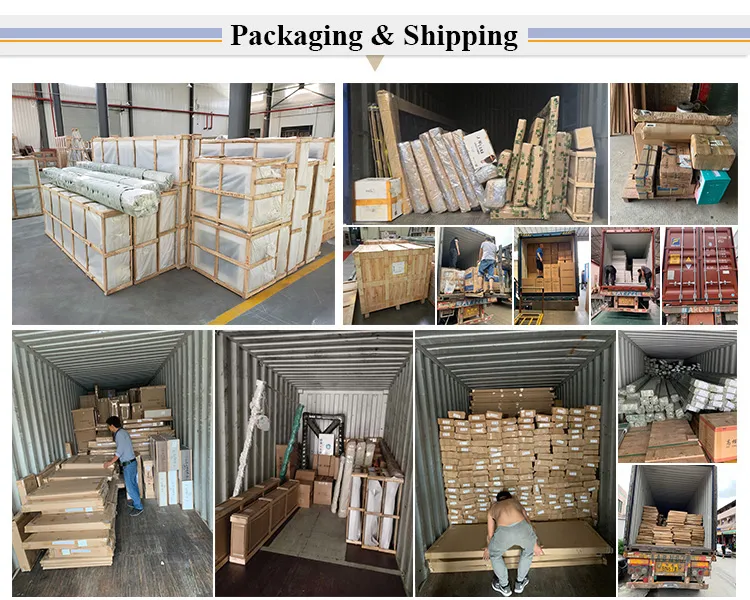
MOQ
MOQ depends on the construction complexity, finish choice, packaging method, and whether the buyer is ordering a standard design or a customized OEM / ODM version. For flat pack furniture, MOQ can often be managed more flexibly in mixed-container programs than with bulky assembled furniture, because loading efficiency is better and inventory planning is easier.
Lead Time
Lead time usually depends on sample approval, hardware sourcing, production capacity, packaging confirmation, and order volume. New custom projects often need extra time for engineering review and prototype validation. Repeat orders are generally more stable once the product structure and carton specifications are finalized.
Packaging
Packaging is one of the biggest advantages of RTA design when executed correctly. Common export packaging elements may include:
- flat carton structure
- PE foam or EPE protection
- corner protectors
- honeycomb reinforcement
- separated hardware bags
- carton marking by model and carton number
- assembly instruction sheets
- barcodes and shipping labels as required
For buyers selling through retail or e-commerce channels, mail-order packaging or upgraded carton strength may also be requested. A professional supplier should be able to advise on carton layout, drop-risk areas, and container-loading logic.
OEM / ODM Customization Process
A capable flat pack kids bed set supplier should support not only production, but also product development.
Step One: Requirement Review
The buyer shares size, design references, market positioning, target price range, packaging needs, and compliance expectations.
Step Two: Engineering Evaluation
The manufacturer reviews structure, material choice, connection method, carton layout, and loading efficiency.
Step Three: Sample Development
A prototype is prepared to confirm appearance, assembly process, and packing structure.
Step Four: Packaging and Loading Review
Before mass production, carton dimensions, protection materials, labeling, and loading quantity are reviewed.
Step Five: Final Confirmation
The buyer approves the sample, finish, hardware, markings, and package details.
Step Six: Mass Production and Inspection
Production begins, followed by final inspection, carton verification, and container loading.
This process is especially important for kids furniture because the product must satisfy commercial, visual, and safety expectations simultaneously.
How to Choose the Right KD Kids Bed Manufacturer
Not every supplier that offers children’s beds is truly prepared to support efficient flat pack export.
A serious supplier should be able to discuss:
- carton dimensions and loading quantity
- hardware packing methods
- board material options
- edge protection details
- assembly sequence
- repeat-order consistency
- OEM / ODM flexibility
- shipping mark and labeling support
- damage-control packaging strategy
The best supplier is not simply the one with the lowest ex-factory price. It is the one that understands how product structure, packaging, and freight cost work together.
If a supplier can explain how to reduce cubic volume without making assembly difficult or compromising product stability, that supplier is much more likely to support long-term business growth.
Conclusion
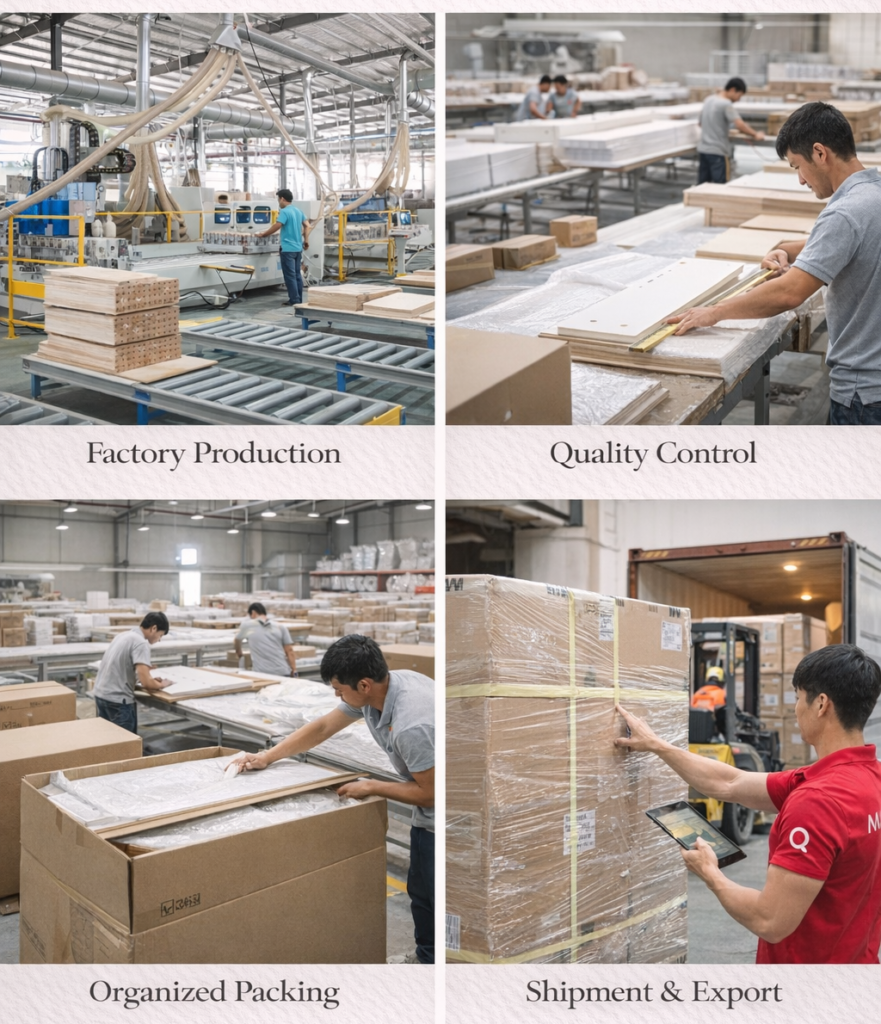
For global furniture buyers, flat pack design is no longer just a cost-cutting trend. It is a practical supply-chain strategy. In children’s furniture, this strategy is especially valuable because it helps balance cost control, design flexibility, warehouse efficiency, and shipping performance.
A professional flat pack kids bed set supplier can help buyers fit more units per container, lower freight cost per set, improve packaging reliability, simplify warehousing, and scale mixed-product programs more effectively. For OEM and ODM buyers, the advantages go even further, because RTA engineering supports market-specific customization without automatically making transport less efficient.
If you are sourcing children’s bedroom furniture and want to improve shipping performance without sacrificing design quality, working with an experienced kd kids bed manufacturer is often the smarter choice.
Ask us for flat-pack packing specs and container loading advice.
Recommended internal link anchor: flat pack kids bed sets
FAQ
What does a flat pack kids bed set supplier provide?
A flat pack kids bed set supplier provides children’s bed sets engineered for disassembled shipment, compact packaging, efficient export loading, and on-site assembly.
Why does RTA design lower shipping costs?
RTA design lowers shipping costs because disassembled components use less cubic volume, allowing more units to fit into each container and reducing freight cost per set.
Is flat pack kids furniture suitable for OEM and ODM projects?
Yes. Flat pack construction is often very suitable for OEM and ODM development because it supports changes in dimensions, finishes, hardware, and packaging while keeping transport efficiency under control.
What materials are commonly used in flat pack kids bed sets?
Common materials include plywood, MDF, particleboard, and melamine-faced panels, depending on the target market, price level, and product positioning.
What compliance issues should buyers pay attention to?
Buyers should review composite wood emissions requirements, labeling obligations where applicable, and any relevant children’s furniture or bunk bed safety rules for the destination market.
What packaging details should buyers confirm before ordering?
Buyers should confirm carton dimensions, protection materials, hardware packing, assembly instructions, labels, shipping marks, and expected loading quantity before production begins.