
Why Flat-Pack Furniture is Revolutionizing the Bathroom Industry: A Smart Choice for Retailers
Introduction: Why retailers are rethinking bathroom assortments
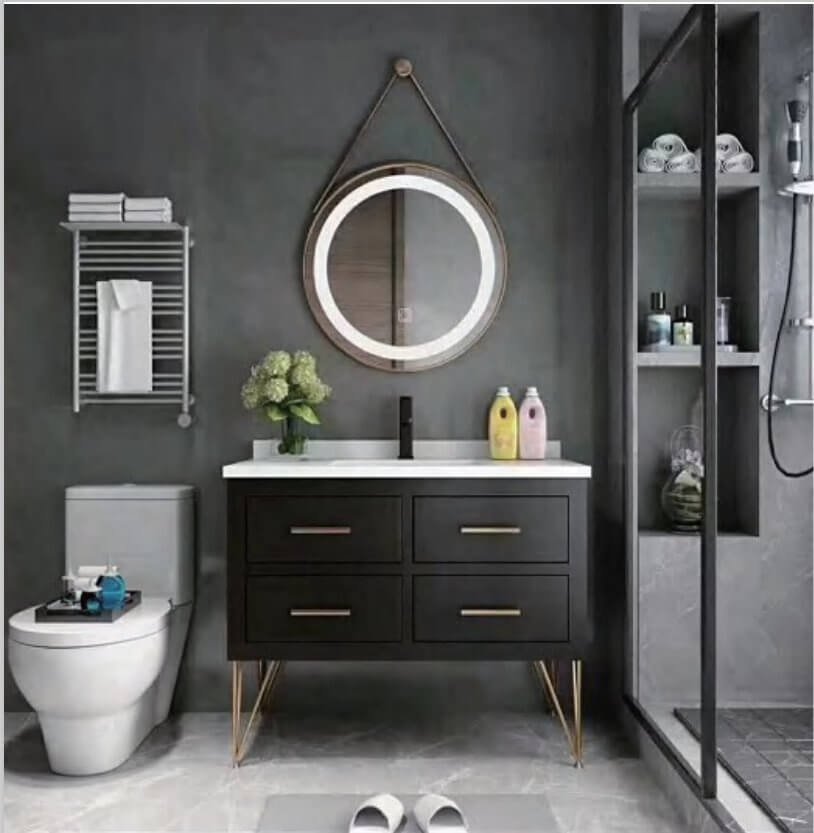
Retailers in the bathroom category face ruthless math. They encounter freight volatility, tight store project timelines, omnichannel stock constraints, and stricter compliance rules. Flat-pack bathroom furniture—ready-to-assemble vanities, storage towers, mirror cabinets, and accessories engineered for compact shipping—directly attacks these pain points. For B2B buyers, the format creates measurable wins. It results in lower landed costs per unit. It also ensures faster rollouts with fewer shortages. Additionally, it offers cleaner compliance documentation across markets.
Below are nine practical, B2B-oriented reasons flat-pack bathroom furniture is changing the category. Included are a sourcing checklist, external resources, and FAQs you can share with stakeholders.
1) Lower landed cost through cube efficiency
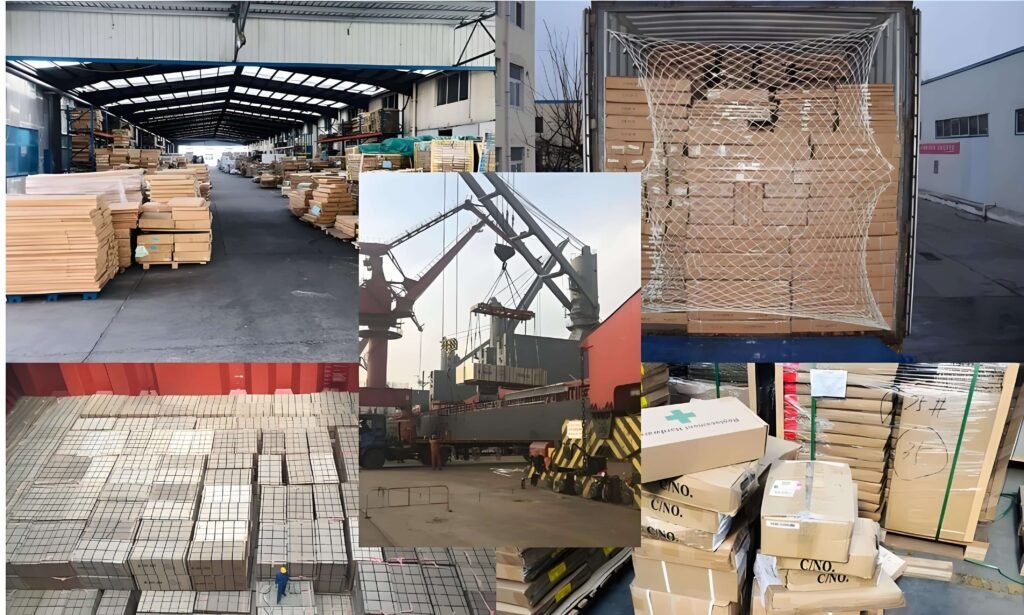
With knock-down design, a six-door vanity set that might consume a half pallet assembled can nest flat into one carton. That reduces dimensional weight, improves container utilization, and lowers fuel-indexed freight. Retail buyers see the difference immediately in costed bills. They notice lower ocean and last-mile costs. They also experience fewer over-size surcharges and more units per DC bay. Combined with right-sized hardware kits and QR-coded instructions, you’ll often see 5–20% improvement in landed cost vs. pre-assembled comparables (directional; verify with your corridors).

To preserve savings in transit, specify ISTA parcel/carton tests appropriate to your channel (e.g., ISTA 3A for individual packages in parcel networks) so cartons survive vibration, drop, and compression. Link this requirement in your vendor manual to reduce damage-related returns and claims. ISTA test procedures overview. (ista.org)
2) Faster rollouts and fewer stock-outs
Flat-pack SKUs pick and replenish faster because they’re lighter, stackable, and label-friendly. Add GS1 SSCC logistics labels to each shipping unit. This allows your WMS to scan, trace, and reconcile shipments across DCs and stores. This process is essential for multi-node retail and drop-ship flows. GS1 Logistic Label Guideline (SSCC). (GS1)
3) Modular merchandising with rapid refresh
Retailers can mix door styles, counter finishes, widths, and storage modules without exploding SKU count. Shared cores include carcasses, runners, and hinges. They allow variable fronts for seasonal refreshes and price-point ladders. Options range from entry laminated SKUs to premium plywood veneers. There is no need to re-engineer the entire line. Result: fewer long-tail SKUs, healthier turns, and easier planogram updates.
4) Durable materials & moisture-ready engineering
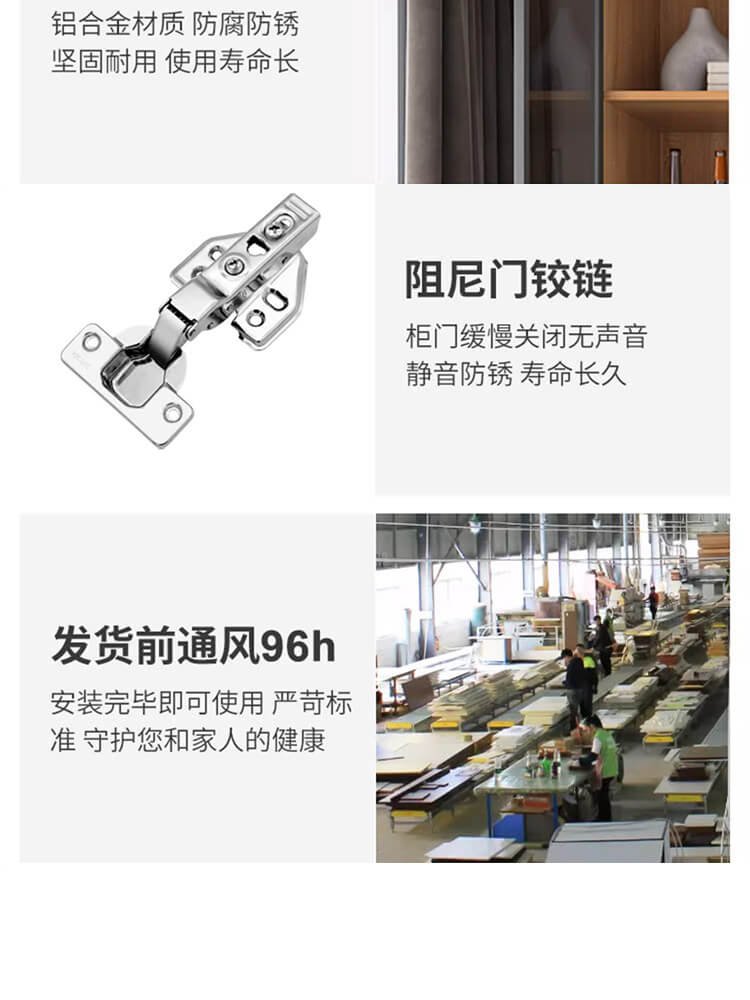
Bathroom environments are humid and cleaning-intensive. Flat-pack doesn’t mean flimsy: engineered plywood cores, sealed edges, and corrosion-resistant hardware (e.g., stainless fasteners; coated slides/hinges) deliver long service life in retail use cases. Where faucets or aerators are bundled in vanity combos, specify EPA WaterSense-labeled components to align with water-efficiency programs. This approach is useful for utility rebates, marketing claims, and municipal bids. EPA WaterSense for bathroom faucets.
In European programs, lab technicians test cabinets to EN 14749:2016+A1:2022. This standard covers safety requirements and test methods for kitchen and bathroom storage units. It is used to validate basic construction and wall-mount performance. EN 14749:2016+A1:2022 overview. (iTeh Standards)
5) Omnichannel ready: fewer headaches in DCs and stores
Flat-pack cartons pass through automated sortation more cleanly than bulky, assembled furniture. They’re easier for associates to handle on mezzanines. They cube out trucks. They also reduce MHE (material handling equipment) touches. All of these factors cut labor. For e-commerce, cartonized vanities are suitable because they fit into parcel/2-man networks. They have separate tops/basins where needed. They come with tested protective packaging (again, see ISTA references). ISTA procedures. (ista.org)
6) Cleaner compliance for emissions and indoor air quality
Many retail buyers now require composite wood in furniture to meet U.S. TSCA Title VI (formaldehyde emission standards) across hardwood plywood, MDF, and particleboard—plus compliant labeling and third-party certification. Aligning vendor documentation upfront avoids customs delays and audit friction. EPA TSCA Title VI overview; 40 CFR Part 770 (eCFR).
In California, CARB’s Airborne Toxic Control Measure (ATCM) defines stringent limits. This is widely echoed in retailer requirements. It also establishes labeling for composite wood products and finished goods. TSCA Title VI broadly harmonizes with these standards. CARB Composite Wood Products Program; EPA alignment note.
7) Responsible sourcing: FSC, Lacey, and EUDR
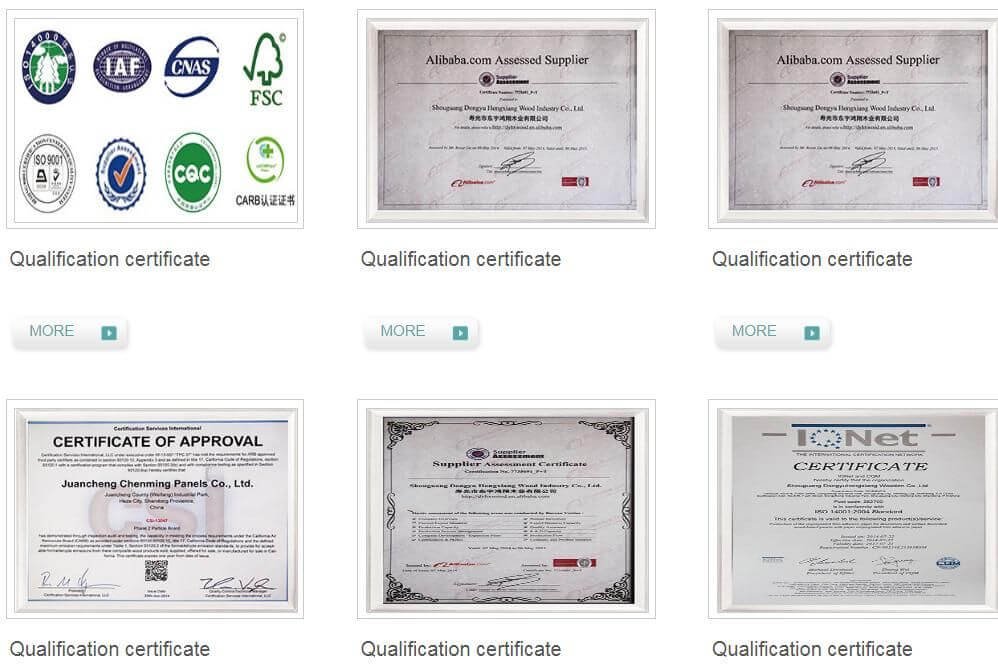
Retail assortments increasingly reference FSC Chain of Custody (CoC) for wood traceability and claims on product labels and PDPs. Ensure your supplier’s documentation and scope are current. FSC CoC Directive (guidance).
For the U.S. market, importers must file Lacey Act declarations for covered wood products. This includes many composite wood items. The declarations must specify species and country of harvest. Non-compliance can trigger seizures and penalties. Coordinate HS codes, product scope, and filing workflows early with your customs broker. USDA APHIS Lacey Act declaration requirements.
For the EU, the EUDR (Regulation (EU) 2023/1115) requires operators and traders to conduct due diligence. They need to ensure wood products are deforestation-free and legally produced. This is achieved with geolocation data of plots of origin. If you sell into the EU, build EUDR evidence into your product records now. European Commission EUDR page.
8) Predictable quality at scale (QMS + lab testing)
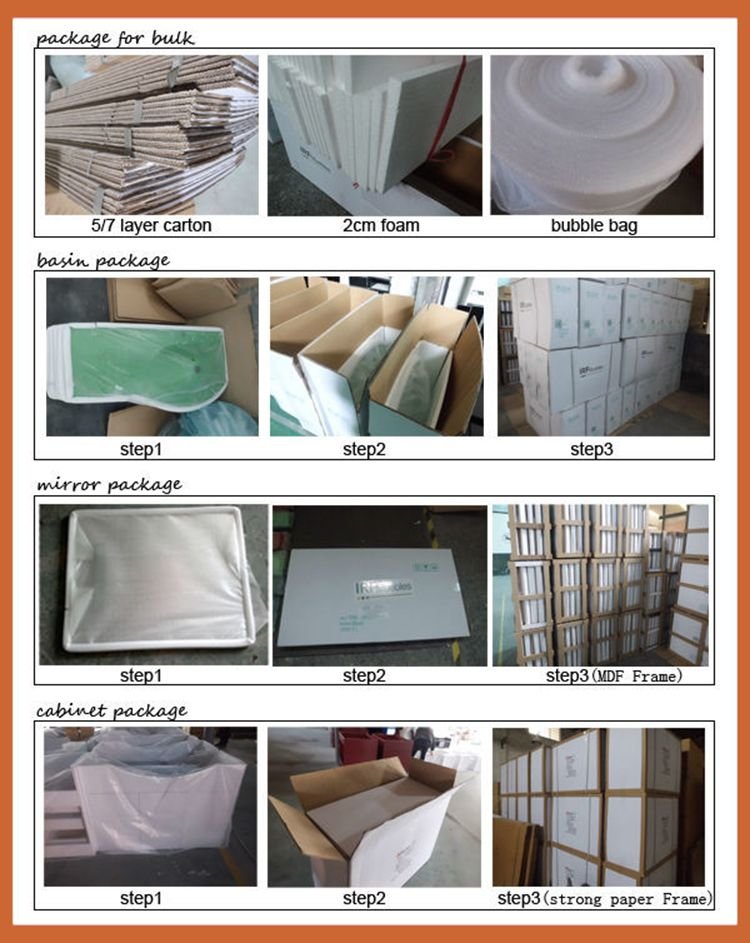
Procurement teams prefer suppliers running ISO 9001 quality management systems. These systems have built-in CAPAs, change control, and document traceability. This is critical when scaling to hundreds of stores or dropship SKUs. Add third-party test plans for finishes (abrasion, stain/chemical resistance), corrosion on hardware, and wall-mount loading where applicable. ISO 9001:2015 overview.
9) Smoother global trade terms (and fewer surprises)
Set terms correctly from the start with Incoterms® 2020—the global rules defining responsibilities for delivery, risk, and costs. Whether you buy FOB, FCA, or DDP, choose the rule and named place correctly. This avoids disputes over freight, insurance, and customs clearance. Train your teams and reflect the chosen term in PO text and shipping docs. ICC: Incoterms® 2020. (ICC – International Chamber of Commerce)
A buyer’s checklist for flat-pack bathroom programs
Use this vendor brief to keep apples-to-apples comparisons and speed onboarding:
- Product scope & variants
Widths (e.g., 600/800/1000/1200 mm), sink compatibility, door/drawer mixes, mirror cabinets, storage towers. - Construction & materials
Plywood or particleboard core by SKU, veneer/laminate types, back panels, edge sealing specs, moisture-resistant adhesives and finishes. - Hardware
Hinge type (soft-close? clip-on?), drawer systems (load rating, full extension), wall hangers (rated capacity), anti-tip details. - Compliance
TSCA Title VI/CARB labeling & certificates for composite wood; FSC CoC claims; EUDR due-diligence pack (geolocation, risk assessment); U.S. Lacey Act declaration data (species/harvest country); EU/UK REACH declarations as needed. (环境保护局) - Testing
EN 14749 safety tests are conducted where relevant. Packaging is done to ISTA 3A/retailer standard. We test finish durability against cleaning chemicals. Corrosion resistance is tested with salt-spray. Wall-mount load tests are also performed. (iTeh Standards) - Packaging & labeling
Flat-pack carton dims & weights, GS1 SSCC on logistics label, inner pack protection, bilingual instructions. - Logistics
Incoterms 2020, lead times by corridor, hub/DC delivery windows, dropship capabilities, routing guide compliance. (ICC – International Chamber of Commerce) - Sustainability & claims
FSC claim wording, recycled content, VOC statements, WaterSense inclusion if faucets are bundled. - After-sales
Spare parts policy, claim windows, photo-based approvals, and eco-friendly parts mailers.
How flat-pack improves the store experience
- On-shelf density: More options fit a given bay (e.g., 600/800/1000 mm widths) without cramming.
- ‘Grab-and-go’: Customers can take the product today; fewer special orders and costly returns from failed deliveries.
- DIY-friendly: Clear assembly steps, simplified fittings, and QR-linked videos.
- Cross-sell: Coordinated finishes make it easy to attach mirrors, tall cabinets, and accessories.
External resources
- TSCA Title VI / formaldehyde – EPA overview; 40 CFR Part 770.
- CARB ATCM – CARB Composite Wood Products Program.
- FSC Chain of Custody – FSC CoC Directive (guidance).
- EUDR – EU deforestation-free products regulation. (Environment)
- Lacey Act – USDA APHIS declaration requirements.
- ISO 9001 – ISO 9001:2015 overview.
- GS1 SSCC – GS1 Logistic Label Guideline. (GS1)
- Incoterms® 2020 – ICC official page. (ICC – International Chamber of Commerce)
- WaterSense – EPA WaterSense program.
- EN 14749 – Safety & test methods for bathroom storage units. (iTeh Standards)
FAQ (B2B / procurement-focused)
Q1: What minimum documentation should I demand from a new supplier?
Ensure you have TSCA Title VI/CARB certificates for composite wood. Obtain FSC CoC if you make an FSC claim. Secure an EUDR due-diligence pack for EU routes. Acquire an ISO 9001 certificate or equivalent QMS evidence. You should get ISTA or retailer-specific packaging test reports. Also, ensure complete specs, drawings, and packing lists are provided. (环境保护局)
Q2: Does flat-pack really cut my total cost, not just freight?
Yes. Beyond freight, it reduces warehouse handling, damages, and delivery failures. Standardized modules also shorten onboarding and simplify SKU maintenance, which cuts soft costs.
Q3: How do I avoid customs issues in the U.S.?
Coordinate HS codes, species, and harvest country early, and file Lacey Act declarations for covered wood products. Keep vendor certifications and labels aligned to TSCA Title VI for composite wood.
Q4: What European standard applies to bathroom storage units?
EN 14749:2016+A1:2022 defines safety requirements and test methods for kitchen and bathroom storage units. You should ask for test reports when targeting EU retail. (iTeh Standards)
Q5: We sell faucet-included vanities. Any labeling to consider?
For U.S. assortments, consider EPA WaterSense for faucets/aerators to support performance and conservation claims.
Q6: Which trade terms should I use?
Use Incoterms® 2020 and specify the rule and named place in the PO (e.g., FOB Ningbo Port; DDP Dallas DC). Train your teams to avoid misunderstandings. (ICC – International Chamber of Commerce)
About Us

We are a plywood-focused flat-pack bathroom furniture manufacturer and exporter supplying retailers, brands, and project distributors. Our engineering centers standardize cores and hardware across widths. This standardization improves cube efficiency. Our packaging lab designs ISTA-ready cartons for parcel and 2-man networks. We support multi-market compliance. This includes TSCA Title VI/CARB, FSC CoC, Lacey, and EU EUDR due diligence. We provide complete spec packs, such as drawings, BOMs, labels, and assembly content. This helps to speed onboarding. If you’re building or refreshing a retail bathroom program, we’d be glad to provide samples. We can also provide test reports and a landed-cost model tailored to your corridors.