Bookcase vs Bookshelf vs Book Shelving: 21 Stress-Free EU Buyer Checks (Materials, Safety, RTA Packaging & OEM/ODM)
Introduction: Why the same “bookcase” keyword attracts completely different buyers
Search “bookcase.” You’ll see everything from a 5 tier bookcase for Amazon. There is also a full book shelving system specified by architects for multi-unit apartments. That single keyword hides multiple buyer personas:
- E-commerce sellers (Amazon bookcases, Wayfair bookcases): obsessed with damage rate, assembly time, reviews, and carton sizes.
- Retail buyers (private label, seasonal programs): care about margin ladders. They also focus on finish consistency and compliance files. Additionally, they consider how a 6 shelf bookcase looks under store lighting.
- Contract & project teams (hospitality, student housing, build-to-rent): care about durability, serviceability, stability, and repeatability across phases.
- Brand developers (new collections): care about design language, SKU architecture, and ODM speed.
Choosing the wrong “type” can lead to numerous issues. Engineering it with the wrong materials and packaging creates hidden costs. These include return spikes, corner crush damage, and “missing hardware” complaints. They also involve negative ratings about wobble. Additionally, assembly-time frustration can kill conversion.
In Europe, those costs hit harder. Buyers frequently operate across multi-market compliance expectations. There are increasingly strict product-information and safety obligations under EU consumer-product rules. EUR-Lex
EU Market Quick Links (Buyer Search Terms by Country)
- Germany: Bücherregal / Bücherschrank → #germany-buyer-search-terms
- France: bibliothèque / étagère → #france-buyer-search-terms
- Netherlands/Belgium: boekenkast / boekenplank → #netherlands-buyer-search-terms
- Nordics: bokhylla / bokhylle / bogreol / kirjahylly → #nordics-buyer-search-terms
- UK & Ireland: bookcase / bookshelf / shelving unit → #uk-buyer-search-terms
Table of Contents
- Bookcase / Bookshelf / Book Shelving: definitions + best uses
- First sizing decision: dimensions & real capacity
- Materials that EU buyers compare: Plywood vs MDF vs Particle Board
- Shelf load & structure: how to keep it stable and straight
- Safety & compliance: anti-tip, labels, manuals, test files
- RTA/Flat-pack packaging: lowering damage rate in EU parcel networks
- Assembly experience: reducing returns and 1-star reviews
- Styles & best-selling trends (EU channel logic)
- OEM/ODM cooperation guide: from concept to mass production
- FAQ (search-driven) + FAQ Schema
- CTA for EU B2B inquiries
1) Bookcase vs Bookshelf vs Book Shelving: differences and where each wins
Bookcase (freestanding, floor-standing unit)
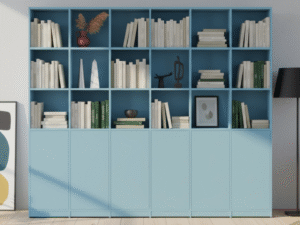
A bookcase is typically a full-height, freestanding storage unit. It has multiple shelves, often in 5-tier or 6-shelf formats. Think wide bookcase, open bookcase, or a door/drawer combo.
Best for: living rooms, home offices, rentals, student housing common areas, and retail programs where shoppers want “a complete piece.”
EU buyer note: For freestanding storage furniture, stability is crucial. Anti-tip messaging is often a buyer’s first compliance question, especially for tall, narrow SKUs. Many EU projects align requirements with storage-furniture safety standards. They follow standards such as EN 14749 (domestic storage units). This depends on category scope and application. BSI Group+1
Bookshelf / Book shelf (smaller standalone shelf unit)
A bookshelf (or “book shelf”) is usually shorter and lighter. It is often a value SKU. It is a 3-tier, 4-tier, or compact piece designed to ship easily and assemble quickly.
Best for: e-commerce “fast movers,” kids’ rooms (with extra safety features), and entry price points.
Book shelving (wall-mounted or systemised shelving)
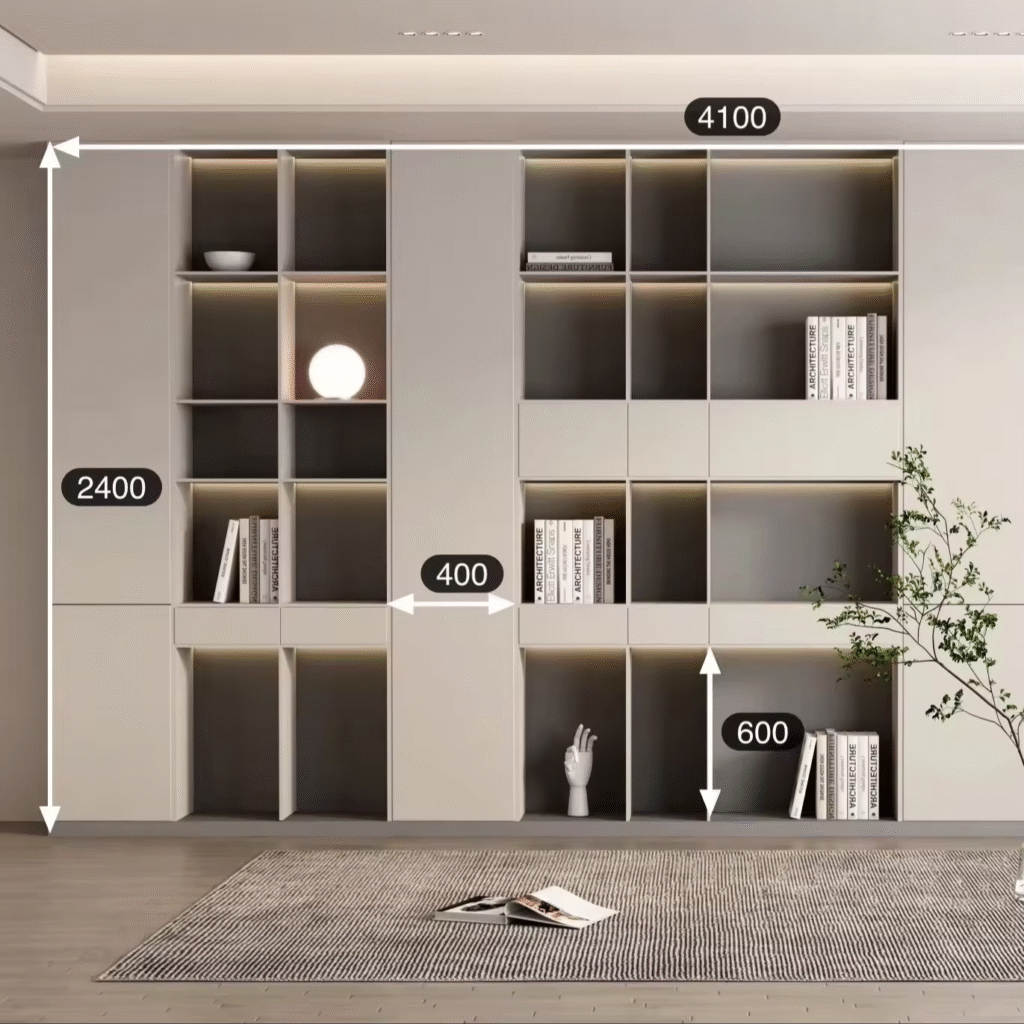
Book shelving refers to system-based shelving—wall tracks, modular cubes, floating configurations, corner runs, or built-in wall systems. This includes floating shelf bookcase concepts and custom wall programs for apartments.
Best for: interior projects, small spaces, premium aesthetics, and “built-in look” retail lines.
EU buyer note: If it’s non-domestic (commercial) storage, some specifiers align with EN 16121 (non-domestic storage furniture safety/strength/durability/stability). 全球规范
2) Choosing by room and use case (what EU buyers actually specify)
Different applications create different failure modes:
- Living room display: customers value clean lines, symmetrical spacing, and decor-ready shelves (bookcase decor, “bookcase background” for social photos).
- Home office storage: A4 binders, heavier books, and “work + storage” combos (e.g., tv stand with bookcase or desk-integrated shelving).
- Kids’ rooms: safety first—rounded edges, anti-tip kit, stable base, reduced climb points.
- Projects (hospitality/apartments): repeatability, spare parts, service access, and finish durability for cleaning.
Germany Buyer Search Terms (DE) {#germany-buyer-search-terms}
German buyers often split the intent clearly:
- Bücherregal = open book shelf / open shelving
- Bücherschrank = book storage cabinet (often with doors)
This “open vs with doors” distinction is useful for EU retail specs and for project tenders. :contentReference[oaicite:0]{index=0}
Common DE buyer queries (add these naturally in a short paragraph):
- bücherregal 5 fach / bücherregal 6 fach
- schmales bücherregal / breites bücherregal
- bücherregal schwarz / bücherregal weiß
- eck bücherregal (corner)
- leiter bücherregal (leaning)
- bücherregal wandmontage (wall-mounted)
- bücherregal hersteller / lieferant / großhandel
- flat pack möbel / RTA möbel / OEM ODM möbel
Jump to: Materials → #materials-panels | Safety → #safety-anti-tip | Packaging → #rta-packaging
France Buyer Search Terms (FR) {#france-buyer-search-terms}
In France, buyers commonly search around bibliothèque (bookcase) vs étagère (shelf) and will compare use-cases (display vs storage). :contentReference[oaicite:2]{index=2}
Common FR buyer queries:
- bibliothèque 5 niveaux / bibliothèque 6 étagères
- bibliothèque noire / bibliothèque blanche
- bibliothèque d’angle (corner) / bibliothèque murale (wall)
- bibliothèque ouverte / bibliothèque avec portes (doors)
- étagère modulaire / rangement bibliothèque
- fournisseur / grossiste / importateur bibliothèque
- meuble en kit (flat-pack) / emballage anti-casse
- OEM / ODM mobilier
Jump to: Dimensions → #dimensions-capacity | Anti-tip → #safety-anti-tip | Flat-pack → #rta-packaging
Netherlands/Belgium Buyer Search Terms (NL) {#netherlands-buyer-search-terms}
Dutch buyers often search boekenkast (bookcase) vs boekenplank (bookshelf), typically framed as “which fits my space and storage needs.” :contentReference[oaicite:3]{index=3}
Common NL buyer queries:
- boekenkast 5 vakken / boekenkast 6 planken
- smalle boekenkast / brede boekenkast
- boekenkast zwart / boekenkast wit
- hoek boekenkast (corner)
- open boekenkast / boekenkast met deuren
- zwevende plank (floating shelf) / wandplank
- boekenkast leverancier / fabrikant / groothandel
- bouwpakket meubels / flat pack / RTA / OEM ODM
Jump to: Structure & load → #shelf-load-structure | Packaging → #rta-packaging
Nordics Buyer Search Terms (SE/NO/DK/FI) {#nordics-buyer-search-terms}
Nordic buyers often use native terms for “book shelf/bookcase,” so adding them once helps discoverability:
- Swedish: bokhylla :contentReference[oaicite:4]{index=4}
- Norwegian: bokhylle :contentReference[oaicite:5]{index=5}
- Danish: bogreol / bogskab :contentReference[oaicite:6]{index=6}
- Finnish: kirjahylly :contentReference[oaicite:7]{index=7}
Common Nordic buyer queries (English + local mix is common in B2B):
- white/black bookcase, open bookcase, corner bookcase
- modular shelving system, wall shelving, floating shelves
- FSC chain of custody, low VOC / E1, easy assembly
- flat pack packaging / damage rate / spare parts
Jump to: Materials → #materials-panels | Sustainability docs → #compliance-docs | Packaging → #rta-packaging
UK & Ireland Buyer Search Terms (EN-GB) {#uk-buyer-search-terms}
UK buyers typically search “bookcase vs bookshelf” and compare usage + design tips. :contentReference[oaicite:8]{index=8}
Common UK buyer queries:
- 5 tier bookcase / 6 shelf bookcase
- wide bookcase / tall narrow bookcase
- black bookcases / white wood bookcase
- corner bookcase / ladder (leaning) bookcase
- floating shelves / wall shelving unit
- flat pack bookcase, easy assembly bookcase
- wholesale bookcases, contract furniture, OEM/ODM supplier
Jump to: Assembly → #assembly-experience | Packaging → #rta-packaging | OEM/ODM → #oem-odm-guide
3) Sizing & capacity: the first decision that prevents returns
Recommended depth (EU-friendly, practical)
- Books only (paperbacks/standard): 220–280 mm depth
- A4 binders & ring files: 300–330 mm depth (this is where many “pretty” shelves fail)
- Decor + mixed storage: 280–320 mm is the safe middle ground
Width & height ranges (typical demand)
- Narrow bookcase: 300–450 mm width (small apartments, corridors)
- Standard: 600–800 mm width
- Wide bookcase: 900–1200 mm width (higher perceived value, but needs better structure)
Heights commonly requested:
- 5 tier bookcase: 1500–1800 mm (best seller in e-commerce)
- 6 shelf bookcase: 1800–2000+ mm (premium look, higher tip risk)
Shelf spacing (what to design for)
- Books: 240–280 mm clear height
- A4 binders: 320–340 mm clear height
- Decor (vases, plants): 300–380 mm in 1–2 “feature bays”
Back panel vs open back (why it matters)
- With back panel: increases racking resistance (prevents wobble) and protects walls; better for tall SKUs.
- Open back: lighter look, but requires better side-panel stiffness and connection design.
Small-space EU winners: corner pieces. (Billy corner bookcase search behaviour is strong.) Slim ladder/leaning styles (leaning bookcase). Modular cubes. Wall-mounted runs.
4) Materials EU buyers compare: Plywood vs MDF vs Particle Board (and what really changes)
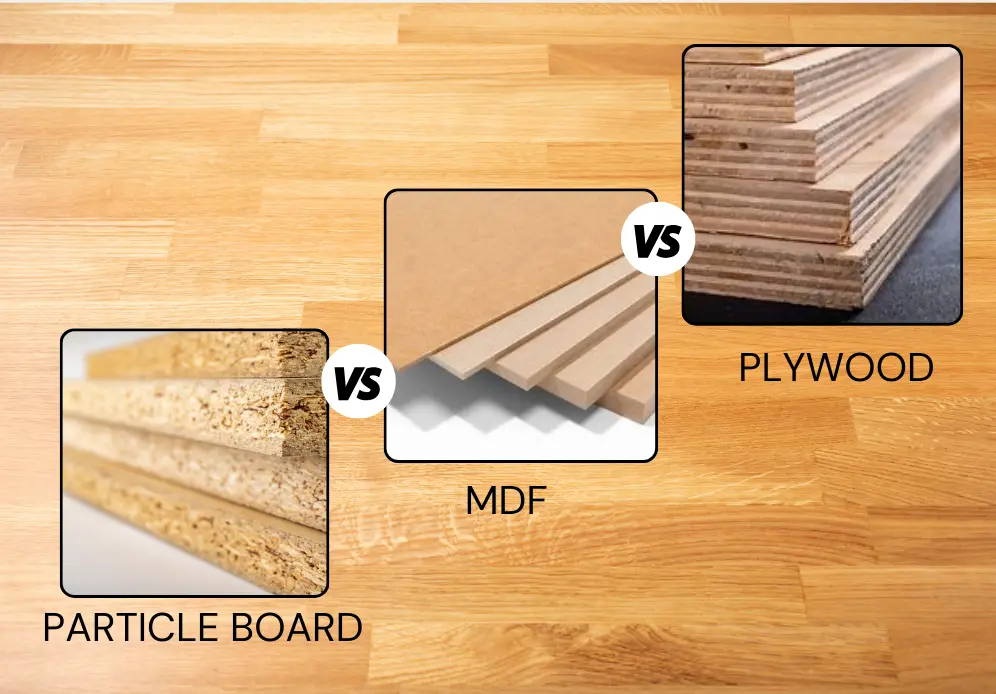
Panel furniture sourcing is rarely “one material is best.” EU buyers compare across:
- Strength & screw-holding
- Weight and shipping cost
- Finish quality and edge durability
- VOC/formaldehyde expectations
- Consistency across batches
Plywood (especially multi-layer / birch or mixed hardwood core)
Why EU buyers like it: better screw-holding and edge strength; often perceived as “more premium” than chipboard.
Trade-offs: cost, veneer variation, and sometimes more careful finishing needs.
MDF (medium-density fibreboard)
Why buyers use it: excellent paint/film finish, smooth surface, stable geometry.
Trade-offs: heavier than plywood, weaker edge screw-holding unless engineered (confirm fastener design and inserts).
Particle Board / Chipboard
Why it sells: best price point, consistent boards, widely used in flat-pack retail.
Trade-offs: edge chipping risk, lower screw-holding, higher sensitivity to moisture if not well sealed.
Surface options EU buyers ask for
- Melamine: cost-effective, consistent colour, good for high-volume SKUs
- Veneer: premium look, more natural variance
- Paint: best for “clean Scandinavian” whites/blacks (white wood bookcase, black bookcases), but needs strict QC and packaging
- Laminate (HPL/CPL): stronger scratch and moisture performance—great for projects and heavy use
Edge banding and “damage economics”
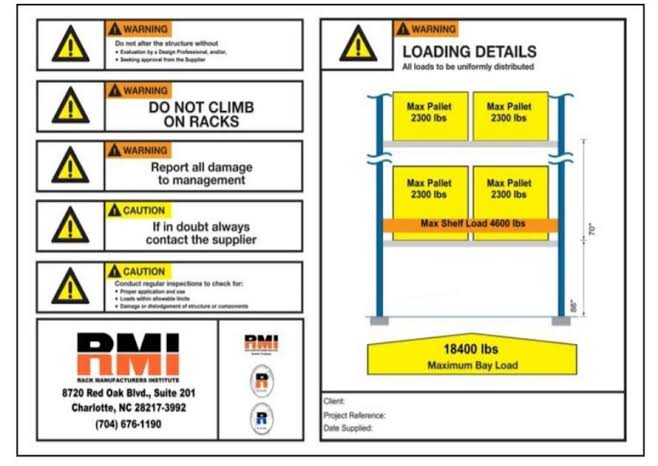
Corner and edge damage is a top complaint in EU parcel delivery. Buyers increasingly ask:
- EVA vs PUR edge banding (PUR tends to be stronger and more heat/moisture resistant)
- Corner protectors and film protection
- Odour control and VOC documentation (especially in Nordics)
EU formaldehyde talk: what buyers actually mean
Many EU buyers ask for E1 (or “E0/E05” depending on market language). They reference chamber test methods such as EN 717-1. APA – The Engineered Wood Association+1
Some procurement bodies explicitly reference thresholds around 0.124 mg/m³ tied to E1 classification contexts. 欧洲议会+1
(Tip for your RFQ: ask for test reports by an accredited lab and confirm whether results apply to the finished panel / finished product context.)
5) Shelf load & structure: how to make a bookcase “stand straight and carry more”
The 4 variables that control shelf sag
- Span (unsupported width)
- Shelf thickness
- Material modulus (plywood vs MDF vs particle board)
- Reinforcement (front edge strip, metal bar, hidden stiffener)
Practical engineering moves that prevent “wobble reviews”
- Add a back panel (or partial back) to create shear resistance
- Use a centre vertical divider for wide bookcases
- Add L-brackets/anti-racking hardware where design allows
- Improve joint design: confirm cam-lock + dowel geometry and drilling accuracy
Buyer-friendly parameter checklist (use in RFQ)
Ask your supplier to confirm:
- Target per-shelf load (e.g., 15 kg / 20 kg / 25 kg)
- Maximum shelf span without reinforcement
- Shelf thickness (e.g., 15/18/25 mm)
- Back panel thickness and fixing method
- Whether adjustable shelves are supported at 4 points (pins) and pin material
What “project buyers” add
For contract programs: specify serviceability—can a single shelf, door, or hardware kit be replaced without dismantling the unit?
6) Safety & compliance in Europe: anti-tip, rounded edges, manuals, and test files
Anti-tip hardware: treat it as a system, not a bag of parts
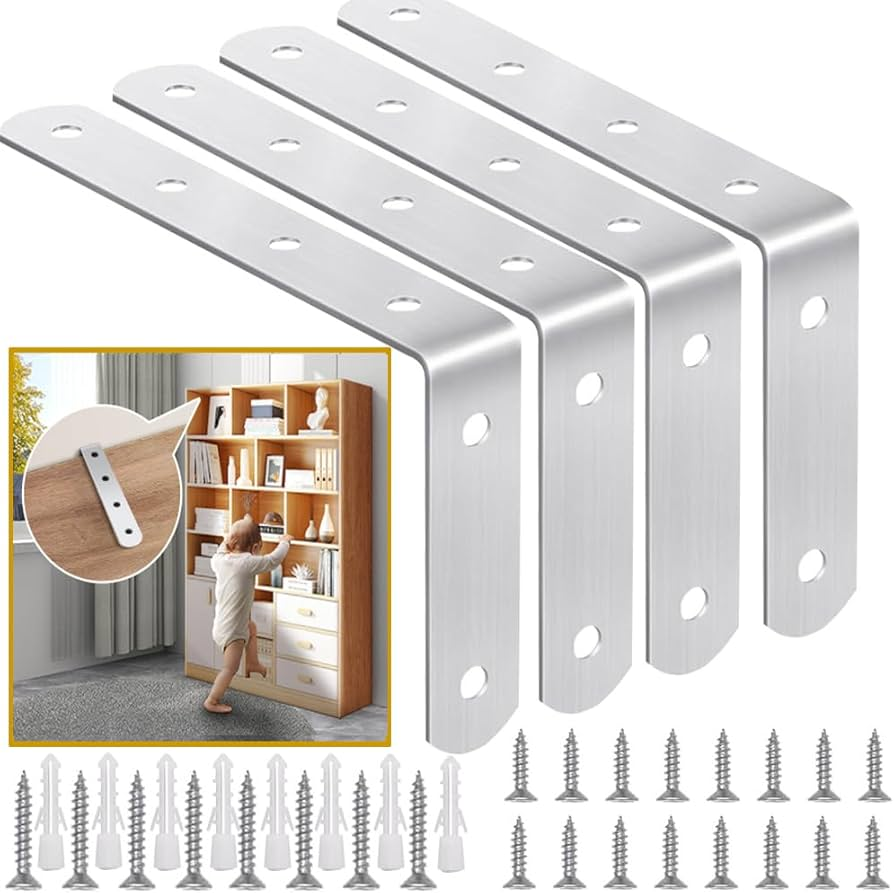
For tall freestanding bookcases, buyers increasingly request:
- Anti-tip kit as standard in the carton
- Clear installation steps + wall type notes (solid wall vs drywall vs masonry)
- Label/warning language in multiple EU languages where required by the buyer’s channel policy
Safety standards for domestic storage furniture often reference stability and warning information. EN 14749 is widely used as a reference point for safety requirements. It is also used for test methods for domestic/kitchen storage units. BSI Group+1
Common tip-over risk scenarios (where claims happen)
- Drawer(s) pulled out—centre of gravity shifts forward
- Thick carpet / uneven floors reduce base contact
- Kids climb on open shelves
- Heavy objects on upper shelves
Documentation EU buyers ask for (typical checklist)
- Assembly manual with warnings + anti-tip instructions
- Labelling / carton marks (SKU, batch, EAN, handling icons)
- Material compliance statements (VOC/formaldehyde, REACH SVHC awareness)
- When asked, suppliers may need to show awareness of REACH Candidate List obligations in supply chains. 欧洲化学品管理局
- For general consumer product safety expectations across the EU, buyers often point to the General Product Safety Regulation (EU) 2023/988. EUR-Lex
(Practical note: many buyers don’t demand a full legal dissertation—they want a clean “tech pack + test plan + traceability” package that makes their compliance team comfortable.)
7) RTA / Flat-pack packaging: the fastest lever to reduce damage rate
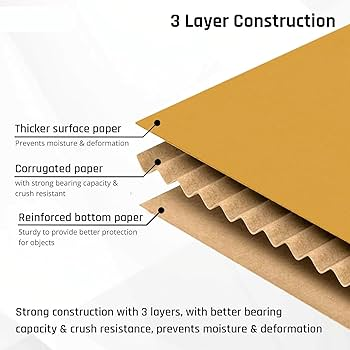
Why EU logistics punishes weak packaging
EU e-commerce relies heavily on parcel networks, multi-touch handling, and returns cycles. Bookcases are vulnerable because cartons are:
- long and flat (edge crush risk)
- heavy (drop energy)
- corner-sensitive (cosmetic damage)
Packaging architecture that reduces claims
- Reinforced corners (moulded pulp, honeycomb, or hard corner blocks)
- Honeycomb paper / corrugated pads between panels
- Foam or EPE where finish is fragile (paint/high gloss)
- Separate compartment for hardware to prevent “missing screws”
- Scratch-protection film on visible parts
Testing language buyers recognise
When EU buyers say “tested packaging,” they often mean something aligned with ISTA-style simulation. ISTA publishes packaged-product test procedures (e.g., parcel delivery simulation like Procedure 3A). ista.org+1
Suggested packaging KPIs (use in your RFQ)
- Carton compression strength target (supplier to propose based on stack)
- Drop test height & sequence (supplier to define)
- Spare parts ratio (e.g., +1–2% hardware kits per batch)
- Clear replacement part process (photos + batch code + response time)
For EU-wide consumer product safety context, review the official text of the General Product Safety Regulation:
- Regulation (EU) 2023/988 (EUR-Lex): https://eur-lex.europa.eu/eli/reg/2023/988/oj/eng
For domestic storage safety and test scope often referenced by buyers, see EN 14749 resources:
- BS EN 14749 overview (BSI): https://landingpage.bsigroup.com/LandingPage/Standard?UPI=000000000030407319
- EN 14749 update notes (CATAS): https://catas.com/uploads/media/catas-the-standard-en-14749-fpra-12021.pdf?v3.4=
For formaldehyde emission testing method commonly referenced in EU panel discussions:
- BS EN 717-1 summary (APA Wood Europe PDF): https://apawood-europe.org/wp-content/uploads/2022/12/APA_WOOD_PDF_Standard-31_BS-EN-717-1.pdf
For packaging simulation test procedures used by many e-commerce and parcel programs:
- ISTA Test Procedures (ISTA): https://ista.org/test_procedures.php
For responsible wood sourcing documentation used in EU tenders and retail programs:
- FSC Chain of Custody certification (FSC): https://fsc.org/en/chain-of-custody
For REACH SVHC awareness and supplier obligations, consult the official Candidate List:
- ECHA Candidate List (SVHC): https://www.echa.europa.eu/candidate-list-table
8) Assembly experience: the hidden driver of EU reviews and returns
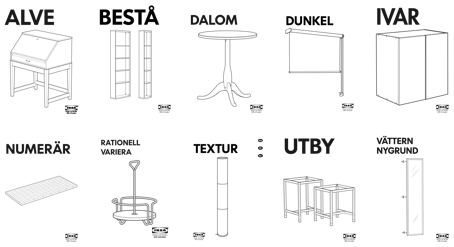
What causes 1-star reviews (and how to engineer it out)
- Confusing manuals → add step diagrams, part IDs, and a QR video
- Misaligned holes → tighten drilling tolerance and QC checkpoints
- Too many fasteners → consider quick-assembly fittings for e-commerce lines
- Poor stability after assembly → add back panel or anti-racking features
Assembly targets EU sellers like
- Single-person assembly: realistic for compact shelves
- Two-person recommended: tall/wide bookcases
- Average assembly time: 25–45 minutes depending on size & doors
Hardware choices (pros and cons)
- Cam lock + dowel: fast, standard for RTA
- Confirmat screws: strong but less “consumer friendly”
- Inserts + machine screws: stronger, better for serviceability, slightly higher cost
9) Style & best-selling trends: EU buyer logic (not just “what looks good”)
Popular EU aesthetics (2025-friendly)
- Modern minimal / Scandinavian
- Soft geometry and rounded edges (safety + premium feel)
- Mixed materials: wood + metal frames (industrial)
- Corner solutions (black corner bookcase, compact L-runs)
- Glass door variants for premium retail (protects from dust, adds perceived value)
- Optional LED strips (project upgrades—confirm electrical compliance if offered)
Channel-based product strategy
E-commerce SKUs (Amazon bookcases / Wayfair bookcases behaviour):
- lighter cartons, faster assembly, fewer parts, strong edge protection
Retail SKUs:
- better surface feel, consistent colour lots, “showroom-ready” finishing
Project SKUs (hospitality/apartments):
- durability upgrades, easy maintenance, spare parts support, repeatability
10) OEM/ODM cooperation guide (the section EU buyers read first)
A simple workflow buyers trust
- Requirement brief (size, style, market, target price, order volume)
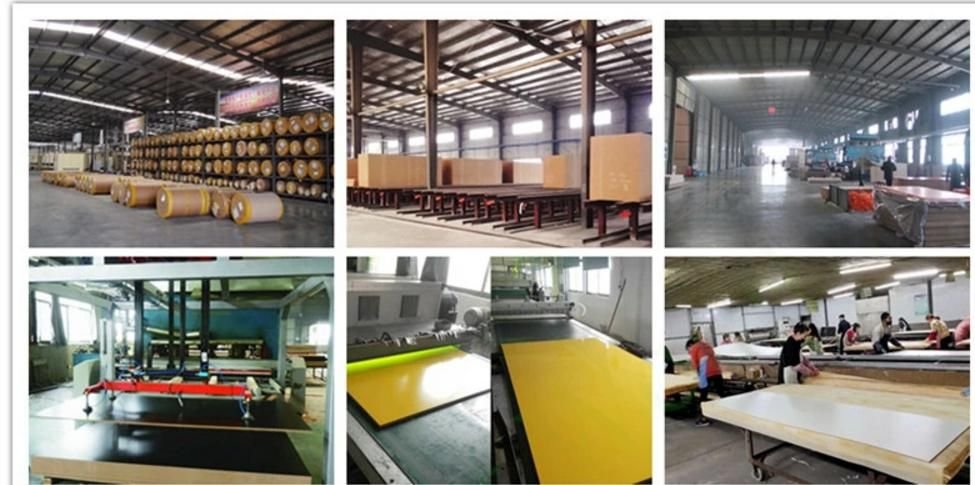
- Engineering + drawings (confirm shelf loads, stability plan, packaging plan)
- Sampling (colour/finish + assembly test + packaging test)
- Golden sample approval
- Mass production (with QC checkpoints)
- Pre-shipment inspection + carton verification
- Shipment + spare parts plan
If you position as a flat-pack OEM/ODM supplier, it helps to be transparent about typical commercial terms. For example, some suppliers share baseline programs. These programs include MOQ from ~200 sets/SKU. They also mention lead times around 35–45 days after golden sample for storage categories. Flat-Pack Furniture Manufacturer
Many describe a service scope. This scope covers private label, wholesalers, and project buyers. They offer engineered panels and hardware kits for RTA cartons. Flat-Pack Furniture Manufacturer
What EU buyers expect you to confirm early
- MOQ & lead time ranges
- What’s customisable: colour, finish, handles, feet, packaging, labelling
- QC plan: incoming material, first article, in-line, pre-shipment
- Packaging spec: carton size, internal protection, drop/stack logic
- Compliance file list: what you can provide by default vs on request
11) FAQ
What is the difference between a bookcase and a bookshelf?
A bookcase is usually a full-height freestanding unit. It is designed to hold larger volumes. It often requires stability engineering. A bookshelf is typically smaller and lighter. It is optimised for easy shipping and assembly. “Book shelving” often refers to systemised or wall-mounted shelving runs.
What depth is best for books and binders?
For books: 220–280 mm works. For A4 binders: aim for 300–330 mm to avoid overhang and instability.
How much weight can each shelf hold?
It depends on span, thickness, material, and reinforcement. Ask your supplier for a per-shelf load rating and max span without reinforcement.
Do I need anti-tip hardware?
For tall, narrow freestanding bookcases—yes, it’s best practice, especially for family/kids environments and many EU retail channels.
Plywood vs MDF: which is better for a bookcase?
Plywood often offers stronger screw holding and edges; MDF offers smoother painted finishes. The best choice depends on target price, finish, and load.
How to reduce shipping damage for flat-pack bookcases?
Use reinforced corners, panel separators, protected hardware kits, and consider ISTA-style test logic for parcel shipments. ista.org
What’s a typical MOQ and lead time for OEM/ODM?
Programs vary by factory and material/finish. Many panel-furniture exporters set baseline MOQs per SKU and confirm lead time after golden sample approval. Flat-Pack Furniture Manufacturer+1
12) CTA (European B2B inquiry)
Send us your target size/style + market (EU country) + estimated order volume to receive:
- a recommended structure & material spec
- a packaging proposal for EU parcel / pallet networks
- sampling timeline + OEM/ODM quote range
Target Markets
Germany, France, Netherlands, Belgium, Spain, Italy, Sweden, Denmark, Norway, UK, Ireland, Poland, Czech Republic