The Ultimate Guide to Bedroom Wardrobe Closets for Modern Homes (B2B Edition)
Table of Contents
- Introduction: Why Bedroom Wardrobe Closets Matter in 2025
- What Is a Bedroom Wardrobe Closet?
- Standard Sizes and Configurations
- Hanging Space vs Shelves vs Drawers
- Material Options for OEM/ODM Production
- Special Wardrobe Types for Small and Niche Spaces
- Quality, Safety and Sustainability Standards
- How OEM & ODM Services Help You Build a Complete Wardrobe Line
- Practical Checklist for B2B Buyers and Project Clients
- Conclusion
- FAQ
1. Introduction: Why Bedroom Wardrobe Closets Matter in 2025
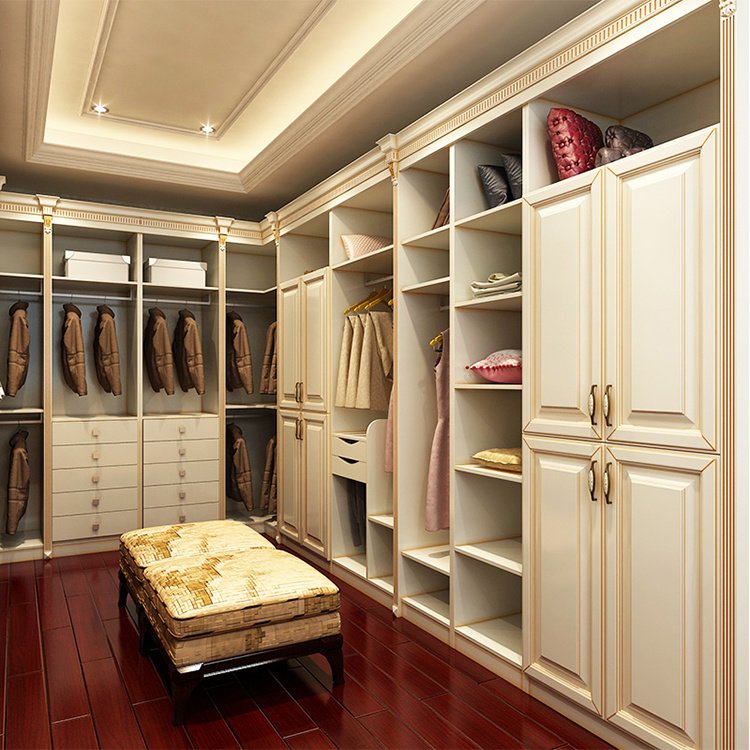
For any modern home, hotel or rental apartment, the bedroom wardrobe closet is no longer “just a cabinet”. It is a storage system, a design statement, and—on the B2B side—a high-margin product category that can define your brand.
Online shoppers searching for bedroom wardrobe closet, modern wardrobe closet or affordable wardrobe closet expect furniture that is:
- compact but spacious inside
- easy to assemble or install
- visually aligned with trends (white, wood, modern, or vintage)
- produced with safe, low-emission materials and reliable hardware
For project clients such as hotels, student housing, or build-to-rent apartments, wardrobe closets are a major CAPEX item. They must balance design, durability, cost, and sustainability.
This guide covers everything from basic definitions to OEM/ODM cooperation. You will be able to brief your manufacturer clearly. You can also build a profitable wardrobes closet collection.
2. What Is a Bedroom Wardrobe Closet?
Simply put, a bedroom wardrobe closet is a piece of furniture. It is designed to store hanging clothes. It also holds folded garments and personal items in a bedroom. However, in the furniture industry, buyers use many overlapping terms:
2.1 Wardrobe Closet vs Armoire vs Built-In
- Wardrobe closet / wardrobes closet / closet wardrobes
Free-standing units, usually rectangular, with hanging space, shelves and sometimes drawers. These are the typical wardrobe wooden closet products sold by online brands and retailers. - Closet armoire wardrobe / wardrobe armoire closet / armoires wardrobe closets
These are more decorative. They often feature crown moulding, feet, and paneled doors. These bedroom armoire wardrobe closet styles suit traditional or vintage interiors and often use wood wardrobe closet or veneer looks. - Built in wardrobe closet
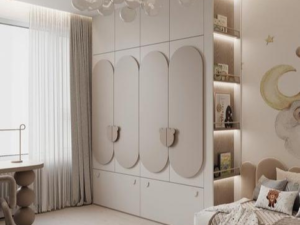
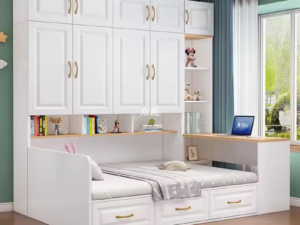
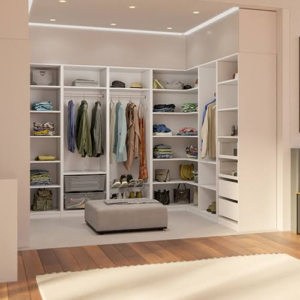
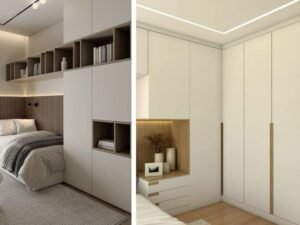
These are installed from wall to wall or floor to ceiling. They are often customized on site or supplied as project modules. Popular in high-end apartments and hotels to maximize space.
On B2B projects, you may combine all three. Use built-in wardrobes for master bedrooms. Choose standard small wardrobe closet units for secondary rooms. Consider portable closet wardrobe solutions for flexible spaces or serviced apartments.
3. Standard Sizes and Configurations
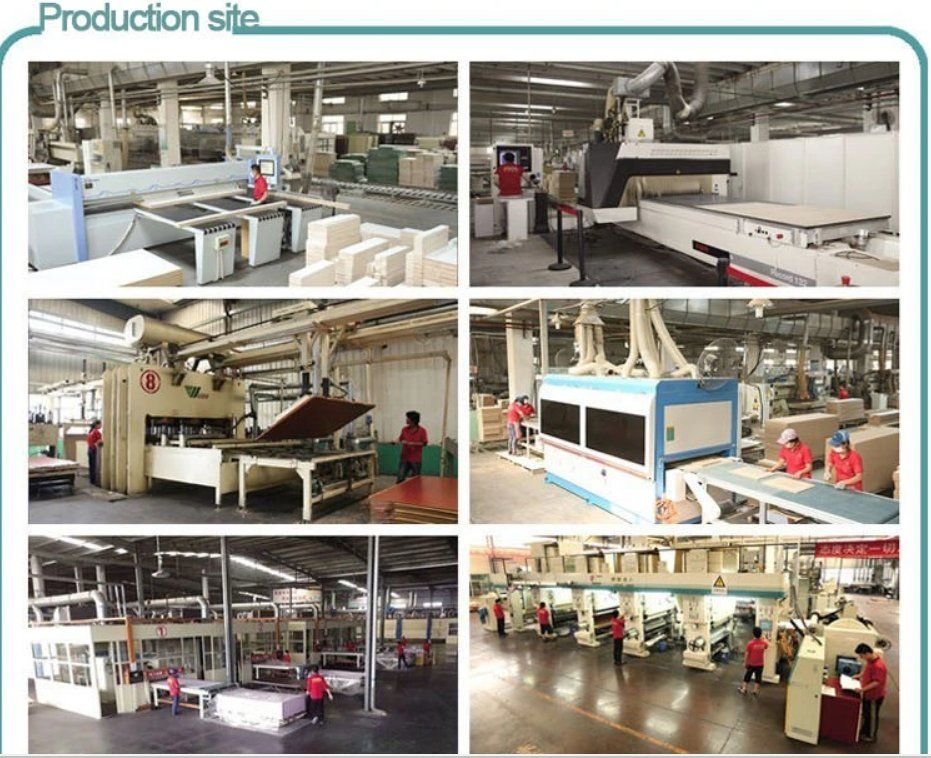
Understanding standard sizes makes your brief more efficient and helps your OEM manufacturer optimize panel cutting and carton dimensions.
3.1 Typical Heights, Widths and Depths
For a free-standing wardrobe closet for hanging clothes, global norms are:
- Height: 1800–2400 mm
- Width:
- short wardrobe closet: 600–800 mm
- single: 800–1000 mm
- narrow wardrobe closet: 900–1200 mm
- double: 1200–1600 mm
- triple: 1600–2400 mm
- Depth:
- standard: 550–650 mm
- compact: 450–500 mm (for super small rooms or portable closet wardrobe lines)
Built-in wardrobe closets for hotels and apartments often follow similar depths. However, they may run full wall length to integrate a TV, desk, or luggage bench.
3.2 Single, Double and Triple-Door Units
Common configurations include:
- 1-door small wardrobe closet (often with more shelves than hanging space)
- 2-door modern wardrobe closet (standard for many bedrooms)
- 3-door wardrobe closet with drawers (ideal for families or project units)
A modular OEM program can offer several widths using shared internal parts, reducing tooling costs and simplifying your inventory.
3.3 Sliding vs Hinged Doors
- Hinged doors
- Cheaper hardware
- Easy access to the whole compartment
- Requires clear swing space—an issue in very tight bedrooms
- Sliding doors
- Better for small rooms where beds are close to the wardrobe
- Sleeker look for white wardrobe closet or wood wardrobe closet designs
- More sensitive to installation accuracy and track quality
Designers often recommend sliding doors or mirrored fronts in compact bedrooms to visually enlarge the room and keep circulation clear.
4. Hanging Space vs Shelves vs Drawers
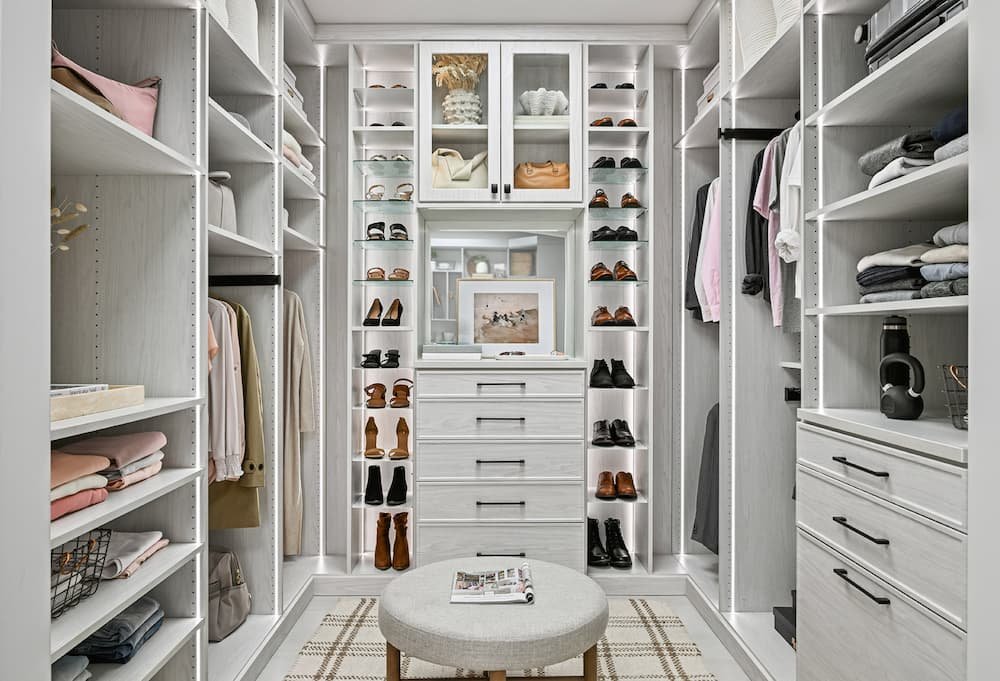
The success of any wardrobe closet drawers design is decided inside, not outside.
4.1 Typical Internal Ratios
As a starting point for a standard bedroom:
- Hanging clothes: 50–60%
- Shelves: 25–35%
- Drawers: 10–20%
Within hanging areas, aim for:
- Long hanging (dresses, coats) – clear height ≥ 1300 mm
- Short hanging (shirts, jackets) – clear height 900–1000 mm
These numbers can be tuned for each market. For example, markets with warm climates and more hanging garments may need bigger wardrobe closet for hanging clothes sections. Student housing might benefit from more shelves and fewer drawers.
4.2 Designing for Different Markets
- E-commerce & mass retail
Buyers searching “wardrobe closet Walmart” or “affordable wardrobe closet” expect good internal storage but simple fittings. Stick to basic hanging rails, adjustable shelves and a few drawers. - Hotels & serviced apartments
Need durable hanging rails, suitcase space at the bottom, and often a safe or minibar niche. A compact bedroom wardrobe closet can integrate open luggage shelving. - Student housing & co-living
Focus on short wardrobe closet modules with integrated desk, bookcase or storage bed. Drawers must handle heavy use; consider metal box drawers or high-quality runners.
Thoughtful layouts also support better closet organization, a point many interior designers emphasize for small spaces.
5. Material Options for OEM/ODM Production
Your material choices drive cost, durability, environmental profile and perceived quality.
5.1 MDF, Particleboard and Plywood
For panel wardrobes, three core substrates dominate:
- Particleboard (chipboard)
- Best cost performance for affordable wardrobe closet lines
- Works well with melamine or laminate surfaces
- Ideal for large-volume wardrobe wooden closet and wood closets wardrobes programs
- MDF
- Smooth surface for painted or PVC-wrapped doors
- Good for white closet wardrobe and white armoire wardrobe closet designs
- Slightly heavier; needs moisture-resistant grades in humid climates
- Plywood
- Higher strength and screw-holding for long-life wooden armoire wardrobe closet or antique wardrobe closet styles
- Useful where sustainability or “real wood” perception matters
In parallel, material selection should consider indoor air quality. Formaldehyde emissions from composite wood products are regulated in many markets; low-emission boards help reduce health risks related to VOCs.
5.2 Finishes, Colors and Styles
You can address many of your long-tail keywords via finish strategy:
- White wardrobe closet / white closet wardrobe
High-gloss or matte white fronts are often MDF or melamine. They give a clean modern look. They pair easily with any wall color. - Wood wardrobe closet / wardrobe wooden closet
Oak, walnut or ash decors create warmth. They are available in either veneer or realistic melamine. These materials sell well in both retail and projects. - Vintage wardrobe closet / antique wardrobe closet
Distressed paints, framed doors, turned legs, and decorative handles make armoires attractive. These wardrobe closets draw attention with their aesthetic features. - Modern wardrobe closet
Handle-less fronts, integrated profiles and mix-and-match colors build a contemporary collection for urban apartments.
A strong OEM partner can show you color trend boards. They can help you select 6–10 core finishes. These finishes should cover your main markets without over-complicating inventory.
6. Special Wardrobe Types for Small and Niche Spaces
To capture niche traffic and project opportunities, consider adding these SKUs to your program:
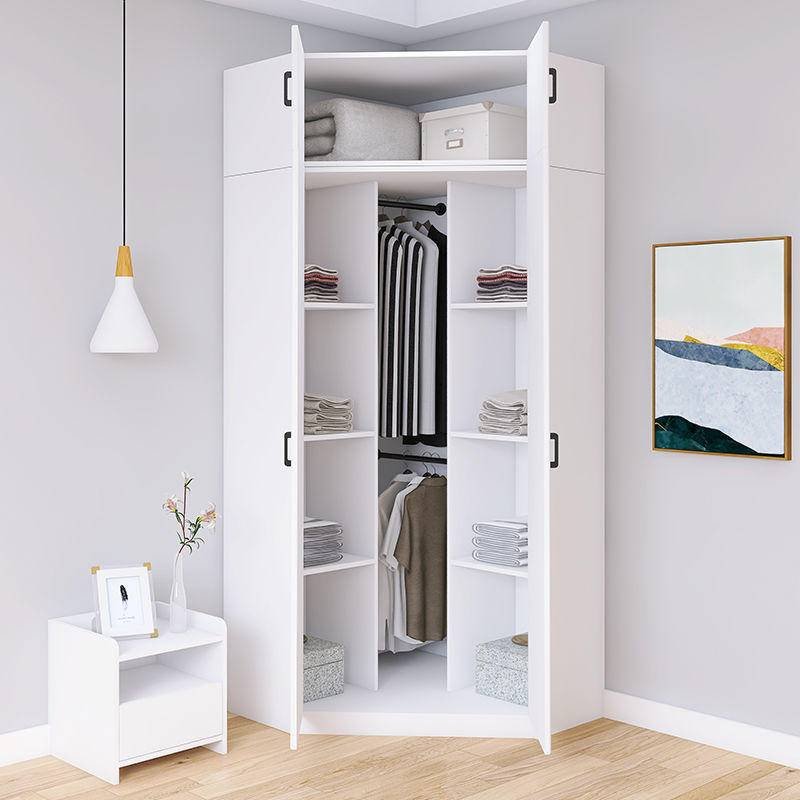
- Corner wardrobe closet
L-shaped units that connect two walls, ideal for small bedrooms or lofts. - Narrow wardrobe closet
Depth 45–50 cm, used in tight corridors or micro-apartments. - Portable closet wardrobe
Lightweight flat-pack designs that move easily—popular in student and rental markets. - Bedroom armoire wardrobe closet
Statement pieces for boutique hotels or traditional homes. - Wardrobe closet drawers modules
Drawer chests designed to integrate under hanging spaces or act as add-on units.
Offering a mix of these special types helps your catalogue respond to real search behaviour. It caters to requests ranging from small wardrobe closet to bedroom armoire wardrobe closet and wooden armoire wardrobe closet.
7. Quality, Safety and Sustainability Standards
Professional B2B buyers increasingly ask about certifications and compliance.
- Indoor Air Quality & Formaldehyde
Authorities like the U.S. Environmental Protection Agency (EPA) provide guidance on formaldehyde emissions from building materials and furniture. They explain their health impacts and underline the need for low-emission boards and proper ventilation. - Sustainable Wood (FSC®)
The Forest Stewardship Council (FSC) promotes responsibly sourced wood for furniture. It has dedicated programs and awards for FSC-certified furniture makers. Using FSC-certified boards for your wood wardrobe closet range strengthens ESG credentials. - Furniture Sustainability Standards (BIFMA e3)
The ANSI/BIFMA e3 Furniture Sustainability Standard provides a framework for assessing environmental performance. It also evaluates social performance across the furniture lifecycle. It is widely referenced by office and contract furniture buyers. - Quality Management (ISO 9001)
ISO 9001 is the most recognized quality management standard. International buyers frequently require it to ensure consistent production and process control in furniture factories. - Third-Party Quality Control
Independent inspection companies offer pre-shipment inspections, factory audits, and testing. They help brands and project clients verify quality and compliance. This is especially useful when working with overseas OEM factories.
Highlighting these practices in your product pages and RFQ documents reassures buyers. It ensures that your wardrobes closet program is reliable. It is safe and future-proof.
8. How OEM & ODM Services Help You Build a Complete Wardrobe Line
If you are a furniture brand, wholesaler or project developer, you rarely want only one SKU. You need a coherent wardrobe program that can scale.
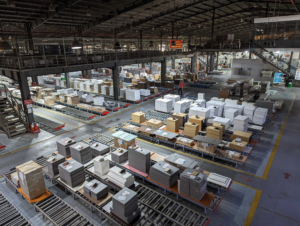
Professional manufacturers like Starwood provide OEM & ODM flat-pack furniture manufacturing specifically for wardrobes, storage beds and matching case goods.
8.1 OEM: You Lead the Design
With OEM (Original Equipment Manufacturing):
- You supply drawings or reference products for your custom wardrobe closet line. This includes white wardrobe closet, wood wardrobe closet, or built in wardrobe closet modules.
- The factory engineers the construction, panel sizes and hardware.
- Prototypes are produced, tested and approved.
- Mass production starts with agreed packaging, labels and documentation.
OEM is ideal if you already have a design language. You need a manufacturer who can meet your cost, quality, and delivery targets.
8.2 ODM: The Factory Provides Designs
With ODM (Original Design Manufacturing):
- The factory proposes ready-developed wardrobe ranges: modern wardrobe closet, vintage wardrobe closet, portable closet wardrobe etc.
- You can customize colors, handles, internal layouts and sometimes dimensions.
- Products are branded under your label and launched faster, with lower design investment.
ODM is well suited to retailers expanding their closet wardrobes category or new brands going to market quickly.
8.3 Services to Expect from a Strong OEM/ODM Partner
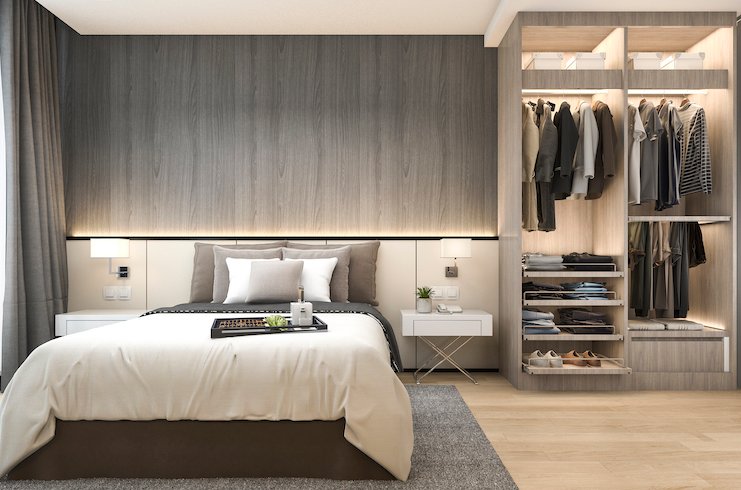
A serious wardrobe manufacturer should offer:
- Concept and CAD support for bedrooms, hotels and apartments
- Flat-pack engineering to optimize container loading and reduce freight cost
- Packaging design that survives e-commerce supply chains
- 100% or AQL-based quality checks, with detailed reports
- Flexible MOQs for new collections and higher volumes for core SKUs
- Support for sustainability documentation (FSC, low-emission boards, etc.)
This end-to-end service allows you to build a complete bedroom wardrobe closet program. It includes matching beds, nightstands, and TV units. You won’t need to manage multiple suppliers.
9. Practical Checklist for B2B Buyers and Project Clients
Before you brief your wardrobe OEM, prepare answers to these questions:
- Target users & channels
- Retail, e-commerce, “wardrobe closet Walmart”–style mass market, or hospitality projects?
- Core product mix
- Free-standing wardrobes closet, built in wardrobe closet modules, or both?
- Which special types: corner wardrobe closet, narrow wardrobe closet, portable closet wardrobe?
- Size grid
- Heights, widths and depths for each SKU, including short wardrobe closet versions.
- Internal layouts
- Ratio of hanging, shelves and drawers; need for shoe racks, pull-out accessories etc.
- Materials and finishes
- Board types (MDF, particleboard, plywood), edge thickness, finish options (white, woodgrain, two-tone).
- Hardware choices
- Hinges (soft-close or standard), drawer slides, handles, wardrobe rods.
- Regulatory & certification needs
- FSC, low-formaldehyde grades, ISO 9001, any country-specific standards.
- Packaging & logistics
- Maximum carton size and weight, flat-pack level, assembly instructions and spare parts.
- Quantity & rollout plan
- Sample quantities, launch order, forecast volumes and replenishment strategy.
When both sides share this level of detail, the collaboration between OEM and ODM becomes smoother. This ensures your wardrobe program is more likely to launch on time and on budget.
10. Conclusion
The right bedroom wardrobe closet is not just another box with doors. It is a carefully engineered product. It must satisfy end users, installers, retailers, and project owners simultaneously.
By understanding:
- the differences between wardrobe, armoire and built-in systems
- standard sizes and configurations
- smart internal layouts for hanging, shelving and drawers
- suitable materials, finishes and sustainability standards
- and the role of OEM & ODM wardrobe manufacturing
…you can create collections that look good and function well. These collections profitably serve markets from compact city apartments to global hotel chains.
Your next launch could be a minimalist white wardrobe closet. It could be a warm wood wardrobe closet line. Alternatively, it could be a full set of armoires wardrobe closets for traditional interiors. You need a strong OEM/ODM partner. You require a strong OEM/ODM partner. This partner can turn your concept into a reliable product family.
3. FAQ Section
Q1. What is the difference between a wardrobe closet and a bedroom armoire?
A wardrobe closet is usually a simple, rectangular storage unit focused on efficiency. In contrast, a bedroom armoire wardrobe closet has more decorative details. These details include mouldings, legs, and framed doors. Armoires are often used in traditional or vintage interiors, whereas modern wardrobe closets suit contemporary apartments.
Q2. How deep should a wardrobe closet be for hanging clothes?
For comfortable hanging of shirts, jackets and dresses, most designers recommend a depth of 550–650 mm. In very tight rooms, you can use a compact depth of around 450–500 mm. This strategy works best for short garments only.
Q3. Which material is best for an affordable wardrobe closet?
For large-volume and affordable wardrobe closet programs, melamine-faced particleboard is often the best balance of cost and performance. Higher-end lines or heavy-duty project wardrobes might use MDF for painted fronts. They might also use plywood for stronger structures and better screw holding.
Q4. Are built-in wardrobe closets better for hotels and apartments?
Built-in wardrobe closets maximize wall space and create a cleaner, custom look, which is attractive for hotels and high-end apartments. However, free-standing wardrobes may be more flexible for rentals and serviced apartments where future re-layout is expected.
Q5. How can OEM & ODM services help a small furniture brand?
OEM & ODM wardrobe services let small brands access professional design engineering, production and packaging without owning a factory. You can start with lower MOQs. Use the factory’s existing designs, or share your own sketches. Over time, grow from a few SKUs to a complete bedroom collection as your sales increase.