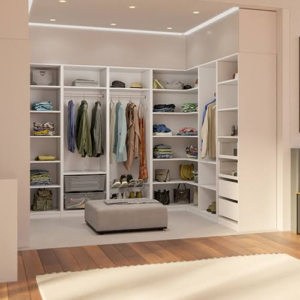
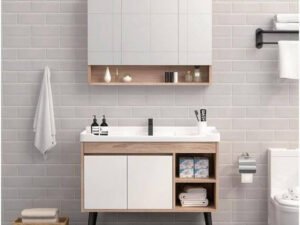
A bathroom vanity is more than just a sink cabinet. It’s the centerpiece of your bathroom, combining style, functionality, and storage. Choosing the right one can feel overwhelming with so many options available. This ultimate guide will walk you through key considerations. These include size, material, style, and storage. These factors will help you make the perfect choice for your home.
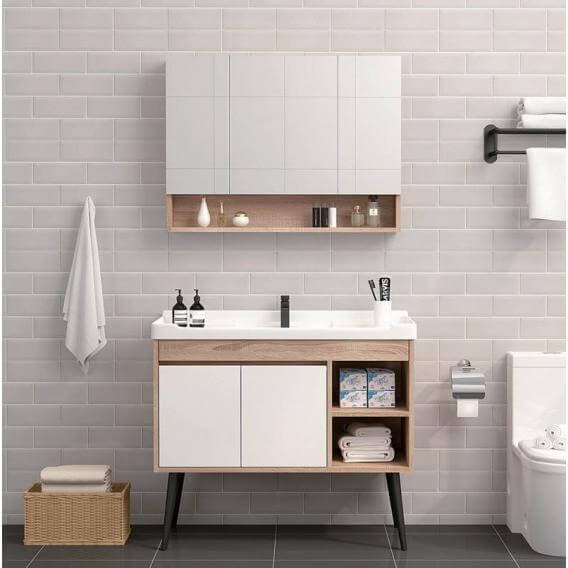
Step 1: Measure Twice, Buy Once – Getting the Size Right
The first and most crucial step is to determine the correct size for your vanity.
· Measure Your Space: Note the width, depth, and height of the area where the vanity will be placed. Don’t forget to account for door swings and walkways!
· Standard Sizes: Vanities typically range from 24 to 72 inches in width. A small or powder room might suit a sleek 24″-30″ vanity. A master bath can accommodate a larger 60″+ double-sink model.
· Consider the Layout: Think about how the vanity will fit with your toilet, shower, and bathtub. A wall-hung (floating) vanity can make a small bathroom feel more spacious.
Pro Tip: Always leave a little “wiggle room” in your measurements to ensure a smooth installation.
Step 2: The Material Matters – Why Waterproof MDF is the Smart Choice for Modern Bathrooms
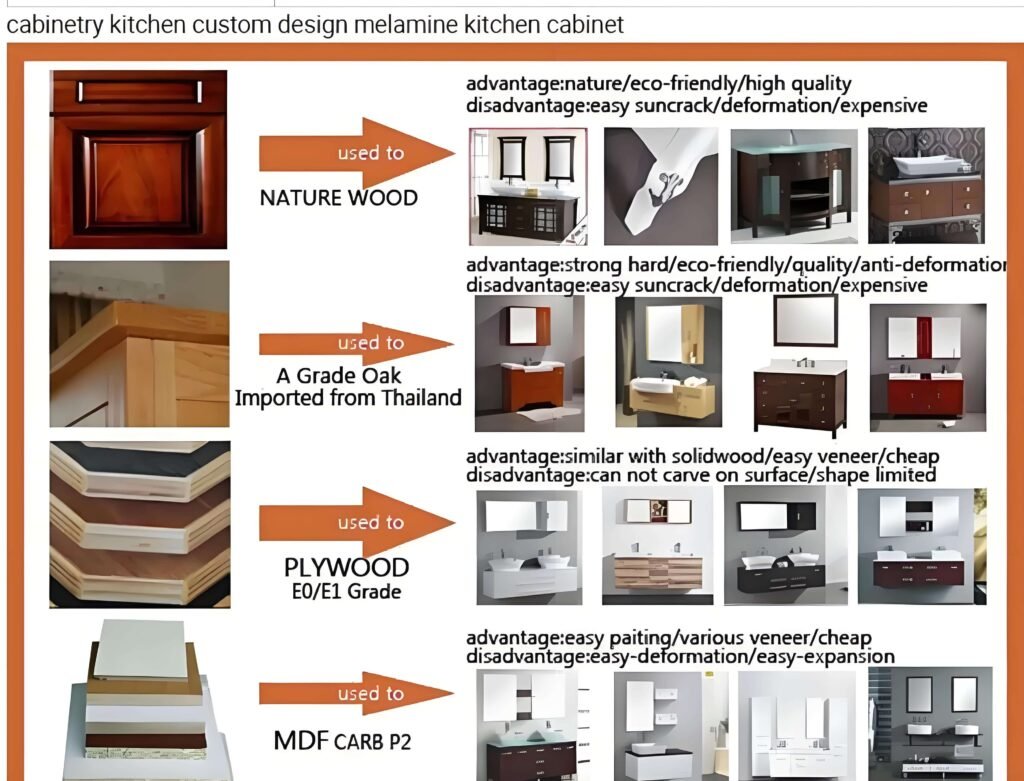
The material of your vanity determines its durability, appearance, and resistance to moisture—the biggest challenge in any bathroom. As a leading bathroom cabinet manufacturer, we specialize in high-quality, innovative materials.
While solid wood is a classic choice, it can be prone to warping and cracking in humid environments. This is where engineered materials shine, especially Waterproof MDF (Medium-Density Fiberboard).
Plan with trusted layout guidance. For safe, ergonomic clearances, reference the NKBA’s Bathroom Planning Guidelines. See recommended sink, door, and walkway dimensions to avoid costly rework. NKBA Bathroom Planning Guidelines (PDF). media.nkba.org
Why Choose Waterproof MDF?
· Superior Moisture Resistance: Unlike standard MDF or wood, waterproof MDF is engineered with resins. These resins make it highly resistant to water absorption. It also resists swelling. It won’t warp or deteriorate in steamy bathroom conditions.
· Exceptional Durability: It provides a stable and robust core for your vanity, ensuring it lasts for years.
· A Perfect Canvas for Finishes: It offers a perfectly smooth surface. This surface is ideal for a variety of laminate, veneer, or painted finishes. This allows for a high-end look at a more accessible price point.
· Eco-Friendly: Many Waterproof MDF boards are made from sustainable wood sources.
Specify healthy materials. If your vanity uses composite wood (plywood/MDF/particleboard), verify compliance with U.S. EPA TSCA Title VI formaldehyde limits and keep records per 40 CFR Part 770.
Material Comparison Table
| Material | Pro | Cons | Best For |
| Solid Wood | Natural beauty, very durable, can be refinished | Expensive, can warp/crack with moisture changes, high maintenance | Traditional, dry bathrooms where authenticity is key |
| Plywood | Strong, stable, more moisture-resistant than standard wood | Edges need finishing, can still be damaged by prolonged water exposure | Budget-conscious projects needing good structural strength |
| Standard MDF | Smooth surface, affordable, paintable | Not water-resistant, swells and breaks down with moisture | Not recommended for bathrooms |
| Waterproof MDF | Excellent moisture resistance, durable, stable, affordable, wide range of finishes | Cannot be refinished like solid wood | Modern bathrooms, high-humidity environments, value-seeking homeowners |
Step 3: Define Your Style – Finding Your Aesthetic
Your vanity should reflect your personal style and complement the overall design of your home.
· Modern/Contemporary: Characterized by clean lines, flat-panel doors, and minimalist hardware. Think glossy finishes and neutral colors.
· Transitional: A blend of traditional and modern elements. It often features simple, yet elegant detailing and versatile finishes like shaker-style doors.
· Industrial: Raw materials like metal and reclaimed wood, with exposed pipes and utilitarian hardware.
· Coastal/Farmhouse: Light colors, shaker or beadboard styles, and open shelving create a warm, inviting feel.
Choose durable cabinetry. Ask suppliers to design and test to the intent of ANSI/KCMA A161.1 for kitchen & vanity cabinets—covering door/drawer cycling, impact, and finish resistance.
Choose a style that you will love for years to come.https://plywoodmfr.com/shop/
Step 4: Don’t Compromise on Storage – Assess Your Needs
A beautiful vanity is useless if it doesn’t meet your storage needs.
· Single Sink vs. Double Sink: Double vanities offer more counter space and storage but require a larger footprint.
· Drawers vs. Cabinets: Deep drawers are excellent for organizing hair tools and toiletries, while cabinets can hide taller items like cleaning supplies.
· Internal Organization: Look for vanities with soft-close mechanisms, built-in dividers, and adjustable shelves.
· Open Shelving: Offers a place to display towels or decorative items, but can look cluttered if not organized.
Conserve water without sacrificing performance. Pair vanities with faucets that meet EPA WaterSense specifications to reduce flow while maintaining usability.
Your Perfect Vanity Awaits
Choosing the perfect bathroom vanity involves balancing practicality with design. Consider the size of your vanity carefully. Opt for a durable and moisture-resistant material like Waterproof MDF. Select a style you love. Ensure there is adequate storage. By doing this, you can transform your bathroom into a functional and beautiful retreat.
As a leading bathroom vanity manufacturer, we offer a wide range of customizable options to meet these exact needs.OEM&ODM
FAQ

Q1. What size bathroom vanity should I choose?
Match vanity width to the room or alcove size. Follow NKBA clearances around doors, drawers, and fixtures. This prevents collisions and tight walkways. media.nkba.org
Q2. Wall-hung or freestanding—what’s better?
Wall-hung saves floor space and eases cleaning; freestanding is simpler to install and suits uneven walls. Both are fine if anchored and leveled correctly.
Q3. Which cabinet material lasts longest in humid bathrooms?
Sealed plywood offers excellent screw-holding and rigidity. MR-grade MDF is great for painted profiles. This is true if edges and cutouts are fully sealed. Ensure composite wood meets TSCA Title VI.
Q4. Do finishes really matter?
Yes—ask for water/chemical resistance data and cycle tests aligned with ANSI/KCMA A161.1 to avoid swelling, peeling, and early wear. kcma.org
Q5. What countertop/sink combo is safest for DIY installs?
Integrated tops (ceramic/cast marble/solid surface) reduce seams and leaks; factory-precut quartz with under-mount basins is premium but needs careful handling.
Q6. How do I pick water-saving faucets that still feel good?
Look for the WaterSense label; it certifies efficiency and performance criteria for lavatory faucets and accessories.
About Us
Starwood is an OEM/ODM panel-furniture exporter specializing in bathroom vanities, storage cabinets, and flat-pack furnishings. We combine compliant materials (TSCA Title VI), durability by design (aligned with ANSI/KCMA A161.1), and consistent quality to help retailers, distributors, and project buyers ship reliable products with fewer returns. Talk to us for private-label options, flexible MOQs, and rapid sampling.