
If you search “Furniture manufacturer” or “furniture from manufacturer”, you’ll encounter two very different sourcing routes. You can buy factory direct. Alternatively, you can buy through a trading company (also called a trader, sourcing agent, or export company). Most buyers assume the difference is simply “a few points” on price.
In real B2B procurement, several factors influence the total cost of ownership (TCO) beyond the ex-works unit price. This is especially true for hotel, apartment, and large residential projects. These factors include material volatility, factory capacity risk, and sampling failure. Additionally, rework, shipment delays, compliance gaps, claims handling, and replenishment speed also play significant roles.

This article breaks down the real cost gap. It explains when a trader genuinely adds value. It also gives you a four-step control framework (communication, sampling, inspection, delivery). Finally, we’ll cover a Middle East-friendly factory-direct delivery model designed for phased projects and fast spare-part replenishment.
Table of Contents
- Why “price per piece” lies in B2B sourcing
- Price difference is not “a few points”: a TCO breakdown
- The real value of trading companies: when they’re worth it
- Factory direct without getting burned: 4 critical control points
- Middle East project-ready “direct delivery model” (phased + spares + fast replenishment)
- Practical checklist (copy/paste)
- FAQ (
- CTA: Get the “Factory Direct RFQ Template”
Why “price per piece” lies in B2B sourcing
A factory quote can look lower than a trader quote—until your project hits:
- Re-sampling because the first sample doesn’t match drawings/finish standards
- Batch inconsistency due to weak process control
- Delayed shipments because a factory overbooked capacity
- Hidden Incoterms costs (insurance, port charges, demurrage)
- Claims friction because responsibility wasn’t clear
- Slow spare parts that turns “minor damage” into site delays
That’s why the real comparison is not “factory vs trader price,” but:
- Unit cost + transaction cost + risk cost + time cost
For buyers running OEM/ODM lines or delivering hotel/apartment sites, time and risk can exceed the “markup” many buyers focus on.
Price difference is not “a few points”: TCO breakdown (materials / labor / overhead / cash / risk)
1) Materials: the biggest cost driver you don’t control
In panel furniture and casegoods, material is often the #1 cost component. For example, plywood/MDF pricing swings can reset your baseline faster than any negotiation tactic. That’s why experienced buyers lock:
- Material specs (core type, thickness tolerance, moisture, emission standard)
- Finish system (melamine, laminate, veneer, paint system)
- Hardware brand equivalence (or approved alternates)
When you buy through a trader, they may buffer material swings by sourcing across multiple factories. However, you often lose transparency. This affects the exact bill-of-materials tradeoffs.
For buyers benchmarking “manufacturing furniture” trends and costs, industry indices like the U.S. Producer Price Index (PPI) show how manufacturing input/output prices move over time—useful context when suppliers claim “raw materials jumped.” Bureau of Labor Statistics+1
TCO impact:
- Factory direct can be cheaper if material specs are locked and verified.
- Trader sourcing can reduce variability if they truly enforce specs across suppliers.
2) Labor: not just wages—skills and yield
Labor isn’t only hourly wages. It includes:
- Skill level (finishing quality, edge banding, assembly)
- Rework rate (the hidden tax)
- Training + supervision
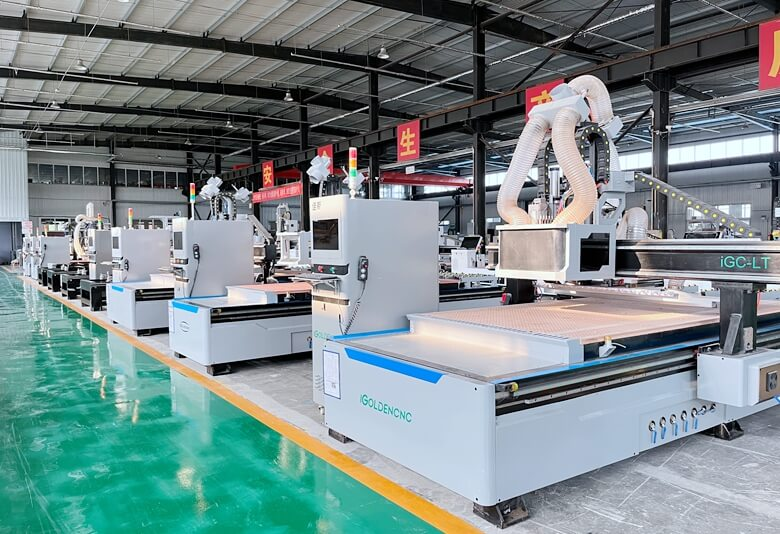
A factory with CNC processes can reduce labor variance. This is achievable only if the upstream engineering package is solid (CAD, drilling maps, edge banding instructions, tolerances). Traders sometimes add value by translating “design intent” into factory-ready manufacturing packages.
TCO impact:
- Direct is cheaper if you provide manufacturable drawings and control rework.
- Traders help when your specs are vague or design changes are frequent.
3) Overhead/management: who is managing your risk?
Traders charge for coordination: supplier selection, communication, production chasing, consolidation, documents, and after-sales. That “markup” is essentially outsourced project management.
Ask a more honest question:
If the trader disappeared tomorrow, could your team manage the same scope?
If not, the trader’s fee is not “wasted margin”—it is a substitute for your internal sourcing team.
4) Cash/financing: deposits, payment terms, and working capital
Factories typically require clearer payment structure (common patterns like deposit + balance). Traders sometimes offer:
- More flexible terms (for repeat clients)
- Credit support
- Multi-factory consolidation under one payment
But the cash advantage can be an illusion if you pay higher unit costs and still carry project delay risk.
5) Risk: the hidden cost that makes “cheaper” expensive
Risk costs appear as:
- Missed deadlines and liquidated damages
- On-site rework labor
- Emergency air shipments for critical parts
- Replacements and spares
- Brand damage for retailers
Risk is heavily influenced by:
- Quality control methodology (sampling, inspection levels)
- Contract clarity (tolerances, finish standards, defect definitions)
- Incoterms responsibilities and documentation
For inspection, acceptance sampling systems such as ISO 2859-1 (AQL-based) are widely referenced, and ANSI/ASQ Z1.4 is a common U.S.-recognized equivalent framework—useful for writing your QC clauses and inspection plans. 国际标准化组织+1
For international delivery responsibility, Incoterms® 2020 rules define who carries cost/risk at each stage. This is critical when buyers casually request “DDP.” They often do not understand who actually manages import clearance, duties, and downstream risk. ICC – International Chamber of Commerce
For U.S. importers, CBP resources outline importer responsibilities. They cover the basics of compliant importing. This is helpful for aligning paperwork requirements with your supplier and forwarder. 海关与边境保护局
Bottom line:
The “difference” between factory direct and trader is often smaller than the cost of one failed batch. It is also smaller than the cost of one delayed container or one claims dispute.
The real value of trading companies—when to use them (and when not to)
When a trading company is worth it
A trader can be worth the markup when you have any of these conditions:
- Multi-category sourcing
A strong trader can coordinate multiple factories for your project. This is possible if it includes casegoods, upholstery, metal, stone, and lighting. They can also consolidate shipments. - Low internal sourcing bandwidth
If your team can’t manage detailed specs, the trader’s management might be cheaper. If production follow-up is a challenge, the trader’s management can also help. It can be more cost-effective than building a team for inspection. - You need supplier diversification fast
When you want a backup factory for capacity risk, traders often have options ready. - Your product is still “unstable” (frequent design/finish changes)
Traders may translate requirements and coordinate iterative sampling more efficiently.
When a trading company is not worth it
Consider factory direct when:
- You have stable SKUs and repeat orders
Once specs are frozen, the trader’s coordination value declines. - You need deep process control
For OEM/ODM brands that focus on long-term consistency, factory-direct relationships usually provide better process transparency. They often contribute to continuous improvement. - You need faster corrective action
Direct communication with engineering/QC reduces the “telephone game.” - You’re running project schedules
Hotels/apartments need tight milestone control; direct access to production planning is a major advantage.
A note on “famous manufacturer” searches (Ashley example)
Buyers often search terms like “ashley furniture manufacturer”. They also use phrases like “ashley furniture industries” to better understand large players. This is done to see how they structure production and distribution. Ashley frequently mentions having regional manufacturing facilities, including North Carolina. They have a high-volume SKU output. This demonstrates a key lesson: scale players win by standardizing processes and logistics, not only by negotiating price. Ashley Furniture Industries
North Carolina is a major furniture cluster. Therefore, it is often referenced in searches like “furniture manufacturers in north carolina”. It has a long industry history and a large ecosystem. 北卡罗来纳州商业厅+1
For your sourcing strategy, the takeaway is not “buy from North Carolina.” It is also not “buy from China.” Instead, choose partners who can demonstrate process discipline + logistics reliability.
Factory direct without getting burned—4 critical control points (communication / sample / inspection / delivery)
If you want factory direct pricing, you must “earn it” with a control system. These four controls prevent most disasters:
Control Point 1 — Communication: define specs like an engineer, not like a shopper
Factory-direct failures often start with vague language:
- “Walnut color” (which walnut?)
- “Matte finish” (what gloss level?)
- “Good quality hardware” (which brand/model?)
- “Same as photo” (photo hides dimensions and tolerances)
Use a spec pack that includes:
- Dimensioned drawings (mm), tolerances
- Material stack (e.g., plywood grade, MDF density, thickness)
- Finish codes and sheen targets
- Edge banding thickness, seam rules
- Hardware model numbers, allowed alternates
- Packaging requirements (drop tests if needed)
- Defect definitions (critical/major/minor)
Pro tip: Always include a “golden sample” clause once approved.
Control Point 2 — Sampling: treat it like a gated stage, not a formality
Sampling should be staged:
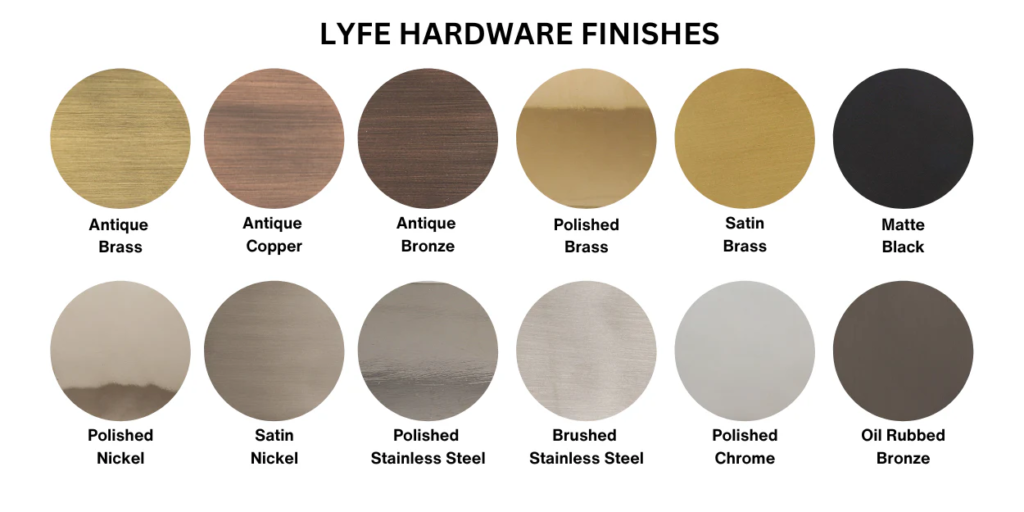
- Material/finish mockups (chips + edge banding + laminate/veneer + paint)
- White sample / pre-finish sample (structure, drilling, assembly)
- Finished sample (final finish, hardware, packaging)
- Pilot batch (small run to verify repeatability)
Many buyers try to skip steps to save time and pay later in rework.
Acceptance criteria:
Use AQL-based logic (or an agreed inspection standard) to define pass/fail conditions and rework responsibilities. ISO/ANSI sampling standards are useful references for this conversation. 国际标准化组织+1
Control Point 3 — Inspection: AQL + functional checks + packaging verification
For casegoods and bathroom vanities, inspection should include:
- Dimensional checks (critical points)
- Finish consistency (color delta if you use instruments; otherwise visual standard)
- Edge banding adhesion and seam tolerance
- Hardware function (drawer slides, hinges, alignment)
- Moisture-related checks where relevant
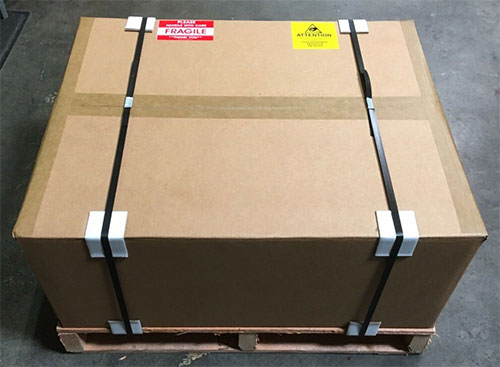
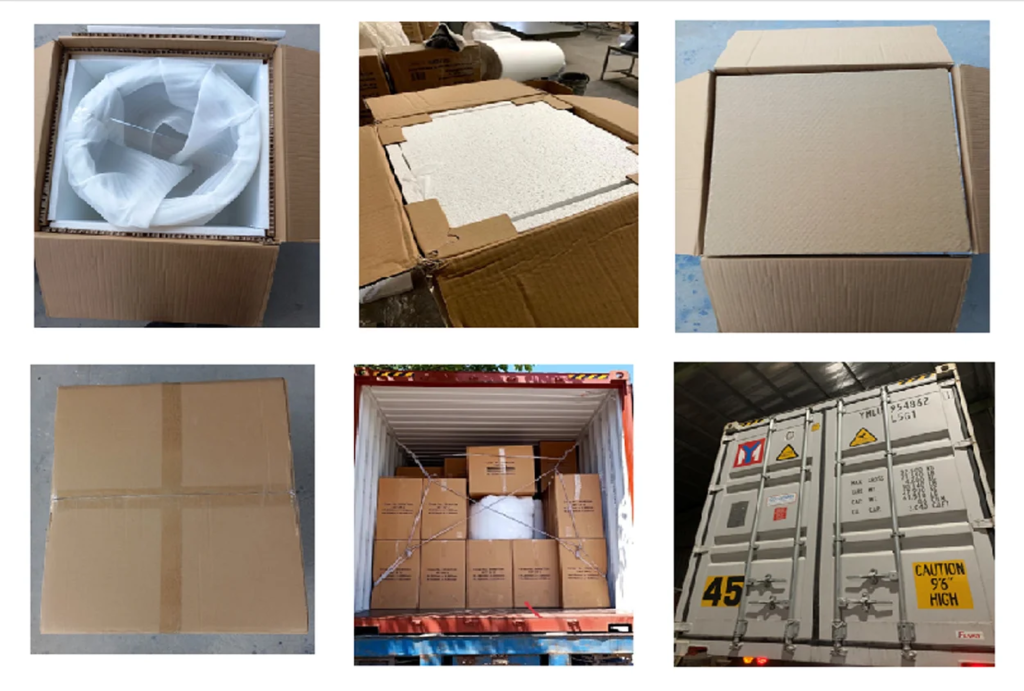
- Packaging validation (corner protection, carton strength, internal foam, drop resistance)
Common mistake: inspecting the product but not the packaging.
For export projects, packaging is a major driver of claims and site delays.
Control Point 4 — Delivery: Incoterms clarity + documents + realistic lead time buffers
Your delivery risk depends on Incoterms and your forwarder model. Incoterms® 2020 defines responsibilities and risk transfer points—essential when you negotiate FOB/CIF/DDP. ICC – International Chamber of Commerce
Best practice for B2B projects:
- Define handover point clearly
- Specify required documents (packing list, commercial invoice, COO if needed, fumigation, compliance docs)
- Add schedule buffers for peak seasons
- Use milestone checkpoints: material ready → in-production → pre-inspection → load plan → shipment
If your destination is the U.S., align with importer responsibilities and entry requirements early (don’t let “paperwork” become a last-week fire drill). 海关与边境保护局
Middle East projects—factory-direct delivery model that works (phased delivery, spares, fast replenishment)
Middle East hotel/apartment projects often require:
- Phased handover by floor/wing
- On-site spares for fast replacement
- Replenishment capability for late changes and damage replacement
- Higher expectation for “project discipline” (documentation, packing, labeling)
Here’s a factory-direct model that reduces your site risk:
1) Batch delivery plan aligned to site milestones
- Batch A: mock-up rooms + approval set
- Batch B: floors 1–X
- Batch C: floors X+1–Y
- Batch D: final punch list + replacements
Each batch has:
- Unique labeling (building / floor / unit / room)
- Packing lists mapped to installation sequence
- “Critical parts” separated for quick access
2) Spare parts strategy (the simplest way to reduce project chaos)
For casegoods/vanities, spares are typically:
- Hinges, drawer slides, handles
- Doors and drawer fronts (finish-matched)
- Panels prone to transport damage
- Sink cutout replacement panels (if applicable)
Rule of thumb: define a spare ratio (e.g., 1–2% by category) and ship in a dedicated “SPARES” pallet with clear labeling.
3) Fast replenishment lane (for urgent replacements)
Set up a “replenishment lane” with:
- Locked finish code and material batch logic
- Priority production window each month
- Standard carton/packaging templates saved for repeat runs
4) Claims process that doesn’t stall your site
Pre-agree:
- Evidence requirements (photos, carton labels, batch number)
- Response time SLA
- Replacement timeline options (sea vs air for critical parts)
- Responsibility boundaries based on Incoterms and inspection outcomes
This is where factory-direct relationships often outperform traders—if you have strong documentation and batch traceability.
Practical Checklist
Before quoting:
- Drawings + tolerances
- Material stack + finish spec
- Hardware models + alternates
- Packaging requirements + labeling format
- Incoterms + destination port/city
- Required compliance docs
Before mass production:
- Approved golden sample
- Pilot batch verified
- Inspection plan agreed (AQL / functional / packaging)
Before shipping:
- Pre-shipment inspection pass
- Packing list mapped to site sequence
- Spare parts pallet included
- Documents verified (invoice/PL/etc.)
About Us
Starwood is a furniture manufacturer that supports OEM/ODM and project clients. It offers customizable panel furniture solutions and CNC-enabled production capability. It also ensures quality control and export-ready packaging. These products are built for hotels, apartments, and wholesale buyers. Learn more on plywoodmfr.com.
CTA
Request the “Factory Direct RFQ Template (with RFQ fields)”
Provide us with your product category. Send us drawings/CAD. Include your target market, quantity, and delivery terms. We’ll reply with a structured RFQ sheet. You will also receive a quoting checklist to speed up sampling and production.
External Authority Links
Use these as “trust anchors” inside your blog (each line includes a natural transition sentence):
- For understanding Incoterms responsibilities and risk transfer, refer to the International Chamber of Commerce’s overview of Incoterms® 2020. ICC – International Chamber of Commerce
- For quality acceptance sampling (AQL) reference, ISO explains what ISO 2859-1 covers for attribute inspection plans. 国际标准化组织
- For a U.S.-recognized acceptance sampling framework, ASQ summarizes ANSI/ASQ Z1.4 and how it’s used for AQL-based inspection. asq.org
- For importer responsibilities and trade compliance basics, U.S. Customs and Border Protection provides official guidance for importers. 海关与边境保护局
- For context on a major U.S. furniture cluster often searched by buyers (“furniture manufacturers in north carolina”), NC Commerce outlines the state’s furniture industry positioning. 北卡罗来纳州商业厅
FAQ
Q1: How much cheaper is furniture from manufacturer (factory direct) compared to a trading company?
A: It depends on project complexity and risk control. Factory direct can reduce management markup. Real savings come when specs, sampling, and inspection are controlled. This control prevents rework and delays.
Q2: When should a B2B buyer choose a trading company?
A: Consider using a trading company when you need multi-category consolidation. It’s also beneficial if you require fast supplier diversification. Additionally, rely on them if you lack internal resources for spec control, production follow-up, or inspection management.
Q3: What are the biggest risks when buying factory direct?
A: Vague specifications, weak sampling discipline, missing AQL/inspection plans, and unclear Incoterms responsibilities—these create costly delays and claims disputes.
Q4: What inspection standard should I use for factory direct sourcing?
A: Many buyers reference AQL-based sampling systems such as ISO 2859-1 or ANSI/ASQ Z1.4 principles to define accept/reject criteria and responsibilities. 国际标准化组织+1
Q5: What delivery model works best for Middle East hotel/apartment projects?
A: Phased batch delivery is aligned to site milestones. It includes dedicated spare-part pallets. There is also a fast replenishment lane. This approach reduces punch-list delays and accelerates handover.