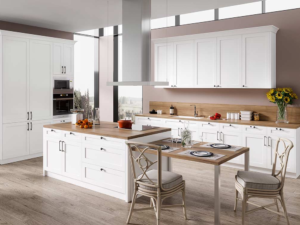
Middle East fit-out projects move fast—until one “small” cabinet detail turns into a site stoppage, rework, or a full redesign. In kitchens, that risk is multiplied because cabinetry touches MEP coordination, moisture exposure, daily wear, and final visual standards.
If you’re a contractor, developer, hotel/apartment procurement team, importer, or kitchen showroom wholesaler, your RFQ is your first chance to eliminate uncertainty. This is your opportunity to be clear. You can remove any doubts. It is crucial to make the most of this opportunity. Address potential issues beforehand. This is a key moment. It is also the best opportunity to address potential issues beforehand. A “simple” RFQ like “Please quote kitchen cabinets for this layout” often triggers vague quotes. These quotes may look comparable on price. However, they hide different assumptions about board grade, edge banding, hardware tier, packaging, and installation readiness.
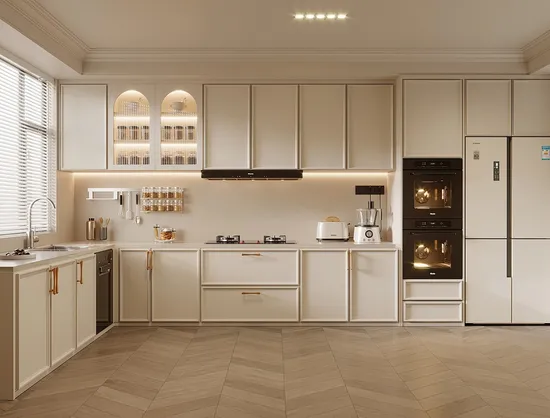
This guide provides you with a procurement-ready RFQ structure for modern flat pack (RTA) kitchen cabinets. It is optimized for Middle East project realities: hot climates and coastal humidity. It also considers tight delivery windows, multilingual installation teams, and strict acceptance standards.
We’ll cover:
- The common inquiry formats in Middle East projects (BOQ / RFQ / drawings + sample)
- The 18 RFQ parameters you must define
- Practical text you can copy into your RFQ
- A paste-ready RFQ template structure at the end
Table of Contents
- Why Middle East kitchen cabinet RFQs go wrong
- Common inquiry formats: BOQ vs RFQ vs drawings + sample
- The 18 RFQ must-have parameters (with copy-ready wording)
- Delivery milestones: mock-up → mass production → replenishment
- Packaging & labeling that saves site time (and reduces claims)
- Documents you should request upfront
- Copy-paste RFQ template structure
- FAQs
1) Why Middle East Kitchen Cabinet RFQs Go Wrong
Most disputes don’t come from “bad suppliers.” They come from undefined assumptions.
On paper, two quotes may both say:
- “E1 board”
- “soft-close hinges”
- “export packaging”
But what does that really mean?
- Which board type (particleboard vs plywood vs MDF), and which thickness?
- Which edge banding thickness and adhesive system?
- Which hinge cycle rating and corrosion resistance?
- Does “export packaging” mean carton only, or carton + corner protection + palletization?
- Are cabinets labeled by apartment/unit/room, or just random cartons?
A clean RFQ prevents:
- Variation orders driven by “not included” assumptions
- Delays due to missing drawings/approval cycles
- Site rework from wrong sizes or mismatched MEP cutouts
- Claims & returns from packaging damage or missing hardware bags
- Acceptance rejection from color variation, door gaps, or finish defects
2) Common Inquiry Formats in Middle East Projects
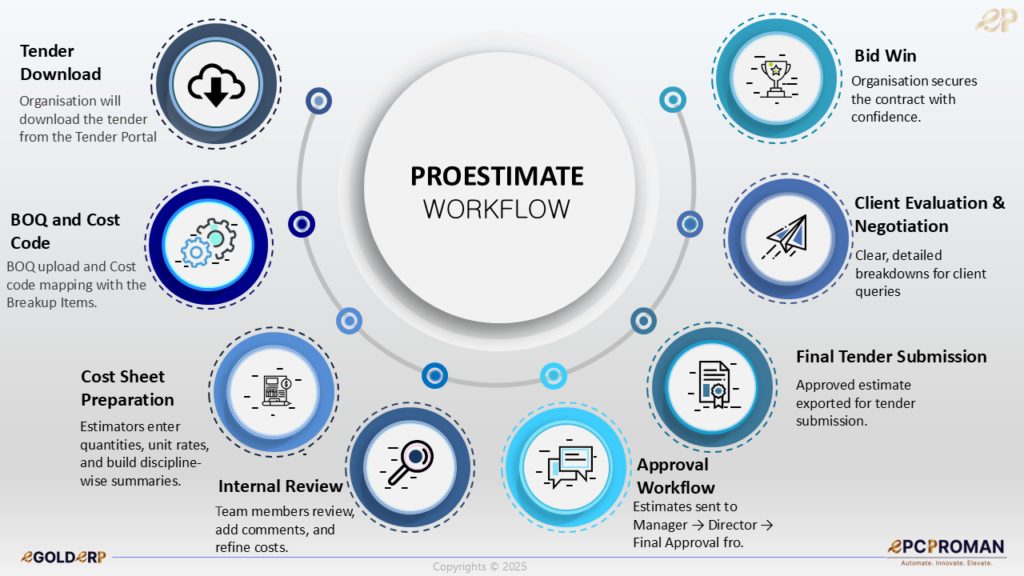
A) BOQ (Bill of Quantities)
A BOQ is common in construction and fit-out tendering. It lists quantities, units, and descriptions. Some projects use BOQ as the primary procurement document for joinery packages. Middle East construction workflows often depend on BOQs for cost control and tender comparisons. Stonehaven
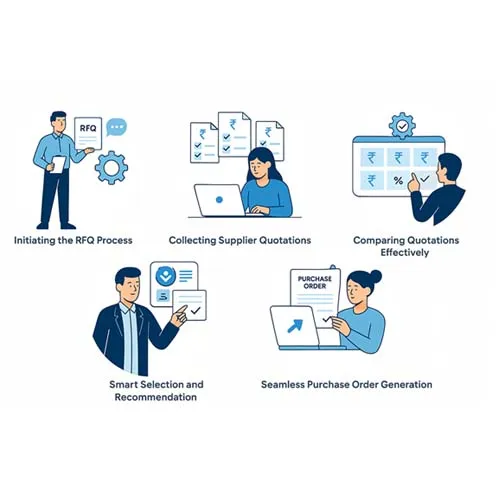
BOQ strengths: fast tender comparison, cost structure, quantity clarity
BOQ weaknesses: often lacks technical detail for cabinet manufacturing (board grade, edging, drilling pattern, hardware tier)
B) RFQ (Request for Quotation)
RFQ is where you define the real manufacturing and delivery requirements. A BOQ without an RFQ spec section is risky.
RFQ strengths: defines quality, scope, and responsibility; reduces rework
RFQ weaknesses: requires discipline—buyers must specify what matters
C) Drawings + Sample / Mock-Up
Many successful Middle East buyers combine drawings with a physical sample or mock-up cabinet.
Best practice:
- Submit drawings for preliminary quote
- Approve a mock-up (one kitchen set or one cabinet module)
- Freeze specs before mass production
3) The 18 RFQ Must-Have Parameters (With Copy-Ready Text)
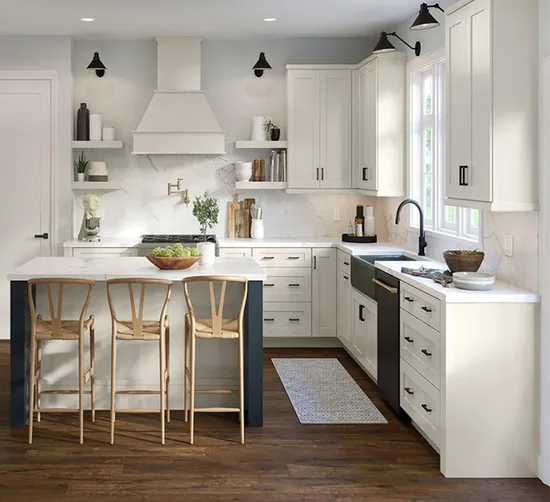
Below are the 18 parameters to include in your RFQ for modern flat pack kitchen cabinet furniture. Each item includes:
- What you must define
- Why it matters
- Copy-ready wording you can paste into your RFQ
1) Project Type + End Use (Hotel / Apartment / Staff Housing / Retail)
Why: Determines durability tier, finish standards, and spare parts strategy.
Copy-ready RFQ text:
Project type: [Hotel / Serviced Apartment / Residential Tower / Staff Housing / Retail Showroom].
Use intensity: [High / Medium]. Target lifecycle: [X] years with standard maintenance.
2) Cabinet Construction System (RTA / KD / Pre-assembled)
Why: Impacts packaging, installation speed, labor skill requirement, and shipping volume.
Copy-ready RFQ text:
Provide flat pack (RTA/KD) kitchen cabinets suitable for export shipping and onsite assembly. Confirm assembly method: [cam-lock/dowel/screw], and whether rails/hinge plates are pre-installed.
3) Material Specification: Carcass Board Type + Grade
Why: “E1” alone is not enough. You must specify board type and application areas.
Copy-ready RFQ text:
For the carcass board type, you can select: [Particleboard, Plywood, or MDF].
For the emission level, options include: [E1, CARB2, or TSCA Title VI equivalent if required]. Please provide supporting documentation for the emission levels.
Formaldehyde requirements should align with composite wood standards for target markets where applicable. US EPA
(Note: TSCA Title VI is an EPA framework used in the US for composite wood products—some international buyers request it as a quality benchmark even when shipping elsewhere.) US EPA
4) Board Thickness (Carcass / Shelves / Back Panel)
Why: Thickness affects load capacity and long-term squareness (especially in tall cabinets).
Copy-ready RFQ text:
Carcass thickness: [16/18mm]
Shelf thickness: [18mm preferred]
Back panel: [5/9mm] with fixing method: [groove + nail/screw].
Confirm load rating for shelves and base cabinets under countertop.
5) Edge Banding Spec (Thickness + Adhesive Type)
Why: Edge banding is critical in Middle East kitchens due to moisture and heat exposure.
Copy-ready RFQ text:
Edge banding: [PVC/ABS] thickness [1.0/2.0mm] on visible edges; minimum [0.4–1.0mm] on non-visible edges.
Specify edging adhesive and moisture resistance approach at sink and dishwasher areas.
6) Door Panel Material + Finish System
Why: “Matte white” can mean melamine, PET, UV, lacquer, or acrylic—each behaves differently under heat, cleaning chemicals, and sunlight.
Copy-ready RFQ text:
Door panel: [MDF/Particleboard/Plywood] with finish: [Melamine/PET/UV/Lacquer/Acrylic].
Color code system: [RAL / NCS / sample match].
Gloss level: [matte 5–10 / satin / high gloss].
Confirm resistance to common cleaning agents used on site.
7) Color Control + Batch Consistency Standard
Why: For multi-tower or phased hotel projects, color shifts between batches become a major dispute.
Copy-ready RFQ text:
Color matching must be consistent across batches. Provide approved sample + retention sample for reference. Define acceptable variation method: [visual standard under D65 / agreed tolerance].
Confirm production uses batch tracking for panels and laminates.
8) Door Style + Handle System (Handle-less / J-pull / Gola / Pull Handle)
Why: Modern Middle East projects often prefer minimalist handle-less looks, but this changes aluminum profile needs, drilling, and installation tolerance.
Copy-ready RFQ text:
Door style: [flat slab] with opening system: [handle-less J-pull / Gola profile / external pull handle].
If Gola: specify profile color [black/champagne/SS look] and include corner joints and end caps.
9) Hardware Tier (Hinges, Slides, Lift Systems) + Performance
Why: “Soft-close hinge” can range from light-duty to contract-grade. In humid/coastal cities, corrosion performance matters.
Copy-ready RFQ text:
Hardware tier: [Standard / Project / Premium].
Hinges: soft-close, quick release, minimum cycle rating [X].
Slides: soft-close undermount/side-mount, load rating [X kg].
Confirm corrosion resistance suitable for coastal humidity environments.
10) Drawer Box System (Metal / Wood / Slim Box) + Height Specs
Why: Drawer box choice changes cost, durability, and perceived quality for hotel/apartment buyers.
Copy-ready RFQ text:
Drawer system: [metal slim box / metal double-wall / plywood drawer box].
Drawer heights: [H86/H118/H150 etc.] and include matching relings if required.
11) Countertop Interface (Even if You Don’t Supply the Countertop)
Why: Many disputes occur at the boundary: countertop thickness assumptions, overhang, sink cutout responsibility, and end panel alignment.
Copy-ready RFQ text:
We require cabinet design compatible with countertop thickness [20/30/40mm].
Confirm base cabinet top rail design supports stone/quartz countertops and appliance openings.
State responsibility for sink cutouts and reinforcement at dishwasher and sink modules.
12) Toe Kick (Plinth) + Moisture Protection
Why: Toe kick is a high-splash zone in kitchens. Wrong material leads to swelling and peeling.
Copy-ready RFQ text:
Toe kick height: [100/120/150mm]. Material: [PVC/aluminum/board with waterproof coating].
Provide end caps and corner finishing parts.
Moisture-resistant solution required for wet mopping and occasional splash.
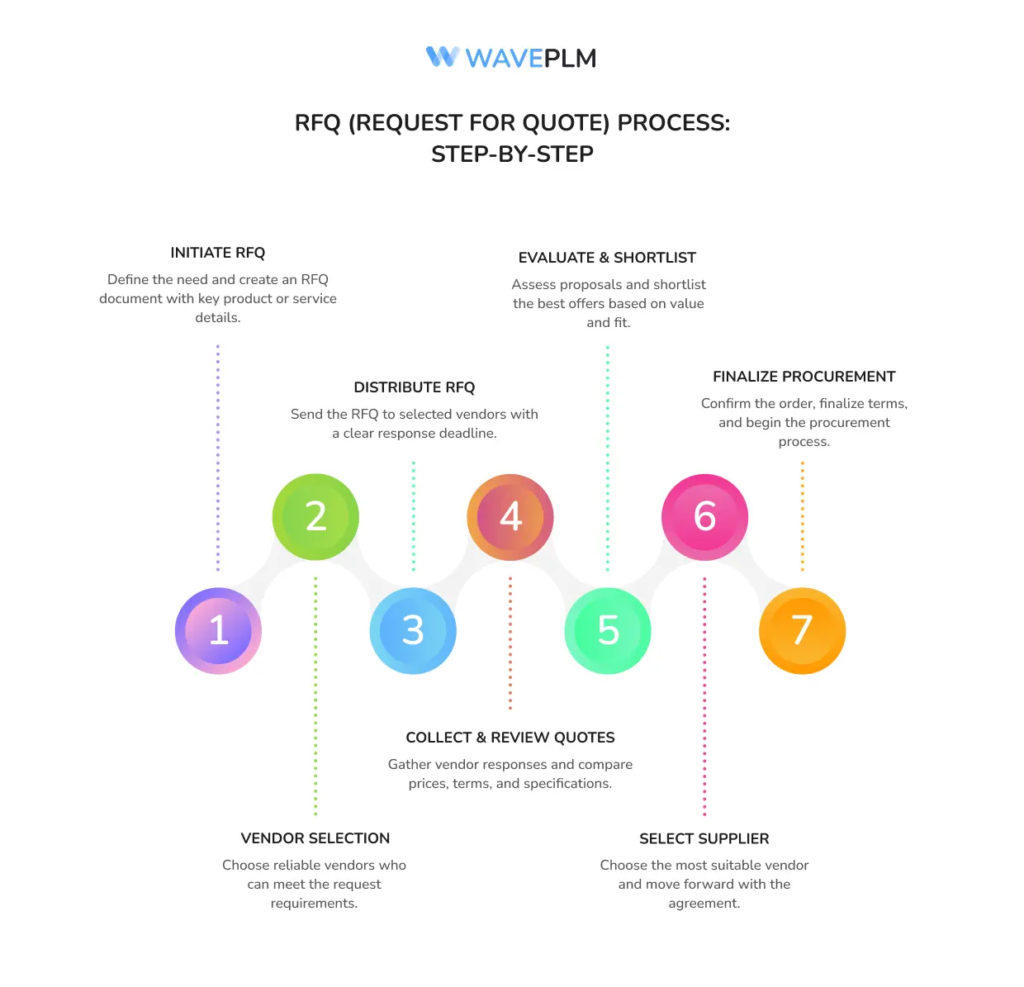
13) Tall Units + Appliance Housing Requirements
Why: Oven/microwave housing needs heat clearance and ventilation. Fridge enclosures need airflow.
Copy-ready RFQ text:
Tall units for appliances: specify models or opening sizes.
Confirm ventilation clearances per appliance manufacturer requirements and provide heat-resistant panel options if required.
14) Corner Solutions + Filler Panels (Critical for Real-Site Walls)
Why: Site walls are rarely perfectly square. Filler panels and scribes prevent ugly gaps and rework.
Copy-ready RFQ text:
Corner configuration: [L-shape / U-shape / peninsula].
Include filler panels/scribes: [20–50mm] where required to manage wall out-of-square conditions.
Define corner base solution: [blind corner / magic corner / carousel / corner drawers].
15) Moisture & Heat Risk Zones (Sink, Dishwasher, Stove, Coastal Cities)
Why: Middle East kitchens often face hot cooking conditions and humidity—especially in coastal areas.
Copy-ready RFQ text:
Identify risk zones: sink base, dishwasher adjacent panels, stove area, and coastal city humidity exposure.
Provide recommended upgrades: improved edging, moisture barrier, and hardware anti-corrosion options.
16) Packaging Standard (Export-Ready) + Drop / Stack Protection
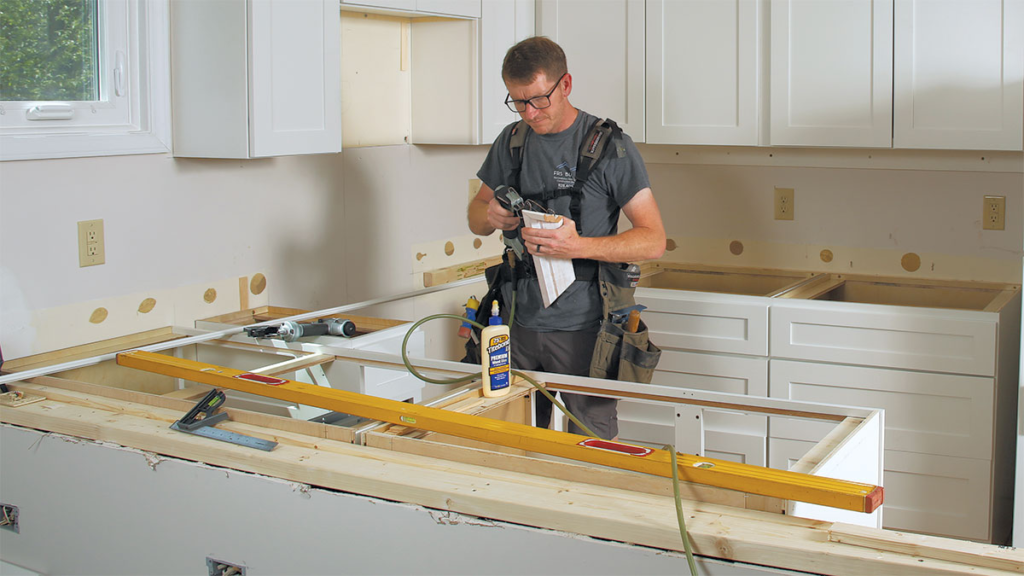
Why: Long distance shipping + multiple handlings = damage risk. Packaging standards must be explicit.
Copy-ready RFQ text:
Export packaging must include reinforced corner protection for doors/panels, internal padding, and separated hardware bags.
Packaging should support stacked container loading without carton collapse.
Confirm whether pallets are used and specify pallet type: [ISPM 15 compliant if wooden].
(If GS1 labeling is required, supplier must support logistic label/barcode placement.) GS1+1
17) Carton Labeling / Marking Plan (By Apartment / Room / Cabinet Code)

Why: This single point can save days on site. Without a marking plan, cartons get opened randomly and parts go missing.
Copy-ready RFQ text:
Label each carton with: Project name, unit/apartment number, room, cabinet code, and carton sequence.
If barcodes are required, confirm support for standardized logistics labeling. GS1+1
18) Delivery Terms + Milestones (Mock-Up → Mass → Replenishment)
Why: Middle East projects often require phased delivery. You must define what “on time” means.
Copy-ready RFQ text:
Delivery milestones:
- Mock-up/sample approval within [X] days
- Mass production lead time [X] days after approval
- Replenishment lead time [X] days for damages/shortages
Define Incoterms: [FOB/CIF/DDP] and clarify risk transfer and responsibilities per Incoterms® 2020 framework. ICC – International Chamber of Commerce+1
4) Delivery Milestones That Work for Middle East Projects
A practical approach used by experienced contractors and hotel procurement teams:
- Pre-quote alignment (3–7 days)
- drawings / BOQ review
- identify missing specs
- lock “base spec” for quoting
- Mock-up / sample phase (7–21 days depending on complexity)
- approve door finish + edge banding + hardware feel
- test assembly friendliness and labeling clarity
- confirm appliance housing and countertop interface
- Mass production (typically 25–45 days)
- batch color control
- packaging proof (carton + corner protection)
- Staged shipping / phased delivery
- Tower A then Tower B
- Or floor-by-floor delivery to reduce site storage pressure
- Replenishment plan
- Define how shortages/damages are handled
- Require spare hardware packs and touch-up kits
5) Packaging & Labeling That Saves Site Time (and Reduces Claims)
Your project cartons will be frequently moved if located in Dubai, Abu Dhabi, Doha, Riyadh, Jeddah, or any coastal city. They may be relocated multiple times. They will go through port, warehouse, truck, site, and floor staging. Packaging failure becomes cost.
Minimum packaging recommendations for flat pack kitchen cabinets:
- Doors and visible panels: corner protectors + face protection
- Hardware: sealed labeled bags (hinges, screws, cams) + spare bag
- Clear carton sequence: “1 of 3, 2 of 3, 3 of 3”
- Optional: palletization for high-value door panels
- For barcode logistics labeling, align with GS1 practices if the buyer requires standardized labeling across supply chain scanning workflows. GS1+1
6) Documents You Should Request Upfront (Especially for OEM/ODM)
Add a documentation section to your RFQ. It protects both buyer and manufacturer.
Recommended documents:
- Material and emission compliance statements (as required) US EPA
- Traceability for certified wood claims if requested (FSC/PEFC) fsc.org+1
- Packing list + carton marking plan
- Shop drawings / drilling confirmation (for RTA consistency)
- Quality inspection checklist (door gaps, edge quality, squareness)
- Warranty terms + spare parts policy
If you specify FSC chain of custody or PEFC chain of custody, ask for supporting evidence. Ensure there is correct claim usage. These systems focus on traceability across the supply chain. fsc.org+1
7) Copy-Paste RFQ Template Structure (Buyer-Ready)
You can paste this into email or your RFQ document.
Subject: RFQ – Modern Flat Pack Kitchen Cabinets for [Project Name], [City/Country]
1. Project Overview
- Project type:
- Location (city/country):
- Target installation date:
- Total kitchens/units:
- Delivery type: staged by [tower/floor/unit]:
2. Scope of Supply
- Base cabinets: yes/no
- Wall cabinets: yes/no
- Tall units: yes/no
- Door panels: yes/no
- End panels/fillers/scribes: yes/no
- Toe kick/plinth: yes/no
- Hardware included: yes/no
- Countertop included: no (define interface)
3. Technical Specification (18 must-have parameters)
(Insert the 18 items above, as your spec section.)
4. Drawings / BOQ Attachments
- Layout drawings: attached
- Appliance list: attached
- BOQ quantities: attached
5. Packaging & Labeling
- Carton marking plan required: yes
- By unit/room/cabinet code: yes
- Barcode/GS1 labeling required: [yes/no]
6. Quality & Acceptance Criteria
- Door gap target: [e.g., 2mm ± tolerance]
- Color consistency: retention sample required
- Edge banding: no peeling, no visible glue lines
- Assembly test: supplier must perform pre-shipment assembly check for [X] samples per batch
7. Delivery Terms
- Incoterms: [FOB/CIF/DDP] ICC – International Chamber of Commerce
- Port of loading:
- Destination port:
- Delivery milestones: mock-up → mass → replenishment
8. Quotation Requirements
- Itemized price breakdown (carcass/doors/hardware/packaging):
- Lead time:
- MOQ:
- Payment terms:
- Warranty:
- Spare parts policy:
9. Required Supporting Documents
- Compliance statements (as required) US EPA
- FSC/PEFC traceability if requested fsc.org+1
- Packing list + marking plan draft
- QC checklist
8) FAQ
Q1: Should I send BOQ or RFQ for kitchen cabinets?
A: Use both. BOQ helps quantity comparison, while RFQ defines manufacturing assumptions (materials, edging, hardware, packaging) that control real cost and risk. Stonehaven
Q2: What is the #1 missing spec that causes disputes?
A: Material + edge banding definition. “E1 board” without board type, thickness, and edge banding thickness leaves too much room for different interpretations.
Q3: How can I reduce site delays with flat pack cabinets?
A: Require a carton marking plan (unit/room/cabinet code) and include spare hardware packs. Add assembly instructions and QR video if possible.
Q4: Do I need formaldehyde/VOC documentation if I’m not shipping to the US?
A: Some Middle East buyers still request TSCA Title VI/CARB-style documentation as a benchmark. EPA explains how composite wood standards manage formaldehyde emissions. US EPA
Q5: What Incoterms should I use for Middle East projects?
A: Many buyers use FOB or CIF, but the right choice depends on who controls freight, insurance, and risk. Use Incoterms® 2020 as the shared reference. ICC – International Chamber of Commerce+1
Q6: How do I control color consistency across phased deliveries?
A: Approve a physical sample, request a retention sample, and require batch tracking for panels and laminates.
Q7: What packaging detail matters most for long-distance shipping?
A: Door/panel corner protection plus labeled sealed hardware bags—damage and shortages are the fastest path to claims.
Q8: Can a manufacturer support barcode carton labels?
A: Yes. If you require standardized logistics labeling, align expectations with GS1 logistics label guidance. GS1+1
Closing (Factory Direct • Cheap Price • Good Quality • Fast Delivery)
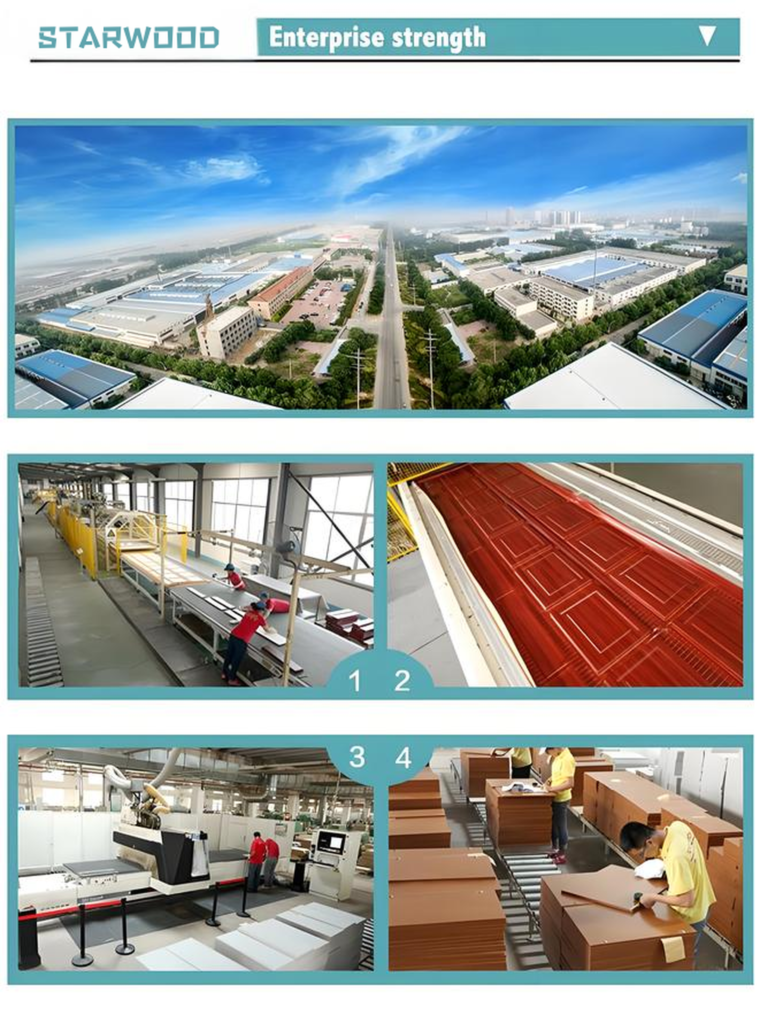
In Middle East fit-out and hospitality projects, unclear cabinet specifications lead to time delays. Inconsistent execution also causes budget overruns. A clear RFQ ensures efficiency. The factory can control materials, CNC drilling accuracy, edge banding, hardware matching, and export packaging. As a result, flat pack kitchen cabinets are delivered efficiently. They arrive with fewer surprises, on time, and within budget.
If your priority is factory direct supply, a cheap price without hidden compromises, good quality you can inspect and repeat, and fast delivery for phased shipments, choose a manufacturer that can support:
- OEM/ODM engineering (shop drawings, drilling confirmation, mock-up support)
- Stable quality control (batch tracking, retention samples, pre-shipment checks)
- Export-ready packaging & labeling (unit/room/cabinet code for quick site installation)
- Fast lead time planning (mock-up → mass production → replenishment)
Whether you are a contractor, developer, hotel FF&E buyer, importer, or kitchen wholesaler, we help you quote faster. We also help you install faster. You can close your project with fewer claims.
Contact Us
Get a Factory-Direct Quote in 24 Hours
Send your BOQ / layout drawings / cabinet list. Include your target finish (sample/RAL). Also, specify your required delivery schedule.
What to include in your message:
- Project country & city (UAE / KSA / Qatar / Oman / Kuwait / Bahrain)
- Cabinet scope (base, wall, tall units) + approximate quantity
- Preferred carcass material (plywood / particleboard / MDF)
- Door finish preference (matte, woodgrain, PET/UV, etc.)
- Hardware tier (standard / project / premium)
- Shipping term (FOB / CIF / DDP) and destination port
Contact:
- Website: https://plywoodmfr.com/
- Email: hwinnie168@gmail.com
- WhatsApp/Phone: +86‑13691994727
Business promise (Middle East focused):
✅ Factory Direct – no trading layers, clear specs, stable QC
✅ Cheap Price – optimized module system + export packaging efficiency
✅ Good Quality – consistent drilling, edging, and hardware matching
✅ Fast Delivery – mock-up first, staged shipments, replenishment support