(Procurement Edition for Compact Rooms | OEM/ODM & Project Buyers)
This hotel FF&E checklist breaks down “space-saving furniture” into specific RFQ-ready specs for compact rooms. It includes clearance rules, contract-grade construction, serviceable hardware, export packaging, and spares planning. Compact hotel rooms are now a mainstream product strategy. Businesses involved in travel, long-stay, micro-units, and serviced apartments all push for higher yield per square meter. But for procurement and project teams, “space saving furniture” is not about making everything smaller. It’s about making every square meter work harder without increasing maintenance, breakage, and guest complaints.
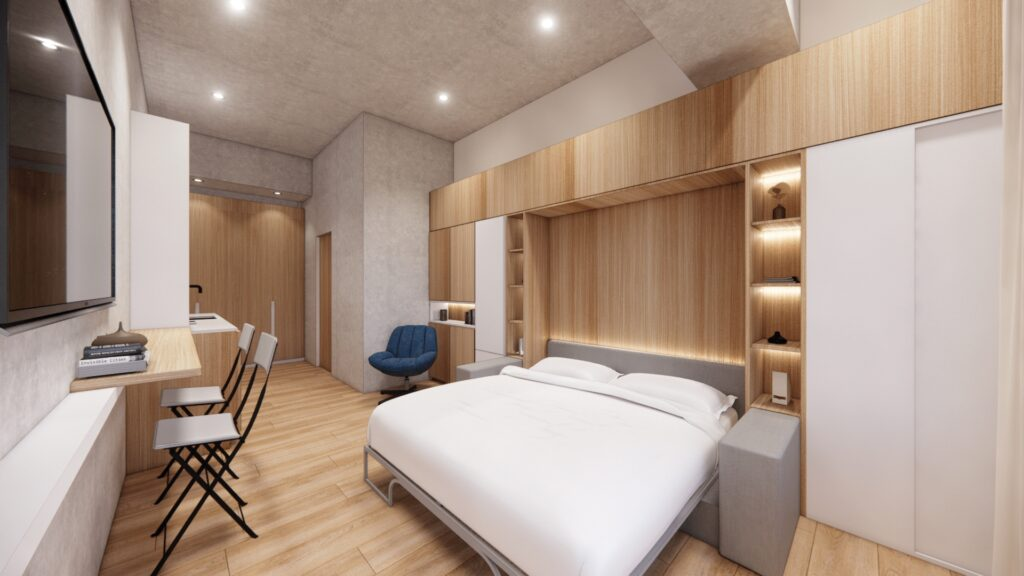
This article transforms the concept into a practical, procurement-ready FF&E checklist. You can use it for RFQs and bid comparisons. It is also useful for mock-up approvals and mass production sign-off. This is especially true for panel furniture (knock-down / flat-pack) delivered via OEM/ODM.
Compact hotels don’t win by shrinking furniture—they win by specifying it correctly. A procurement-ready approach to space saving furniture focuses on circulation rules, housekeeping speed, and repeatable OEM/ODM construction. Make sure your space saving furniture specification includes clearance benchmarks. It should also include serviceable hardware and a spares plan. This way, you avoid the most common project failures. These include blocked walkways, unusable drawers, noisy mechanisms, and high rework costs.
Table of Contents (TOC)
- Why compact rooms fail more often (circulation, housekeeping, durability, rework)
- The 5 priority FF&E categories for space saving furniture
- Clearance benchmarks: walkway, door swing, drawer pull-out, luggage zone
- Contract-grade panel construction: hardware points, reinforcement, edge banding
- RFQ checklist: materials, finishes, hardware, packaging, spares, documents
- Bonus: compact bathroom vanity checklist (keywords naturally included)
- Delivery & acceptance: mock-up, production consistency, installation plan
- FAQ
- Authority external links (with ready-to-use transition text)
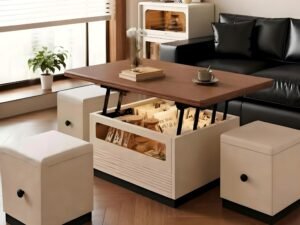
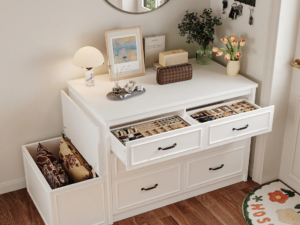
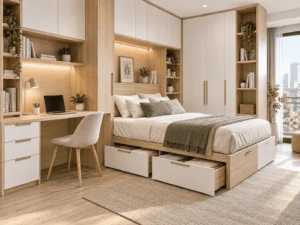
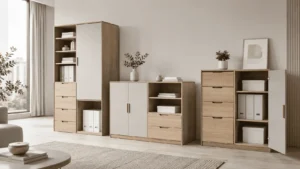
- Images: featured + 3 in-article (ALT, title, caption, short description)
- Sample comments (3)
1) Why compact hotel rooms fail more often (circulation, housekeeping, durability, rework)
Compact rooms amplify every small mistake:
- Circulation conflicts turn into immediate complaints. The door hits the desk edge. Drawers can’t fully open. Luggage blocks the walkway. Wardrobes collide with bathroom doors.
- Housekeeping time increases when there are too many legs, tight corners, low clearances, or dust traps under beds and cabinets. In a high-occupancy hotel, minutes per room become real operating cost.
- Wear concentrates on fewer contact points: bed-side panels, desk edges, cabinet handles, luggage bench fronts, and wardrobe hinge zones.
- Rework is expensive because it’s not “one room”—it’s often the entire floor plan repeated across dozens or hundreds of rooms.
If you’re sourcing for hotels or apartment projects, the winning spec isn’t “pretty renderings.” It’s clearances + repeatable construction details + serviceable hardware + packaging & spares. These are written in a way that suppliers can quote consistently. Factories can then mass-produce these reliably.
2) The 5 priority FF&E categories for space saving furniture
Space Saving Furniture FF&E Checklist for Compact Hotel Rooms
Below are the 5 categories that most strongly impact guest experience and maintenance in compact rooms. If you’re using a phased approach, lock these first—then expand to decorative pieces.
2.1 Sleep zone: bed base + bedside system (upgrade path to a Multi-Functional bed)
Start by deciding the bed format, then build the supporting modules around it:
- Platform bed with optimized under-bed cleaning height
- Storage bed (lift-up or drawers) only if your clearance math works
- Headboard system with integrated cable management and power
- Optional: Multi-Functional bed solutions for tight room types (e.g., bed + storage + desk, or wall-bed concepts)
Procurement notes to include in RFQ
- Required under-bed clearance for housekeeping tools
- Bedside reach zones and collision checks (drawers vs walkway)
- Noise expectations (hardware and contact points matter in hospitality)
2.2 Storage zone: wardrobe + entry cabinet + minibar integration (Multi-Functional Furniture done right)
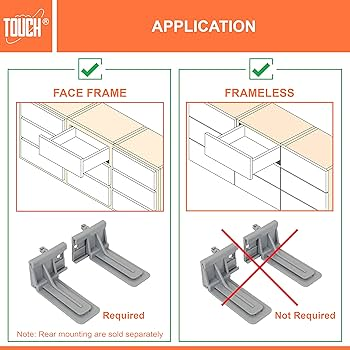
Compact rooms fail when storage is fragmented. A better approach is integrated modules that share the same board system, hole patterns, and replacement parts—ideal for OEM/ODM production.
Spec the storage module around:
- Hanging zone + shelf zone
- Luggage placement logic (open niche or bench)
- Minibar/tea station niche with ventilation considerations
- Quick-access “drop zone” for keys, phone, wallet
2.3 Luggage zone: fixed bench, foldable rack, or open niche
The luggage zone is not optional—guests will create one anyway. If you don’t design it, they’ll block circulation and damage furniture edges.
Write down:
- Minimum luggage footprint and safe placement
- Front-edge impact resistance (luggage wheels and corners)
- Cleaning access under/around luggage bench
2.4 Work zone: wall-mounted desk, fold-down desk, or corner desk
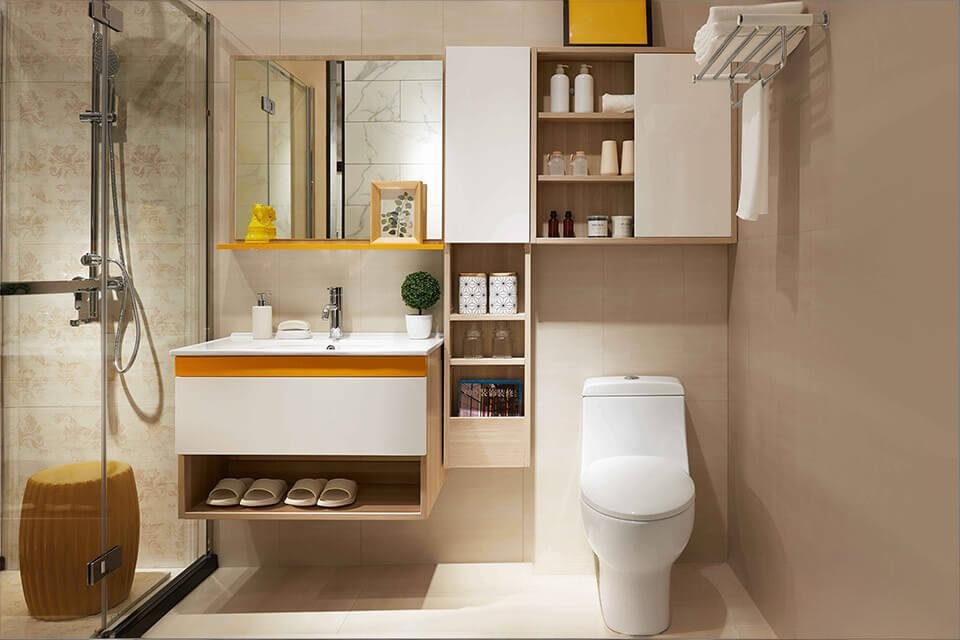
This is the classic compact-room lever. For project buyers, the priority is:
- less floor contact (fewer legs = faster cleaning)
- durable edges (bags and elbows)
- power and cable integration that doesn’t look like an afterthought
2.5 Entry zone: “first 10 seconds” organization
Entry areas drive perceived room size. A simple module that “catches” coats and bags makes compact rooms feel intentional, not cramped:
- open hook rail + small top shelf
- a shallow cabinet for shoes or housekeeping supplies
- rounded corners to avoid impact damage near the door
3) Clearance benchmarks you should write into the RFQ
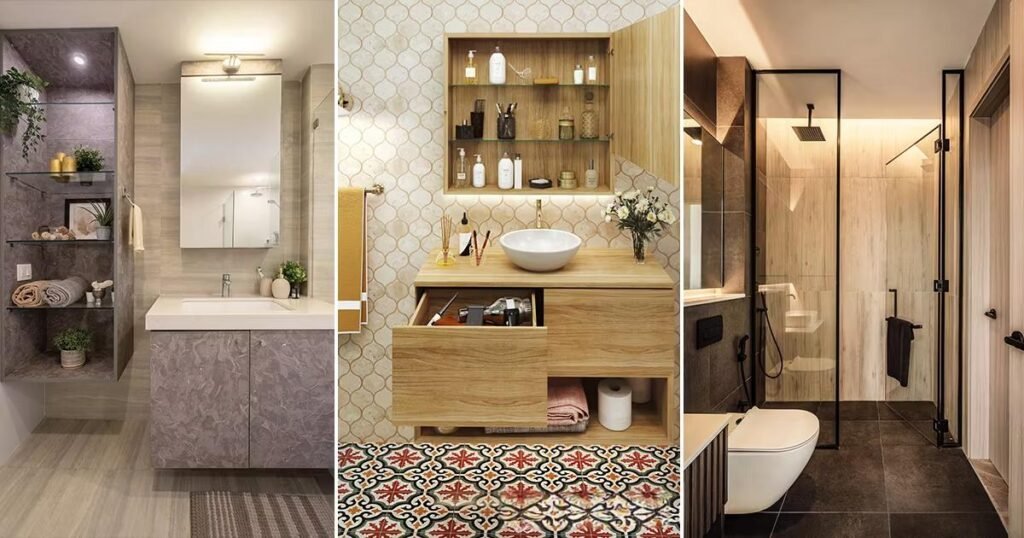
(walkway / door swing / drawers / luggage)
You don’t need one universal number—but you must define minimum clearance rules. Otherwise suppliers quote different assumptions, and the build fails on-site.
3.1 Walkway clearance (circulation)
Define clear zones at:
- bed side passage
- wardrobe front
- entry near the door
- bathroom approach
Best practice for procurement: attach the room plan and mark “critical clearances” that are non-negotiable.
3.2 Door swing clearance
This is where compact rooms lose the most space:
- room door vs desk/entry cabinet
- wardrobe door vs luggage bench
- bathroom door vs vanity (very common)
Ask suppliers to confirm:
- door opening angle requirement (e.g., functional at 90°)
- no collision with adjacent modules or handles
3.3 Drawer pull-out clearance
Drawers are the #1 silent failure. They “work” in the factory. Then they fail in the room because the remaining walkway is too narrow.
Write:
- drawer must open fully under real room conditions
- remaining passage must support housekeeping movement and luggage handling
3.4 Luggage clearance zone
Luggage expands—especially when guests open suitcases.
Specify:
- luggage placement zone
- clearance between luggage and door swing
- edge protection requirement for nearby panels
4) Contract-grade panel construction: durable + mass-producible
As a panel furniture export manufacturer, your advantage is repeatability. Hotels don’t buy one room—they buy a system that must hold up across many rooms.
4.1 Hardware: don’t spec only brands—spec positions, loads, and serviceability
For Multi-Functional Furniture and fold-down mechanisms:
- define reinforced mounting zones
- set expectations for cycle life and noise
- require easy replacement (fast service reduces out-of-order rooms)
4.2 Reinforcement: focus on stress points and load paths
Common failure zones in hospitality:
- bed side panels (leaning and sitting loads)
- hinge-side of wardrobe doors
- drawer slide mounting zones
- desk front edge and corners
RFQ requirement suggestion:
- “Provide photos or drawings of reinforcement at hinge and slide points.”
4.3 Edge banding strategy: the “looks new” factor
Edge banding quality is one of the biggest visible differentiators over time.
Ask for:
- edge banding spec for high-impact edges
- consistent corner treatment
- moisture-risk edge strategy (especially near bathrooms and coastal markets)
4.4 Finish performance: separate abrasion, scratch, and chemical resistance
Hotels care about:
- abrasion from luggage and clothing
- scratches from zippers and metal objects
- chemical resistance to cleaning agents and disinfectants
Write acceptance criteria as separate items to avoid disputes later.
5) RFQ checklist (materials, finishes, hardware, packaging, spares, documents)
Below is a “must-reply” section you can copy into your RFQ.
5.1 Materials & compliance packet
- Board type options (particleboard / MDF / plywood)
- Emissions compliance documents (as required by your market)
- Sustainability positioning (if used): FSC chain and sourcing narrative can strengthen your buyer-facing file. fsc.org+1
5.2 Finish & color control
- finish type (melamine, HPL, veneer, etc.)
- sample workflow: sample → golden sample → pre-production sample
- cleaning guidance sheet for the operator (helps reduce warranty claims)
5.3 Hardware package
- hinges / slides / folding systems spec
- soft-close / buffers requirements (noise)
- replacement part codes and availability period
5.4 Packaging & protection (especially for flat-pack)
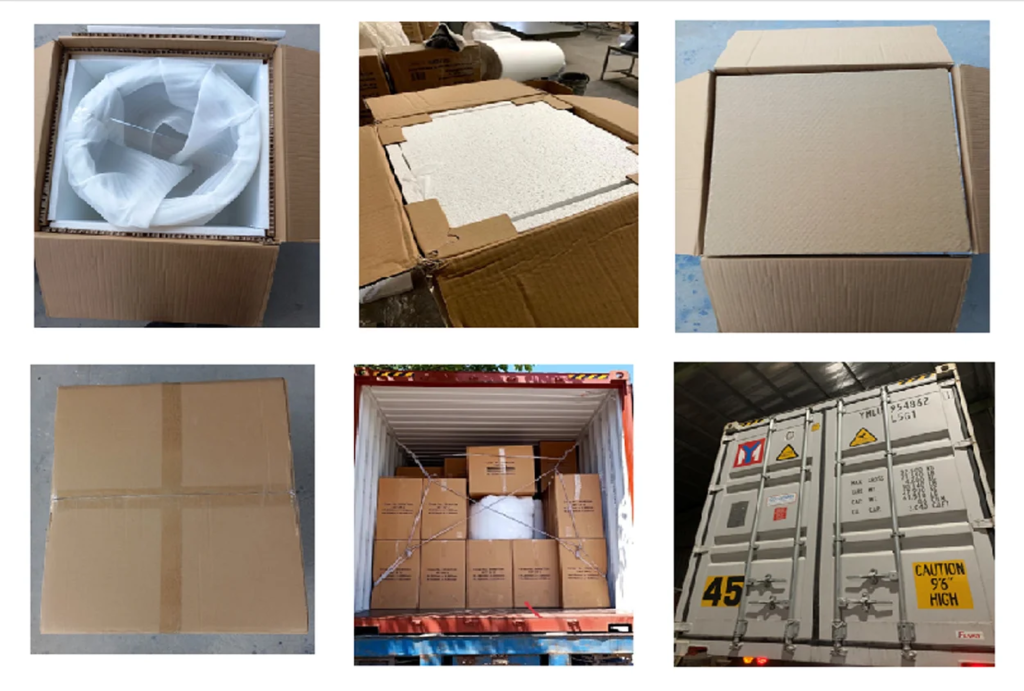
- packaging type: KD/flat-pack or assembled
- carton labeling and installation kit labeling
- damage control plan: require packaging test plan and palletization logic where applicable
5.5 Spare parts plan (the project “repeat business” lever)
Specify:
- spare ratio by room count
- separate spare kit packing and labeling
- lead time for spare replenishment
5.6 Documentation deliverables
- shop drawings / installation instructions
- inspection and acceptance photos standard (supports remote approval)
- packing list + carton list + container loading plan
6) Bonus: Compact bathroom vanity checklist (small bathrooms)
(with natural keyword placement for SEO + project reality)
Even if your main scope is room FF&E, compact-room success often hinges on the bathroom. A cluttered vanity makes the whole room feel smaller. Procurement teams frequently evaluate suppliers using search terms like:
- bathroom cabinet vanity manufacturer
- wholesale bathroom vanity supplier
- bathroom vanities for small bathrooms
- bathroom vanity with tall cabinet
- corner vanities for bathrooms
- custom built bathroom vanity
- double vanity sinks for bathrooms
- how do you replace a bathroom vanity
6.1 What “contract-grade” vanity means for hotels
For hospitality, the vanity must support:
- fast housekeeping
- moisture exposure
- consistent installation across rooms
- long-term serviceability (future replacement and renovation)
If you present yourself as a panel furniture OEM/ODM partner, position vanity options alongside room FF&E. This signals you understand full-project delivery—not just one product category.
6.2 Best-performing layouts for bathroom vanities for small bathrooms
For bathroom vanities for small bathrooms, write clear specs for:
- usable countertop landing space (prevents clutter)
- U-cut or plumbing bypass strategy that preserves storage
- moisture defense: edge sealing strategy and ventilation
6.3 Vertical storage wins: bathroom vanity with tall cabinet
A bathroom vanity with tall cabinet often improves usability more than increasing vanity width:
- moves storage from horizontal to vertical
- creates a dedicated housekeeping supply zone
- reduces countertop mess
Procurement spec tips:
- tall cabinet door swing must not block entry
- include anchoring method and load expectations
- define material and edge strategy for wet zones
6.4 Corner solutions: corner vanities for bathrooms
Corner vanities for bathrooms are powerful in tight plans—but easy to get wrong. Require:
- real standing position clearance in front of the basin
- door/drawer usability validation
- actual usable storage volume confirmation (not just external size)
6.5 Premium room types: custom built bathroom vanity + double vanity sinks for bathrooms
Suites and long-stay units may require a custom built bathroom vanity. Some premium layouts use double vanity sinks for bathrooms. These options increase complexity, so tighten:
- sample approval gates
- finish batch control
- spare parts and replacement panels strategy
6.6 Serviceability: “how do you replace a bathroom vanity” is a procurement question
When buyers ask how do you replace a bathroom vanity, they are really asking:
- Can we swap doors/panels without ripping out plumbing?
- Are parts standardized and labeled?
- Is the vanity modular to minimize downtime?
Include a deliverable: a “Maintenance & Replacement Guide” that lists:
- replaceable parts
- disassembly order
- part codes and reorder method
For bathroom-specific credibility, many project teams reference the kitchen & bath industry’s leading association resources. NKBA+1
If indoor air quality is part of the brief, UL’s GREENGUARD program is widely cited. It is often mentioned in discussions about low-emitting products. UL Solutions+1
7) Delivery & acceptance: mock-up, production consistency, installation
7.1 Mock-up room (prototype) as a decision tool
A compact-room mock-up should validate:
- circulation and collision checks (doors, drawers, luggage)
- housekeeping speed (clearances and legs)
- acoustic performance (hardware noise)
- finish durability in contact zones
7.2 Production consistency (the real contract-grade metric)
Define:
- color and finish batch control
- dimensional tolerances
- inspection plan and reporting format
7.3 Installation plan (reduce on-site risk)
For flat-pack projects:
- estimate labor by module complexity, not “per room” guesswork
- require labeled hardware bags per module
- include a 10-minute room acceptance checklist for the installer/GC
For project buyers, space saving furniture must be quote-friendly and factory-buildable. A good space saving furniture RFQ must list board grade and finish performance. It should also include reinforced hardware points, packaging protection, and spare parts ratios. When suppliers quote the same space saving furniture assumptions, bids become comparable. Your mock-up approval becomes far more predictable. The installation schedule is also more predictable.
8) FAQ
Q1: What’s the first thing procurement should lock when sourcing space saving furniture for compact hotel rooms?
A: Lock clearance rules and collision checks first (walkway, door swing, drawer pull-out, luggage zone). Then define bed format and storage modules.
Q2: Which RFQ items reduce warranty claims the most?
A: Hardware cycle/noise expectations, edge banding strategy, finish chemical resistance, packaging protection, and a spare parts plan.
Q3: How do panel furniture suppliers ensure both durability and mass-production consistency?
A: Standardized hole patterns, reinforced stress points, stable edge banding process, and repeatable hardware positioning—validated through mock-up and pre-production samples.
Q4: What’s the best vanity strategy for bathroom vanities for small bathrooms in hotels?
A: Prioritize vertical storage (bathroom vanity with tall cabinet), moisture-safe edge strategy, and serviceable modular parts for quick replacement.
Q5: Why do buyers ask “how do you replace a bathroom vanity” during RFQ stage?
A: It’s a lifecycle question. Hotels want minimal downtime during maintenance or future renovation. Therefore, modularity and spare parts labeling matter.
Q6: Which external references strengthen a project’s sustainability and compliance narrative?
A: FSC is important for responsible forest sourcing. ISO provides context for international standards. UL GREENGUARD is used for low-emitting product discussions. The choice depends on project requirements. fsc.org+2国际标准化组织+2
9) Authority External Links
You can paste these lines into relevant sections of your article as “authority links”:
- Responsible sourcing / sustainability reference: Buyers who need responsible forest product sourcing can look to FSC. It provides widely recognized standards and program information. fsc.org+1
- Indoor air quality reference (useful for hospitality briefs): If your tender mentions low-emitting materials, refer to UL’s GREENGUARD program. It is a common reference point. It is often used in indoor air quality discussions. UL Solutions+1
- Kitchen & bath industry authority (vanity scope): NKBA is leading for hotel bathroom planning. It is an industry resource from a top kitchen and bath association. NKBA+1
- International standards reference: When your RFQ mentions quality management standards, it refers to international standards. ISO publishes these global International Standards. 国际标准化组织+1
- China industry association credibility: For China-based manufacturers, CNFA provides an official industry association reference for sector context and industry updates. cnfa.com.cn+1
- North America wood products trade association (material trade context): IWPA represents the imported wood products trade community. It publishes resources relevant to responsible sourcing conversations. iwpawood.org+2iwpawood.org+2
- US home furnishings trade association (market context): AHFA offers compliance and labeling resources. Buyers may recognize these resources in North American conversations. ahfa.us+1
- Mainstream B2B sourcing context (optional): Many procurement teams use established B2B platforms for supplier discovery. Some examples are Alibaba, Global Sources, Made-in-China, Thomasnet, and Europages. europages.co.uk+4Alibaba+4全球资源+4
- European furniture industry federation reference (optional): For European industry context, EFIC represents European furniture industries at the confederation level. efic
CTA
Want a procurement-ready Compact Room FF&E Checklist (PDF) your team can send directly to bidders? We can format the checklist into an editable template. It will cover circulation clearances, panel construction nodes, hardware & spares, packaging protection, and bathroom vanity options for small bathrooms. Send your room plan and target market requirements, and we’ll align the checklist fields to your project’s acceptance criteria.
ABOUT US
We’re a panel furniture export manufacturer specializing in OEM/ODM production for hospitality and project buyers. Our core capabilities cover space saving furniture. We also provide Multi-Functional Furniture and Multi-Functional bed systems designed for compact hotel rooms, serviced apartments, and long-stay units. Durability, housekeeping speed, and repeatable installation matter as much as design in these contexts.
What we support for B2B projects
- Project-ready engineering: modular breakdown, shop-drawing support, and clearance-first layouts to reduce on-site conflicts.
- Contract-grade construction: reinforced stress points, stable hardware positioning, and consistent edge banding for long lifecycle performance.
- Material & compliance documentation: board/finish options with traceable production records (available on request).
- Flat-pack (KD) export delivery: packaging optimization, carton labeling systems, and spare parts planning to minimize damage and downtime.
- After-sales and spares: replacement panels and hardware kits with part codes to support hotel operations and renovation cycles.