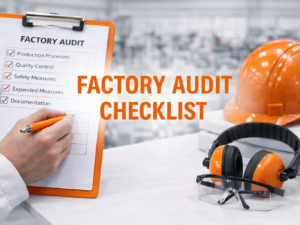
The Ultimate 21-Point Checklist to Choose a Reliable Kids Furniture OEM/ODM Supplier (Avoid Costly Mistakes)
Table of Contents
- Why “reliable supplier” matters more in kids furniture
- Step 1: Define your procurement goals and risk tolerance
- Step 2: OEM vs ODM—what B2B buyers should choose
- Step 3: Factory hard metrics: CNC, capacity, QC, traceability
- Step 4: The buyer’s document package (what to request before sampling)
- Step 5: 21-point factory audit checklist (from incoming to container loading)
- Step 6: Contracts & acceptance: AQL, sampling, claims, and penalties
- Step 7: Pilot order strategy (how to scale safely)
- Red flags that signal future returns and disputes
- FAQ
- CTA: Get the audit checklist + RFQ/quotation template
1) Why “Reliable Supplier” Matters More in Kids Furniture
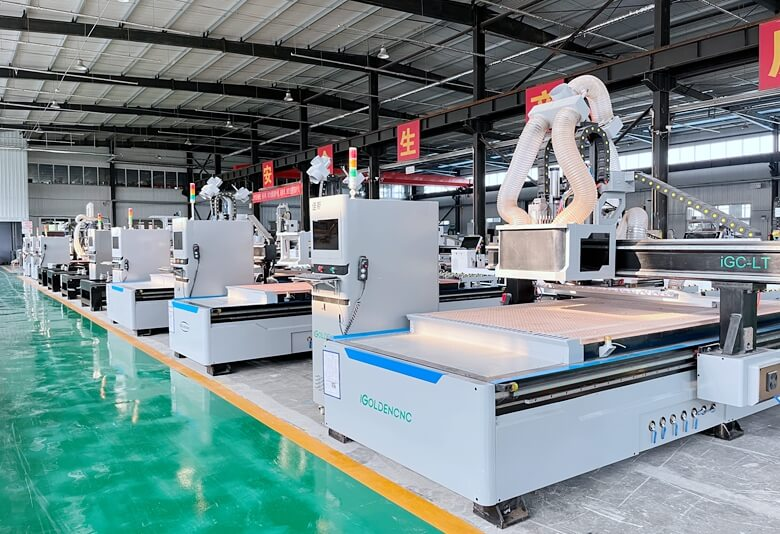
In kids furniture sourcing, “reliable” is not a branding word. It’s a measurable ability to deliver safe, compliant, consistent products at scale. This includes having a predictable lead time and low after-sales risk. The cost of one poor supplier decision is rarely limited to a delayed shipment. For B2B buyers, the real damage typically shows up as:
- Returns and chargebacks caused by missing hardware, poor hole accuracy, weak structures, or packaging damage
- Compliance failures that block retail onboarding or trigger customs/market surveillance issues
- Rework and field repairs that destroy margin on project deliveries (hotels, apartments, multifamily)
- Reputation loss with retailers, distributors, and end customers
This guide provides a practical framework. It includes a 21-point checklist to audit a kids furniture OEM/ODM partner. This is especially useful for flat-pack (RTA/KD) panel furniture manufacturing. In this area, precision, packaging engineering, and process control determine success. Your goal is to choose a supplier that can prove they operate like a system—not like a workshop.
2) Step 1: Define Your Procurement Goals and Risk Tolerance

Before you shortlist factories, get alignment inside your team. Reliable sourcing starts with a clear procurement brief.
2.1 What B2B buyers usually optimize for
Most importers and project buyers prioritize some combination of:
- Lead time stability (on-time delivery beats “promised fastest”)
- Low return rate (packaging + accuracy + clarity of instructions)
- Compliance readiness (US/EU/UK markets are particularly sensitive for children’s products)
- Scalable quality (pilot order quality must match mass production)
- Total landed cost (including packaging, damage rate, spare parts, warehouse handling)
If you are supplying hospitality or multifamily projects, add two more:
- Consistency across lots (same color, same hardware, same finish)
- Serviceability (spare parts, fast replacement, assembly support)
2.2 Identify your “risk hotspots” by product type
Kids furniture risk differs by category:
- Bunk beds / loft beds: fall hazards, entrapment hazards, guardrail & access requirements, structural integrity. In the US, there are voluntary and mandatory frameworks for bunk bed safety. Your supplier should understand the relevant standard landscape. They should also know the documentation expectations. U.S. Consumer Product Safety Commission+2ecfr.gov+2
- Cabinets / wardrobes: tipping stability, anti-tip kits, hardware reliability, door/drawer pinch points
- Desks / study sets: surface durability, edge-banding integrity, packaging damage risk
When you define these risk hotspots upfront, you can audit factories against the right criteria—not generic “quality talk.”
3) Step 2: OEM vs ODM—What B2B Buyers Should Choose
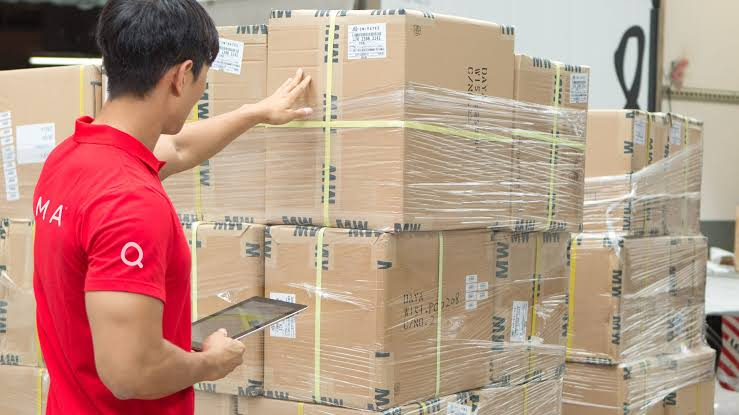
The fastest way to sourcing trouble is selecting the wrong collaboration model.
3.1 OEM: Best for buyers with clear specs and mature SKUs
Choose OEM if you already have:
- CAD drawings, BOM, packaging specs, and compliance targets
- A stable product concept proven in your market
- Clear acceptance standards and inspection criteria
OEM reduces design cost, but it increases your responsibility: your factory will build “to drawing.” If your drawings are incomplete or unrealistic, disputes become likely.
3.2 ODM: Best for buyers building bundles, collections, or new market entries
Choose ODM when you need:
- Design support, engineering optimization, modular planning
- Fast prototyping with fewer iterations
- A supplier who can propose cost-down, packaging improvements, and compliance-friendly design tweaks
For flat-pack kids furniture, ODM can create real ROI because the factory can design for:
- CNC efficiency and nesting yield
- Fewer parts and easier assembly
- Lower damage packaging
- Better repeatability in mass production
A flat-pack focused OEM/ODM manufacturer typically positions services around private label brands, wholesalers/distributors, and hospitality/multifamily projects. You should expect them to understand this buyer ecosystem. Flat-Pack Furniture Manufacturer+2Flat-Pack Furniture Manufacturer+2
4) Step 3: Factory Hard Metrics (CNC, Capacity, QC, Traceability)
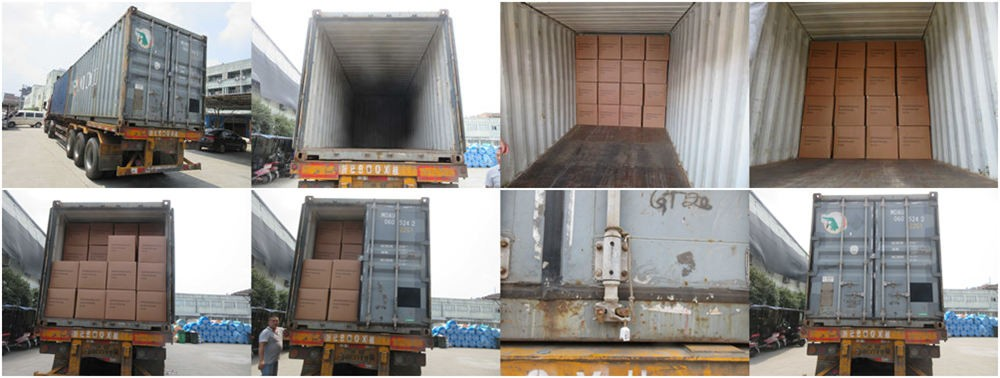
A reliable supplier can show you numbers and systems.
4.1 CNC capability (precision is profit in RTA)
For flat-pack panel furniture, CNC accuracy drives:
- Hole alignment
- Edge-banding fit
- Assembly speed
- Return/complaint rates
Ask the factory:
- What CNC equipment and drilling/boring lines do they run?
- How do they control hole position tolerance and panel squareness?
- Do they do trial assembly or “pre-assembly verification” on critical SKUs?
4.2 Capacity and scalability (avoid the “sample looks great” trap)
You need proof that they can repeat quality at volume:
- Monthly capacity by category (beds, wardrobes, desks)
- Peak season lead time planning
- Production scheduling method (how do they prevent overbooking?)
A credible global B2B manufacturer will present stable capacity and a production system. They often emphasize long-term export experience. They also focus on standardized QC inspection. Flat-Pack Furniture Manufacturer+1
4.3 QC workflow and traceability
Ask for a clear QC map:
- Incoming inspection (panels, edge tape, hardware)
- First-article inspection (FAI)
- In-process inspection
- Final inspection
- Container loading inspection
Traceability matters for children’s products and large projects. Your supplier should be able to trace:
- Panel batch / supplier
- Hardware kits / lot codes
- Packaging lot / labeling
4.4 Quality management system signals
If they reference ISO-aligned quality systems, it’s not automatically a guarantee. However, it’s a positive signal when backed by real process control. ISO explains that ISO 9001 emphasizes customer satisfaction and continual improvement in quality management systems. iso.org
5) Step 4: The Buyer’s Document Package (Request Before Sampling)
Reliable suppliers don’t hesitate when you ask for documentation. Here is what you should request before paying for samples:
5.1 Engineering & product documents
- 2D drawings (with key dimensions & tolerances)
- 3D renderings / exploded views
- BOM (including hardware specification and finishing system)
- Assembly instructions draft (with step order and torque guidance)
5.2 Compliance and market documentation (US/EU/UK common needs)
Depending on your market and product type, ask for:
- Materials compliance for composite wood regulations is important. For the US, TSCA Title VI formaldehyde standards apply to composite wood products and related finished goods pathways. The EPA provides official guidance and rule updates. US EPA+2ecfr.gov+2
- For bunk/loft products, you need to be aware of bunk bed safety requirements in the US context. There are also entrapment hazard standards to consider (CPSC overview and federal standard references). U.S. Consumer Product Safety Commission+2ecfr.gov+2
- For EU/UK: it is important to be aware of EN 747. This framework is the core requirement for safety, strength, and durability in bunk and high beds. EU standard references and update notes are widely used by compliance labs and buyers. ndls.org.cn+2m.sgsonline.com.cn+2
5.3 Packaging and logistics documents
- Carton drop test approach (or packaging validation method)
- Inner protection layout (corner protectors, honeycomb, foam, etc.)
- Labeling spec: SKU, carton number, hardware kit code, country labeling
- Container loading plan (optional but highly recommended)
6) Step 5: The 21-Point Factory Audit Checklist (Practical + Buyer-Focused)
Use this as your on-site/remote audit structure. It is designed specifically for flat-pack kids furniture.
A) Incoming Material Control (1–5)
- Panel supplier qualification: stable vendors, batch records
- Moisture control & storage method for panels
- Edge banding material/adhesive control (to prevent peeling)
- Hardware incoming inspection (counts + functional check)
- Color/finish batch control and labeling
B) CNC & Machining Control (6–9)
- CNC nesting optimization and part marking method
- Drilling/boring tolerance control and calibration schedule
- Dust control and surface protection to prevent scratches
- Rework handling process (how do they prevent mixed parts?)
C) Assembly Verification (10–13)
- First-article assembly check (critical for loft/bunk SKUs)
- Guardrail/ladder/stair strength verification for bed products
- Hardware kit completeness and error-proofing (kitting process)
- Instruction clarity review (reduce “wrong assembly” returns)
D) Quality Inspection System (14–17)
- In-process inspection frequency and checklist examples
- Final inspection criteria: cosmetics + function + measurements
- AQL sampling readiness (do they understand your acceptance standard?)
- Traceability labeling on cartons and parts
E) Compliance Mindset (18–19)
- Familiarity with product-type safety requirements (bunk/loft especially) and ability to support required warning labels and consumer information. CPSC highlights that ASTM F1427 includes performance and labeling/instruction requirements for bunk beds. U.S. Consumer Product Safety Commission+1
- Composite wood formaldehyde compliance readiness for US buyers; EPA provides official rule info and updates under TSCA. US EPA+2ecfr.gov+2
F) Packaging & Container Loading (20–21)
- Packaging engineering to reduce edge crush, corner damage, and hardware loss
- Container loading inspection: carton integrity, moisture protection, photo evidence
7) Step 6: Contracts & Acceptance (AQL, Sampling, Claims)
A reliable supplier is also a supplier willing to define responsibility clearly.
7.1 AQL and sampling—make acceptance measurable
Define:
- Inspection level and sampling plan
- Major vs minor defects
- Reinspection rules
- Who pays for rework and replacement
This prevents “we think it’s acceptable” arguments after shipment.
7.2 Claims and penalties (protect your project timeline)
For project orders (hotel/apartment/multifamily), consider:
- Late delivery penalties after a grace period
- Replacement part SLA (e.g., within 7–14 days)
- Packaging damage claim evidence requirements (photos, carton condition, label visibility)
7.3 Golden sample and change control
Require:
- Signed-off pre-production sample (golden sample)
- Engineering change notice (ECN) process
- Color/finish master panel retained for comparison
8) Step 7: Pilot Order Strategy (How to Scale Safely)
A pilot order is not just a “small order.” It’s a controlled experiment.
8.1 What to test in pilot orders
- Assembly time and error rate
- Packaging damage rate after real shipping routes
- Hardware completeness rate
- Consumer complaint drivers (scratches, missing parts, unclear manual)
8.2 How to scale after a successful pilot
- Lock BOM and packaging spec
- Add spare parts policy
- Move from “final inspection only” to “process + final” QC model
- Consider sustainability or chain-of-custody if your buyers require it
If sustainability claims matter to your channels, consider FSC chain-of-custody certification. It is an established approach to verifying forest-based materials through the supply chain. fsc.org+1
9) Red Flags That Predict Returns and Disputes
If you see these patterns, pause before placing volume orders:
- The factory cannot provide clear QC checkpoints or inspection records
- They avoid discussing compliance documentation, labeling, or market-specific requirements
- They cannot explain how they prevent missing hardware kits
- Packaging is treated as an afterthought (no internal protection design)
- Sample quality is “hand-picked,” but they refuse first-article mass production checks
10) FAQ
Q1: What’s the difference between OEM and ODM for kids furniture?
OEM means the factory manufactures to your drawings and BOM. ODM includes design and engineering support. It also involves prototyping, and optimization for production and flat-pack assembly.
Q2: What documents should I request before paying for a sample?
Ask for drawings, BOM, hardware specs, finishing system, assembly instructions draft, and packaging spec. For US/EU/UK, confirm compliance readiness for your product category and materials.
Q3: Why do flat-pack (RTA/KD) suppliers need strong CNC capability?
Because assembly accuracy depends on drilling tolerance, panel squareness, and repeatable machining. Poor CNC control leads to misaligned holes, wobbling structures, and high return rates.
Q4: What is the most common cause of returns in RTA kids furniture?
Missing hardware, unclear instructions, packaging damage, and hole-position errors are the most common drivers—especially for complex loft/bunk sets.
Q5: How do I structure a safe pilot order?
Use the pilot to test assembly time, packaging damage rate, hardware completeness, and complaint drivers. Lock specs after the pilot and implement change control.
Q6: Which compliance topics matter most for US buyers?
For bunk beds, safety and entrapment hazard frameworks are central. For panel materials, TSCA Title VI formaldehyde standards and related documentation are key. ecfr.gov+3U.S. Consumer Product Safety Commission+3ecfr.gov+
If you’re sourcing kids furniture for retail, private label, or hospitality/multifamily projects, message us to receive:
- 21-point factory audit checklist (PDF)
- RFQ + quotation template (materials, hardware, packaging, lead time, and acceptance terms)
Provide information on your target market. Include your product type and estimated order quantity. Specify your compliance needs. We will respond with a structured proposal.