
If you sell furniture to real customers—retail, e-commerce, hospitality, or apartment projects—you already understand this. Shoppers type “bookcase”, “book shelf”, and “book shelving”. They behave as if the terms are the same thing. But behind those keywords are very different buyer intents, different performance expectations, and different return triggers.
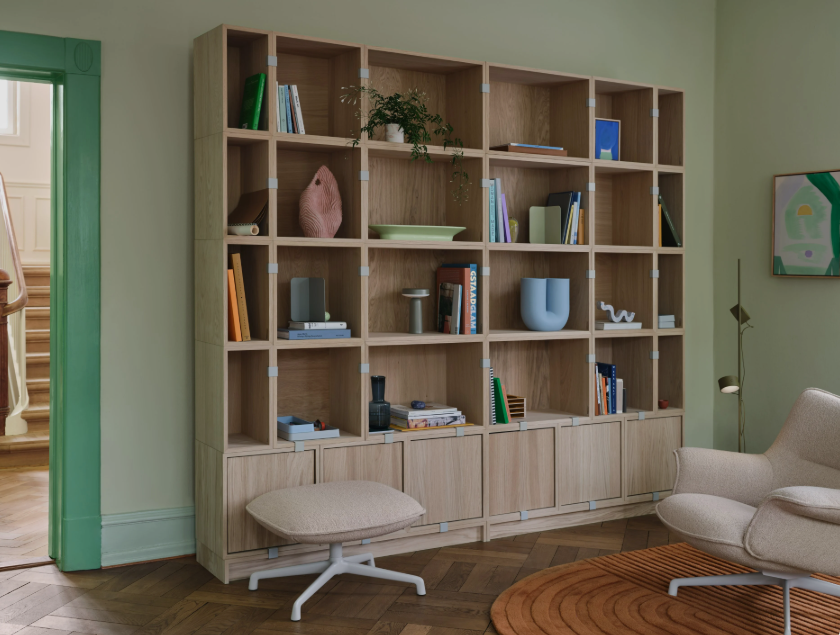
A private-label retail buyer might be looking for a clean open bookcase line with two finishes. An Amazon seller might care more about “easy assembly” and damage rates than aesthetics. A hotel or multifamily procurement team may prioritize safety documentation, durability, and predictable lead times. One keyword, many buyers.
This guide is written for B2B industry buyers: retailers, importers, distributors, e-commerce operators, and project procurement teams (hotel/apartment/student housing). You’ll learn how to define product types correctly. You’ll choose the right materials. You will engineer stability and load capacity. You will reduce shipping damage in RTA / flat pack. You will manage OEM/ODM sourcing with fewer surprises.
Who is this guide for?
- Retail buyers building a private label program
- E-commerce sellers (Amazon / Wayfair / Walmart style demand)
- Hospitality & contract buyers (hotel, serviced apartment, coworking, office projects)
- Multifamily / apartment project buyers (developers, property managers, procurement)
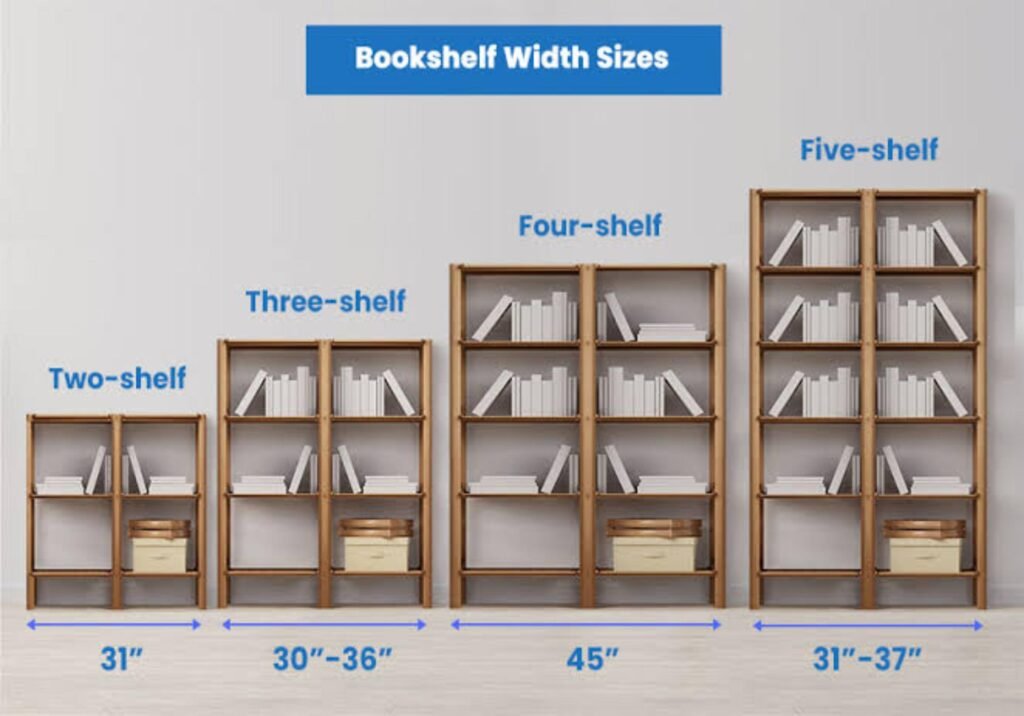
Table of Contents
- Definitions: Bookcase vs Bookshelf vs Book Shelving
- Buyer Intent & Use Cases by Channel
- Sizing & Capacity: Height/Width/Depth That Works
- Materials: Plywood vs MDF vs Particle Board
- Load Capacity & Structure: Prevent Sag and Wobble
- Safety & Compliance: Anti-tip, Labels, Real Homes
- RTA / Flat Pack Packaging: Reduce Damage, Reduce Returns
- Assembly Experience: The Hidden Driver of Ratings
- Styles & Trend Keywords Buyers Search
- OEM/ODM Buyer Playbook (Retail + Projects)
- FAQ (with Schema)
- CTA for B2B Inquiries
1) Definitions: Bookcase vs Bookshelf vs Book Shelving
Before you build SKUs or quote an RFQ, align terminology. Mislabeling causes the #1 silent cost in commerce: mismatched expectations.
Bookcase
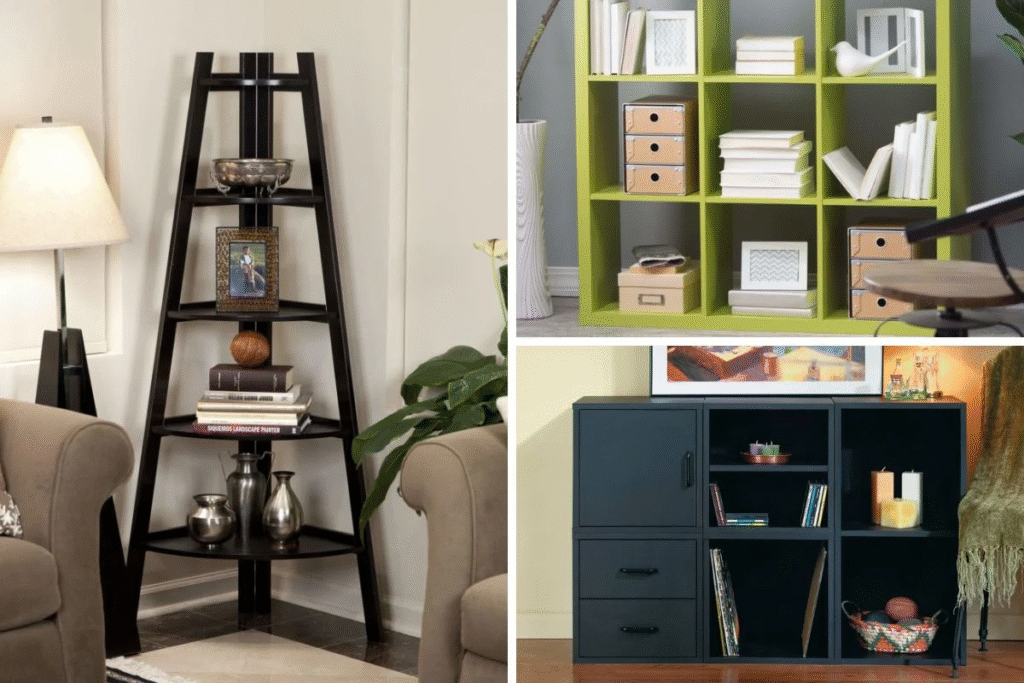
A freestanding storage unit—usually taller—with multiple shelves. May be open, partially closed, or fully closed with doors. Typical use: living room storage, home office organization, study rooms, libraries.
Common searches tied to bookcase intent:
- 5 tier bookcase
- 6 shelf bookcase
- open bookcase
- black bookcases
- wide bookcase
- white wood bookcase
- revolving bookcase
- round bookcase
Bookshelf / Book Shelf
Used loosely in consumer language. Often means:
- a smaller freestanding shelf unit
- a short bookcase
- or simply “bookcase” in casual speech
Common searches:
- room essentials 5 shelf bookcase
- walmart bookcases
- amazon bookcases
- wayfair bookcases
- leaning bookcase
Book Shelving
Usually means a system or layout, including wall shelves, floating sets, modular shelving, built-ins, and room-divider systems.
Common searches:
- book shelving ideas
- floating shelf bookcase
- bookcase decor
- bookcase background (for video calls/Zoom staging)
- black corner bookcase
- billy corner bookcase (corner solution style queries)
B2B takeaway: In catalogs and e-commerce listings, define these categories clearly and keep the naming consistent. If your product is a wall system, don’t list it as a “bookcase” unless it performs like one.
2) Buyer Intent & Use Cases by Channel (Retail / E-commerce / Projects)
Retail buyers: sell-through + appearance consistency
Retail wants predictable finishes, stable colors, and clean modern silhouettes. Top drivers:
- consistent color batches across production runs
- visual merchandising (display-friendly proportions)
- low complaint rate at customer level (stability, assembly, missing parts)
E-commerce buyers: ratings, returns, and damage rate
If your channel includes “amazon bookcases,” “wayfair bookcases,” or “walmart bookcases” behavior, your product must be engineered for:
- flat pack survivability
- low assembly friction
- reliable hole alignment
- protective packaging for corner/edge damage
- clear documentation and spare parts policy
In e-commerce, a single crushed corner can destroy the review score. A 1-star assembly complaint can tank conversion for months.
Hospitality / apartment projects: durability + safety + repeat supply
Project buyers focus on:
- durability under real use
- stable supply and consistent specs
- safety (anti-tip, stable base, child safety where applicable)
- replacement parts availability and service workflow
- packaging suitable for warehouse handling and job-site distribution
Project-friendly product types:
- solid open bookcase for communal spaces
- room divider shelving (zoning open-plan areas)
- TV stand with bookcase combinations for apartments
- commercial-grade book shelving layouts for shared lounges
3) Sizing & Capacity: Height/Width/Depth That Actually Works
Sizing mistakes cause:
- “It doesn’t fit my binders” complaints
- “Looks smaller than photos” returns
- stability issues when loaded
- wasted shelf space that looks “cheap”
Buyer-friendly depth guide (D)
- Books only: 20–25 cm (works for paperbacks and many standard books)
- Books + decor mixed: 25–30 cm (more versatile)
- A4 binders / files: 30 cm+ (safer for office use)
Height guide (H)
- Low / mid-height: better safety profile, great for kids’ rooms and under windows
- Tall bookcase: higher capacity but needs anti-tip hardware and better base stability
- 6 shelf bookcase formats often sit in the “tall, high capacity” bracket—engineer for stability
Width (W) and shelf span warning
A wide bookcase looks premium, but longer spans sag faster unless you:
- add center dividers
- use thicker shelves
- engineer back panel rigidity
- strengthen hardware joints
Shelf spacing (the reason bookcases feel “useful”)
Buyers often forget to specify shelf spacing, then suffer returns. If you want a “practical bookcase,” ensure:
- at least one shelf height supports taller books / decor
- one area supports office file height if aimed at home office
- adjustable shelf pins allow flexible configurations
Small-space layouts buyers love (high-demand searches)
- 5 tier bookcase (vertical storage density)
- leaning bookcase (visual lightness)
- black corner bookcase / billy corner bookcase style solutions
- floating shelf bookcase wall layouts
- compact + multifunction: TV stand with bookcase
Procurement tip: Offer “platform sizes” (standardized depth + shelf pitch) and let buyers customize finish and minor details. You’ll scale faster and keep QC stable.
4) Materials: Plywood vs MDF vs Particle Board (B2B Decision Framework)
B2B buyers don’t buy “a panel.” They buy the outcome: durability, finish stability, low odor, compliant materials, and predictable performance.
For buyers selling into the U.S. market, composite wood compliance questions often relate to formaldehyde emissions. The U.S. Environmental Protection Agency provides the official overview. More details about Formaldehyde Emission Standards for Composite Wood Products (TSCA Title VI) are available. Find them here: EPA TSCA Title VI Composite Wood Standards. 环境保护局
If your compliance team needs the legal text reference, the eCFR version of 40 CFR Part 770 is available. You can find it here: eCFR: 40 CFR Part 770. eCFR
Plywood
Why buyers choose it:
- strong structure and stability
- better screw holding for many designs
- perceived quality premium (especially for exports and projects)
Best fit:
- heavy-duty storage
- high-use environments
- premium lines where structure matters more than lowest cost
MDF
Why buyers choose it:
- very smooth surface for paint/foil finishes
- consistent machining and clean edges when properly processed
Watch-outs:
- heavier shipping weight
- edge durability depends heavily on edge banding quality and design
- moisture sensitivity in poor environments if not protected
Best fit:
- modern painted designs
- consistent finish requirements
- mid to premium lines with good engineering
Particle Board
Why buyers choose it:
- cost efficiency and mainstream RTA compatibility
- stable supply chain in many regions
Watch-outs:
- edge and screw holding require careful engineering
- packaging must protect corners and edges
- moisture exposure requires appropriate surface and edge sealing
Best fit:
- value segments
- high-volume RTA programs with strong packaging controls
Surface options (where buyers “feel” quality)
Common B2B surface systems:
- melamine (durable, cost-effective, popular in RTA)
- veneer (premium look, needs consistent matching)
- paint (premium feel, surface prep is critical)
- laminate (high durability, higher cost)
Edge banding and durability
Buyers increasingly specify edge banding because it affects returns:
- EVA (standard)
- PUR (higher resistance and longer durability in many cases)
Compliance note (US/EU buyers)
US buyers often ask about composite wood emission standards (e.g., EPA TSCA Title VI for formaldehyde emissions in composite wood products used in furniture). EU buyers may ask about REACH-related substance declarations and documentation processes.
5) Load Capacity & Structure: How Shelves Stay Straight (and Don’t Wobble)
If you want fewer returns and better ratings, treat shelf performance as an engineered promise.
The 4 core drivers of shelf sag
- Shelf span (width between supports)
- Shelf thickness
- Support design (center divider, bracket, back panel)
- Hardware + joint integrity (cam lock quality, dowels, screws)
Structural features that improve stability
- Center vertical panel: reduces shelf span dramatically
- Back panel: improves rigidity and reduces wobble/racking
- Corner blocks / L-brackets: strengthen stress points
- Proper base design: wide enough to resist tipping forward
Practical buyer checklist (put in RFQ)
- Target load per shelf (light / medium / heavy)
- Shelf count and adjustable shelf expectations
- Max shelf span allowed without divider
- Back panel requirement (yes/no, thickness)
- Anti-tip kit requirement for tall units
- Assembly time target (single person? two person?)
- Spare parts policy (hardware & panel replacements)
What shoppers expect (and what you should communicate)
Consumers don’t understand “deflection.” They understand:
- “Holds heavy books without bending”
- “Doesn’t wobble”
- “Feels sturdy and safe”
If you can honestly deliver that, highlight it.
6) Safety & Compliance: Anti-tip, Labels, and Real Homes
For tall storage furniture (including many tall bookcases), tip-over prevention is a real concern in family homes. The U.S. Consumer Product Safety Commission’s Anchor It! campaign explains why anchoring furniture matters and provides simple anchoring guidance.
If you prefer the official CPSC hub page for the campaign resources, you can also reference the CPSC Anchor It! education center here.
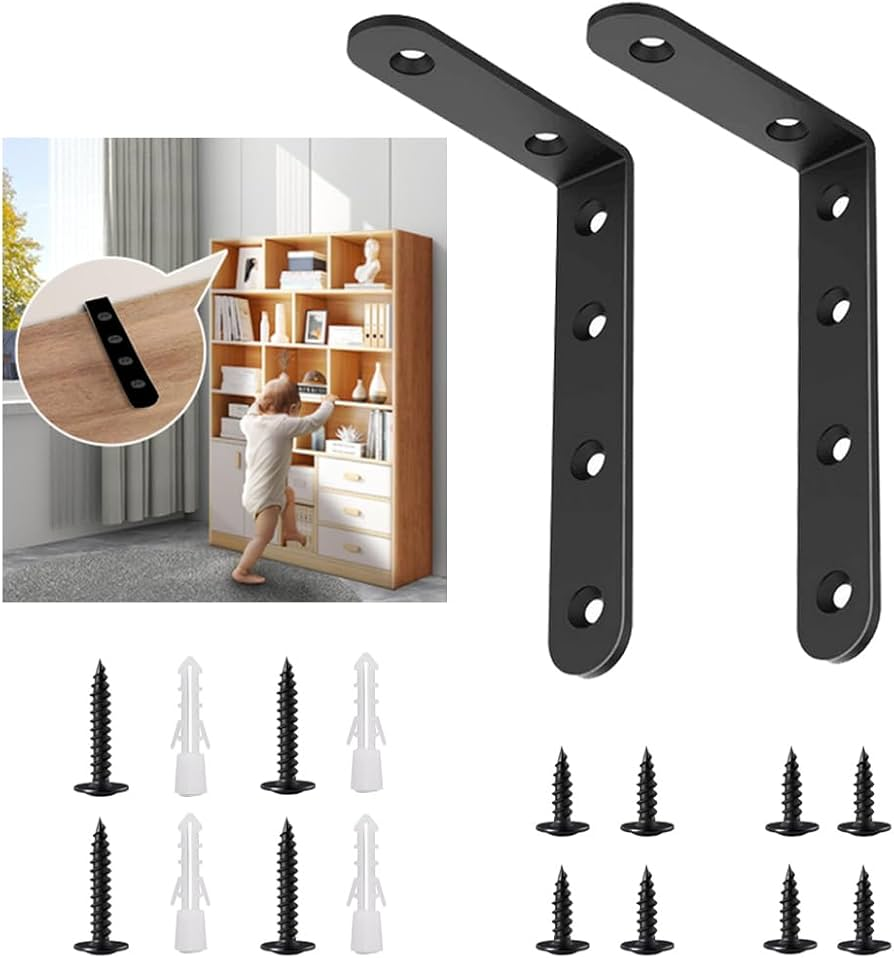
Tall storage can tip, especially in homes with children, thick carpet, or uneven floors. For US/UK/EU/AU markets, anti-tip is increasingly expected—especially for taller bookcases.
What buyers should specify for tall units
- Anti-tip kit included
- Clear install instructions (including different wall types)
- Warning label placement plan
- Stable base and wall anchoring guidance
Tip-over risk scenarios (real-world)
- drawers open + child climbs
- heavy items placed on top shelves
- carpet changes footing and stability
- customers skip anchoring without clear instructions
Buyer note: Even if the product is “just a bookcase,” e-commerce buyers increasingly expect anti-tip guidance for tall SKUs.
7) RTA / Flat Pack Packaging: How to Reduce Damage and Returns

In e-commerce, packaging is part of the product. If it arrives damaged, the customer blames the brand—not the carrier.
To reduce shipping damage and returns in e-commerce, many brands align packaging validation with recognized test procedures. ISTA lists its test procedures (including parcel delivery-focused methods) here: <a href=”https://ista.org/test_procedures.php” target=”_blank”>ISTA Test Procedures</a>. 国际安全运输协会
For teams evaluating parcel delivery stress, ISTA’s Procedure 3A is widely referenced. It is used for packages shipped through parcel systems (≤150 lb / 70 kg). You can see the overview here.
Common damage patterns for bookcases
- crushed corners
- edge chipping on melamine panels
- surface scratches
- missing hardware or mislabeled parts
- broken back panels from compression
Packaging features that reduce damage
- reinforced corner protectors
- edge guards on long panels
- internal dividers (prevent rubbing)
- hardware in separate protected compartments
- surface film on high-gloss or scratch-sensitive finishes
Parcel vs pallet vs container
- Parcel networks need stronger corner/edge engineering
- Pallet LTL requires stacked compression strength
- Container shipping requires moisture control, carton strength, and stable palletization
Reduce customer frustration (and your after-sales cost)
- include spare hardware pack
- include clear part inventory list
- standardize labeling and inspection at packing stage
8) Assembly Experience: The Hidden Driver of Ratings (and Refunds)
A good-looking product can fail in the market if assembly is frustrating.
What reduces assembly complaints immediately
- numbered parts + matching diagram
- consistent hole positioning and tight tolerances
- simple tool requirements
- QR code to a 60–120 second assembly video
- smart packaging sequence (panels in assembly order)
Fast-assembly hardware: when it helps
If you are targeting “amazon bookcases” style customers, quick assembly can win:
- fewer steps
- less confusion
- better ratings
But fast-assembly hardware only works if:
- drilling accuracy is consistent
- QC catches misaligned batches early
- instructions are crystal clear
B2B KPI idea: track “assembly time to completion” and “missing parts rate” as measurable product health metrics.
9) Styles & Trend Keywords Buyers Search
Below are buyer-friendly style groupings with your required keywords naturally included.
Core evergreen winners
- open bookcase: clean styling, easy access, strong visual merchandising
- black bookcases: modern, industrial, high contrast for US/UK buyers
- white wood bookcase: Scandinavian and minimalist interior trend
- wide bookcase: media rooms, family rooms, shared spaces
Space-saving / specialty searches
- 5 tier bookcase: vertical storage density, popular across channels
- 6 shelf bookcase: tall capacity, requires anti-tip strategy
- leaning bookcase: light footprint look for apartments
- floating shelf bookcase: wall-based systems and “book shelving” layouts
- black corner bookcase: corner optimization for small homes
- billy corner bookcase: style-driven corner solution searches
- revolving bookcase: novelty + compact storage
- round bookcase: statement furniture category
Lifestyle-driven searches that boost traffic
- bookcase decor: styling content converts high
- bookcase background: remote-work and content creators use this keyword
- tv stand with bookcase: multifunction furniture for apartments
Retailer-intent traffic (don’t ignore)
- amazon bookcases
- walmart bookcases
- wayfair bookcases
- room essentials 5 shelf bookcase
10) OEM/ODM Buyer Playbook (Retail + Hospitality + Multifamily)
If you are buying for a line or furnishing a project, success depends on process. Here’s a practical OEM/ODM playbook procurement teams can follow.
Step-by-step sourcing workflow
- Confirm target market (US / UK / EU / AU / Middle East) and channel needs
- Define product category: bookcase vs book shelf vs book shelving system
- Lock dimensions (H/W/D), shelf spacing, and usage type (books/binders/decor)
- Select material stack: plywood/MDF/particleboard + surface finish
- Engineer stability (base + back panel + divider + anti-tip plan)
- Set load capacity targets and span constraints
- Confirm packaging strategy (parcel / pallet / container)
- Develop sample (prototype) and review finish + assembly experience
- Approve PP sample (pre-production)
- QC checkpoints: incoming material, in-process, final inspection
- Shipping labels, instructions, and market-specific documentation
- After-sales: spare parts, replacement panels, response SLA
RFQ checklist (copy & paste into your inquiry)
- Product name and category (bookcase / bookshelf / shelving system)
- Target market + sales channel
- Dimensions (H/W/D) and shelf spacing requirement
- Material preference (plywood/MDF/particleboard)
- Surface finish (melamine/veneer/paint/laminate)
- Color reference or code
- Load target per shelf and total load
- Stability features (divider/back panel/anti-tip kit)
- Packaging method (parcel/pallet/container) + drop test expectations
- MOQ and forecast (first order + annual)
- Target lead time + shipping terms
- Required branding (logo, label, carton artwork)
What project buyers should add (hotel/apartment)
- room plan and delivery schedule
- replacement parts policy
- batch consistency requirements
- installation workflow (on-site labor needs)
- storage and staging constraints
11) FAQ
Q1: What is the difference between a bookcase and a bookshelf?
A bookcase is typically a freestanding unit (often taller), while “bookshelf/book shelf” may refer to smaller units or single-shelf products. “Book shelving” often means wall systems or multi-piece shelving layouts.
Q2: What depth is best for books and binders?
Depth depends on storage needs. Books-only can be shallower, but A4 binders and mixed storage typically need deeper shelves to avoid overhang and improve usability.
Q3: How much weight can each shelf hold?
Load depends on span, thickness, support design (center divider/back panel), and hardware quality. Wider spans need stronger engineering to prevent sag.
Q4: Do I need anti-tip hardware for a tall bookcase?
For tall units and family environments, anti-tip anchoring is strongly recommended. It also reduces liability and improves customer confidence.
Q5: Plywood vs MDF—what’s better for a bookcase?
Plywood often provides stronger screw holding and structure; MDF offers smooth surfaces for painted finishes. The best choice depends on price point, finish, and performance requirements.
Q6: How do I reduce shipping damage for flat-pack bookcases?
Use corner/edge protection, internal separation, organized hardware packs, surface protection film, and validate packaging against parcel delivery stress.
Q7: What’s a typical MOQ and lead time for OEM/ODM?
MOQ and lead time vary by finish, complexity, and material sourcing. Align on sampling, PP approval, QC, and packaging requirements during RFQ.
Send us your target size or style. Include the market and estimated order volume. You will receive a quote and a packaging proposal (RTA / flat pack). If you have sketches, CAD files, or reference photos, include them—OEM/ODM development moves faster with clear specifications.