Dining Room Furniture Size & Layout Guide for Small Apartments and Open-Plan Spaces
Table of Contents
- Introduction: Why Dining Room Furniture Size Matters in Small Spaces
- Common Dining Room Layout Types in Modern Apartments
- Narrow spaces beside kitchens
- Open-plan living, kitchen and dining combinations
- Corner dining nooks and window-side dining
- How to Measure Your Room Correctly
- Wall-to-wall dimensions
- Doors, windows and traffic paths
- Minimum distance behind chairs
- Choosing the Right Table for Small Spaces
- Round vs rectangular
- Drop-leaf and extendable designs
- Space-saving pedestal bases
- Smart Seating Options for Compact Dining Rooms
- Benches against walls
- Stackable / nesting chairs
- Mix-and-match seating for flexibility
- Storage-Integrated Dining Room Furniture Ideas
- Sideboards with hidden storage
- Buffet cabinets as room dividers
- RTA solutions for tight spaces
- Flat-Pack Dining Room Furniture: Advantages for Urban Apartments
- Delivery and stair access
- Easy assembly and disassembly
- Custom sizes from OEM suppliers
- Working with an OEM Dining Room Furniture Manufacturer
- FAQ: Dining Room Furniture Size & Layout
- Conclusion: Turn Small Spaces into High-Value Dining Areas
- Example Comments
Dining Room Furniture Size & Layout Guide for Small Apartments and Open-Plan Spaces {#introduction}
If you sell dining room furniture to modern urban customers, you already know one thing: space is the new luxury. Tenants, young families, and digital nomads are choosing smaller apartments and open-plan studios. They still expect a comfortable and stylish dining area. This area is where they can eat, work, and entertain.
For retailers, e-commerce brands and project developers, that means you can’t just pick any pretty table and chairs. You require modern dining room furniture. This furniture should be designed around correct sizes. It should also have efficient layouts. Additionally, flat-pack construction is important, ensuring it works in real-world spaces and not just in a photoshoot.
As a dining and panel-furniture OEM/ODM manufacturer behind plywoodmfr.com, we see the same questions from B2B buyers again and again:
- How big should the table be for a 2–4–6 seat small dining space?
- How much clearance do we need around chairs?
- What layouts work best in narrow rooms or open-plan living?
- How can flat-pack, ready-to-assemble (RTA) designs make installation easier?
This guide walks you through size, layout and product selection for small apartments and open-plan spaces. You will be able to brief your design team. You can also talk confidently to clients. Additionally, you will be able to source the right dining room furniture sets from OEM manufacturers.
1. Common Dining Room Layout Types in Modern Apartments {#layout-types}
When you design or source modern furniture for the dining room, you must first understand its location within the home. In compact projects, the dining area is rarely a dedicated room. It usually shares space with the kitchen or living area.
1.1 Narrow Spaces Beside Kitchens
One of the most common layouts is a narrow strip beside the kitchen:
- A galley or L-shaped kitchen along one wall
- A walkway in the middle
- A slim dining area on the opposite side
For this scenario, your dining room furniture needs to:
- Maintain clear circulation between the kitchen and the rest of the home
- Avoid deep chairs that jut too far into the walkway
- Prefer rectangular or narrow oval tables that align with the wall
Retailers and designers often succeed with:
- A 120–140 cm rectangular table for 4 seats
- Compact, slim-profile chairs
- A narrow sideboard that’s max 35–40 cm deep
1.2 Open-Plan Living, Kitchen and Dining Combinations
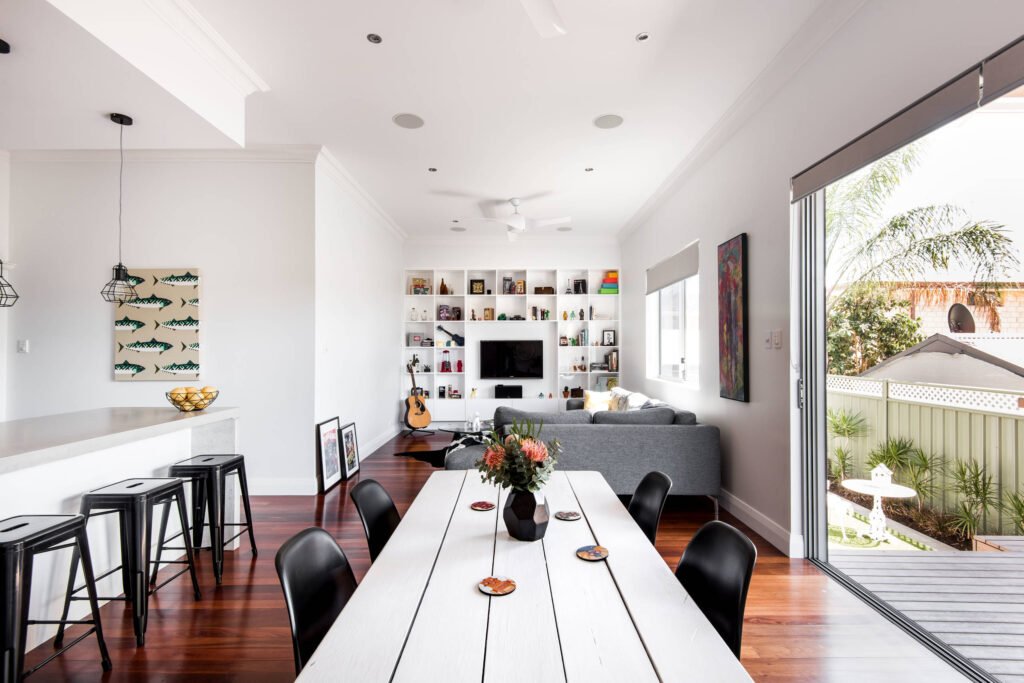
The open-plan layout is standard in new developments: kitchen, dining and living in one shared volume. Here the challenge is not just size—it’s zoning and visual consistency.
In these spaces, a modern dining room furniture set should:
- Visually connect to both the kitchen cabinets and the living room furniture
- Use finishes that harmonise with kitchen fronts and worktops
- Act as a subtle “bridge” between cooking and lounging areas
Typical strategies:
- Place the dining table roughly between the kitchen and sofa, often aligned with an island or peninsula
- Use a pendant light above the table as a visual anchor
- Select sideboards or buffets in matching finishes to the kitchen for a built-in look
1.3 Corner Dining Nooks and Window-Side Dining
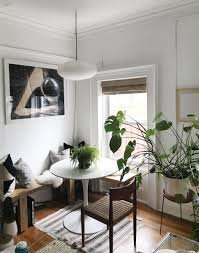
Small apartments love corner nooks:
- A dead corner transformed with a bench + table + two chairs
- A window-side dining zone where natural light becomes the star
For these nooks, the best dining room furniture is:
- L-shaped bench seating along two walls
- A small rectangular or round table
- One or two movable chairs for flexibility
This layout squeezes maximum seating into minimum floor area, ideal for:
- Short-stay rentals
- Student housing
- Young family apartments
2. How to Measure Your Room Correctly {#measure-room}
Perfect furniture layout starts with accurate measurements. As a B2B buyer, you don’t need to measure every millimetre yourself. However, you do need a clear measuring system to brief designers and OEM partners.
2.1 Wall-to-Wall Dimensions
Begin with the basic envelope:
- Measure the full length and width of the available space
- Note any offsets, columns or bulkheads that might reduce usable area
- Record ceiling height (important for pendant lights and tall storage)
For example:
- The dining area is 230 cm deep from kitchen to living room. You need a walkway of at least 80–90 cm. Your table + chairs depth must stay within 140–150 cm total.
2.2 Doors, Windows and Traffic Paths
Then, mark all openings:
- Door swings and sliding doors
- Large windows and balcony doors
- Main circulation paths (kitchen ↔ living room ↔ hallway)
Your modern dining room furniture cannot block:
- Access to the balcony or terrace
- Movement between kitchen appliances
- Key routes like entry door to living room
In open-plan layouts, imagine invisible “corridors” where people walk. Keep these at minimum 80–90 cm wide, ideally 100 cm+ for comfort.
2.3 Minimum Distance Behind Chairs
One of the most overlooked rules in dining room furniture size is clearance behind chairs. If you get this wrong, the room feels cramped even if the furniture itself is small.
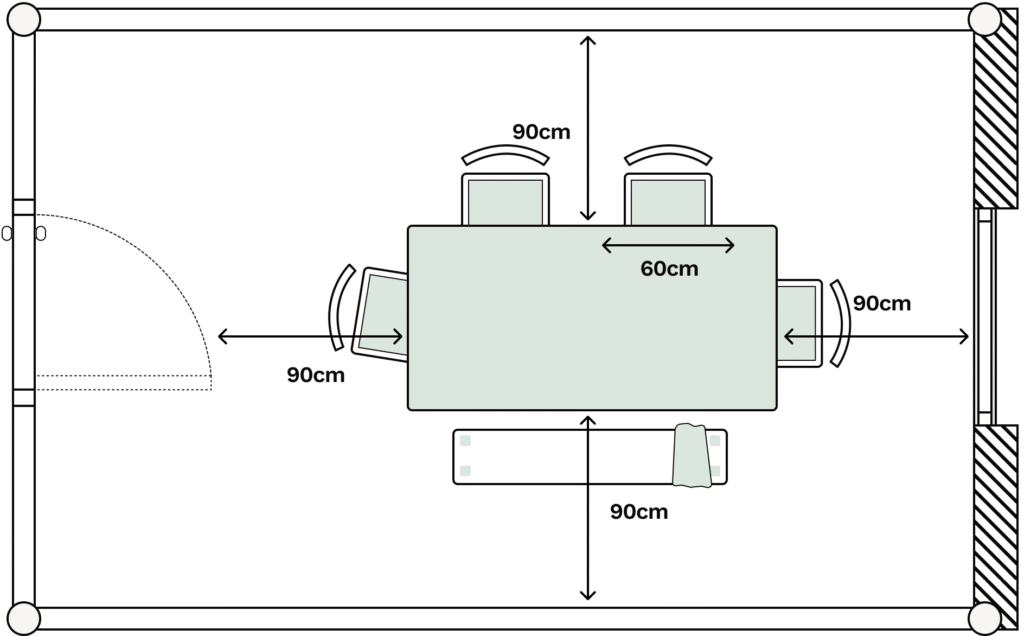
Good working guidelines:
- Minimum 60 cm from table edge to wall/obstacle (tight but workable)
- Ideal 80–90 cm for comfortable pulling out chairs and walking behind
So if your table is 80 cm deep, you need:
- 80 cm (table)
- 45–50 cm (chair depth)
- 60–80 cm (clearance)
This gives you a realistic target depth for your dining zone. As a buyer, you can request technical drawings from your OEM supplier. You should verify these clearances with 3D layouts before locking designs.
3. Choosing the Right Table for Small Spaces {#choosing-table}
The dining table is the hero of any dining room. For small apartments and open-plan spaces, the wrong table shape or size can kill the flow. The right one makes the whole room feel bigger.
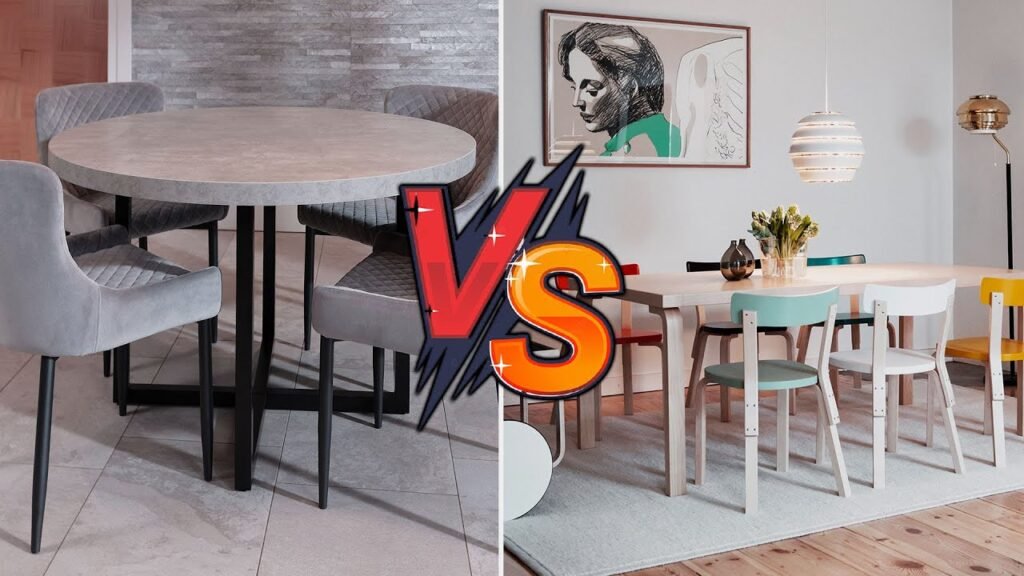
3.1 Round vs Rectangular Tables
Rectangular tables work best when:
- The dining area is long and narrow
- The table is placed parallel to a wall or kitchen unit
- You want easy alignment with sideboards or banquettes
Advantages:
- Efficient use of wall space
- Easy to place in rows in showrooms or project layouts
- Works well with benches
Round tables shine when:
- The dining area is more square or used as a “transition zone”
- You want softer edges in tight spaces
- Seating needs flexibility (2–4–6 persons occasionally)
Advantages:
- No sharp corners
- Easier movement around the table in compact areas
- Visually lighter in open-plan layouts
For a 4-seat small space:
- Round: 90–100 cm diameter works well
- Rectangular: 120–130 × 75–80 cm is usually enough
3.2 Drop-Leaf and Extendable Designs
To serve both daily use and occasional entertaining, drop-leaf and extendable tables are excellent:
- Drop-leaf tables fold down to a narrow console when not in use
- Extendable tables grow from 2–4 seats to 6+, perfect for guests
For e-commerce and project channels, these designs are extremely attractive:
- They maximise perceived value in product listings
- They empower residents to adapt their home as needed
- They’re ideal for furnished rentals, co-living and flexible work-from-home setups
When working with an OEM factory, clarify:
- Closed and extended dimensions
- Mechanism type (butterfly leaf, removable leaf, telescopic extension)
- Weight limits and long-term durability
3.3 Space-Saving Pedestal Bases
In many small apartments, chair legs collide with table legs. Pedestal base tables solve this problem by concentrating support in the centre:
- Easier chair placement all around
- Cleaner visual look in modern dining rooms
- Great match with benches and mixed seating
From a manufacturing perspective, pedestal tables also allow:
- More compact cartons for flat-pack shipping
- Standardised tops with different base designs
- Modular ranges that share components across multiple SKUs
4. Smart Seating Options for Compact Dining Rooms {#smart-seating}
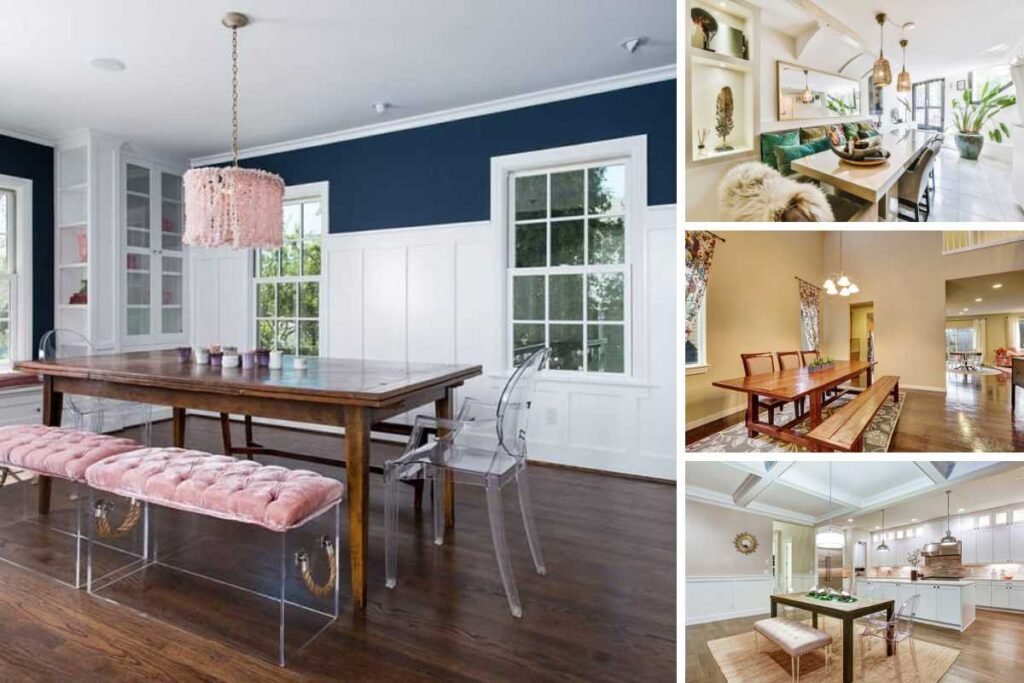
The choice of chairs and benches can dramatically change how spacious a room feels. In modern furniture dining room collections for small spaces, seating design is just as important as the table.
4.1 Benches Against Walls
Benches are a secret weapon for squeezing seating into a tight layout:
- Push the bench against a wall or into a corner
- Eliminate the need for clearance behind backs
- Seat more people in the same length compared to chairs
Typical bench advantages:
- Perfect for corner nooks and window-side dining
- Stable and child-friendly for family homes
- Ideal for built-in or “fitted” looks in projects
For OEM ranges, you can offer:
- Simple panel benches matching the table design
- Benches with lift-up storage inside
- Upholstered bench seats coordinated with sofa fabrics
4.2 Stackable / Nesting Chairs
For very small apartments and multipurpose spaces, stackable and nesting chairs are essential:
- Residents can stack spare chairs in a corner or storage room
- They can keep just 2 chairs out daily and add more for guests
- Chairs can also double as extra seating in the living room
As a buyer, look for chairs that:
- Have a compact footprint without compromising comfort
- Are engineered for repeated stacking without damage
- Use durable finishes that resist scuffing and chipping
4.3 Mix-and-Match Seating for Flexibility
Modern consumers like personalisation. Offering mix-and-match seating around a unified table design allows:
- Benches on one side, chairs on the other
- Different colours or upholstery for a curated feel
- Adjustable solutions for families, couples and singles
From an OEM/ODM perspective, you can:
- Create a core table design
- Design a family of chairs and benches around it
- Let retailers configure “sets” for their target buyers, from entry-level to premium
5. Storage-Integrated Dining Room Furniture Ideas {#storage-integrated}
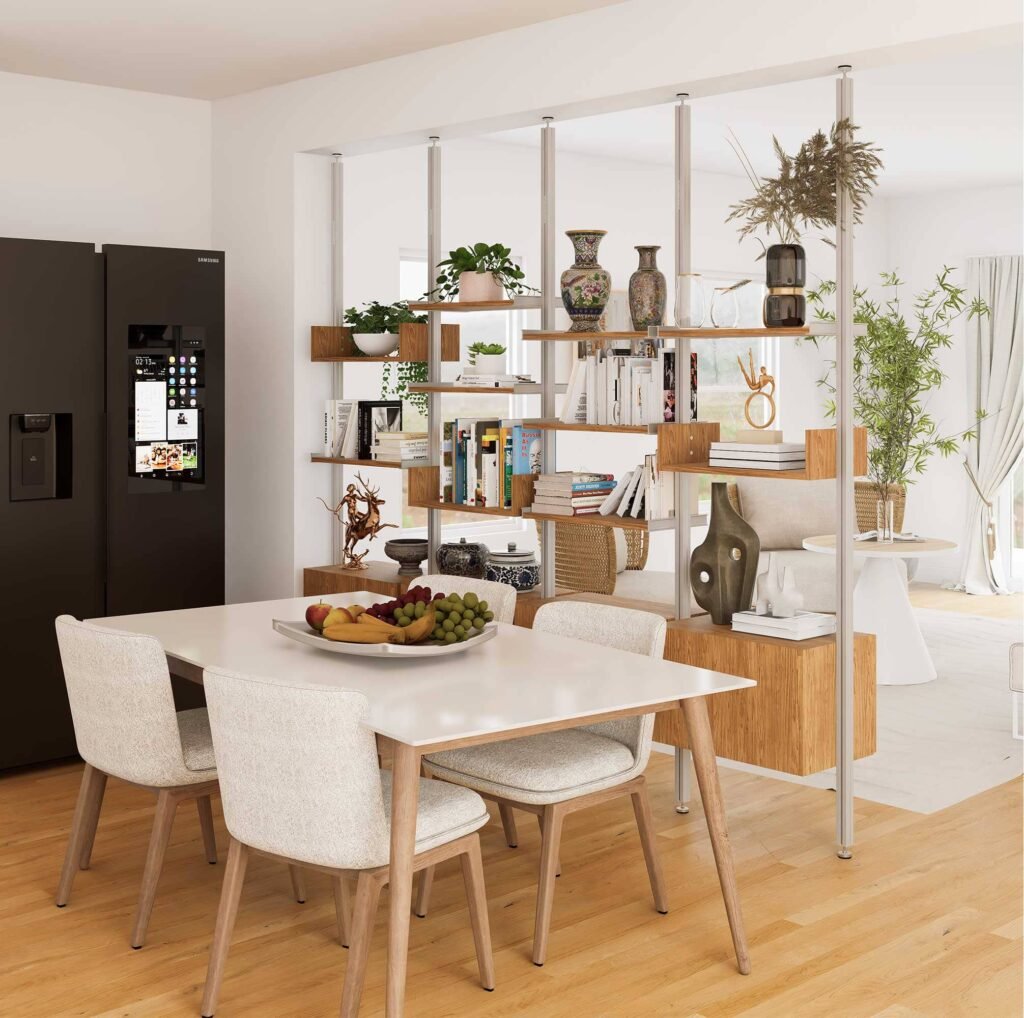
In small homes, storage is never enough. Integrating storage into dining room furniture adds huge functional value and helps you position products at higher price points.
5.1 Sideboards with Hidden Storage
A slim sideboard or buffet is almost mandatory in small apartments:
- Stores plates, cutlery, glassware and table linen
- Keeps the dining table surface clear
- Provides a surface for decorative objects or lighting
Key design choices:
- Depth of 35–40 cm to avoid blocking circulation
- Internal adjustable shelves
- Optionally, a wine rack or open shelf for display
5.2 Buffet Cabinets as Room Dividers
In open-plan layouts, buffet cabinets can double as room dividers:
- Low units between dining and living zones
- Back panels finished to look good from both sides
- Optional cable management for lamps or media devices
This approach:
- Defines the dining area without solid walls
- Keeps the visual flow open
- Adds much-needed storage in compact floors
5.3 RTA Solutions for Tight Spaces
Ready-to-assemble (RTA) sideboards and storage units are a perfect match for modern dining room furniture in urban buildings:
- Flat cartons fit in elevators and narrow staircases
- Final furniture dimensions can be larger than the packaging footprint
- Assembly can be done on-site by residents or local installers
If you work with international markets, look at resources like the International Wood Products Association (IWPA). It promotes responsible use of wood products worldwide. It also offers guidance on materials and trade.
For Chinese manufacturing standards and sustainability trends, you can refer to the China National Furniture Association (CNFA). It serves as a useful benchmark when you discuss specifications with suppliers.
6. Flat-Pack Dining Room Furniture: Advantages for Urban Apartments {#flat-pack-advantages}
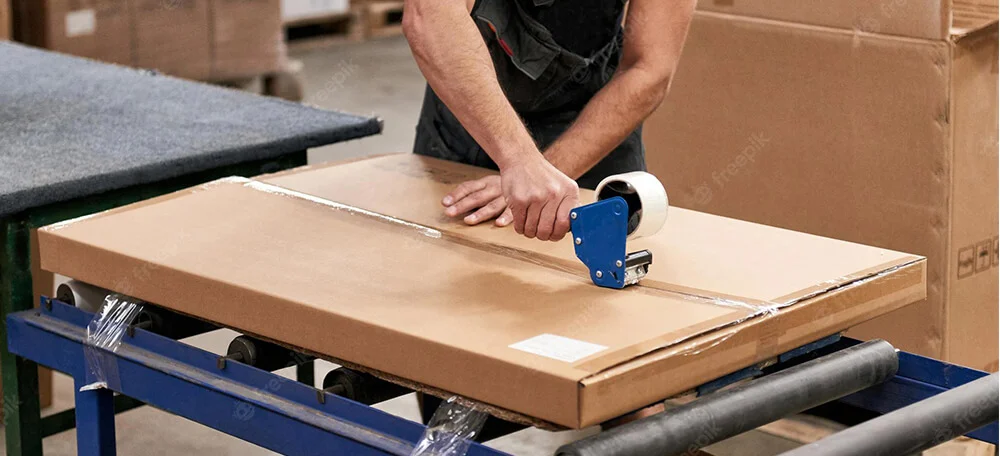
For small apartments and open-plan units, flat-pack dining room furniture addresses logistics challenges. It directly shapes the end-user experience.
6.1 Delivery and Stair Access
In older buildings without large elevators, fully assembled furniture is a nightmare:
- Staircases are narrow
- Corridors are tight
- Doorways can be smaller than standard
Flat-pack sets solve this by:
- Splitting table tops, legs and sideboards into smaller components
- Protecting fragile edges with optimised packaging
- Reducing risk of damage in last-mile delivery
For global sourcing, many buyers discover new OEM partners on platforms like Alibaba, Made-in-China or Global Sources. These platforms strongly focus on flat-pack-ready products suitable for export.
6.2 Easy Assembly and Disassembly
Today’s customers aren’t afraid of a bit of assembly—provided it’s:
- Clearly explained
- Supported by good hardware
- Possible with basic tools
For furnished rentals or relocations, the ability to disassemble and move a dining room set:
- Extends the furniture’s useful life
- Makes maintenance and repair easier
- Reduces waste compared to single-use cheap sets
To ensure consistent quality, many manufacturers align their processes with ISO quality and environmental standards. A common standard for quality management is ISO 9001.
6.3 Custom Sizes from OEM Suppliers
As a brand or project buyer, you may need custom dimensions:
- Tables tailored to specific apartment layouts
- Sideboards aligned with local standard dishware sizes
- Bench lengths matching window widths or niches
By working directly with an OEM/ODM dining room furniture manufacturer, you can:
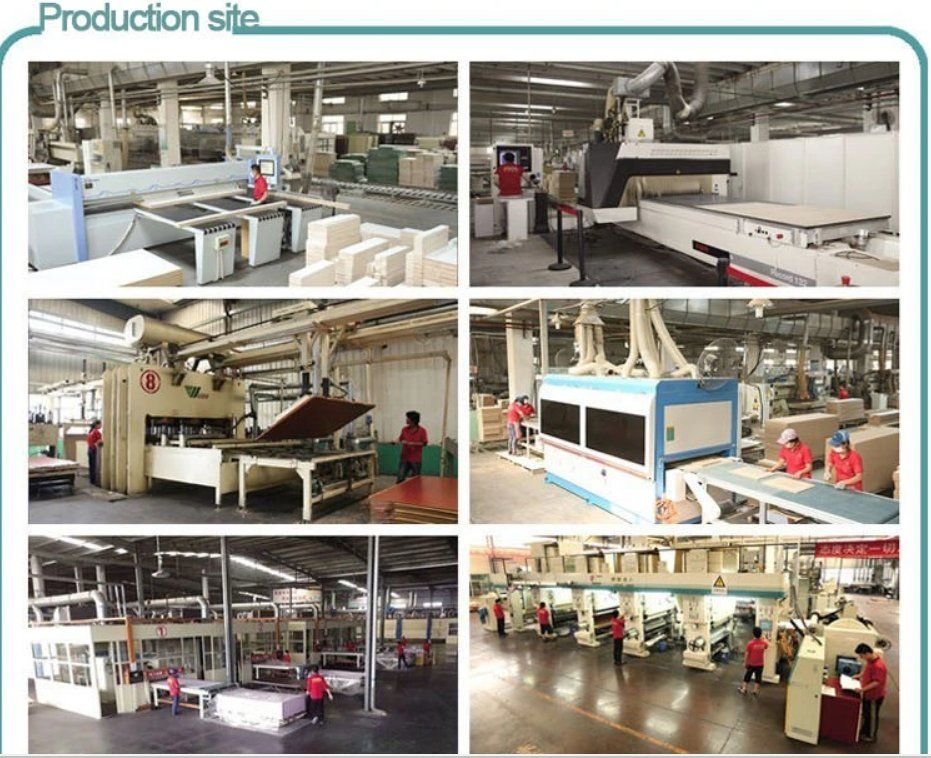
- Adjust table length and width in small increments
- Create modular storage units that work across multiple floorplans
- Develop regional collections (e.g. UK, EU, North America) with optimised sizes
In Europe, B2B buyers sometimes refer to organisations like the European Furniture Industries Confederation (EFIC). They also consult the European Furniture Manufacturers Federation (UEA) as high-level industry references. These are used when defining compliance and best practices.
7. Working with an OEM Dining Room Furniture Manufacturer {#working-with-oem}
Once you understand layout and size constraints, the next step is turning those needs into real product ranges. Here’s how to work effectively with an OEM/ODM partner for modern dining room furniture.
7.1 Define Your Buyer Profiles and Room Types
Start from your market:
- Small urban apartments (2–4 seats)
- Family flats (4–6 seats)
- Furnished rentals / co-living (flexible seating, robust materials)
- Project-based developments (standardised types, large quantities)
For each, define:
- Typical room sizes and shapes
- Whether the dining area is separate or open-plan
- Storage expectations (minimal vs high capacity)
7.2 Translate Layouts into SKU Strategy
Combine your room types into a coherent SKU plan:
- 2–3 core table sizes (e.g. 120, 140, 160 cm)
- 2 shapes (round + rectangular)
- Chair families that stack or nest
- Matching sideboards and buffets with consistent depths
Then brief your OEM supplier to:
- Develop flat-pack-friendly constructions
- Optimise carton sizes for container loading
- Align surface finishes with other key ranges (e.g. bedroom, living room)
7.3 Compliance, Sustainability and Certifications
Many B2B buyers now require sustainability and health-related documentation for dining room furniture:
- Wood and panel sourcing aligned with Forest Stewardship Council (FSC) standards
- Low-emission finishes compatible with GREENGUARD or similar indoor air quality certifications
- Safe design for kitchens and dining spaces referencing best practices from the National Kitchen & Bath Association (NKBA)
At the same time, trade associations such as the International Wood Products Association publish guidelines and statistics. National bodies like China National Furniture Association also provide resources. These resources can help you benchmark your supply chain and product quality.
If you prefer established directories, industrial buyers often cross-check suppliers. They use platforms like ThomasNet or Europages. This is part of their due diligence.
8. FAQ: Dining Room Furniture Size & Layout {#faq}
Q1. How much space do I need around a dining room table in a small apartment?
Aim for at least 60 cm of clearance from the table edge to the wall or obstacle. Allow 80–90 cm for comfortable movement behind seated guests. This ensures chairs can be pulled out and people can pass without bumping the table.
Q2. Is a round or rectangular table better for small dining rooms?
It depends on the room shape:
- Rectangular tables fit best in narrow dining zones or beside a wall.
- Round tables work well in more square or open-plan layouts where you need smoother circulation and softer corners.
Q3. What size dining table is best for a compact 4-seat layout?
For most modern apartments:
- Round: 90–100 cm diameter is usually enough for 4 seats.
- Rectangular: around 120–130 × 75–80 cm works for 4 seats, provided you keep enough clearance behind chairs.
Q4. How can I add storage to a small dining room without crowding the space?
Use slim sideboards (35–40 cm depth), buffets that double as room dividers, or benches with built-in storage. Flat-pack sideboards are especially useful because they can be delivered in narrow cartons and assembled in place.
Q5. Why is flat-pack dining room furniture ideal for urban projects?
Flat-pack designs:
- Fit into elevators and tight staircases
- Reduce shipping volume and costs
- Allow easy assembly and disassembly during moves
- Work perfectly for e-commerce, rental units and international projects
9. Conclusion: Turn Small Spaces into High-Value Dining Areas {#conclusion}
In small apartments and open-plan homes, the dining area is more than just a place to eat. It’s a workstation, social hub and storage zone all in one. That’s why dining room furniture sizing and layout are critical. The right table, seating, and storage turn limited square metres into a genuinely valuable, liveable space.
For retailers and project buyers, this is a clear opportunity:
- Curate modern dining room furniture sets that are genuinely optimised for compact layouts
- Combine tables, chairs, benches and sideboards into flexible, mix-and-match ranges
- Leverage flat-pack OEM/ODM manufacturing to customise sizes, finishes and storage options for your specific markets
At Starwood, we specialise in flat-pack, panel-based dining furniture for global B2B partners. We help you deliver solutions that fit real homes. They do not just fit display rooms. With the right sizes and smart layouts, your materials can transform small spaces. Choose responsibly to make spaces feel generous, useful, and beautifully modern.