🧭 Table of Contents
- Introduction: Why OEM & Material Choice Matters
- The Scope of Apartment & Hotel Bedroom Furniture Projects
- Understanding Solid Wood: Strengths & Limitations
- 3.1 Advantages of Solid Wood
- 3.2 Challenges for Large‑Scale OEM Projects
- Engineered Wood Materials: Plywood, MDF, Particle Board, Multi‑layer Board
- 4.1 Plywood: The OEM Workhorse
- 4.2 MDF / Particle Board: Budget / Decorative Use
- 4.3 Multi‑layer Board & Hybrid Constructions
- 4.4 Comparison Table: Solid vs Engineered Materials
- From Factory to Finished Apartment – Why OEM Prefers Engineered Wood
- 5.1 Cost & Efficiency Benefits
- 5.2 Quality Control and Consistency
- 5.3 Lead Time and Volume Production
- 5.4 Compliance & Safety (Formaldehyde, Certifications)
- Sustainability & Certifications: What Buyers Should Know
- How to Specify Material for Your Apartment / Hotel Projects
- Our Factory’s OEM / ODM Advantage for Apartment Bedroom Furniture
- FAQ
- Conclusion
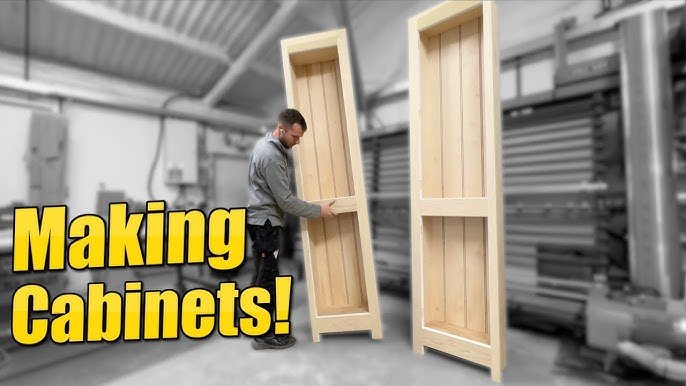
1. Introduction: Why OEM & Material Choice Matters
In today’s fast‑paced real estate and hospitality sectors, developers and procurement managers face significant pressure. This affects those managing apartment complexes, serviced apartments, and hotels. They must deliver high‑quality bedroom furniture at competitive prices. This is often under tight timelines and bulk order demands.
Choosing the right material becomes critical. It affects cost, manufacturing efficiency, and durability. It also impacts compliance with environmental and safety standards, and ultimately, guest / resident satisfaction. For OEM/ODM factories supplying apartment‑bedroom furniture at scale, the decision between solid wood and engineered wood goes beyond aesthetics. It involves feasibility. It involves consistency. It involves long-term viability.
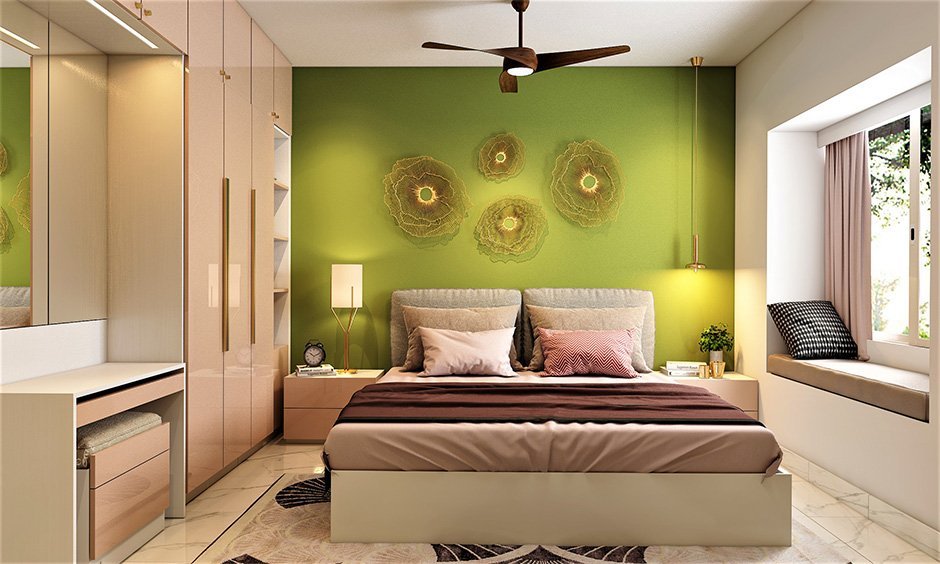
This article explores why, for most apartment and hotel bedroom furniture projects, engineered wood has become the industry standard. It also acknowledges the place of solid wood in premium segments.
2. The Scope of Apartment & Hotel Bedroom Furniture Projects
Apartment and hotel bedroom furniture orders usually involve:
- Bed frames & headboards
- Nightstands, side tables
- Built-in wardrobes or free‑standing closets
- Dressers, chests of drawers
- TV consoles or media panels
- Wall‑mounted storage / headboard units
- Finishing touches: trim, moldings, veneer panels, decorative surfaces
Key requirements of such projects:
- Mass production (from dozens to hundreds or thousands of rooms)
- Consistent quality and finish across all units
- Cost control and predictable per‑room budget
- Durability under high‑use conditions (hotel turnover, apartment tenants)
- Compliance with regulations (VOC emissions, fire safety, chemical exposure)
Given these constraints, the material choice is central to success. Choosing the wrong material can blow the budget. If it’s a heavy, expensive solid‑wood set, logistics and installation may become impractical.
3. Understanding Solid Wood: Strengths & Limitations
Solid wood refers to furniture built mainly from natural timber planks. Common species used are Oak, Walnut, Beech, Rubberwood, Ash, etc.
3.1 Advantages of Solid Wood
- Premium appearance & tactile feel — natural grain, warmth, and perceived luxury are unmatched.
- Structural strength & load‑bearing capacity — ideal for bed frames or furniture with heavy load requirements.
- Repairability & longevity — scratches or surface wear can be sanded out; well‑made solid‑wood furniture can last decades.
- High-end market positioning — for villas, luxury apartments, boutique hotels — solid wood helps meet clientele expectations.
3.2 Challenges for Large‑Scale OEM Projects
- Cost — solid‑wood furniture often costs 2–4× more than engineered equivalents.
- Inconsistency — natural wood varies in grain, color, density — problematic when you need uniformity across hundreds of units.
- Logistics & Weight — heavier and bulkier, increasing shipping and handling cost, difficulty in mass installation.
- Environmental & Certification Issues — sourcing sustainable solid timber, ensuring chain-of-custody certification, compliance with import/export and forest‑regulation laws.
- Longer production time — solid-wood requires careful drying, moisture control, and skilled carpentry; slows down fast-turnaround OEM orders.
In practice, many large-scale OEM apartment and hotel furniture projects avoid full solid-wood sets. They use solid wood only for the structural frame or furniture legs. They rely on engineered wood for panels and surfaces.
4. Engineered Wood Materials: Plywood, MDF, Particle Board, Multi‑layer Board
Engineered wood comprises various wood-based panels manufactured under controlled conditions with adhesives, heat, and pressure. These materials have transformed the furniture manufacturing industry — especially for OEM, large‑volume projects.
4.1 Plywood: The OEM Workhorse
Plywood consists of multiple layers (plies) of thin wood veneers oriented crosswise, bonded with resin under high pressure. For apartment and hotel bedroom furniture, plywood offers:
- High structural integrity and load-bearing strength — suitable for bed bases, wardrobe carcasses, and heavy-duty use.
- Dimensional stability — It is far less prone to warping or shrinking than solid wood. This is especially true under humidity and temperature changes common in apartments or hotels.
- Light weight relative to strength — reduces shipping costs and eases installation.
- Surface versatility — easily finished with veneers, laminates, paints, or high-pressure laminates (HPL) for various looks.
- Cost-efficiency at scale — bulk plywood procurement reduces material cost dramatically.
Because of these benefits, plywood has become the standard in many hotel and apartment bedroom furniture OEM projects worldwide.
4.2 MDF / Particle Board: Budget or Decorative Uses
- MDF (Medium-Density Fiberboard): Made from wood fibers and resin, MDF provides a smooth surface. This is ideal for painted finishes or veneered furniture. However, MDF has lower structural strength. It is more sensitive to moisture. This makes it more suitable for decorative parts — drawer fronts, headboard panels, consoles. It is not suitable for heavy load-bearing structures.
- Particle Board: Even more cost-effective, but also weaker and more moisture-sensitive. Useful for low-cost apartment furniture or budget segments, but generally not recommended for hotel or long-term rental apartment use.
4.3 Multi‑layer Board & Hybrid Constructions
Some OEM suppliers use multi‑layer board (thicker, stronger composite panel) or hybrid construction — e.g., solid wood frame + plywood carcass + veneer/laminate finish. This hybrid approach combines the benefits: structural strength, stability, cost control, and aesthetic flexibility.
4.4 Material Comparison Table
| Material | Strength & Load Bearing | Dimensional Stability | Cost | Moisture Resistance | Typical Use in OEM Bedroom Furniture |
|---|---|---|---|---|---|
| Solid Wood | Very high | Moderate — prone to warp/shrink | High | Moderate | Luxury frames, decorative legs, trims |
| Plywood | High | Excellent | Moderate | Good | Bed bases, wardrobes, cabinets, hotel/apartment sets |
| Multi‑layer Board | High | Good | Moderate | Moderate to Good | Heavy-duty furniture, built‑in units |
| MDF | Low–Medium | Fair | Low–Moderate | Low | Decorative panels, drawer fronts, low-load furniture |
| Particle Board | Low | Poor | Low | Low | Budget furniture, non-load drawers |
5. From Factory to Finished Apartment — Why OEM Prefer Engineered Wood
For a factory supplying furniture at scale for apartments or hotels, engineered wood brings decisive advantages:
5.1 Cost & Efficiency Benefits
- Material cost per unit is significantly lower — enabling a lower per‑room furniture budget.
- Less waste: engineered wood uses more of each log; solid‑wood furniture often discards offcuts.
- Less skilled labor required compared to solid‑wood joinery; less manual sanding, carving, or finishing.
5.2 Quality Control and Consistency
- Engineered panels are homogenized — same thickness, density, moisture content. This ensures that wardrobes, bed frames, cabinets built across hundreds of units are uniform.
- Easier inspection, QC, and batch‑to‑batch consistency — vital for OEM contracts where buyer expects identical furniture across rooms.
5.3 Lead Time and Volume Production
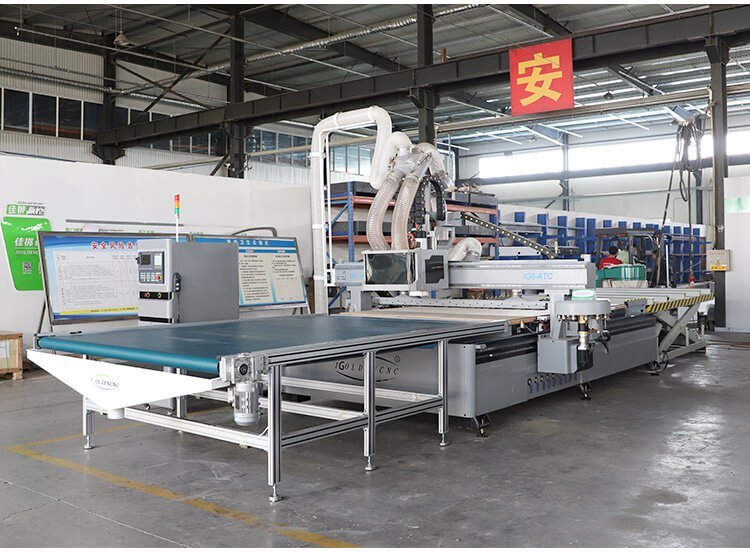
- Engineered wood allows mass production lines: CNC cutting, CNC edge-banding, automated assembly, standardization.
- Lead times for plywood‑based sets are shorter than for custom solid-wood sets (which need drying, manual joinery, finishing).
- For developers needing 200–500+ bedroom sets quickly (e.g., apartment towers, hotel blocks), engineered wood is often the only practical solution.
5.4 Compliance & Safety (Formaldehyde, Certifications)
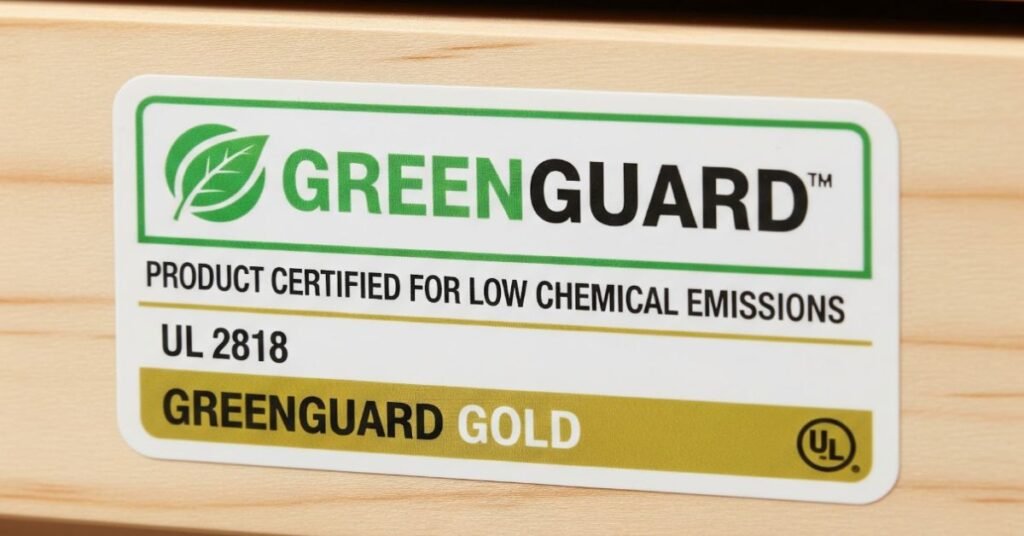
- Composite wood products must meet formaldehyde emission regulations in many markets — e.g., under the United States Environmental Protection Agency (EPA) TSCA Title VI standards for plywood, MDF, and particle board. epa.gov+2epa.gov+2
- Using compliant resins (e.g., ULEF / NAF) and third‑party certification ensures furniture is safe for indoor air quality — a must for hotel/apartment blocks.
- For buyers aiming at “green building” standards or sustainability certification, sourcing from factories using certified materials is often mandatory.
6. Sustainability & Certifications: What Buyers Should Know

Responsible sourcing is no longer optional — many clients require documentation that wood comes from sustainable forests. The Forest Stewardship Council (FSC) certification is widely recognized as the gold standard for sustainable wood supply chains. anz.fsc.org+2维基百科+2
Using FSC‑certified plywood or hybrid panels helps:
- Avoid illegal logging or unethical sourcing.
- Provide traceability from forest to factory to final furniture.
- Support green building certification efforts (LEED, BREEAM, etc.) and meet client ESG requirements.
Moreover, compliance with formaldehyde emission standards (e.g., EPA / TSCA Title VI) gives assurance of indoor air quality — essential for apartment, hotel and rental housing clients. epa.gov+2epa.gov+2
7. How to Specify Material for Your Apartment / Hotel Projects
When placing an OEM/ODM order for apartment bedroom furniture, consider specifying:
- Carcass / Frame Material: plywood (≥ 15 mm for wardrobes), multi-layer board for heavy load-bearing units
- Surface Finish: natural veneer, HPL laminate, melamine — depending on desired look and durability
- Bed Frame Legs / Structural Supports: solid wood or hybrid solid‑wood + plywood for strength
- Compliance Requirements: request TSCA Title VI (or local equivalent) certification, low‑VOC adhesives, FSC certification if sustainability is required
- Tolerance & Quality Control: uniform panel thickness, moisture content ≤ 10–12%, consistent edge banding, pre‑assembly inspection
- Packaging & Shipping Requirements: flat‑pack or KD (knock‑down) design for easier transport; treat any solid wood woodworks per phytosanitary regulations if shipping internationally (e.g. ISPM 15 for wooden packaging) 维基百科
By specifying carefully, you ensure furniture meets project quality, compliance, timeline and cost goals.
8. Our Factory’s OEM / ODM Advantage for Apartment Bedroom Furniture
As an experienced OEM/ODM manufacturer, we specialize in delivering turn‑key bedroom furniture projects for apartments, serviced residences, and hotel developments. Our capabilities include:
- Material sourcing: FSC-certified plywood, certified low-VOC MDF/particle board, solid wood for structural parts
- CNC panel cutting, edge banding, veneer / laminate finishing, automated assembly lines
- Modular and flat‑pack (“knock‑down”) designs optimized for shipping, on-site installation, and cost efficiency
- Volume capacity for mid- to large-scale orders (100–1000+ rooms) with consistent QC standards
- Documentation support: formaldehyde emission compliance, FSC chain-of-custody, shipment & packaging compliance
With engineered wood as the core, we deliver apartment bedroom sets. They balance cost, durability, aesthetics, and scalability. This is ideal for B2B developers and operators.
9. FAQ
Q1: Are engineered wood furniture safe for indoor air quality?
Yes — when the composite wood panels comply with regulated emission standards (e.g. EPA TSCA Title VI) and use low‑emission resins, they are safe for indoor use. epa.gov+1
Q2: Can engineered wood furniture match the look of solid wood?
Absolutely. With natural veneers or high-quality laminates, plywood-based furniture can approximate the look and feel of solid wood. This is often indistinguishable for most users.
Q3: Why don’t all manufacturers choose solid wood if it’s more premium?
For large-scale apartment/hotel projects, solid wood has drawbacks. These include high cost, inconsistent appearance, heavier weight, longer production time, and higher waste. These factors make engineered wood more practical for OEM.
Q4: Is sustainability compromised when using engineered wood?
Not necessarily. When sourcing plywood or composite wood from responsibly managed forests (e.g., FSC-certified), and using low-VOC adhesives, engineered wood furniture can be both sustainable and compliant with green building standards. anz.fsc.org+1
10. Conclusion
For apartment and hotel bedroom furniture projects, engineered wood is ideal. This is especially true under OEM/ODM B2B scenarios. Plywood-based panels provide the optimal balance of cost, efficiency, consistency, durability, and compliance. Solid wood retains its place for premium segments, structural supports, or decorative elements. However, full solid‑wood sets are seldom practical at scale.
If you are a developer, project manager, or furniture buyer planning a mid- to large-scale build-out, specify engineered-wood-based bedroom furniture. Ensure it has proper certifications. This approach will ensure you get the best value. It also meets quality and compliance expectations.
Our factory is prepared to support such projects. We offer full turn-key OEM/ODM services. These services range from material sourcing to finished assembly and logistics.