1. Introduction
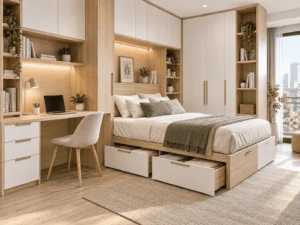
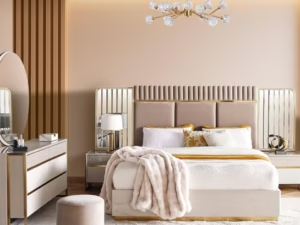
Wooden bedroom furniture remains one of the most desirable choices in residential, hospitality, and commercial projects. Designers and procurement managers must choose the correct material specification. This ensures durability, stability, and long-term value. This applies to hotel bedroom sets, serviced apartments, and large-scale developments.
One of the most frequently asked questions in B2B projects is:
👉 Should we choose solid wood or engineered wood?
This 2025 guide provides a professional comparison between solid wood and engineered wood. The guide is project-oriented and looks closely at materials such as plywood, MDF, particle board, and multi-layer board. As a global OEM/ODM furniture manufacturer, we provide insight based on real production experience and hotel engineering cases.
To understand how bedroom material choices affect different regional markets, you may also like our guide on
https://plywoodmfr.com/best-bedroom-furniture-middle-east-apartments/
2. What Is Wooden Bedroom Furniture?
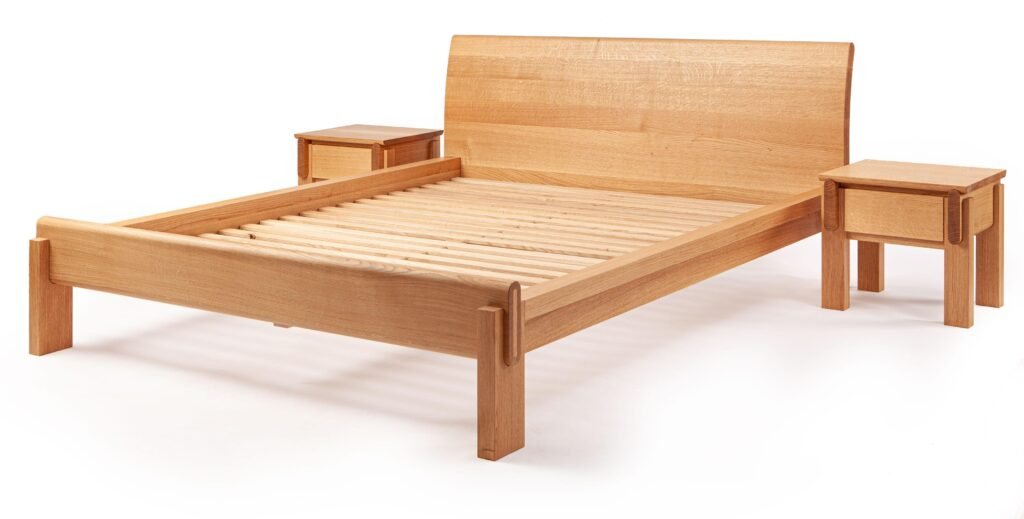
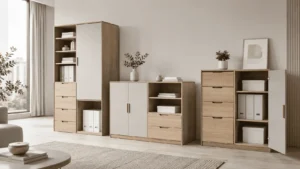
Wooden bedroom furniture includes the structural and decorative elements of the bedroom:
- Bed frame & headboards
- Wardrobes and closets
- Nightstands & side tables
- Dressers and consoles
- Built-in storage units
- TV panel walls
- Writing desks
These components can be made from:
✔ Solid Wood
(Rubberwood, Oak, Ash, Walnut, Beech)
✔ Engineered Wood
- Plywood
- Multi-layer board
- MDF
- Particle board
- OSB
- Veneer panel
- Laminate panel
The material selection determines:
- Cost
- Stability
- Lead time
- Durability
- Moisture resistance
- Aesthetic effect
3. Why Material Choice Matters in B2B Projects
Hotels, apartments, construction developers, and contractors require materials with:
✔ Long-term stability
Furniture must remain dimensionally stable for years.
✔ Cost efficiency
Budget is fixed per room; materials affect total project cost.
✔ Consistency
Engineered wood ensures consistent color, texture, and structure across hundreds of rooms.
✔ Low maintenance
Hotels want surfaces that resist humidity, scratches, and wear.
✔ Fast manufacturing
Engineered wood panels improve production speed and reduce lead time.
For hotel buyers, we also recommend our article on
https://plywoodmfr.com/hotel-bedroom-furniture-manufacturer/
which explains global OEM/ODM standards.
4. Solid Wood Bedroom Furniture
Solid wood is natural timber cut into planks. Popular species include:
- Oak
- Walnut
- Rubberwood
- Ash
- Beech
Advantages of Solid Wood
1. Natural Aesthetics
Rich wood grain gives a high-end, luxury impression.
2. Strong Structural Load
Ideal for bed frames, legs, and high-impact components.
3. Repairable Surface
Can be sanded and refinished.
4. Long Lifespan
High-quality solid wood furniture can last 20–30 years.
Limitations of Solid Wood
1. High Cost
Often 2–3× more expensive than engineered wood.
2. Warping and Shrinking
Sensitive to humidity changes.
3. Weight
Heavy for logistics and installation.
4. Natural Variations
Color and texture cannot be fully controlled, making mass production harder.
Where Solid Wood Works Best
- Luxury villas
- Bedroom furniture legs
- Visible trims
- European or American-style furniture
- High-end boutique hotels
5. Engineered Wood Bedroom Furniture
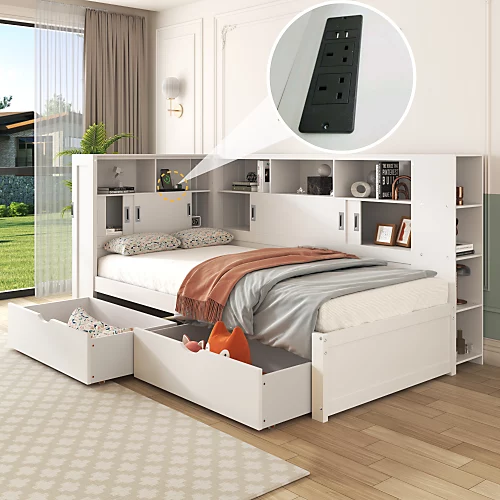
Engineered wood is processed wood made for stability, strength, and cost efficiency. It includes plywood, MDF, particle board, and more.
5.1 Plywood (Most Recommended for Hotels)
Plywood consists of multiple layers of wood veneers pressed crosswise.
Advantages:
- Strong structural integrity
- Lightweight and stable
- Resistant to bending and cracking
- Works with veneers and laminates
- Ideal for wardrobes and cabinets
Use cases:
Most 4–5 star hotels use plywood for wardrobes, side tables, and TV panels.
5.2 Multi-layer Board
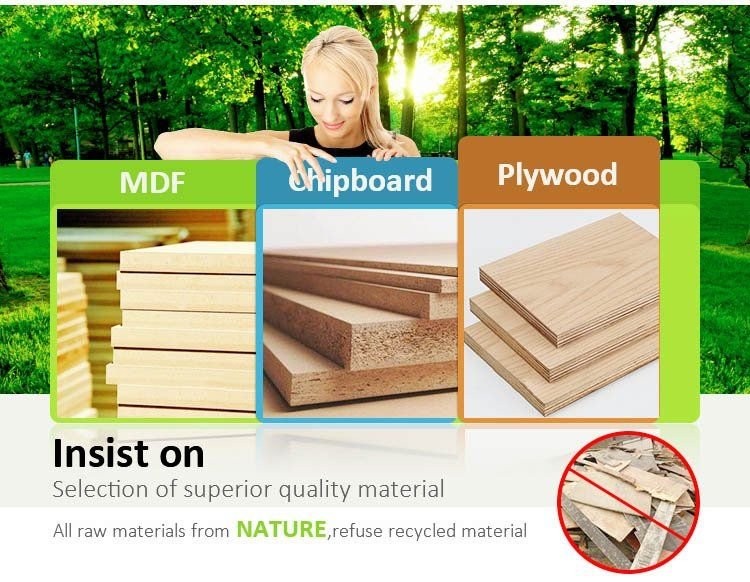
Similar to plywood but thicker and stronger.
Best for:
- Sliding door wardrobes
- Built-in cabinets
- Heavy-load furniture
5.3 MDF
Made from wood fibers and resin.
Advantages:
- Smooth surface (excellent for painting)
- Good cost-performance
Disadvantages:
- Not moisture resistant
- Weak for heavy load
5.4 Particle Board
A budget engineered material used for low-cost furniture.
Advantages:
- Lowest cost
- Lightweight
Disadvantages:
- Not strong
- Sensitive to water
- Short lifespan
Not ideal for hotels.
⭐ Engineered Wood Comparison Table
| Material | Strength | Cost | Moisture Resistance | Stability | Best Use |
|---|---|---|---|---|---|
| Solid Wood | ★★★★★ | $$$$ | ★★★★ | ★★★ | Luxury furniture |
| Plywood | ★★★★ | $$ | ★★★★ | ★★★★★ | Hotel bedroom sets |
| Multi-layer | ★★★★ | $$ | ★★★ | ★★★★ | Cabinets |
| MDF | ★★★ | $ | ★★ | ★★★ | Painted furniture |
| Particle Board | ★★ | $ | ★ | ★★ | Low-budget projects |
6. Solid Wood vs Engineered Wood: Which One Is Better?
There is no “universal best.”
The correct choice depends on:
- Budget
- Expected lifespan
- Usage environment
- Quantity required
- Design requirements
✔ Solid Wood = premium aesthetics
✔ Engineered Wood = stable, cost-effective, ideal for large projects
For hotels, engineered wood is the industry standard.
7. Cost Comparison
Approximate cost impact for a full bedroom set:
| Material | Cost Influence |
|---|---|
| Solid Wood | +200% |
| Plywood | Baseline |
| MDF | -20% |
| Particle Board | -40% |
8. Durability in Hotel/Apt Use
Hotels need:
- Moisture resistance
- High stability
- Scratch resistance
- Easy maintenance
- Low warpage
Plywood meets all these requirements, which is why global hotel brands like:
- Marriott
- Hilton
- Hyatt
- Accor
- IHG
use engineered wood, not solid wood, for 90% of furniture.
9. Environmental Factors
Engineered wood uses more of every log, reducing waste.
References:
- FSC Certification: https://fsc.org
- EPA Formaldehyde Standards: https://www.epa.gov
- LEED Green Building: https://www.usgbc.org/leed
- Timber Regulations: https://ec.europa.eu
- Wood Database: https://www.wood-database.com
10. Why OEM/ODM Factories Use Engineered Wood
- Stable supply
- Consistent quality
- Cost control
- Faster production
- Easier CNC machining
- Compatible with laminates & veneers
Engineered wood = industrial standard for commercial furniture.
11. How to Choose for Your Project
| Project Type | Recommended Material |
|---|---|
| Luxury villa | Solid wood + veneer |
| 5-star hotel | Plywood |
| Apartments | Plywood + MDF mix |
| Budget rooms | Particle board |
| OEM/ODM | Hybrid |
12. Factory OEM/ODM Capabilities
Our factory specializes in:
- Hotel bedroom sets
- Apartment furniture
- Plywood + veneer production
- Solid wood + engineered wood hybrid construction
- CNC precision cutting
- Custom design development
- Mass production for 300–1500 rooms
13. FAQ
1. What is the best material for hotel bedroom furniture?
Plywood with veneer is the best combination of durability and cost.
2. Does engineered wood look like solid wood?
Yes—with natural veneer, the appearance is almost identical.
3. Is MDF good for beds?
For decorative parts only, not structural support.
4. Is solid wood worth the price?
For luxury homes, yes. For hotels, not always.
14. Conclusion
Both solid wood and engineered wood have their place in bedroom furniture design. For large-scale B2B projects such as hotels and apartments, engineered wood—especially plywood—offers the best balance of strength, cost, and consistency.
If you need OEM/ODM solutions, our factory provides customized wooden bedroom furniture with professional engineering support.