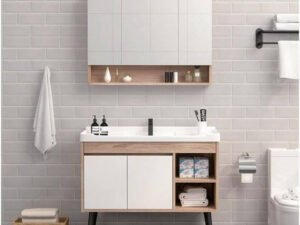
As a panel-furniture exporter and OEM/ODM partner, we’re often asked a deceptively simple question. What makes a bathroom vanity “right” for homeowners? What makes it profitable for dealers and purchasing managers? The best answer blends design, durability, compliance, logistics, and after-sales ease. Below is your B2B buyer’s guide to specifying bathroom vanities that deliver for end users while protecting margin and reputation.
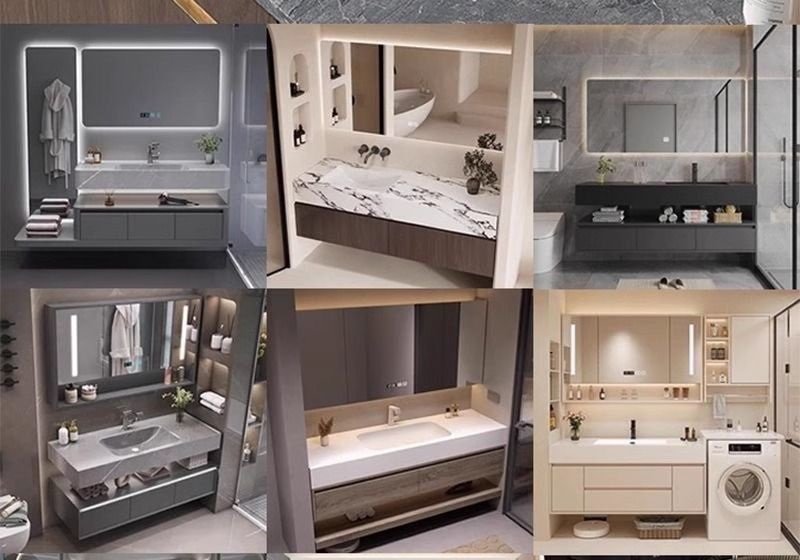
1) Start with Planning & Rough-Ins (Fit First, Then Finish)
Before you fall in love with a finish, confirm space planning and plumbing rough-ins. Professional bodies like the National Kitchen & Bath Association (NKBA) publish guidelines for bathroom planning. These guidelines help ensure safe and ergonomic layouts. They also ensure efficient use of space. Aligning your SKU dimensions, door swing, drawer interference, and toe-kick height with respected planning guidance reduces returns and install callbacks. (NKBA Media)
B2B checklist
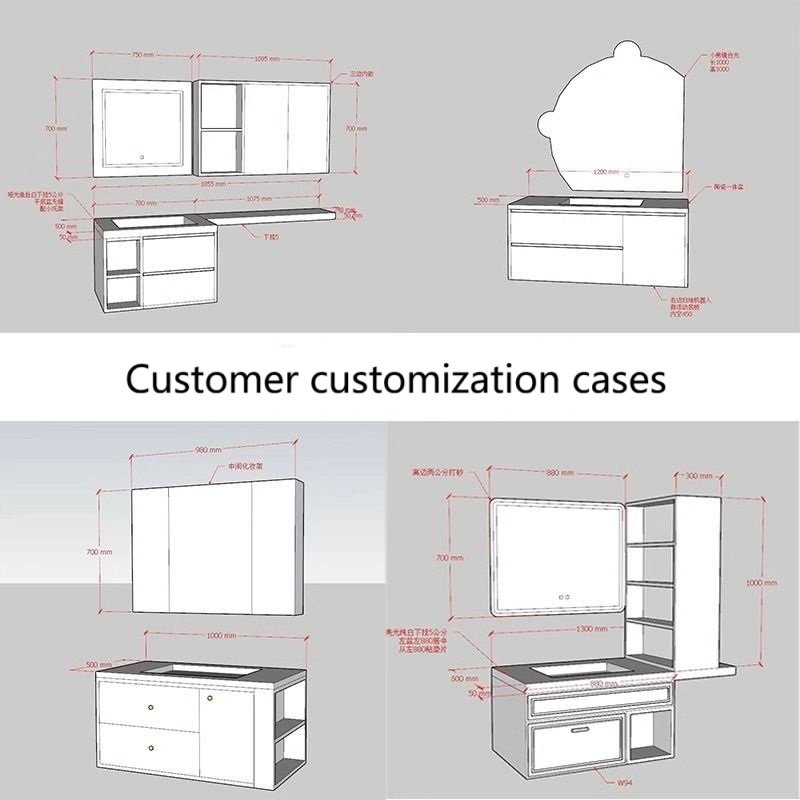
- Match SKU widths to common bathroom alcoves (e.g., 600/750/900/1200/1500 mm classes).
- Provide technical drawings that show trap location, water-supply clearance, and bracket positions for wall-hung units.
- Offer both freestanding and wall-hung options; the latter increases floor visibility and simplifies cleaning—highly valued by designers.
2) Choose a Cabinet Box That Survives Bathrooms (Material Matters)
Bathrooms are wet, warm, and busy, so your cabinet box must resist moisture and hold fasteners.
- Plywood (with sealed edges) offers an excellent strength-to-weight profile and screw-holding ability. It’s a strong choice for vanities that face daily loading and occasional splashes.
- MR MDF (moisture-resistant) achieves a smooth paint finish but demands meticulous edge sealing and smart design to avoid swelling.
- Particleboard can be cost-effective for price-point SKUs when paired with high-quality laminates and strict sealing at sink cutouts.
For indoor air quality, specify composite wood that meets EPA TSCA Title VI formaldehyde emission standards. These standards are similar to CARB Phase 2. This is now baseline for the U.S. market and a confidence signal for many other regions.
B2B checklist
- Ask for documented TSCA Title VI compliance on plywood/MDF/particleboard.
- Require factory edge-sealing on all cut edges and sink/countertop penetrations.
- For retail storytelling, add an FSC Chain-of-Custody option to support responsible sourcing claims.
3) Verify Durability with Recognized Cabinet Standards
Bathroom vanities endure constant opening, closing, impacts, and loading. Rather than rely on in-house claims, point to third-party standards such as ANSI/KCMA A161.1, which covers performance and construction testing for kitchen and vanity cabinets (door/drawer cycling, impact, finish tests, and more). Even if you don’t certify every SKU, designing and testing to the intent of A161.1 sets a professional baseline for your catalog—especially for trade buyers.
B2B checklist
- Request a summary of cycle counts for hinges/slides and finish resistance tests.
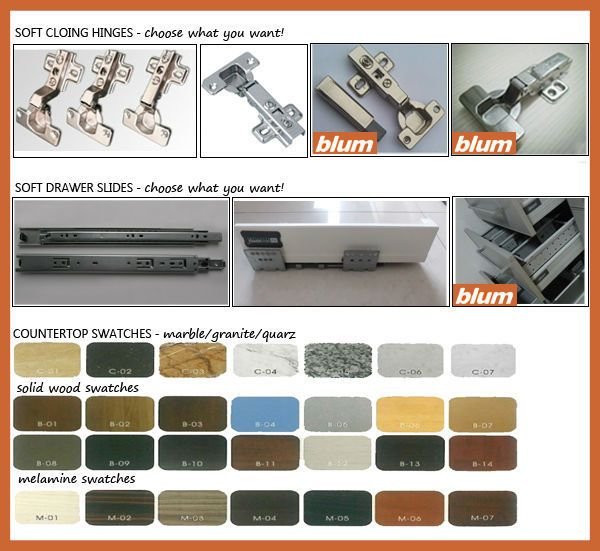
- Confirm drawer runners and hinges from dependable brands with soft-close options.
- Specify adjustable leveling feet (freestanding) or heavy-duty brackets (wall-hung) rated for the cabinet’s loaded weight.
4) Finishes That Fight Moisture—and Win on the Sales Floor
End users shop with their eyes, but they live with humidity. Choose finishes that look premium and survive steam:
- Melamine & HPL laminates for abrasion resistance and uniform grain.
- 2K polyurethane or UV-cured coatings for painted fronts—high chemical resistance and colorfastness.
- Thermofoil for a seamless look on routed profiles; ensure heat shields near hair-appliance drawers.
- Veneer over plywood for a warm, natural aesthetic—seal edges and select moisture-tolerant adhesives.
B2B checklist
- Demand finish test data (water, detergent, chemical resistance) aligned with cabinet standards (see KCMA tests).
- Offer a compact finish swatch kit—a low-cost tool that increases dealer close rates.
5) Countertops, Sinks, and Faucets: Integration Reduces Risk
Mis-matched tops and sinks are a leading cause of returns. Reduce risk with integrated solutions:
- One-piece integrated tops (ceramic, cast marble/solid surface) simplify installation and reduce leak points.
- Quartz or solid-surface tops with under-mounted basins elevate perceived value; factory cutouts and pre-sealed edges save on site-work.
- Offer standard faucet configurations—single-hole and widespread—with matching backsplashes, side splashes, and overflow options.
B2B checklist
- Publish hole specs and include templated cutouts or factory pre-cut tops for consistency across orders.
- Provide a compatibility matrix by SKU: top size, basin model, faucet pattern, and overflow type.
6) Storage & Hardware: Organize for Everyday Use
A great vanity is a daily workflow station. For premium SKUs:
- Full-extension, soft-close drawers keep contents accessible and protect finishes.
- U-shaped top drawers or false fronts with tip-outs clear the sink bowl.
- Integrated power (where local codes allow) and built-in organizers (dividers, hair-tool trays) boost ticket size.
- Anti-slip mats and adjustable shelves adapt to changing user needs.
B2B checklist
- Specify load ratings for runners and shelf pins.
- Standardize on corrosion-resistant hardware (e.g., zinc-nickel coatings or stainless) for humid environments.
- Include spare hardware kits and QR-coded install guides to cut support tickets.
7) Export-Ready Packaging & Logistics (Protect Margin in Transit)
Beautiful cabinets mean nothing if they arrive damaged. For parcel and LTL shipments, request packaging validated against ISTA Procedure 3A (drop, vibration, compression). It simulates real parcel environments up to 70 kg/150 lb and is widely recognized by logistics teams.
B2B checklist
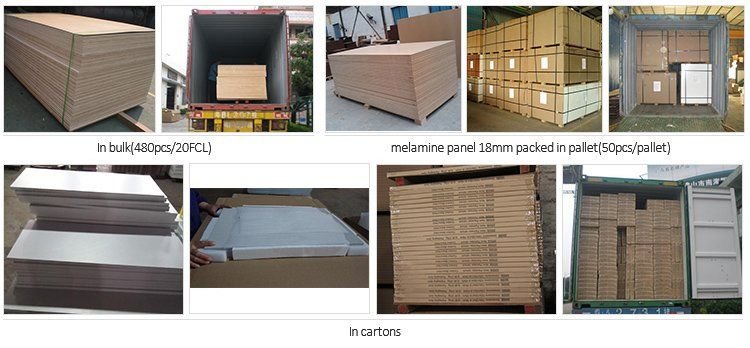
- Use corner protectors, edge guards, foam-in-bag or honeycomb board around high-risk edges (front rails, tops).
- Separate tops/sinks from cabinet boxes with clear carton labeling to prevent mishandling.
- Print carton ID + SKU + hardware kit count on the outside; add pallet layout drawings for 20/40-ft containers.
Sustainability, Health & Compliance That Builds Trust
Today’s buyers care about both performance and planet. Strengthen your spec with:
- TSCA Title VI composite-wood compliance (formaldehyde emissions) for U.S. market and parity with CARB Phase 2—include documentation in your COA pack.
- FSC Chain-of-Custody options for traceable wood sourcing in global programs and retail assortments.
- Align design and installation notes with NKBA bathroom planning guidance to help dealers and homeowners achieve safe, ergonomic spaces. (NKBA Media)
- Reference ANSI/KCMA A161.1 for durability expectations in category pages and product cards.
Homeowner-Friendly Messaging You Can Reuse (For Retail Product Pages)
- “Moisture-Ready Cabinet Box” — sealed edges and robust joinery resist bathroom humidity.
- “Quiet-Close Hardware” — soft-close doors and drawers prevent slams and extend finish life.
- “Easy Installation” — factory bracketry, clear rough-in diagrams, and included fasteners.
- “Healthy Materials” — TSCA Title VI compliant composite wood; optional FSC-certified sourcing.
Common Mistakes (and How to Avoid Them)
- Ignoring rough-ins → Provide dimensional drawings and bracket templates with every order.
- Unsealed cut edges → Require factory edge-sealing and provide touch-up kits.
- Under-specced hardware → Standardize minimum load ratings and KCMA-aligned cycle counts.
- Weak packaging → Validate cartons to ISTA 3A and add SSA (ship safe area) labels for glass/stone.
- No compliance proof → Include TSCA Title VI and (optional) FSC paperwork in your document set.
Procurement & Spec Checklist (Copy/Paste)
- Cabinet Box: Plywood or MR MDF; sealed edges; TSCA Title VI compliant.
- Durability: Designed and tested to ANSI/KCMA A161.1 intent; soft-close hardware.
- Finishes: Water/chemical resistance per cabinet tests; swatch kit available.
- Tops & Sinks: Integrated or factory-precut; published hole patterns; overflow options.
- Mounting: Freestanding or wall-hung with rated brackets and leveling feet.
- Documentation: Rough-in drawings, exploded diagrams, install guide QR.
- Sustainability: FSC chain-of-custody option.
- Packaging: ISTA 3A validation, spare hardware kit, carton labeling.
FAQs
Q1: What’s the best material for a bathroom vanity cabinet box?
For durability, sealed plywood offers excellent screw-holding and rigidity. MR MDF is great for painted looks. Ensure edges are thoroughly sealed. Ensure all composite wood meets TSCA Title VI emission standards.
Q2: How do I know a vanity will last in a humid bathroom?
Look for durability testing aligned with ANSI/KCMA A161.1—including door/drawer cycling, impact, and finish resistance.
Q3: Are wall-hung vanities strong enough?
Yes—if mounted with rated brackets into proper studs or masonry anchors, and sized within the manufacturer’s weight limits. Use factory templates and follow the install guide.
Q4: What certifications matter to buyers?
For the U.S., TSCA Title VI compliance for composite wood; for sustainability claims, FSC Chain-of-Custody. Many retailers require these in the vendor pack.
Q5: How should export packaging be specified?
Validate cartons to ISTA 3A (drop, vibration, compression) for parcel and LTL. Add corner/edge protection and separate stone/ceramic components.
Q6: What about bathroom layout rules I should reference?
Use NKBA bathroom planning guidelines to shape SKUs and minimize install issues and returns. (NKBA Media)
ABOUT US
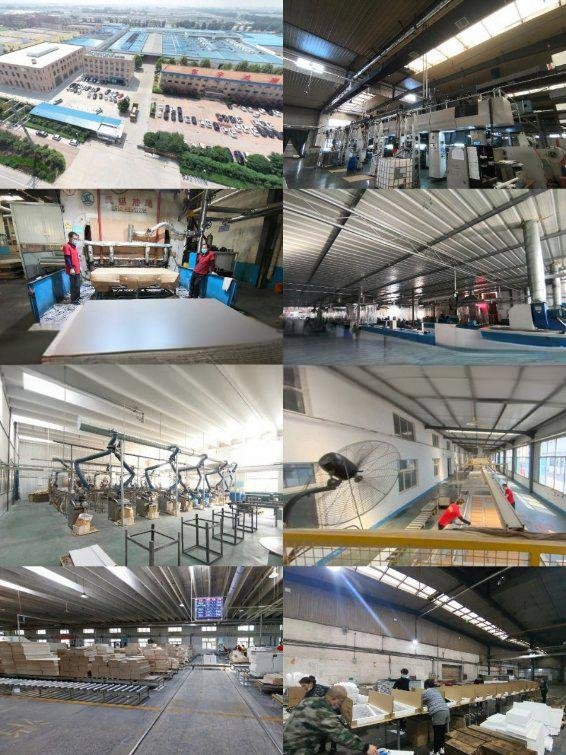
We are a panel-furniture exporter and OEM/ODM manufacturer specializing in bathroom vanities, storage cabinets, and flat-pack furniture. Our strengths:
- Materials & Compliance: TSCA Title VI composite wood; optional FSC chain-of-custody for traceable sourcing.
- Durability by Design: Products engineered to the intent of ANSI/KCMA A161.1 cabinet performance standards.
- Export-Ready Packaging: Cartons validated to ISTA 3A for lower damage rates in transit.
- Service: CAD support, swatch kits, private-label packaging, flexible MOQs, and fast sampling.
- Logistics: FOB/CIF terms, mixed-SKU container loads, and global documentation set.
Whether you’re a retailer, distributor, or project buyer, we help you deliver bathroom vanities that delight homeowners—and safeguard your margins.