Why Multilayer Board Is the Smart Choice for Modern Furniture Manufacturing
In the competitive world of furniture manufacturing, selecting the right materials is crucial. This choice is essential for creating high-quality products that are both durable and cost-effective. Multilayer board, also known as composite wood, has emerged as a top choice for modern furniture manufacturers. Manufacturers aim to meet customer demands for sustainability. They also emphasize durability. As a result, multilayer boards have become a staple in producing flat-pack furniture, cabinetry, and other furniture types.
In this article, we will explore the numerous advantages of using multilayer boards in furniture manufacturing. These advantages include their strength, sustainability, cost-efficiency, and suitability for a range of furniture types. Whether you’re an OEM or ODM supplier, you should understand the benefits of multilayer boards. This understanding can help streamline production. It can also enhance the quality of your products.
What is Multilayer Board?
A multilayer board is a type of engineered wood. It is made by bonding together multiple layers of wood veneers, fibers, or strands using adhesives. These layers are then compressed under heat and pressure. This process results in a board that is more stable and durable than solid wood or single-layer plywood.
Commonly used multilayer boards include plywood, MDF (Medium Density Fiberboard), HDF (High-Density Fiberboard), and particleboard. Each of these variants has specific properties that make them suitable for different types of furniture and applications.
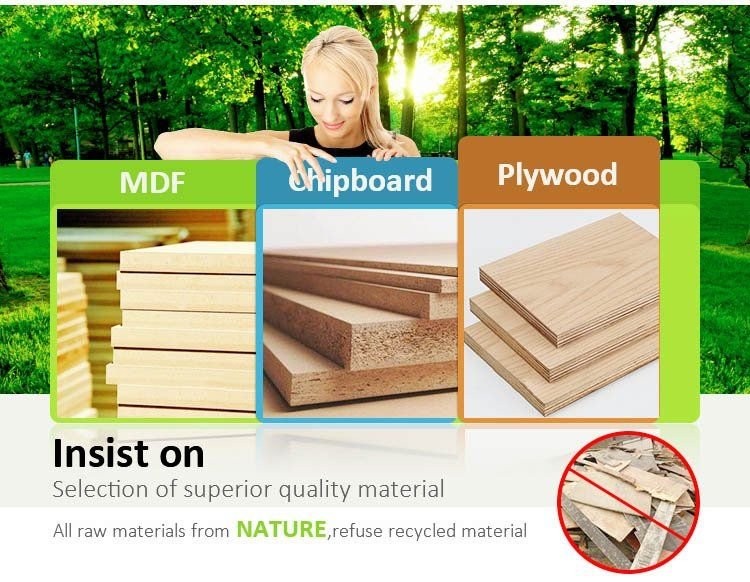
Types of Multilayer Boards in Furniture Manufacturing
- Plywood: Made from thin layers of wood glued together, with the grain of each layer alternating directions for added strength.
- MDF: Made from wood fibers glued together and compressed. It is denser than plywood and has a smooth, even surface.
- Particleboard: It is composed of wood particles and adhesives. It is often used for budget-friendly furniture. However, it lacks the strength of plywood or MDF.
For furniture manufacturing, plywood and MDF are the most common types of multilayer boards. They are used due to their balance of cost, durability, and ease of finishing.
Why Choose Multilayer Board for Furniture Manufacturing?
Multilayer boards offer durability, stability, and versatility for furniture manufacturing. They provide excellent resistance to warping, moisture, and temperature changes. Their lightweight nature makes them easy to handle, while the ability to laminate different finishes enhances aesthetic appeal. Additionally, multilayer boards can be cost-effective and environmentally friendly, utilizing recycled materials in production.
Multilayer boards have several advantages over traditional solid wood, including better stability, moisture resistance, and environmental sustainability. Here are the key benefits:
1. Enhanced Durability and Strength
One of the main advantages of multilayer boards, particularly plywood, is their enhanced strength and durability. The construction of multilayer boards uses alternating layers of wood grains. This method provides superior resistance to warping, cracking, and splitting. It offers better performance compared to solid wood. This characteristic makes them ideal for furniture pieces that require a high level of structural integrity. Examples include bookshelves, wardrobes, and TV stands.
In furniture manufacturing, the strength-to-weight ratio is crucial, especially for flat-pack furniture, where ease of transportation is important. Plywood, for example, is lightweight yet strong enough to support the weight of heavy components like drawers and shelves.
2. Cost-Effectiveness
Multilayer boards, particularly particleboard and MDF, are generally more affordable than solid wood. This makes them an excellent option for manufacturers looking to reduce production costs without compromising quality. Plywood, while slightly more expensive, still provides a more cost-effective solution compared to solid wood, especially for large-scale production.
For B2B furniture manufacturers and OEM suppliers, using multilayer boards allows for cost savings in both material and labor. The consistency and uniformity of these boards reduce the need for additional processing or finishing.
3. Sustainable and Eco-Friendly
Sustainability is a growing concern in the global furniture industry. As a manufacturer, using environmentally friendly materials is essential for staying competitive in the market. Multilayer boards, especially those made from FSC-certified wood, are an eco-friendly alternative to solid wood furniture. Many multilayer boards use recycled wood fibers. This reduces the need for virgin timber. It also promotes the use of sustainable forest resources.
For suppliers aiming to enhance their sustainability credentials, a crucial step is to use certified FSC plywood. Utilizing E0 MDF (low-formaldehyde content) is another important step towards aligning with green building standards. According to the Forest Stewardship Council (FSC), certified materials ensure that the timber comes from responsibly managed forests (FSC.org).
4. Better Moisture Resistance
Moisture resistance is another key advantage of multilayer boards, particularly plywood and MDF. This makes them well-suited for furniture used in environments where humidity can fluctuate, such as kitchens and bathrooms. The layered construction of plywood provides better resistance to moisture than solid wood. Solid wood can expand, warp, or crack under high moisture conditions.
B2B suppliers can use this feature to their advantage. They can promote moisture-resistant boards in regions with high humidity. These boards are also ideal for furniture lines intended for use in wet environments.
5. Easy to Finish and Customize
Multilayer boards provide a smooth, even surface that is easy to paint, laminate, or veneer. This makes them ideal for manufacturers who want to offer custom finishes or decorative furniture. For example, MDF is often used for high-end modern bedroom furniture because it has a smooth finish. It can take paint or veneer beautifully.
In OEM production, the ability to customize furniture pieces with different finishes is a significant advantage. Designs can be varied without increasing production time.
Applications of Multilayer Boards in Furniture Manufacturing
Multilayer boards are versatile and can be used in a wide range of furniture applications. Here are some common examples:
1. Wardrobes and Storage Solutions
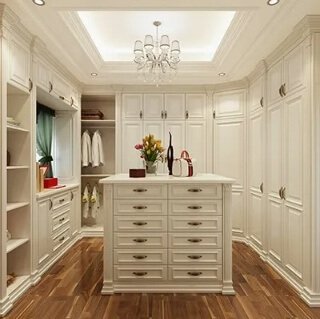
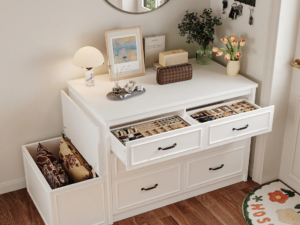
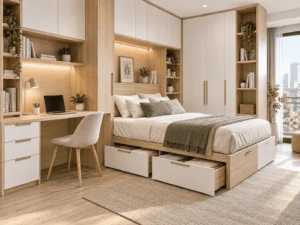
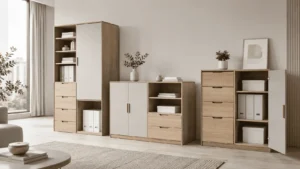
Plywood and MDF are the most commonly used materials for wardrobes and storage units. Their ability to bear weight and their flat surface make them perfect for supporting heavy items like clothing and accessories. Furthermore, their moisture resistance ensures that wardrobes made from multilayer boards will last longer, even in humid climates.
2. Living Room Furniture
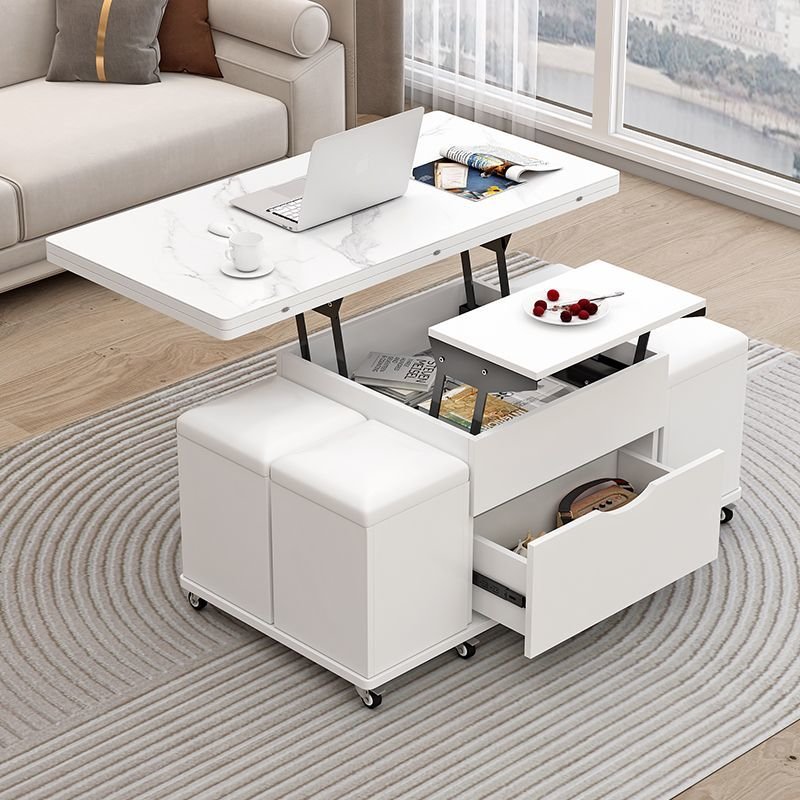
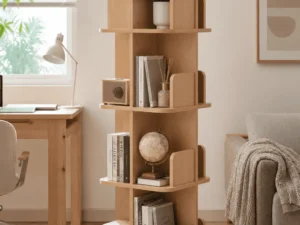
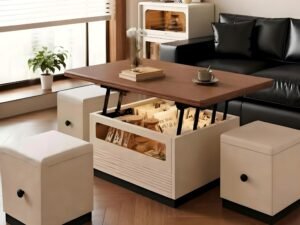
For TV units, coffee tables, and bookshelves, plywood and MDF are excellent choices. These boards can be cut into complex shapes. Their strength allows them to support electronics. They can also hold decorative items without compromising structural integrity.
3. Bedroom Furniture
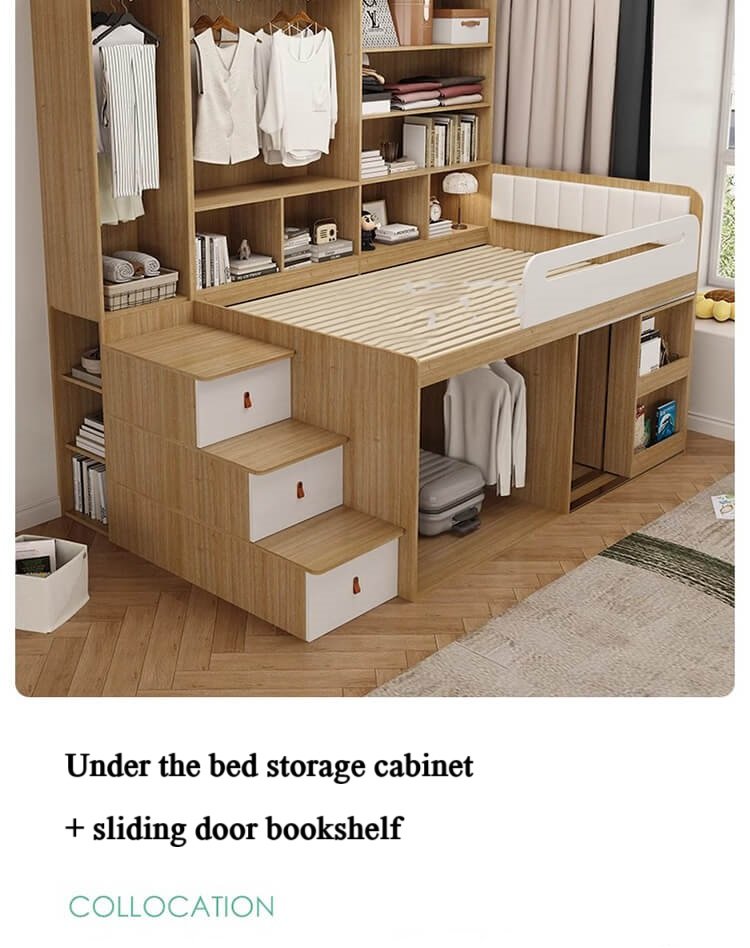
When it comes to beds, nightstands, and dressers, plywood and MDF offer a perfect balance between strength and aesthetics. The smooth surface allows for easy finishing, ensuring that furniture looks high-end without the high price tag of solid wood.
Industry Resources and Associations
To further solidify your understanding of multilayer boards and to stay updated with the latest trends in furniture manufacturing, here are some valuable industry resources:
- International Furniture Manufacturers Association (IFMA)
- Website
- A global organization that connects furniture manufacturers worldwide. This is an excellent resource for keeping up with the latest industry trends and standards.
- American Furniture Manufacturers Association (AFMA)
- Website
- A key platform for furniture manufacturers in the U.S. AFMA focuses on advocacy, education, and setting industry standards.
- European Furniture Manufacturers Federation (UEA)
- Website
- Represents the interests of the furniture manufacturing sector in Europe, offering insights into market trends and regulations.
- Forest Stewardship Council (FSC)
- Website
- An international certification that promotes responsible forest management, critical for sustainable furniture manufacturing.
Conclusion: Why Multilayer Board is the Future of Furniture Manufacturing
Multilayer boards, including plywood and MDF, offer numerous advantages over traditional solid wood when it comes to furniture manufacturing. Multilayer boards offer cost savings and environmental benefits. They also provide improved durability and moisture resistance. Multilayer boards are a practical and sustainable choice for modern furniture production. Whether you are an OEM supplier who wants to streamline production, multilayer boards offer a perfect solution. They are also ideal if you are a B2B manufacturer who aims to create high-quality, affordable furniture.
For businesses looking to maintain a competitive edge in the industry, focusing on these innovative materials is essential. Use the insights shared in this article to optimize your production process and offer high-quality, cost-effective products to your customers.
FAQ (Frequently Asked Questions)
Q1: What are the benefits of choosing multilayer board for bedroom furniture?
A: Multilayer board is known for its strength. It resists deformation, making it ideal for heavy-duty furniture such as bed frames. It is also suitable for cabinets. It’s durable, long-lasting, and provides great structural integrity, making it a popular choice for high-end bedroom furniture.
Q2: How does the cost of furniture made from OSB compare to other materials?
A: OSB is more affordable than multilayer board or MDF. It typically costs 20-30% less and is a great option for budget-conscious projects. However, it may not offer the same smooth finish as other materials. It may also not provide the same durability, making it better suited for certain applications.
Q3: Can I use MDF for outdoor furniture?
A: MDF is not recommended for outdoor furniture due to its susceptibility to moisture damage. It’s best suited for indoor furniture in dry environments. If you need outdoor furniture, materials like OSB or multilayer board may be better choices.
Q4: How can I find reliable bedroom furniture manufacturers for export?
A: Look for trustworthy manufacturers with experience in international trade. Ensure they have proven production capabilities. Check for good reviews from previous buyers. Ensure that they offer customization, meet international quality standards, and have reliable logistics for shipping.
About Us:
We are a leading manufacturer and exporter of high-quality bedroom furniture made from multilayer board, OSB, MDF, and particle board. With over 12 years of experience in the furniture industry, we provide furniture solutions for customers worldwide. These solutions are eco-friendly, durable, and customizable. Our commitment to quality, sustainability, and customer satisfaction makes us the perfect partner for all your furniture sourcing needs.
Further Reading and Resources:
Modern Bedroom Furniture Export: A Comprehensive Guide
Trends in Furniture Export Markets: A 2025 Guide for Furniture Manufacturers