Introduction: The Importance of Plywood Selection in Furniture Manufacturing
When plywood is chosen poorly, furniture manufacturers pay the price in warping panels, customer complaints, and production delays. In this guide, we break down the 5 most common mistakes when selecting plywood for furniture production. We also explain how to avoid them before the sheets ever reach your workshop.
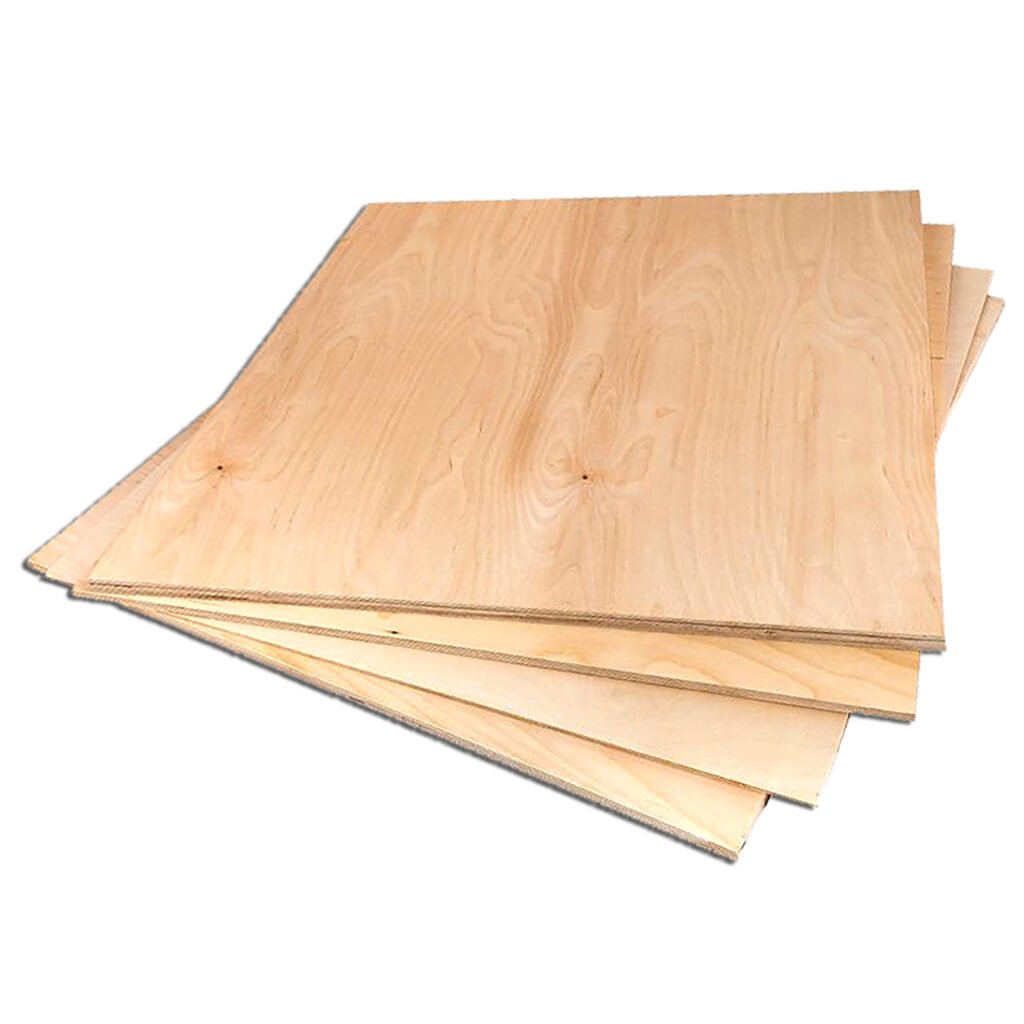
When manufacturing high-quality furniture, plywood selection is often an overlooked but crucial decision. Using the wrong plywood for your project can lead to furniture that’s not only less durable. It can also have a poor finish or suffer from structural weaknesses. This could directly impact customer satisfaction and, ultimately, your brand’s reputation.
In this article, we’ll explore the top 5 mistakes that furniture manufacturers often make when choosing plywood. We will also offer practical solutions to help you make better decisions. These tips will guide you to ensure the plywood in your furniture meets strength standards. It will also meet moisture resistance and finish quality requirements. Finally, the plywood will fulfill longevity expectations.
Mistake #1: Choosing the Wrong Thickness
Why Thickness Matters in Plywood Selection
One of the most common mistakes in furniture manufacturing is choosing the wrong thickness of plywood. The thickness of the plywood directly influences the strength, durability, and appearance of the final product.
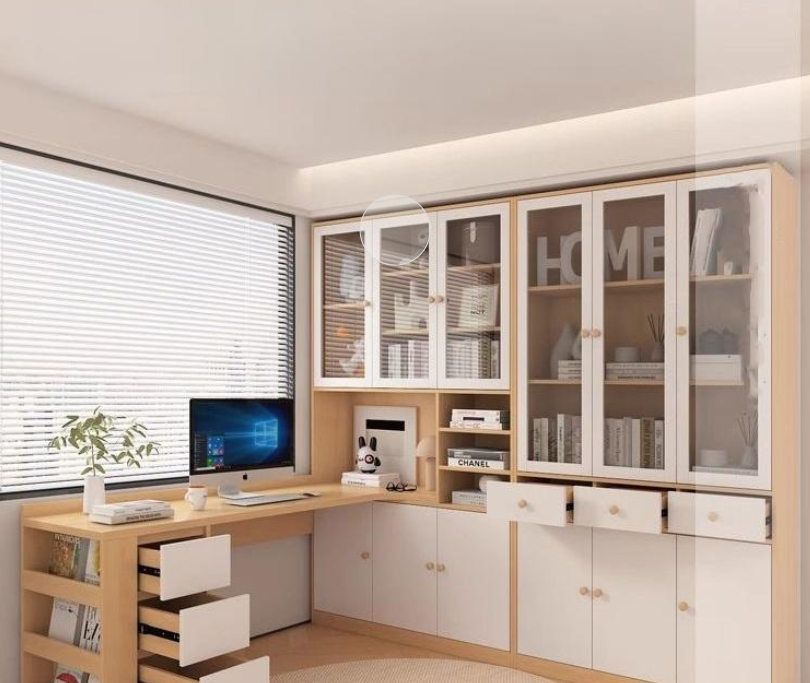
Using thin plywood (e.g., 9mm or 12mm) for larger components, like wardrobe sides or bed frames, can lead to warping, sagging, or even breakage under load. Conversely, using overly thick plywood (e.g., 18mm for drawer bottoms) can unnecessarily increase costs and make the product overly heavy. Therefore, it is important to select the correct thickness based on the intended use and load-bearing capacity.
For example, 15mm to 18mm thick plywood is typically ideal for furniture components. These components need to support weight, such as wardrobe sides or bed frames. For lighter applications like drawer bottoms or backs of bookshelves, thinner plywood such as 9mm to 12mm may be sufficient.
How to Avoid This Mistake
- Know your furniture design and use the appropriate thickness based on load-bearing needs.
- Ensure consistency in plywood thickness across your furniture design to maintain structural integrity.
External Link Reference: Plywoodguru
Mistake #2: Ignoring Moisture Resistance
Risks of Using Non-Moisture-Resistant Plywood
Many furniture manufacturers make the mistake of using non-moisture-resistant plywood for areas prone to humidity or water exposure. Moisture resistance is especially crucial in kitchen cabinets, bathroom vanities, and outdoor furniture.
Non-resistant plywood can absorb moisture, leading to swelling, warping, and decay over time. In high-humidity environments, this can also promote mold growth. For instance, using regular MDF or non-MR plywood in a bathroom vanity can cause deformation. The product may change shape after a few months.
How to Avoid This Mistake
- Always choose BWR (Boiling Water Resistant) or BWP (Boiling Water Proof) plywood for moisture-prone areas.
- For outdoor furniture or environments with high moisture, consider marine-grade plywood.
External Link Reference: MrsWoodcraft
Mistake #3: Choosing Low-Grade Materials
Why Cutting Corners on Plywood Grades Leads to Long-Term Costs
Another common mistake in plywood selection is opting for low-grade materials to cut costs. While cheaper plywood might seem attractive initially, it often results in poor durability, uneven surfaces, and limited finish compatibility.
Low-grade plywood may have visible voids. It may also exhibit poor bonding quality and thin veneer layers. These issues can cause peeling or warping over time. Furniture made from such plywood will likely face higher return rates, customer complaints, and increased production costs.
How to Avoid This Mistake
- Always prioritize A-grade plywood for the visible surfaces and areas that need to retain structural integrity.
- Make sure the plywood you use is sourced from reputable suppliers. These suppliers should have certified grades guaranteeing the quality of adhesives, wood types, and construction techniques.
External Link Reference: Plywood India
Mistake #4: Inconsistent Finish Quality
The Impact of Poor Veneer on Finish Quality
The veneer layer is the outermost layer of plywood and plays a key role in its aesthetic appeal. Choosing low-quality veneer or inconsistent finish quality can ruin the appearance of the furniture. This leads to blemishes, scratches, and uneven color distribution. This mistake is especially common in luxury furniture. It frequently occurs when using plywood in high-visibility areas like wardrobe fronts or living room tables.
Uneven veneering can affect the plywood’s ability to accept stains evenly. It can also impact how paint is applied. This issue leads to high finishing costs and requires rework.
How to Avoid This Mistake
- Always ensure that the plywood veneer is smooth, uniform, and free from defects.
- Conduct quality checks on veneer sheets before production to avoid defects that would affect the finish quality.
External Link Reference: MrsWoodcraft
Mistake #5: Skipping Testing
Why Conducting Proper Pilot Testing is Essential
Skipping pilot testing is a serious mistake when choosing plywood for furniture manufacturing. Many manufacturers rush into full-scale production without testing the plywood’s performance under real-world conditions.
Without proper testing, you risk ending up with plywood that doesn’t fit the specifications. It might not hold screws or hardware properly. It could also fail to withstand the intended weight load. Pilot testing allows manufacturers to simulate how the plywood will behave during transportation. This process also shows its behavior in assembly. It saves money on returns and repairs.
How to Avoid This Mistake
- Always conduct pilot runs with the chosen plywood to test assembly, fit, and screw retention.
- Perform drop testing or simulated transport testing to evaluate how the plywood holds up during delivery.
External Link Reference: Plywoodguru
Conclusion: Tips for Avoiding These Mistakes and Improving Plywood Selection
Plywood is one of the most important materials in furniture manufacturing. Choose the right plywood thickness and ensure it has adequate moisture resistance. Consider the grade and veneer quality. Perform proper testing. These actions will save you both time and money. By avoiding these five common mistakes, you will improve your production process. You will also enhance the quality of your furniture and customer satisfaction.
- Ensure the right plywood thickness for load-bearing applications.
- Select moisture-resistant plywood for kitchens, bathrooms, and outdoor furniture.
- Opt for high-grade plywood for consistent quality and durability.
- Check veneer quality to ensure a professional, uniform finish.
- Always perform pilot testing to catch issues before full-scale production.
By following these tips and partnering with reliable plywood suppliers, you can enhance the long-term performance of your furniture. This approach also improves its appearance. Additionally, you avoid costly errors in the production process.
External Resources for Further Reading:
- Plywood Guru: Choosing the Best Plywood for Furniture
- MrsWoodcraft: Types of Plywood for Furniture
- Plywood India: Best Plywood for Furniture
FAQ
Q1. What type of plywood is best for furniture?
A1. For most furniture, cabinet-grade or furniture-grade plywood with stable core layers and a smooth face veneer is best. Look for consistent thickness, minimal voids, and a grade that matches your surface finish needs.
Q2. How thick should plywood be for cabinets and shelves?
A2. For cabinet carcasses, 15–18 mm thickness is commonly used. Shelves carrying heavier loads may need thicker panels or extra support to prevent sagging.
Q3. How can I check plywood quality before buying?
A3. Inspect the edges for gaps and voids. Tap the panel to hear if there are hollow spots. Check if the sheet is flat. Verify moisture resistance and formaldehyde emission standards with your supplier.
Q4. Why does plywood warp, and how do I prevent it?
A4. Plywood warps when moisture content is uneven or the core is poorly constructed. Choose panels from reliable suppliers, store them flat and dry, and always seal exposed edges to reduce moisture absorption.
Q5. Is cheaper plywood ever OK for furniture production?
A5. Cheaper plywood can be used for hidden structural parts or temporary fixtures. However, for visible surfaces and long-lasting furniture, low-grade panels often lead to rework. This can cause returns and higher long-term costs.
About us
Discover Starwood’s Unique Approach
Welcome to Starwood, a premier flat-pack furniture manufacturer known for our dedication to high-quality and customizable ready-to-assemble (RTA) furniture. We have over 10 years of expertise in the industry. We specialize in providing end-to-end OEM/ODM services. These services cater to the diverse needs of retailers, distributors, and businesses across the globe.

A Diverse Range of Furniture Solutions
At Starwood, our products are designed to suit various environments. This includes modern furniture for homes and offices. We also offer innovative space-saving storage solutions. Each piece is thoughtfully created for easy assembly, durability, and eco-conscious living. We use rigorously tested materials. These materials comply with CARB Phase 2 standards. We also include water-based finishes that contribute to a safe and sustainable environment.
Exceptional Value and Support
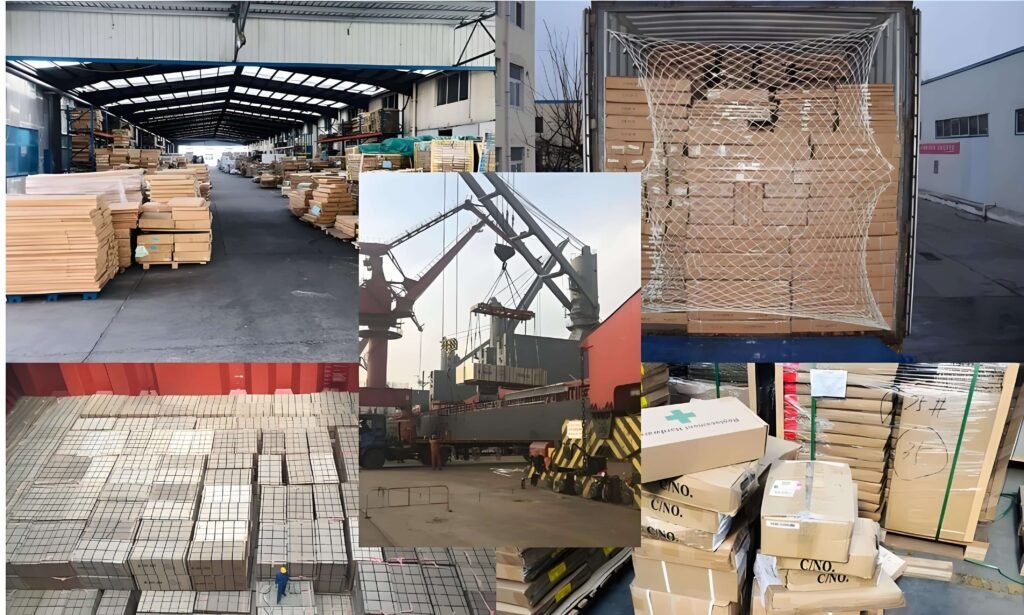
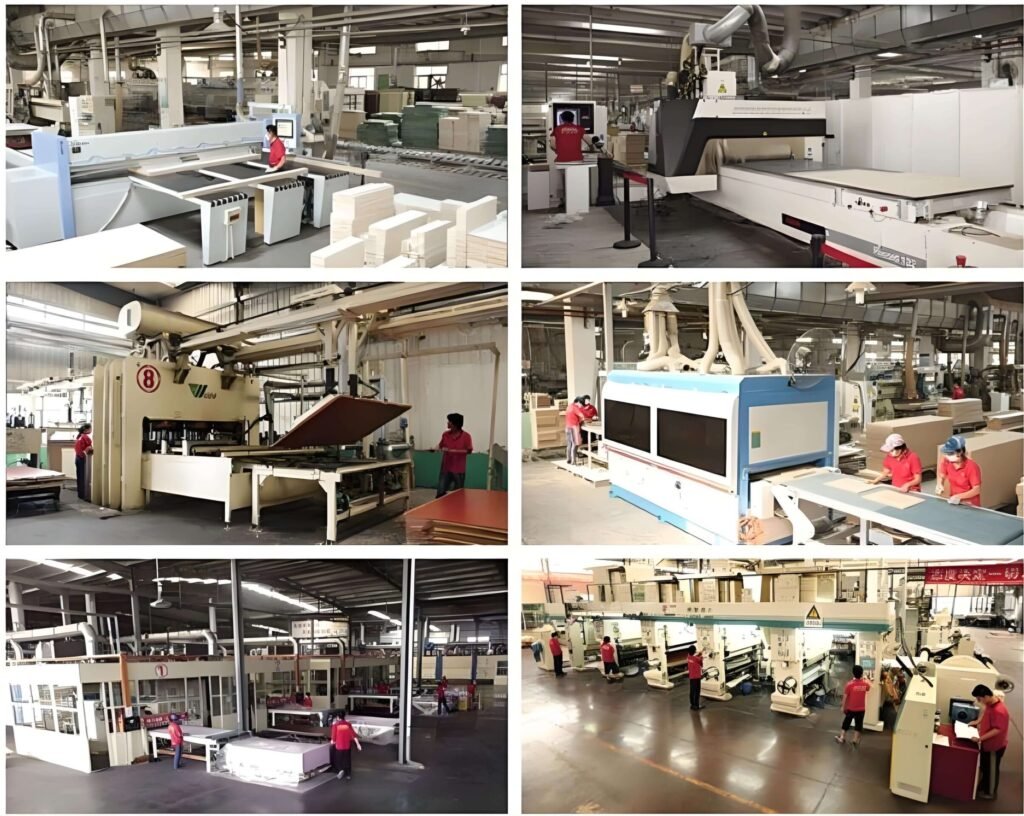
As a trusted flat-pack furniture exporter, Starwood stands out by offering competitive pricing, flexible order quantities, and seamless logistics support. Our comprehensive services include door-to-door shipping and customized packaging. Our factory merges advanced production technology with stringent quality control. This ensures that our products not only meet but exceed international standards.
Whether you’re in search of Scandinavian-inspired designs, minimalist styles, or custom furniture solutions, we can help. We empower your brand with products that resonate with consumers. Partner with Starwood to elevate your supply chain through reliable manufacturing, timely delivery, and exceptional customer service. Explore our extensive catalog or contact our team to discuss your flat-pack furniture project today!
We’re here to assist and answer all your inquiries.
STARWOOD INDUSTRY CO.,LTD
Contact: Winnie Huang
tel: +86 13691994727
e-mail: hwinnie168@gmail.com
add: No.150 Yongshen Road, Pengjiang Area, Jiangmen City, Guangdong Province, China